

This article was automatically translated from the original Turkish version.
The 1991 Gulf War is identified as one of the events that brought Türkiye’s air defense needs into concrete focus.
Iraq’s use of Scud-type ballistic missiles during the war made the threat of ballistic missiles visible to countries in the region. The impact of ballistic missile attacks on regional security has been regarded as a significant factor in Türkiye’s air defense planning【1】.
As a NATO member, Türkiye benefited from collective defense measures during the Gulf War. These measures included collective defense actions aimed at protecting Türkiye against potential ballistic missile attacks.
NATO allies implemented various military support measures to ensure Türkiye’s security. Among these measures, the deployment of air defense assets to Türkiye was considered. 【2】 Patriot air defense systems were regarded as one of the key systems used for ballistic missile defense during this period.
The Patriot system is an air defense system developed by the United States and designed for ballistic missile defense【3】. The use of Patriot systems during the Gulf War led to their increased role in international defense planning.
During the Gulf War, NATO allies provided various military support to strengthen Türkiye’s air defense capabilities. These supports encompassed defense measures aimed at protecting Türkiye against the ballistic missile threat. The defense systems deployed to Türkiye were regarded as part of NATO’s collective defense mechanism.
Patriot systems were considered among the most advanced ballistic missile defense systems during this period【4】. These systems were developed to provide defense against aerial targets and ballistic missiles. Advanced versions of the Patriot system possess significant technological features for ballistic missile defense.
Türkiye’s acquisition of external support for its air defense systems was viewed as an important development in its defense policy at the time. This development made Türkiye’s need for a long-range air defense system more visible. The concrete emergence of the ballistic missile threat triggered new inquiries in Türkiye’s defense planning. This process is regarded as one of the starting points of Türkiye’s discussions on acquiring a long-range air defense system【5】.
The Patriot system is defined as a missile defense system developed by the United States and used for long-range air defense missions. This system operates within an integrated defense architecture comprising radar, command and control centers, and missile batteries. The primary mission of the Patriot system is to detect and neutralize aerial targets and ballistic missiles. The Patriot Advanced Capability (PAC) series refers to upgraded versions of the system. The PAC-3 variant is defined as a version developed specifically for ballistic missile defense. The PAC-3 system employs a hit-to-kill missile technology. This technology is regarded as a significant advancement in ballistic missile defense【6】.
Ballistic missile defense is recognized as a critical area in modern military strategy. Türkiye’s geographic location has been a significant factor influencing its ballistic missile defense planning. Consequently, Türkiye began evaluating options for acquiring a long-range air defense system. The Patriot system was one of the key systems considered during this process.
In Türkiye’s defense planning, demands for technology transfer and co-production also emerged as important elements. These demands became a major negotiation point in the procurement process for a long-range air defense system. Türkiye’s goal of developing a national air defense system has been linked to its policy of enhancing its defense industry.
This approach led to a strategy encompassing both the evaluation of international systems and the development of indigenous systems. This process laid the groundwork for Türkiye to initiate various international tender processes in subsequent years for acquiring a long-range air defense system.
Türkiye’s procurement process for acquiring a long-range air and missile defense system is defined within a defense project known as T-LORAMIDS.
T-LORAMIDS stands for Türkiye Long-Range Area Air and Missile Defense System. The program encompasses a system development or acquisition process aimed at enhancing Türkiye’s defense capability against ballistic missile threats. Under this project, Türkiye planned to solicit proposals from international defense companies【7】.
One of the project’s main objectives is to acquire an effective defense system against ballistic missile threats. Türkiye included technology transfer and co-production conditions among its evaluation criteria for this tender. This approach demonstrated that Türkiye aimed not only to purchase a defense system but also to enhance its capacity to develop defense technology【8】.
Under the T-LORAMIDS tender, air defense systems developed by various countries were included in the evaluation process. The U.S.-developed Patriot air defense system was one of the systems proposed in this tender process. The Patriot system is used by NATO countries as an air defense system with ballistic missile defense capability.
Under the tender, U.S. companies Raytheon and Lockheed Martin submitted proposals for the Patriot PAC-3 system. The SAMP-T air defense system, developed through a French-Italian partnership, was also among the options under consideration. Russian-developed S-300 series systems were among the systems evaluated. The Chinese-developed HQ-9 air defense system was also among the proposed systems【9】.
During the tender process, technical criteria such as range, radar capacity, and missile defense capability were assessed. Türkiye pursued a policy in defense procurement aimed at enhancing its domestic production capacity. Therefore, technology sharing became a major negotiation issue. This strategy aims to develop defense systems as much as possible using domestic production capacity.
The T-LORAMIDS tender was viewed as one of the key projects where this strategy could be implemented. The T-LORAMIDS tender also became part of the broader discussions regarding Türkiye’s defense compatibility with NATO. Compatibility with systems used by NATO countries was considered an important factor in defense planning.
Under the T-LORAMIDS tender, Türkiye examined air defense systems from various countries in its process of acquiring a long-range air and missile defense system.
During this process, the U.S.-made Patriot system, the European-made SAMP-T system, and the Chinese-developed HQ-9 system were among the options considered. The Chinese-developed HQ-9 air defense system was presented to Türkiye under a proposal by China Precision Machinery Import-Export Corporation. The HQ-9 system is defined as a system with long-range air defense and ballistic missile defense capability. In Türkiye’s tender process, technical capacity, cost, and production conditions were among the evaluation criteria. Technology transfer and co-production were important criteria in Türkiye’s defense procurement policy【10】.
In 2013, it was announced that the HQ-9 system offered by China had been selected in Türkiye’s long-range air defense system tender. The HQ-9 system was noted for offering a more cost-effective proposal during the tender process. The selection of the HQ-9 system was regarded as a notable development in international defense circles【11】.
This decision triggered various debates among NATO countries. Türkiye’s membership in NATO led to the evaluation of security and compatibility dimensions of this issue. NATO’s integrated air defense system assumes that member countries’ defense systems operate within a common architecture. This architecture enables joint operation of ballistic missile defense and air defense systems. Technical negotiations and political discussions continued during this period. Türkiye’s search for a long-range air defense system continued after these developments. This process later entered a new phase with the cancellation of the tender【12】.
Technical and commercial negotiations began between Türkiye and China. Issues such as the system’s technical specifications, production conditions, and technology transfer were addressed. Technology transfer was a major negotiation point within the framework of Türkiye’s defense industry policies. The T-LORAMIDS tender was viewed not only as a defense system procurement process but also as a project capable of achieving technological gain.
This process was closely monitored by NATO countries.
The selection of the Chinese system sparked debates among NATO countries regarding defense compatibility. NATO’s integrated air defense system requires the defense infrastructure of member countries to operate within a common architecture.
This situation linked Türkiye’s defense procurement process to international security debates. Türkiye’s NATO membership heightened the importance of defense system compatibility.
Defense procurement projects often occur under the influence of both technical discussions and political and strategic factors. Türkiye’s long-range air defense system procurement emerged as a process involving such multidimensional assessments.
In 2015, Türkiye announced the cancellation of its long-range air defense system tender【13】.
Following the cancellation of the T-LORAMIDS tender, Türkiye continued its search for a long-range air defense system. During this period, Türkiye continued to monitor air defense systems developed by various countries. The Russian-developed S-400 air defense system emerged as one of the systems closely followed by Türkiye during this time【14】.
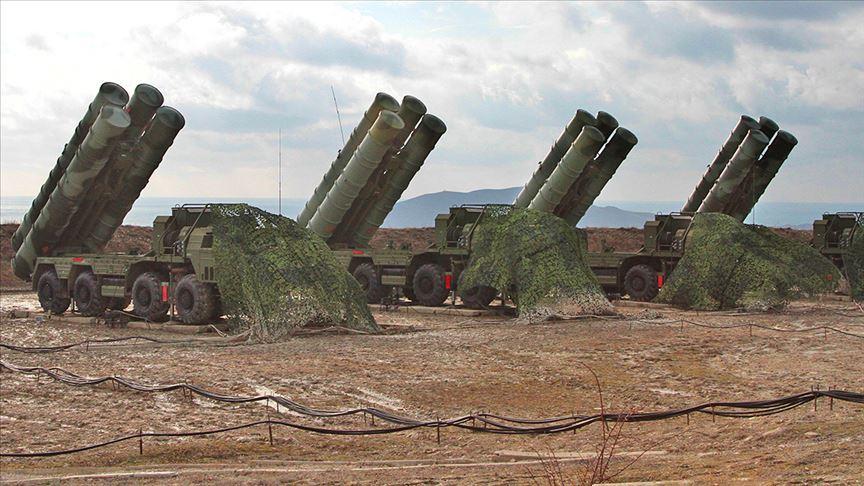
S-400 Air Defense System - Anadolu Ajansı
The S-400 system is defined as a system with long-range air defense and ballistic missile defense capability. It was developed as a missile defense system capable of defending against aerial targets and ballistic missiles. The S-400 system operates within an integrated air defense architecture comprising radar systems, command and control elements, and missile batteries【15】.
Discussions began between Türkiye and Russia regarding the S-400 system【16】.
The S-400 system possesses a technology distinct from those used by NATO countries. Consequently, Türkiye’s acquisition process for the S-400 system was closely monitored as a significant development in international defense policy.
In 2017, an agreement was reached between Türkiye and Russia for the purchase of the S-400 air defense system.
Türkiye’s decision to acquire this system triggered various debates among NATO countries【17】.
Following the S-400 agreement, discussions were also held between Türkiye and the United States regarding the Patriot air defense system. The United States made various offers to Türkiye for the sale of Patriot air defense systems.
The U.S. offer encompassed a defense agreement for the sale of the Patriot system to Türkiye【18】.
In Türkiye’s process of acquiring a long-range air defense system, the U.S.-developed Patriot air defense system emerged as a significant option.
The Patriot system operates within an integrated defense structure comprising radar systems, command and control elements, and missile batteries. It is regarded as one of the primary air defense systems used by NATO countries【19】.
Türkiye’s ongoing air defense needs led to the continuation of discussions with the United States regarding the Patriot system【20】.
The Patriot system is one of the systems used within NATO’s ballistic missile defense architecture. Türkiye’s potential acquisition of the Patriot system was also viewed as an important issue in terms of compatibility with NATO’s defense architecture【21】.
In 2018, the United States initiated the formal process to approve a possible agreement for the sale of Patriot air defense systems to Türkiye【22】.
The U.S. Defense Security Cooperation Agency notified Congress of a possible agreement for the sale of the Patriot system to Türkiye.
This sales package encompassed a comprehensive defense agreement including Patriot missile systems and related support elements. The agreement specified that, in addition to Patriot systems, radar systems and various logistical support elements would be included. The total value of the Patriot sales package was estimated at approximately $3.5 billion【23】.
In the U.S. statement, it was indicated that this sale aimed to strengthen Türkiye’s defense capabilities as a NATO ally. The U.S. approval of the Patriot sale became one of the key issues in Türkiye-U.S. defense relations【24】.
Following the signing of the S-400 air defense system agreement between Türkiye and Russia, the delivery process of the systems began.
The delivery of S-400 air defense systems to Türkiye was planned to be completed within 2019【25】.
Under the agreement between Türkiye and Russia, the delivery process of the systems began. President Recep Tayyip Erdoğan stated that the delivery process of the S-400 systems was ongoing and that the agreement had been finalized【26】.
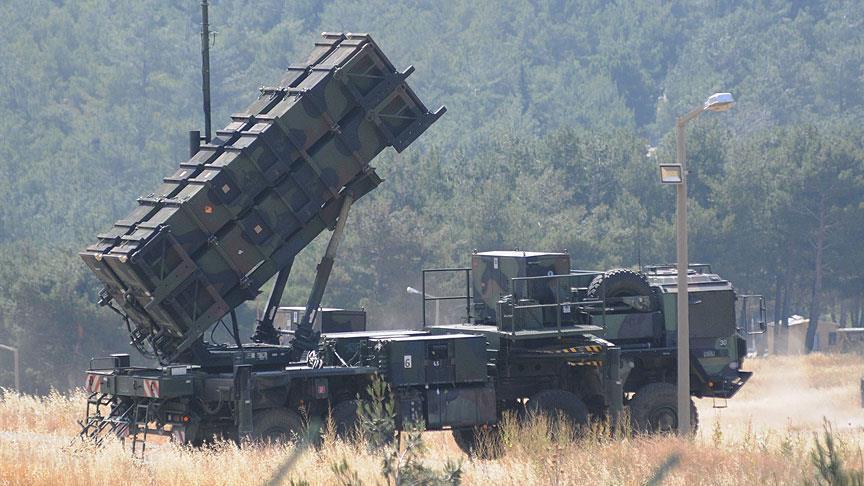
Patriot Missile Defense System - Anadolu Ajansı
Türkiye’s acquisition of the S-400 system became a major topic of debate in international defense policy.
This development marked the beginning of a new chapter in Türkiye-U.S. defense relations. The U.S. administration stated that the S-400 system was incompatible with NATO’s defense architecture【27】.
Türkiye’s acquisition of the S-400 system triggered various security debates among the United States and NATO countries. NATO’s integrated air defense system is based on an architecture that requires the defense infrastructure of member countries to operate together【28】.
Therefore, the integration of the S-400 system into NATO’s defense infrastructure became a subject of debate.
Türkiye announced that the S-400 system would not be integrated into NATO’s defense infrastructure【29】.
This process prompted new assessments regarding Türkiye’s potential acquisition of the Patriot system.
The U.S. administration stated that sanctions could be applied if Türkiye proceeded with the acquisition of the S-400 system【30】.
Various sanctions were imposed by the United States on Türkiye due to the S-400 system.
These sanctions were implemented under the U.S. Countering America’s Adversaries Through Sanctions Act (CAATSA). CAATSA sanctions were regarded as a significant development in Türkiye-U.S. defense relations【31】.
The United States also reassessed Türkiye’s participation in the F-35 fighter aircraft program. Türkiye was removed from the F-35 fighter aircraft program【32】.
These developments marked the beginning of a new era in Türkiye’s air defense system policies.
Türkiye’s process of acquiring a long-range air defense system was not limited to external procurement options but also included projects aimed at developing indigenous defense systems【33】.
Indigenous air defense system projects emerged as part of Türkiye’s goal to develop its defense industry.
SİPER Missile - ROKETSAN
These projects were carried out under defense industry programs aiming to develop air defense systems using domestic capabilities. Türkiye’s air defense system development projects aim to create a multi-layered defense architecture encompassing systems across different range categories: short-range, medium-range, and long-range air defense systems【34】.
Türkiye’s air defense projects have been developed under programs led by ASELSAN, ROKETSAN, and the Presidency of Defense Industries.
One of the systems developed under Türkiye’s indigenous air defense system projects is the HİSAR-A air defense system. The HİSAR-A system was developed as a short-range air defense system. It is designed to defend against low-altitude aerial targets. The HİSAR-A system was developed as a mobile air defense system capable of deployment on mobile platforms【35】.
Various tests and acceptance firings were conducted during the development of the HİSAR-A system. It was reported that the system successfully hit targets during these tests【36】.
Another system developed under Türkiye’s indigenous air defense system projects is the HİSAR-O medium-range air defense system. The HİSAR-O system was developed for medium-range air defense missions. It is capable of performing air defense tasks with a wider range and higher altitude capacity. The HİSAR-O system operates in an integrated manner with radar systems and command and control infrastructure. The HİSAR-O system was developed as a project aimed at establishing the medium-range defense layer in Türkiye’s air defense architecture【37】.
The HİSAR projects aimed to enhance Türkiye’s air defense capacity through a layered system architecture. The HİSAR-D RF system emerged as one of the next-generation missile systems developed under the air defense projects. This system successfully hit targets during test firings【38】.
Serial Production HİSAR A IIR Missile Acceptance Firing - ASELSAN
The long-range defense system developed under Türkiye’s indigenous air defense system projects is the SİPER project. The SİPER system is defined as a missile defense system developed for long-range air defense missions. It was developed to provide defense against high-altitude and long-range aerial targets. This project was developed under defense programs led by ASELSAN, ROKETSAN, and TÜBİTAK SAGE【39】.
Türkiye’s air defense projects aim not only to develop individual systems but also to establish an integrated defense architecture. This architecture represents a multi-layered air defense structure that enables the coordinated operation of systems across different range categories.
ASELSAN. "HİSAR-O+ 100." ASELSAN Resmî Sitesi. Accessed March 10, 2026.
ASELSAN. "SST HİSAR-O+ 100 Teknik Doküman." ASELSAN PDF. Accessed March 10, 2026. https://wwwcdn.aselsan.com/api/file/SST_HISAR_O_100_TR.pdf
ASELSAN. ASELSAN | Series Production HİSAR AIIR Füze Acceptance Launch, YouTube video. Accessed March 10, 2026. https://www.youtube.com/watch?v=mmAYheIJkVw
Accessed November 26, 2025. https://www.aa.com.tr/tr/kultur/ahlatta-acilan-kurslarla-geleneksel-tas-isciligi-yasatiliyor/3116279.
Accessed November 26, 2025. https://www.aa.com.tr/tr/kultur/ahlatta-acilan-kurslarla-geleneksel-tas-isciligi-yasatiliyor/3116279.
Accessed November 26, 2025. https://www.aa.com.tr/tr/kultur/ahlatta-acilan-kurslarla-geleneksel-tas-isciligi-yasatiliyor/3116279.
Accessed November 26, 2025. https://www.aa.com.tr/tr/kultur/ahlatta-acilan-kurslarla-geleneksel-tas-isciligi-yasatiliyor/3116279.
Accessed November 26, 2025. https://www.aa.com.tr/tr/kultur/ahlatta-acilan-kurslarla-geleneksel-tas-isciligi-yasatiliyor/3116279.
Accessed November 26, 2025. https://www.aa.com.tr/tr/kultur/ahlatta-acilan-kurslarla-geleneksel-tas-isciligi-yasatiliyor/3116279.
Accessed November 26, 2025. https://www.aa.com.tr/tr/kultur/ahlatta-acilan-kurslarla-geleneksel-tas-isciligi-yasatiliyor/3116279.
Accessed November 26, 2025. https://www.aa.com.tr/tr/kultur/ahlatta-acilan-kurslarla-geleneksel-tas-isciligi-yasatiliyor/3116279.
Accessed November 26, 2025. https://www.aa.com.tr/tr/kultur/ahlatta-acilan-kurslarla-geleneksel-tas-isciligi-yasatiliyor/3116279.
Accessed November 26, 2025. https://www.aa.com.tr/tr/kultur/ahlatta-acilan-kurslarla-geleneksel-tas-isciligi-yasatiliyor/3116279.
Accessed November 26, 2025. https://www.aa.com.tr/tr/kultur/ahlatta-acilan-kurslarla-geleneksel-tas-isciligi-yasatiliyor/3116279.
Accessed November 26, 2025. https://www.aa.com.tr/tr/kultur/ahlatta-acilan-kurslarla-geleneksel-tas-isciligi-yasatiliyor/3116279.
Accessed November 26, 2025. https://www.aa.com.tr/tr/kultur/ahlatta-acilan-kurslarla-geleneksel-tas-isciligi-yasatiliyor/3116279.
Accessed November 26, 2025. https://www.aa.com.tr/tr/kultur/ahlatta-acilan-kurslarla-geleneksel-tas-isciligi-yasatiliyor/3116279.
Accessed November 26, 2025. https://www.aa.com.tr/tr/kultur/ahlatta-acilan-kurslarla-geleneksel-tas-isciligi-yasatiliyor/3116279.
Accessed November 26, 2025. https://www.aa.com.tr/tr/kultur/ahlatta-acilan-kurslarla-geleneksel-tas-isciligi-yasatiliyor/3116279.
Anadolu Ajansı. "ABD Türkiye’yi F-35 Programından Resmi Olarak Çıkardığına Dair Ankara’ya Bildirimde Bulundu." Anadolu Ajansı, 2021. Accessed March 10, 2026.
Anadolu Ajansı. "ABD’den Türkiye’ye Patriot Satışına Onay." Anadolu Ajansı, December 19, 2018. Accessed March 10, 2026.
Anadolu Ajansı. "ABD’den Türkiye’ye S-400 Yaptırım Kararı." Anadolu Ajansı, December 14, 2020. Accessed March 10, 2026.
Anadolu Ajansı. "Cumhurbaşkanlığı Sözcüsü Kalın: S-400’ler NATO Güvenlik Sistemine Entegre Edilmeyecek." Anadolu Ajansı, 2019. Accessed March 10, 2026. https://www.aa.com.tr/tr/politika/cumhurbaskanligi-sozcusu-kalin-s-400-ler-nato-guvenlik-sistemine-entegre-edilmeyecek/1656253
Anadolu Ajansı. "Cumhurbaşkanı Erdoğan: S-400 Teslimat Sürecindedir, Bu İş Bitti." Anadolu Ajansı, 2019. Accessed March 10, 2026.
Anadolu Ajansı. "Hisar-A Kabul Atışında Hedefi Tam İsabetle Vurdu." Anadolu Ajansı – Savunma Sanayisi, 2026. Accessed March 10, 2026.
Anadolu Ajansı. "Hisar-D RF Hava Savunma Füzesinden Hedefe Tam İsabet." Anadolu Ajansı – Bilim & Teknoloji, 2026. Accessed March 10, 2026.
Anadolu Ajansı. "US Approves Possible Sale of Patriot Missiles to Turkey." Anadolu Ajansı, 2024. Accessed March 10, 2026. https://www.aa.com.tr/en/world/us-approves-possible-sale-of-patriot-missiles-to-turkey/1342663
Anadolu Ajansı. Doğru, İslam, and Kasım İleri. "Türk-Amerikan İlişkilerinde Yeni Perde: CAATSA Yaptırımları." Anadolu Ajansı Analiz, 2020. Accessed March 10, 2026. https://www.aa.com.tr/tr/analiz/turk-amerikan-iliskilerinde-yeni-perde-caatsa-yaptirimlari/2077178
Anadolu Ajansı. “ABD Patriot Teklifini Türkiye’ye Sundu.” Anadolu Ajansı, 2019. Accessed March 10, 2026. https://www.aa.com.tr/tr/turkiye/abd-patriot-teklifini-turkiyeye-sundu/1354912
Anadolu Ajansı. “Rusya ile S-400 Anlaşması Tamam.” Anadolu Ajansı, 2017. Accessed March 10, 2026. https://www.aa.com.tr/tr/gunun-basliklari/rusya-ile-s-400-anlasmasi-tamam/1016329
Anadolu Ajansı. “S-400’lerin Teslimi 2019’da.” Anadolu Ajansı, 2018. Accessed March 10, 2026. https://www.aa.com.tr/tr/dunya/s-400lerin-teslimi-2019da/1239909
Anadolu Ajansı. “Uzmanlara Göre ABD’nin Türkiye’ye Yaptırım Kararı Türk Savunma Sanayisinin Gelişimine Hız Kazandırabilir.” Anadolu Ajansı, 2020. Accessed March 10, 2026. https://www.aa.com.tr/tr/ekonomi/uzmanlara-gore-abdnin-turkiyeye-yaptirim-karari-turk-savunma-sanayisinin-gelisimine-hiz-kazandirabilir/2077649
Anadolu Ajansı. “Uzun Menzilli Füze Sisteminde Sona Gelindi.” Anadolu Ajansı, 2016. Accessed March 10, 2026. https://www.aa.com.tr/tr/turkiye/uzun-menzilli-fuze-sisteminde-sona-gelindi/215771
BBC Türkçe. "ABD, Türkiye’yi F-35 Savaş Uçağı Programından Çıkardı." Accessed March 10, 2026. https://www-bbc-com.translate.goog/news/world-us-canada-49023115
BBC Türkçe. "S-400 Krizi." BBC Türkçe, 2019. Accessed March 10, 2026.
Byju’s. "S-400 Missile System." Byju’s IAS Prep. Accessed March 10, 2026.
CSIS. Sanders, Gregory, and Asya Akca. "The Great Unwinding: The U.S.-Turkey Arms Sales Dispute." Center for Strategic and International Studies, 2020. Accessed March 10, 2026.
Canalp Korkmaz, Sertaç, and Arda Mevlütoğlu. Turkey’s Air Defense Umbrella and S-400. ORSAM Report No: 213, September 2017. Accessed March 10, 2026.
DSCA. "Turkey – Patriot Advanced Capability-3 Guided Missiles." Defense Security Cooperation Agency, 2024. Accessed March 10, 2026.
DSCA. "Turkey – Patriot Missile System and Related Support and Equipment." Defense Security Cooperation Agency, 2024. Accessed March 10, 2026.
DSCA. "Türkiye – AIM-120C-8 Advanced Medium-Range Air-to-Air Missiles." Defense Security Cooperation Agency, 2024. Accessed March 10, 2026.
Defense News. Mehta, Aaron. “Turkey Cleared by US for $3.5 Billion Patriot Missile Deal, Despite S-400 Row.” Defense News, December 19, 2018. Accessed March 10, 2026. https://www.defensenews.com/global/europe/2018/12/19/turkey-cleared-by-us-for-35-billion-patriot-missile-deal-despite-s-400-row/
Defense Turkey. Sünnetçi, İbrahim. "A Look at Turkey’s PAC-3+ IAMDS Procurement Activities." Defense Turkey, 2019. Accessed March 10, 2026.
Egeli, Sıtkı. "Making Sense of Turkey’s Air and Missile Defense Merry-go-round." All Azimuth 8, no. 1 (2019): 69–92. Accessed March 10, 2026.
Foreign Policy Research Centre (TR). Erdurmaz, Ali Serdar. "NATO Ballistic Missile Defence Systems and Turkey." Foreign Policy Research Centre, no date. Accessed March 10, 2026.
Milliyet. "3–4 Milyar Dolarlık Çin Füzesi İptal." Milliyet, 2013. Accessed March 10, 2026.
Missile Defense Advocacy Alliance. "Patriot Advanced Capability-3 Missile." Accessed March 10, 2026.
Missile Defense Advocacy Alliance. "Turkey’s Air Defense Capabilities." Accessed March 10, 2026.
NATO. "Ballistic Missile Defence." NATO Official Website. Accessed March 10, 2026.
NATO. "Funding NATO." NATO Official Website. Accessed March 10, 2026.
NATO. "NATO Agrees to Augment Turkey’s Air Defence Capabilities." December 4, 2012. Accessed March 10, 2026.
NATO. "NATO Foreign Ministers Statement on Patriot Deployment to Turkey." December 4, 2012. Accessed March 10, 2026.
Polsam. "Türkiye-ABD İlişkilerinde S-400 Krizi." Accessed March 10, 2026. https://www.polsam.org/turkiye-abd-iliskilerinde-s-400-krizi/
ROKETSAN. Gök Vatan’ımızın Sarsılmaz Muhafızı SİPER Görev Başında! ROKETSAN, YouTube video. Accessed March 10, 2026.
Roketsan. "HİSAR Hava Savunma Füzeleri." Roketsan Resmî Sitesi. Accessed March 10, 2026. https://www.roketsan.com.tr/tr/urunler/hisar-hava-savunma-fuzeleri
SSB. "SİPER Projesi." Savunma Sanayii Başkanlığı. Accessed March 10, 2026.
Sabah. "ABD Türkiye’ye Patriot Sistemi Satışını Resmen Onayladı." Sabah, December 19, 2018. Accessed March 10, 2026.
Seren, Merve. Turkey’s Quest for a National Missile Defense System: Prospects & Challenges. SETA, April 2017, No: 26. Accessed March 10, 2026.
TRT World Research Centre. Keşvelioğlu, Abdullah; Alpaslan Oğuz; Edebali Murat Akca; Muhammed Lütfi Türkcan. S-400 Missile System. 2020. Accessed March 10, 2026. https://researchcentre.trtworld.com/wp-content/uploads/2020/11/S400.pdf
Trends Research & Advisory. Çubukçuoğlu, Serhat Süha, and Umud Shokri. "Türkiye’s Steel Dome Air Defense Solution." Trends Research, no date. Accessed March 10, 2026.
Yeni Şafak. "Türkiye Füzede Rotayı Yerliye Çevirdi." Yeni Şafak, 2015. Accessed March 10, 2026.
Yeşiltaş, Merve Seren. “5 Soru: Milli Füze Savunma Sistemine Doğru.” SETA. Accessed March 10, 2026. https://www.setav.org/5-soru-milli-fuze-savunma-sistemine-dogru
https://dergipark.org.tr/tr/download/article-file/623427
https://orsam.org.tr/dosya/213_eng.pdf
https://trendsresearch.org/insight/turkiyes-steel-dome-air-defense-solution/
https://www.aa.com.tr/tr/bilim-teknoloji/hisar-d-rf-hava-savunma-fuzesinden-hedefe-tam-isabet/3735873
https://www.aa.com.tr/tr/dunya/abd-turkiyeyi-f-35-programindan-resmi-olarak-cikardigina-dair-ankaraya-bildirimde-bulundu/2216316
https://www.aa.com.tr/tr/politika/cumhurbaskani-erdogan-s-400-teslimat-surecindedir-bu-is-bitti/1518815
https://www.bbc.com/turkce/haberler-turkiye-47809807
https://www.csis.org/analysis/great-unwinding-us-turkey-arms-sales-dispute
https://www.milliyet.com.tr/gundem/3-4-milyar-dolarlik-cin-fuzesi-iptal-2148480
https://www.missiledefenseadvocacy.org/defense-systems/patriot-advanced-capability-3-missile/
https://www.missiledefenseadvocacy.org/international-cooperation/turkey/
https://www.nato.int/en/about-us/official-texts-and-resources/official-texts/2012/12/04/nato-foreign-ministers-statement-on-patriot-deployment-to-turkey
https://www.nato.int/en/what-we-do/introduction-to-nato/funding-nato
https://www.yenisafak.com/ekonomi/turkiye-fuzede-rotayi-yerliye-cevirdi-2344025
[1]
TRT World Research Centre. Keşvelioğlu, Abdullah; Alpaslan Oğuz; Edebali Murat Akca; Muhammed Lütfi Türkcan. S-400 Missile System. 2020. Erişim tarihi: 10 Mart 2026.
https://researchcentre.trtworld.com/wp-content/uploads/2020/11/S400.pdf
[2]
Foreign Policy Research Centre (TR). Erdurmaz, Ali Serdar. “NATO Ballistic Missile Defence Systems and Turkey.” Foreign Policy Research Centre, tarih yok. Erişim tarihi: 10 Mart 2026.
https://foreignpolicy.org.tr/nato-ballistic-missile-defence-systems-and-turkey/
[3]
Missile Defense Advocacy Alliance. “Patriot Advanced Capability-3 Missile.” Erişim tarihi: 10 Mart 2026.
https://www.missiledefenseadvocacy.org/defense-systems/patriot-advanced-capability-3-missile/
[4]
Missile Defense Advocacy Alliance. “Patriot Advanced Capability-3 Missile.” Erişim tarihi: 10 Mart 2026.
https://www.missiledefenseadvocacy.org/defense-systems/patriot-advanced-capability-3-missile/
[5]
TRT World Research Centre. Keşvelioğlu, Abdullah; Alpaslan Oğuz; Edebali Murat Akca; Muhammed Lütfi Türkcan. S-400 Missile System. 2020. Erişim tarihi: 10 Mart 2026.
https://researchcentre.trtworld.com/wp-content/uploads/2020/11/S400.pdf
[6]
Missile Defense Advocacy Alliance. “Patriot Advanced Capability-3 Missile.” Erişim tarihi: 10 Mart 2026.
https://www.missiledefenseadvocacy.org/defense-systems/patriot-advanced-capability-3-missile/
[7]
Defense Turkey. Sünnetçi, İbrahim. “A Look at Turkey’s PAC-3+ IAMDS Procurement Activities.” Defense Turkey, 2019. Erişim tarihi: 10 Mart 2026.
https://www.defenceturkey.com/en/content/a-look-at-turkey-s-pac-3-iamds-procurement-activities-3332
[8]
Seren, Merve. Turkey’s Quest for a National Missile Defense System: Prospects & Challenges. SETA, April 2017, No: 26. Erişim tarihi: 10 Mart 2026.
https://media.setav.org/en/file/2017/04/turkeys-quest-for-a-national-missile-defense-system.pdf
[9]
Defense Turkey. Sünnetçi, İbrahim. “A Look at Turkey’s PAC-3+ IAMDS Procurement Activities.” Defense Turkey, 2019. Erişim tarihi: 10 Mart 2026.
https://www.defenceturkey.com/en/content/a-look-at-turkey-s-pac-3-iamds-procurement-activities-3332
[10]
Egeli, Sıtkı. “Making Sense of Turkey’s Air and Missile Defense Merry-go-round.” All Azimuth 8, no. 1 (2019): 69–92. Erişim tarihi: 10 Mart 2026.
[11]
TRT World Research Centre. Keşvelioğlu, Abdullah; Alpaslan Oğuz; Edebali Murat Akca; Muhammed Lütfi Türkcan. S-400 Missile System. 2020. Erişim tarihi: 10 Mart 2026.
https://researchcentre.trtworld.com/wp-content/uploads/2020/11/S400.pdf
[12]
Foreign Policy Research Centre (TR). Erdurmaz, Ali Serdar. “NATO Ballistic Missile Defence Systems and Turkey.” Foreign Policy Research Centre, tarih yok. Erişim tarihi: 10 Mart 2026.
https://foreignpolicy.org.tr/nato-ballistic-missile-defence-systems-and-turkey/
[13]
Milliyet. “3–4 Milyar Dolarlık Çin Füzesi İptal.” Milliyet, 2013. Erişim tarihi: 10 Mart 2026.
https://www.milliyet.com.tr/gundem/3-4-milyar-dolarlik-cin-fuzesi-iptal-2148480
[14]
TRT World Research Centre. Keşvelioğlu, Abdullah; Alpaslan Oğuz; Edebali Murat Akca; Muhammed Lütfi Türkcan. S-400 Missile System. 2020. Erişim tarihi: 10 Mart 2026.
https://researchcentre.trtworld.com/wp-content/uploads/2020/11/S400.pdf
[15]
Byju’s. “S-400 Missile System.” Byju’s IAS Prep. Erişim tarihi: 10 Mart 2026. https://byjus.com/free-ias-prep/s-400-missile-system/
[16]
Anadolu Ajansı. “Rusya ile S-400 Anlaşması Tamam.” Anadolu Ajansı, 2017. Erişim tarihi: 10 Mart 2026.
https://www.aa.com.tr/tr/gunun-basliklari/rusya-ile-s-400-anlasmasi-tamam/1016329
[17]
BBC Türkçe. “S-400 Krizi.” BBC Türkçe, 2019. Erişim tarihi: 10 Mart 2026. https://www.bbc.com/turkce/haberler-turkiye-47809807
[18]
Anadolu Ajansı. “ABD Patriot Teklifini Türkiye’ye Sundu.” Anadolu Ajansı, 2019. Erişim tarihi: 10 Mart 2026.
https://www.aa.com.tr/tr/turkiye/abd-patriot-teklifini-turkiyeye-sundu/1354912
[19]
Missile Defense Advocacy Alliance. “Patriot Advanced Capability-3 Missile.” Erişim tarihi: 10 Mart 2026.
https://www.missiledefenseadvocacy.org/defense-systems/patriot-advanced-capability-3-missile/
[20]
Anadolu Ajansı. “ABD Patriot Teklifini Türkiye’ye Sundu.” Anadolu Ajansı, 2019. Erişim tarihi: 10 Mart 2026.
https://www.aa.com.tr/tr/turkiye/abd-patriot-teklifini-turkiyeye-sundu/1354912
[21]
NATO. “Ballistic Missile Defence.” NATO Official Website. Erişim tarihi: 10 Mart 2026.
https://www.nato.int/en/what-we-do/deterrence-and-defence/ballistic-missile-defence
[22]
Anadolu Ajansı. “US Approves Possible Sale of Patriot Missiles to Turkey.” Anadolu Ajansı, 2024. Erişim tarihi: 10 Mart 2026.
https://www.aa.com.tr/en/world/us-approves-possible-sale-of-patriot-missiles-to-turkey/1342663
[23]
Defense News. Mehta, Aaron. “Turkey Cleared by US for $3.5 Billion Patriot Missile Deal, Despite S-400 Row.” Defense News, 19 December 2018. Erişim tarihi: 10 Mart 2026.
[24]
Sanders, Gregory, and Asya Akca. “The Great Unwinding: The U.S.-Turkey Arms Sales Dispute.” Center for Strategic and International Studies (CSIS), 2020. Erişim tarihi: 10 Mart 2026.
https://www.csis.org/analysis/great-unwinding-us-turkey-arms-sales-dispute
[25]
Anadolu Ajansı. “S-400’lerin Teslimi 2019’da.” Anadolu Ajansı, 2018. Erişim tarihi: 10 Mart 2026.
https://www.aa.com.tr/tr/dunya/s-400lerin-teslimi-2019da/1239909
[26]
Anadolu Ajansı. “Cumhurbaşkanı Erdoğan: S-400 Teslimat Sürecindedir, Bu İş Bitti.” Anadolu Ajansı, 2019. Erişim tarihi: 10 Mart 2026.
[27]
BBC Türkçe. “S-400 Krizi.” BBC Türkçe, 2019. Erişim tarihi: 10 Mart 2026. https://www.bbc.com/turkce/haberler-turkiye-47809807
[28]
NATO. “Ballistic Missile Defence.” NATO Official Website. Erişim tarihi: 10 Mart 2026.
https://www.nato.int/en/what-we-do/deterrence-and-defence/ballistic-missile-defence
[29]
Anadolu Ajansı. “Cumhurbaşkanlığı Sözcüsü Kalın: S-400’ler NATO Güvenlik Sistemine Entegre Edilmeyecek.” Anadolu Ajansı, 2019. Erişim tarihi: 10 Mart 2026.
[30]
Anadolu Ajansı. “ABD’den Türkiye’ye S-400 Yaptırım Kararı.” Anadolu Ajansı, 14 Aralık 2020. Erişim tarihi: 10 Mart 2026.
https://www.aa.com.tr/tr/dunya/abdden-turkiyeye-s-400-yaptirim-karari-/2076666
[31]
Anadolu Ajansı. Doğru, İslam, ve Kasım İleri. “Türk-Amerikan İlişkilerinde Yeni Perde: CAATSA Yaptırımları.” Anadolu Ajansı Analiz, 2020. Erişim tarihi: 10 Mart 2026.
https://www.aa.com.tr/tr/analiz/turk-amerikan-iliskilerinde-yeni-perde-caatsa-yaptirimlari/2077178
[32]
Anadolu Ajansı. “ABD Türkiye’yi F-35 Programından Resmi Olarak Çıkardığına Dair Ankara’ya Bildirimde Bulundu.” Anadolu Ajansı, 2021. Erişim tarihi: 10 Mart 2026.
[33]
Seren, Merve. Turkey’s Quest for a National Missile Defense System: Prospects & Challenges. SETA, April 2017, No: 26. Erişim tarihi: 10 Mart 2026.
https://media.setav.org/en/file/2017/04/turkeys-quest-for-a-national-missile-defense-system.pdf
[34]
Seren Yeşiltaş, Merve. “5 Soru: Milli Füze Savunma Sistemine Doğru.” SETA, tarih yok. Erişim tarihi: 10 Mart 2026. https://www.setav.org/5-soru-milli-fuze-savunma-sistemine-dogru
[35]
Roketsan. “HİSAR Hava Savunma Füzeleri.” Roketsan Resmî Sitesi. Erişim tarihi: 10 Mart 2026.
https://www.roketsan.com.tr/tr/urunler/hisar-hava-savunma-fuzeleri
[36]
Anadolu Ajansı. “Hisar-A Kabul Atışında Hedefi Tam İsabetle Vurdu.” Anadolu Ajansı – Savunma Sanayisi, 2026. Erişim tarihi: 10 Mart 2026.
https://www.aa.com.tr/tr/savunma-sanayisi/hisar-a-kabul-atisinda-hedefi-tam-isabetle-vurdu/3785225
[37]
ASELSAN. “HİSAR-O+ 100.” ASELSAN Resmî Sitesi. Erişim tarihi: 10 Mart 2026.
[38]
Anadolu Ajansı. “Hisar-D RF Hava Savunma Füzesinden Hedefe Tam İsabet.” Anadolu Ajansı – Bilim & Teknoloji, 2026. Erişim tarihi: 10 Mart 2026.
[39]
SSB. “SİPER Projesi.” Savunma Sanayii Başkanlığı. Erişim tarihi: 10 Mart 2026.


No Discussion Added Yet
Start discussion for "Türkiye's Process of Acquiring the Patriot Air Defense System" article
T-LORAMIDS Tender
Selection of the Chinese System
Cancellation of the Tender
S-400 Agreement and Patriot Talks
U.S. Approval of Patriot Sale
S-400 Crisis and the End of the Patriot Process
Türkiye’s Indigenous Air Defense Projects