


This article was automatically translated from the original Turkish version.
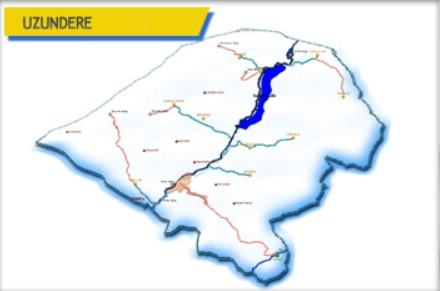
Uzundere is located in the northeastern part of Erzurum Province, situated at the boundary between the Eastern Anatolia Region and the Eastern Black Sea Region. It borders Oltu to the east, İspir to the west, Yusufeli to the north, and Tortum to the south. The district center is established at the base of the Tortum Çayı valley. Due to its topographical position, microclimatic climate characteristics are observed; the lower parts of the valley exhibit influences of the Black Sea climate.
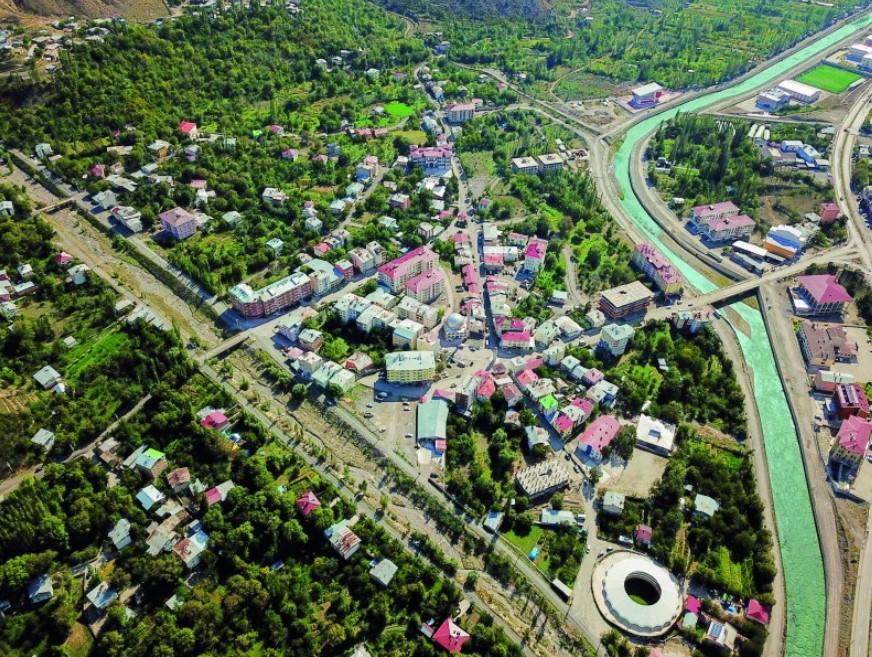
Uzundere(Uzundere Municipality)
Uzundere has a history of approximately 3,000 years. Throughout its historical development, the area came under the rule of the Hittites, Scythians, Saka, Persians, Choruh Bulgars, Eastern Romans, Suvars, Abbasids, Sassanids, the Bagratid State of Ardahan-Artvin, the Kingdom of Vaspurakan, Seljuks, Atabegs, Mongols, Kara Koyunlu, and Ak Koyunlu. It was finally incorporated into Ottoman territories during the reign of Kanuni Sultan Süleyman.
In the 1883 Erzurum Vilayet Salnamesi, the head of the Uzundere nahiye is recorded as Şerif Ağa. During World War I, due to Russian occupation, the local population migrated to western Anatolian provinces in 1916. This period is referred to as “muhacirlik.” Uzundere district was liberated from occupation by the Turkish army on 16 March 1918.
Previously a sub-district center under Tortum district, Uzundere attained district status following an administrative reorganization in 1987.
Uzundere lies along the Erzurum-Artvin highway within the Tortum Çayı valley. It is 84 kilometers from Erzurum. Its elevation is 1,050 meters above sea level and its area is 840 km². Tortum Lake, with an area of 6,625,000 m², lies within the district boundaries. The lake is 10,800 meters long, 600–1,000 meters wide, 40–50 meters deep, and situated at an elevation of 1,027 meters. The Tortum Waterfall, also located within the district boundaries, is 22 meters wide and 50 meters high.
Important mountains in the district include Ziyaret Tepe (2,755 m), Tav Dağı (2,244 m), Murat Tepe (2,234 m), Kıllı Dağ (2,530 m), Hergavur Dağı (2,835 m), Ak Dağlar (3,030 m), and Mescit Sıradağları (3,238 m). The Tortum Çayı, which joins with the Oltu Çayı and İspir Suyu, flows into the Çoruh River and eventually empties into the Black Sea.
The climate is generally of the Eastern Black Sea type. Rainfall is heaviest in spring and autumn. The average temperature is 8°C and the annual average precipitation is 435 mm. Tree species found in the district include pine, oak, fir, juniper, black poplar, poplar, and linden. Due to microclimatic effects within the valleys, a variety of fruits and vegetables are cultivated, excluding citrus.
According to the Turkish Statistical Institute’s (TÜİK) 2024 Address-Based Population Registration System (ADNKS) data, Uzundere’s population is 7,664. In 2017, the population was 7,598 and in 2000 it was 12,209. Between 2023 and 2024, the population changed by -0.5%. The majority of the population resides in rural areas. Mobility is observed in the district center due to tourism-related activities. The age structure shows a notable concentration of elderly residents, while the proportion of young people has also increased.
The economy of Uzundere is based on agriculture and animal husbandry. Small enterprises produce fruit orchards, cereal crops, organic honey, mulberry molasses, pestil, and köme. In recent years, beekeeping activities have increased.
Uzundere serves as a transitional point between Black Sea culture and other regional traditions. Georgian architectural influences are evident. Folklore, folk dances, and culinary culture are diverse. Local folk dances include Uzundere Barı.
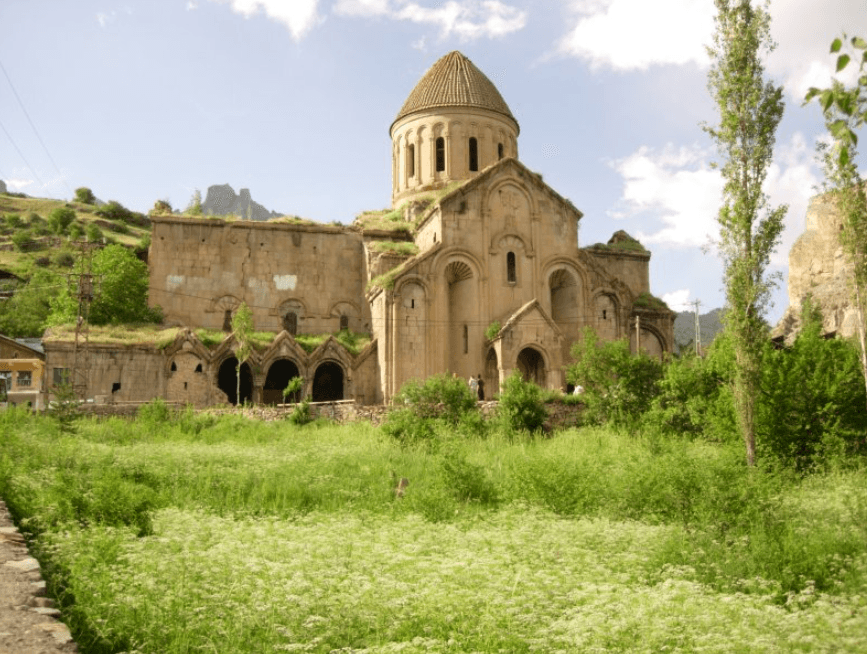
Öşvank Church(Uzundere Municipality)
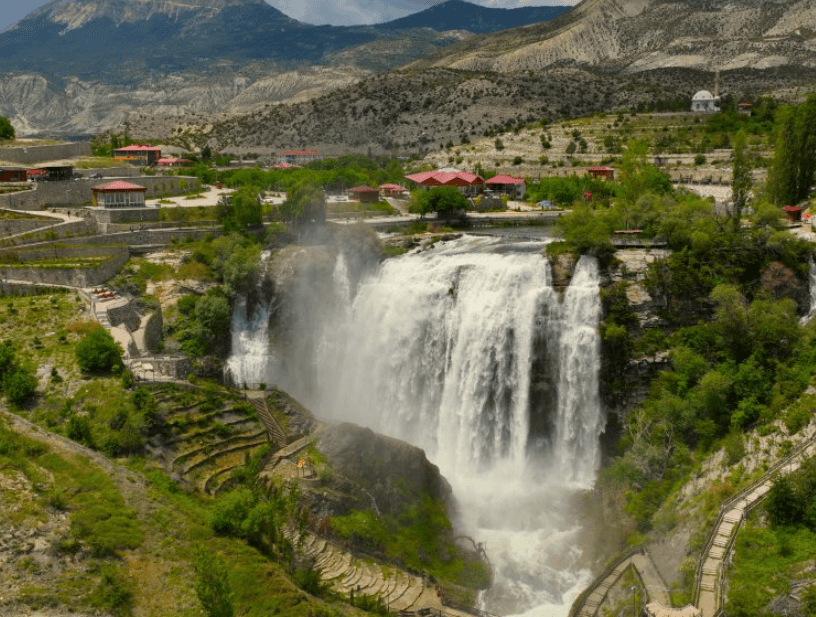
Tortum WaterfallUzundere Municipality
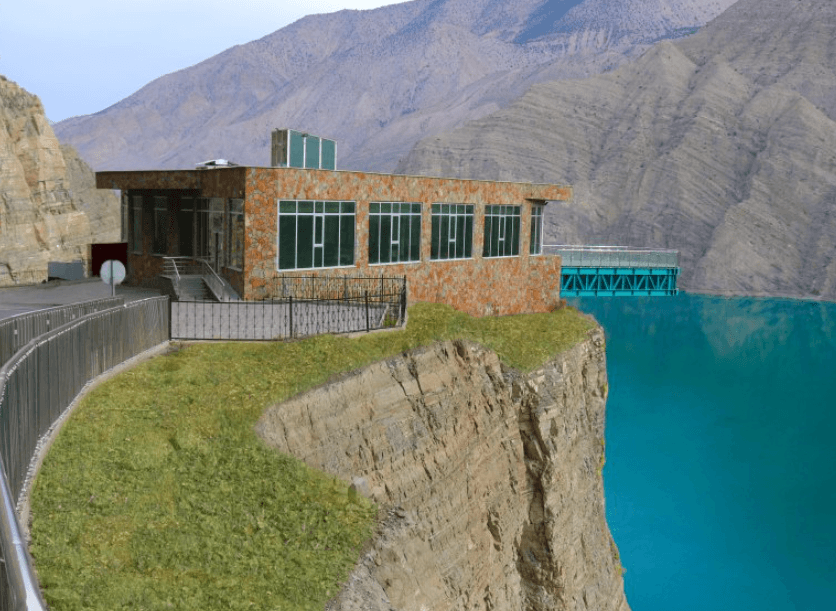
Cam Seyir TerasıUzundere Municipality)
Erzurum Büyükşehir Municipality. "Uzundere İlçesi." Accessed April 20, 2025. Link
Ministry of Culture and Tourism. "Uzundere." Accessed April 20, 2025. Link
Türkiye Turizm Ansiklopedisi. "Uzundere." Accessed April 20, 2025. Link
Türkiye İstatistik Institute (TÜİK). "Adrese Dayalı Nüfus Kayıt Sistemi (ADNKS) Verileri – 2024." Accessed April 20, 2025. Link
Türkiye İstatistik Institute (TÜİK). "Coğrafi İstatistik Portalı." Accessed April 20, 2025. Link
Uzundere Belediyesi. "Galeri." Accessed April 20, 2025. Link
Uzundere Kaymakamlığı. "İlçemizin Tarihi." Accessed April 20, 2025. Link
Uzundere Valiliği. "Uzundere." Accessed April 20, 2025. Link

No Discussion Added Yet
Start discussion for "Uzundere (District)" article
History
Geography
Population
Economy
Tourism and Culture
Historical and Natural Sites