



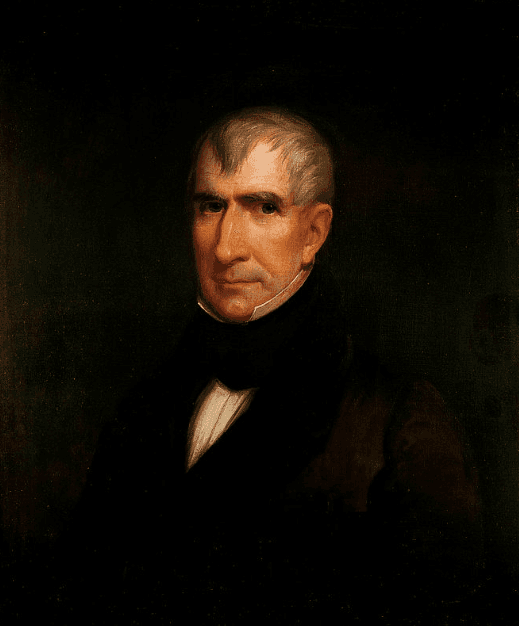
William Henry Harrison
Eş | Anna Harrison | ||||||||
|---|---|---|---|---|---|---|---|---|---|
Date of Birth | 9 February 1773 | ||||||||
Place of Birth | Berkeley Plantation, Charles City County, Virginia | ||||||||
Date of Death | 4 April 1841 | ||||||||
Place of Death | White House, Washington, D.C. | ||||||||
Presidential Order | 9th President of the United States | ||||||||
Nickname(s) | Old Tippecanoe | ||||||||
Çocuk | Benjamin Harrison Elizabeth Bassett Harrison John Cleves Symmes Harrison Lucy Singleton James Findlay Harrison William Henry Harrison Jr. Mary Symmes Harrison Anna Tuthill Harrison Taylor John Scott Harrison | ||||||||
William Henry Harrison assumed office as the ninth president of the United States on March 4, 1841. However, only 32 days later, on April 4, 1841, he died, making him the president with the shortest term in office. Harrison is described as a military figure emblematic of the expansionist era of the young American Republic, an implementer of land policies, and a symbol of a period in which political communication methods were transforming.
William Henry Harrison was born on February 9, 1773, at Berkeley Plantation in Virginia. His father, Benjamin Harrison V, was one of the signers of the Declaration of Independence and served as Governor of Virginia from 1781 to 1784. He received a classical and historical education at Hampden-Sydney College and later pursued medical studies. However, following his father’s death, he abandoned his education and joined the army in 1791.
After joining the United States Army, Harrison served as an aide to General Anthony Wayne and gained recognition for his bravery at the Battle of Fallen Timbers in 1794. This victory played a key role in opening the Ohio Valley to settlement. In 1795, he participated in the negotiations of the Treaty of Greenville. That same year, he married Anna Tuthill Symmes.
In 1798, Harrison resigned from the army and was appointed secretary of the Northwest Territory, followed by election as its first congressional delegate. In 1800, he was appointed governor of the Indiana Territory, a position he held for twelve years. His primary duty was securing land from Native American tribes, during which numerous treaties transferring land rights were signed.
Relations with Native American tribes deteriorated after the 1809 Treaty of Fort Wayne. In response to the growing Native resistance led by Tecumseh and his brother Tenskwatawa, Harrison launched a campaign near the Tippecanoe River in 1811. The Battle of Tippecanoe on November 7, 1811, resulted in a victory for Harrison’s forces, though at heavy cost. This victory elevated Harrison to hero status in public opinion and earned him the nickname “Old Tippecanoe.”
During the War of 1812, Harrison was appointed commander of the Northwest Army. In 1813, he defeated the British-Native alliance at the Battle of the Thames, resulting in the death of Tecumseh. This victory effectively ended Native resistance in the region.
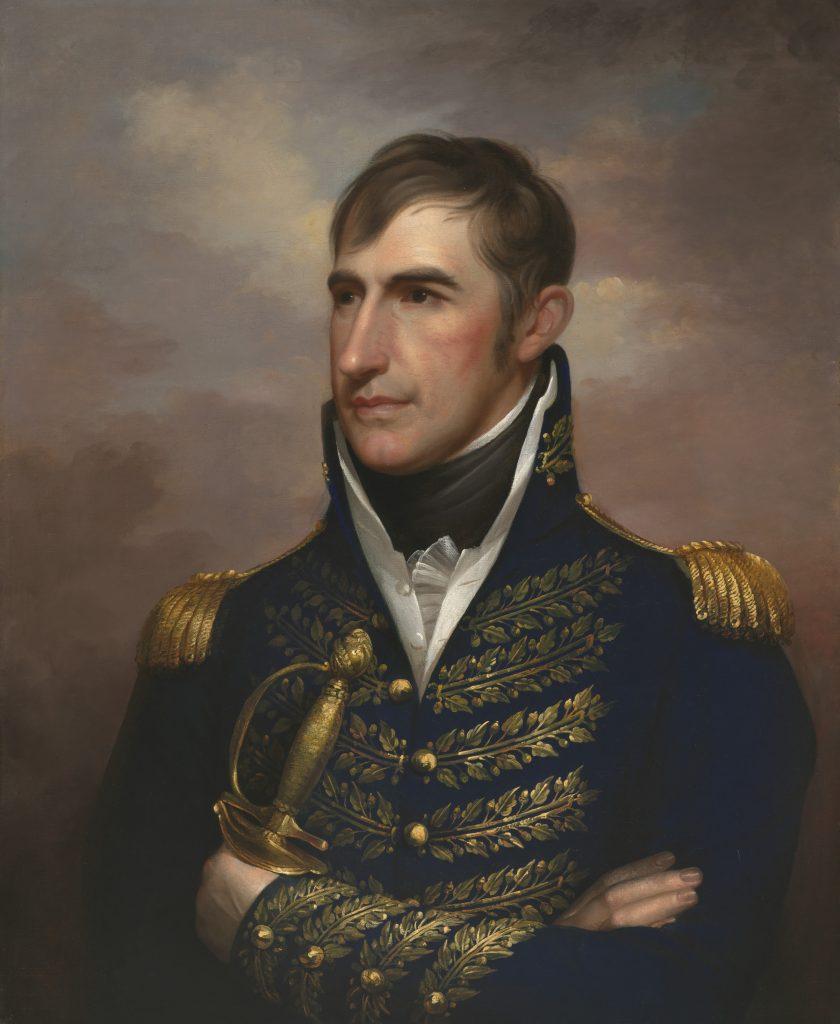
William Henry Harrison (Encyclopedia Virginia)
After the war, Harrison was elected to the Ohio House of Representatives (1816–1819) and later to the Ohio State Senate (1819–1821). He served in the United States Senate from 1825 to 1828 and was appointed U.S. minister to Colombia from 1828 to 1829. However, his political ambitions were sometimes met with failure, and several of his applications for federal positions were rejected.
In the 1830s, Harrison held low-profile public offices in Ohio and engaged in agricultural activities. During this period, he faced financial difficulties and lived with his family on a modest farm in North Bend.
On March 4, 1841, the day he assumed office, William Henry Harrison delivered the longest inaugural address in U.S. history, consisting of 8,445 words. He fell ill shortly afterward, likely due to pneumonia and possibly a waterborne infection, and died on April 4, 1841. Thus, he became the first U.S. president to die in office, with a presidential term lasting only 32 days.
Battlefields.org. "William Henry Harrison." Accessed May 24, 2025. https://www.battlefields.org/learn/biographies/william-henry-harrison
Encyclopedia Virginia. “William Henry Harrison (1773–1841).” Accessed May 24, 2025. https://encyclopediavirginia.org/entries/william-henry-harrison-1773-1841/
Library of Congress. “William Henry Harrison Timeline.” Accessed May 24, 2025. https://www.loc.gov/collections/william-henry-harrison-papers
Miller Center, University of Virginia. “William Henry Harrison: Life Before the Presidency.” Accessed May 24, 2025. https://millercenter.org/president/harrison/life-before-the-presidency
National Park Service. “William Henry Harrison.” Accessed May 24, 2025. https://www.nps.gov/people/william-henry-harrison.htm
Presidential Pet Museum. “William Henry Harrison Biography.” Accessed May 24, 2025. https://www.presidentialpetmuseum.com/presidents/09wh/
White House History. "William Henry Harrison." Accessed May 24, 2025. https://www.whitehousehistory.org/bios/william-henry-harrison

William Henry Harrison
Eş | Anna Harrison | ||||||||
|---|---|---|---|---|---|---|---|---|---|
Date of Birth | 9 February 1773 | ||||||||
Place of Birth | Berkeley Plantation, Charles City County, Virginia | ||||||||
Date of Death | 4 April 1841 | ||||||||
Place of Death | White House, Washington, D.C. | ||||||||
Presidential Order | 9th President of the United States | ||||||||
Nickname(s) | Old Tippecanoe | ||||||||
Çocuk | Benjamin Harrison Elizabeth Bassett Harrison John Cleves Symmes Harrison Lucy Singleton James Findlay Harrison William Henry Harrison Jr. Mary Symmes Harrison Anna Tuthill Harrison Taylor John Scott Harrison | ||||||||
No Discussion Added Yet
Start discussion for "William Henry Harrison" article
Early Life and Education
Military Career and Activities in the Northwest Territory
Tippecanoe Battle and the War of 1812
Political Career and Retirement
Presidency and Death