+2 More


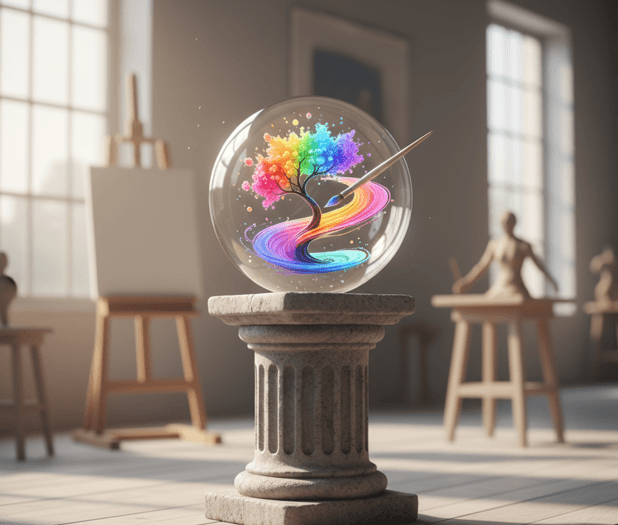
World Art Day (Generated by Artificial Intelligence.)
World Art Day is an international day celebrated annually on April 15, aimed at promoting the development and dissemination of art and emphasizing its value in social life. The day highlights the role of art in supporting creativity, cultural diversity, knowledge sharing, and social dialogue. Through this day, UNESCO seeks to promote the importance of artistic expression among artists, cultural professionals, and societies.

Art (Anadolu Ajansı)
World Art Day was officially proclaimed by UNESCO’s 40th General Conference in 2019. This decision was made following the review of document 40 C/65. The resolution recognized the importance of art in the dissemination of knowledge, in fostering creativity, innovation, and cultural diversity, and emphasized the necessity of supporting the development of art to achieve a more advanced, free, and peaceful world.【1】
Within this framework, the UNESCO General Conference designated April 15 as World Art Day and authorized the Director-General to encourage member states and civil society organizations to organize events promoting the value of art. These activities aim to disseminate knowledge about art and make the work and conditions of artists visible.
The main purpose of World Art Day is to highlight the impact of art on social life, education, and cultural diversity. Art nurtures creativity and innovation, encourages knowledge sharing among different cultures, and strengthens social dialogue. UNESCO supports the central role of art in education and teaching processes, aiming to develop students’ emotional intelligence, critical thinking, and creativity skills. Furthermore, fostering an early awareness of valuing differences is addressed within this framework.
The role of art in social and urban life is supported through the UNESCO Creative Cities Network. More than 350 creative cities in over 100 countries promote culture and art in fields such as crafts, digital arts, design, film, gastronomy, literature, and music, thereby contributing to societal development.
UNESCO undertakes efforts to preserve cultural heritage and artistic expressions. The Representative List of the Intangible Cultural Heritage of Humanity includes 730 cultural elements from 145 countries, with 55 new elements added in 2023. These efforts aim to transmit cultural values to future generations and enable their renewal and reinterpretation.
Protecting art during crises and emergencies is also a priority for UNESCO. The UNESCO-Aschberg Programme for Artists and Cultural Professionals is designed to safeguard the status and livelihoods of artists and cultural professionals. Within this framework, issues related to the protection of art are raised on international platforms and supported through practical measures.
World Art Day emphasizes the power of art to unite, inspire, heal, and share within societies. During the pandemic and other international crises, art has functioned to strengthen social bonds and promote solidarity. UNESCO’s art collection, which includes over 1,800 pieces featuring works by artists such as Mircea Cantor, demonstrates art’s influence beyond time and space.
World Art Day is celebrated through a variety of activities, including discussions, conferences, workshops, cultural events, exhibitions, and presentations. These activities aim to highlight art’s contributions to social life, sustainable development, and cultural diversity. UNESCO encourages individuals and communities worldwide to participate in these events, thereby emphasizing art’s unifying and transformative role.
[1]
UNESCO. “Genel Konferans Kültür Komisyonu (CLT) Raporu 40 C/92” [General Conference Culture Commission (CLT) Report 40 C/92]. UNESCO Türkiye. Accessed October 24, 2025. https://www.unesco.org.tr/Home/Page/1708?slug=K%C3%9CLT%C3%9CR%20KOM%C4%B0SYONU%20(CLT)%20RAPORU%20

World Art Day (Generated by Artificial Intelligence.)
History
Purpose and Significance
Cultural Heritage and Preservation of Art
Social Impact of Art
Celebration and Activities
This article was created with the support of artificial intelligence.