


This article was automatically translated from the original Turkish version.
+2 More
Parkinson's disease is a neurological disorder characterized by chronic and progressive feature. Tremor, case rigidity, bradykinesia, and balance disturbances are among the motor symptoms. It can also present with non-motor symptoms such as like cognitive impairments, time mood disorders, depression sleep disturbances, and autonomic nervous system dysfunctions. Disease is more common in older individuals, common but can also occur at younger ages. This Parkinson disease directly impacts the quality of life of those affected and is considered a global public health concern society important.
Statement regarding Parkinson's Day. (Ministry of Health of the Republic of Türkiye)
In this context, April 11 each year is observed as “World Parkinson’s Day” to raise social awareness about the disease and strengthen public understanding of early diagnosis and treatment. The date was chosen because it marks the birthday of British physician James Parkinson, who first systematically described the disease. Activities led by national and international health organizations and civil society groups aim to facilitate scientific information transfer, support patients and their families, and increase societal sensitivity toward the condition.
Parkinson’s disease was first systematically described in 1817 by British physician James Parkinson within neurological classifications. In his work “An Essay on the Shaking Palsy” (On), Parkinson highlighted involuntary muscle tremors, rigidity, and bradykinesia, arguing that these symptoms formed a distinct clinical painting. This work laid the foundational framework for the disease’s diagnostic criteria.
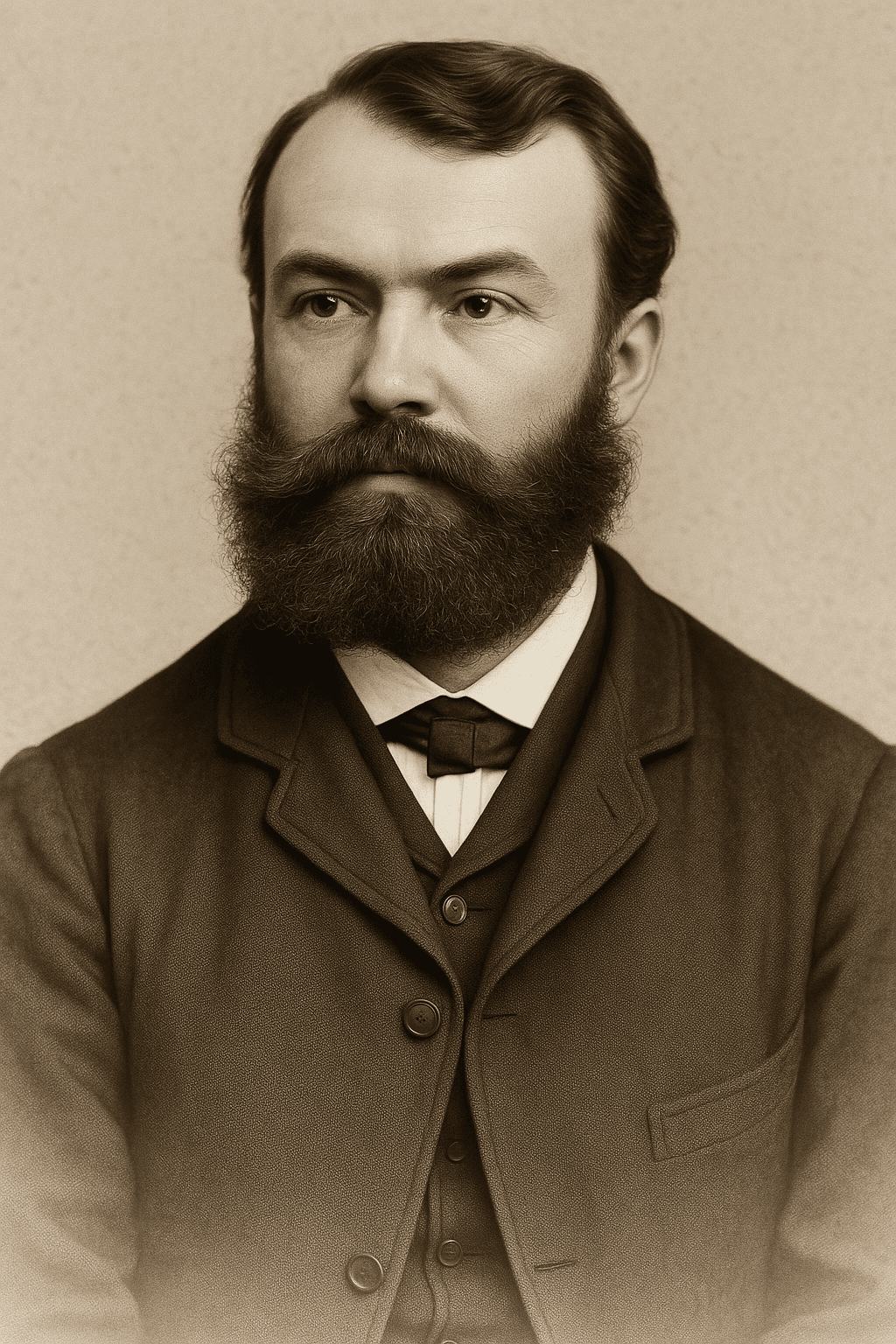
Dr. James Parkinson. (Image generated by artificial intelligence).
James Parkinson’s observations were further developed in subsequent years by French neurologist Jean-Martin Charcot, after which the disease began to be named after its describer. From the late 19th century onward, Parkinson’s disease acquired a distinctive location among neurodegenerative disorders and became one of the core clinical neurology disciplines. During this period, knowledge of its pathophysiology expanded, particularly regarding the scientific link between the loss of dopaminergic neurons in the basal ganglia and motor symptoms.
In the 20th century, significant advances occurred in diagnostic methods, treatment approaches, and societal awareness responses to Parkinson’s disease. These developments paved the way for viewing Parkinson’s not merely as an individual health issue but as a neurological situation requiring attention at social and global levels.
World Parkinson’s Day was established to increase social awareness about Parkinson’s disease and draw attention to scientific, social, and health-related initiatives in this field. The selection of April 11 is primarily due to the birth date of British physician James Parkinson, who first clinically described the disease in 1817. This historical reference reinforces the day’s significance by anchoring it in the disease’s scientific history.
The adoption of April 11 as an international awareness day is the result of global efforts to develop awareness of Parkinson’s disease. It is evident that international organizations such as the World Health Organization (WHO) and the European Parkinson’s Disease Association (EPDA) have contributed to this process. This day, embraced by health authorities and civil society structures in various countries, has gradually evolved into a global platform for awareness.
Statement and interview regarding Parkinson’s Day (BucksHospitals)
The primary goal of activities held on World Parkinson’s Day is to inform the public about the disease’s symptoms, treatment options, and its impact on daily life, while encouraging visibility for patients and their families and motivating stakeholders to take more inclusive steps in this field. April 11 is therefore not merely a symbolic date but is regarded as an expression of global sensitivity toward Parkinson’s disease.
In Türkiye, awareness campaigns on World Parkinson’s Day have gained consistent visibility since the 2000s. During this period, seminars, press public statements, people informational meetings, and social media campaigns have been organized under the leadership of various universities, health institutions, and professional associations. These activities are designed to enhance the knowledge of both the medical community and the general public regarding Parkinson’s disease.
The Turkish Neurology Society issues annual press statements on April 11, World Parkinson’s Day, aiming to inform the public about diagnosis, treatment, and quality of life issues related to Parkinson’s disease. In its 2024 statement, the Society emphasized the need to increase awareness and stressed the responsibility to “do more.” These statements highlight that Parkinson’s disease is not merely a concern for elderly individuals but a holistic public health issue affecting society as a whole.
Statement regarding Parkinson's Day. (İzmir Provincial Health)
Universities are among the key institutions organizing events on World Parkinson’s Day. The Yozgat Bozok University Health Practice and Research Center conducted an informational program on April 11, 2024, targeting patients and their families. Similarly, the Faculty of Medicine at Akdeniz University (DAÜ) brought to the forefront the clinical features of Parkinson’s disease, coping strategies, and the importance of raising public awareness through seminars aimed at students.
In this context, it is observed that World Parkinson’s Day activities in Türkiye serve a multidimensional function, contributing both to scientific content production and to the development of societal sensitivity.
Awareness activities conducted on World Parkinson’s Day aim to improve public understanding of the disease and enhance the social visibility of individuals living with Parkinson’s. The content and scope of events vary according to the organizing institutions, with different levels of information strategies developed for healthcare professionals, family members, and the general public.
In Türkiye, activities held during the week of April 11 include informative seminars, panels and conferences, open-air events, walking campaigns, media interviews, and social media campaigns. Turkish Neurology Society’s press releases share fundamental information about the disease and emphasize the importance of early diagnosis. The Society also provides recommendations regarding access to treatment, multidisciplinary approaches, and improving patient quality of life.
An event related to World Parkinson's Disease Day. (PHD)
Universities, within this framework, organize both academic events to raise awareness among health students and public awareness programs. Higher education institutions such as Eastern Mediterranean University and Yozgat Bozok University have conducted informational meetings and educational presentations addressing Parkinson’s disease from clinical, social, and psychological perspectives. Issues such as patient rights, care processes, and social support mechanisms have also been discussed in these events.
In addition, publicly accessible awareness walks organized in collaboration with civil society organizations and local administrations, visual campaigns using symbols such as the red tulip, and sharing chains on digital platforms contribute significantly to the visibility of these activities.
Living with Parkinson’s disease directly affects not only individuals’ physical health but also their social relationships, psychological well-being, and daily functioning capabilities. The progressive nature of the disease can lead to declining movement abilities, loss of independence, and social isolation over time. This situation brings with it not only medical needs but also social and psychological support requirements.
Parkinson from a patient’s perspective. (NTV)
Among the challenges faced by Parkinson’s patients are physical limitations caused by motor symptoms as well as prejudices stemming from public ignorance about the disease. Awareness days provide a functional platform for addressing these prejudices and increasing the visibility of the condition. In statements by the Turkish Neurology Society, the importance of understanding the daily difficulties experienced by patients and their families and the value of social support are underscored.
In some events held on World Parkinson’s Day, direct inclusion of patients’ and caregivers’ lived experiences facilitates the public transmission of this perspective. Particularly in awareness meetings organized within universities, patient narratives and personal stories are used to highlight the multidimensional impacts of living with Parkinson’s. Such content aims not only to convey academic knowledge but also to foster an empathetic societal approach.
The symbols and annual themes used on World Parkinson’s Day aim to increase social awareness of the disease and sustain public interest. The most widely used visual symbol is the red tulip. The red tulip was symbolized based on a special tulip variety developed in the 1980s in honor of a Dutch Parkinson’s patient. Over time, this flower became the international symbol of awareness activities.
Symbol of the Parkinson's Disease Association.
Beyond symbolic use, annual themes structure the communication language and priority messages of the awareness day. The theme adopted by the Turkish Neurology Society for 2024 is “Time to Do More.” This theme underscores the need to intensify efforts toward Parkinson’s disease at both individual and institutional levels. Theme selections serve to shape awareness priorities in health policy, scientific research, patient care, and social support domains.
In digital awareness campaigns, these themes are shared across social media platforms alongside various visuals. Infographics, short videos, and interactive content are employed to attract public interest and improve access to information. In this regard, symbols and themes are not merely aesthetic vehicle; they are strategic strategic elements that guide the discourse surrounding the disease.
World Parkinson’s Day awareness initiatives do not merely involve sharing existing knowledge; they also contribute to setting scientific, social, and political goals for the future. In particular, better understanding the neurobiological mechanisms of the disease and developing early diagnosis and treatment options remain central focuses of current research. In this context, pharmacological and biotechnological efforts aimed at slowing or halting neurodegenerative processes hold significant potential to shape health policies in the coming years.
Statements made on the occasion of World Parkinson’s Day frequently emphasize the need to expand patient-centered care models and strengthen multidisciplinary health services. The Turkish Neurology Society’s 2024 report includes not only a call for individual awareness but also a structural transformation appeal. Within this framework, strengthening social support networks for patients, increasing public education initiatives, and ensuring accessibility of Parkinson-specific services within healthcare systems are highlighted as essential.
At the societal level, facilitating access to accurate information about Parkinson’s disease, reducing prejudices, and protecting patient rights are key objectives. Awareness days, in this context, are not merely symbolic commemorations; they are viewed as promising long commitments and action calls to action regarding the social dimensions of Parkinson’s disease. Every such contribution helps create a protective awareness environment not only for current patients but also for individuals who have not yet encountered the disease.
Audiovisual Sources
Buckshospitals. "World Parkinson's Day 2023." YouTube. Accessed April 11, 2025. https://www.youtube.com/watch?v=qPhj4PLFanI.
Eastern Mediterranean University. "DAÜ Dr. Fazıl Küçük Faculty of Medicine Statement on April 11 Parkinson’s Disease Awareness Day." Eastern Mediterranean University, April 11, 2024. https://www.emu.edu.tr/tr/haberler/haberler/dau-dr-fazil-kucuk-tip-fakultesinden-11-nisan-parkinson-hastaligi-farkindalik-gunu-yazisi/1206/pid/3655.
Erciyes Üniversitesi Faculty of Medicine. "ERÜ Tıp Fakültesi Nöroloji AD’dan 11 Nisan Dünya Parkinson Günü Açıklaması." Erciyes University Hospitals, April 11, 2023. https://hastaneler.erciyes.edu.tr/tr/haber-detay/eru-tip-fakultesi-noroloji-ad-dan-11-nisan-dunya-parkinson-gunu-aciklamasi/b08b4b4a-33d8-ed11-811e-005056bd5b5f.
Gaziosmanpaşa Hastanesi. "Fadime Bilmez'in Parkinson Hastalığı ile Mücadelesi." YouTube. Accessed April 11, 2025. https://www.youtube.com/watch?v=iWHWe2je3Pg.
General Directorate of Public Health. "World Parkinson’s Day." T.C. Sağlık Bakanlığı, April 11, 2022. https://hsgm.saglik.gov.tr/tr/haberler/dunya-parkinson-gunu.html.
NTV. "35 yaşında Parkinson hastalığına yakalandı." YouTube. Accessed April 11, 2025. https://www.youtube.com/watch?v=pj462DEg3bE.
Parkinson Hastalığı Association. "WORLD PARKINSON’S DISEASE DAY." YouTube. Accessed April 11, 2025. https://www.youtube.com/watch?v=-NdxyZPSCKA.
Parkinson's Europe. “World Parkinson’s Day: A Brief History.” *Parkinson’s Europe*, 2023. https://parkinsonseurope.org/campaigns/world-parkinsons-day/world-parkinsons-day-a-brief-history.
Research Works
T.C. Ministry of Health. "11 Nisan Dünya Parkinson Günü." YouTube. Accessed April 11, 2025. https://www.youtube.com/watch?v=_GfE9CGlwv8.
Turk Nöroloji Derneği. "11 Nisan Dünya Parkinson Günü Basın Açıklaması." Turk Nöroloji Derneği, 2023. https://noroloji.org.tr/haber/1522/11-nisan-dunya-parkinson-gunu-basin-aciklamasi.
Türkiye Parkinson Disease Association Official Website. Accessed April 11, 2025. https://www.turkiyeparkinsonhastaligidernegi.com/.
Türkiye Parkinson Disease Association. "World Parkinson’s Day." Türkiye Parkinson Disease Association, 2024. https://www.turkiyeparkinsonhastaligidernegi.com/dunya-parkinson-gunu.
World Parkinson’s Day. "World Parkinson’s Day Official Website." World Parkinson’s Day, 2024. https://worldparkinsonsday.com.
Yozgat Bozok University Hospital. "11 Nisan Dünya Parkinson Günü." Yozgat BozokÜniversitesi Sağlık Uygulama ve Araştırma Merkezi, 2024. https://hastane.bozok.edu.tr/sayfa/11-nisan-dunya-parkinson-gunu%2Ctr-332.aspx.
İzmir İl Sağlık Müdürlüğü. "11 Nisan Dünya Parkinson Hastalığı Günü." YouTube. Accessed April 11, 2025. https://www.youtube.com/watch?v=0UCYtu5zf6g.
“11 April World Parkinson’s Day: It’s Time to Do More.” *Türk Nöroloji Derneği*, 2018. https://noroloji.org.tr/haber/380/11-nisan-dunya-parkinson-gunu-daha-fazlasini-yapma-zamani.
“We Are with Parkinson’s Patients Through the Healing Power of Art and Movement.” *Türkiye Parkinson Hastalığı Derneği*, 2024. https://www.turkiyeparkinsonhastaligidernegi.com/dunya-parkinson-gunu-2024.

No Discussion Added Yet
Start discussion for "World Parkinson's Day" article
History of Parkinson’s Disease
Origins of World Parkinson’s Day
World Parkinson’s Day in Türkiye
Awareness Activities and Events
Living with Parkinson’s: Patient Perspectives
Symbols and Themes
Looking Ahead: Research, Policy, and Society