 Recently Added:
This article was automatically translated from the original Turkish version.
2026 United States-Iran Accord (US-Iran Peace Agreement) is a formal agreement reached between the United States of America (USA) and the Islamic Republic of Iran to end a war lasting over 100 days and to reopen the Strait of Hormuz. The agreement was announced by US President Donald Trump on 14 June 2026 and confirmed by Pakistan Prime Minister Shahbaz Sharif and Iranian Deputy Foreign Minister Kazem Gharibabadi.
The accord envisages the reopening of the Strait of Hormuz, the lifting of the US naval blockade on Iranian ports, the immediate and permanent cessation of all military operations on all fronts including Lebanon, and the resumption of negotiations regarding Iran’s nuclear program. The official signing ceremony is scheduled to take place on 19 June 2026 in Switzerland.
It has been stated that the accord does not constitute a final agreement on nuclear issues but rather serves as a framework to extend the ceasefire and establish a 60-day negotiation period. Iran has indicated that negotiations on a final agreement will only commence after the United States fulfills all its commitments under the accord.
The conclusion of the agreement was first announced by Pakistan Prime Minister Shahbaz Sharif, who mediated indirect talks between Tehran and Washington. In a social media post, Sharif said, “We are pleased to announce that a peace agreement has been reached between the United States and Iran following intensive negotiations.”
Sharif confirmed that both sides had declared the immediate and permanent cessation of all military operations on all fronts including Lebanon and announced that the official signing ceremony would be held on 19 June in Switzerland.
US President Donald Trump subsequently confirmed the completion of the agreement in a post on Truth Social. In his statement, Trump said, “Congratulations to everyone. I fully endorse the free and immediate opening of the Strait of Hormuz and the immediate lifting of the US Navy blockade. Ships of the world, start your engines. Let the oil flow.”
In a second post, Trump emphasized that the agreement would bring peace and security to the region, stating, “Many presidents have tried to make peace with Iran and all failed before me. Regional leaders have finally found a president who can help them achieve real peace.” Trump also stated that with the signing of the agreement on 19 June, the Strait of Hormuz would reopen and oil would resume flowing for the region and the world following mine clearance.
Trump announced the agreement on his 80th birthday according to US time; a US official noted that Tehran had requested the announcement be made before midnight Iran time, which coincided with Trump’s birthday. US Secretary of State Marco Rubio congratulated Trump on the coincidence of the announcement with his birthday.
According to Iran’s Mehr News Agency, the draft agreement consists of 14 articles. It includes the immediate and permanent cessation of hostilities on all fronts including Lebanon, the complete lifting of the naval blockade within 30 days, a commitment by the United States to withdraw its forces from around Iran, and the reopening of the Strait of Hormuz.
The draft also provides for the suspension of sanctions on oil sales, the achievement of a final agreement on nuclear issues within 60 days after the signing of the accord, and the release of $24 billion in frozen Iranian assets during the 60-day negotiation period. Mehr reported that final negotiations would not begin until half of Iran’s frozen assets were released and restrictions affecting the Strait of Hormuz were lifted. The same source stated that discussions regarding Iran’s missile program and its support for resistance groups had been removed from the negotiation agenda. Al Jazeera noted that it could not independently verify the details reported by Mehr.
According to Axios, the agreement requires the United States and Iran to negotiate within the 60-day period on Iran’s uranium enrichment and the disposal of highly enriched uranium. It is noted that the United States will discuss the easing of sanctions and the release of frozen Iranian funds, with these steps contingent upon Tehran’s compliance.
Iranian Deputy Foreign Minister Gharibabadi also noted that within the 60-day period following the signing of the agreement, negotiations would cover sanctions, the nuclear program, and an economic development mechanism. Gharibabadi stated that all of Iran’s key positions were included in the text and that the agreement would be made public before the signing ceremony on 19 June. According to Al Jazeera, based on unverified details shared by international parties, the agreement appears to largely restore the pre-war status quo.
In his initial announcement on 14 June 2026, Trump affirmed the free (toll-free) reopening of the Strait of Hormuz and the lifting of the US naval blockade. In a subsequent statement on the same day, he stated that the reopening of this waterway, through which approximately one-fifth of the world’s oil passes, is contingent upon the agreement to be signed on 19 June and will be carried out “for mine clearance purposes”.
It was noted that Sharif made no specific reference to the strait in his initial announcement. Iran’s Mehr News Agency reported that the accord envisages the reopening of the strait within 30 days “under Iranian regulations.” The United States is reported to consider any fee-based regulation of shipping in the strait unacceptable.
It is assessed that the reopening of the strait will not occur immediately; the processes of mine clearance, infrastructure repair, and security establishment may take time before shipping volumes return to pre-war levels.
It has been noted that the agreement does not resolve the future of Iran’s nuclear program. Trump reiterated his statement that “Iran will never acquire nuclear weapons”; Pakistani officials confirmed that nuclear talks would last 60 days. Trump stated that if Tehran fails to reach a nuclear agreement, the United States could resume military operations..
The group known as E4, comprising the United Kingdom, France, Germany and Italy, stated in a joint declaration that it is prepared to lift relevant sanctions in return for clear and verifiable steps by Iran regarding its nuclear program.
President Recep Tayyip Erdoğan, in a social media post, said, “We view the agreement reached between the United States and Iran as a significant development toward establishing peace and calm in our region and welcome it with satisfaction.”
Erdoğan emphasized the need to avoid inflammatory rhetoric, provocations, and actions that could escalate tensions before the signing and to remain vigilant against possible sabotage. He thanked Pakistan for its mediation efforts and expressed appreciation for the diplomatic support provided by Qatar and Saudi Arabia.
Foreign Minister Hakan Fidan, in a social media post, said, “We welcome the agreement reached to end the war between the United States and Iran. This agreement constitutes an important milestone on the path toward establishing lasting peace and stability in the region.”
Fidan assessed that it is of great importance for all relevant countries to demonstrate prudent and responsible conduct to prevent attempts to sabotage the agreement and to preserve regional peace and security. He noted that Türkiye, under the leadership of President Erdoğan, has supported the process from its inception.
Presidential Communications Director Burhanettin Duran also stated in his post that they welcomed the understanding reached between the United States and Iran and expressed hope that the agreement would contribute to lasting peace.
The Qatari Ministry of Foreign Affairs expressed its satisfaction at the agreement reached between the United States and Iran on a framework to address unresolved issues between the two countries. The statement emphasized that the accord, particularly in guaranteeing freedom of navigation in the Strait of Hormuz, represents an important step toward strengthening lasting peace and supporting regional and global economic growth. Qatar stated that the agreement would create new opportunities for cooperation, development, and prosperity in the region and serve the shared interests of its people.
UN Secretary-General António Guterres expressed his satisfaction at the agreement reached by the United States and Iran on an immediate and permanent ceasefire, the reopening of the Strait of Hormuz, and a framework for further negotiations. The statement expressed deep appreciation for the constructive role played by Pakistan, Qatar, Egypt, Saudi Arabia, Türkiye and other regional countries in supporting the negotiations.[73]
UK Prime Minister Keir Starmer, in a written statement, said, “I welcome the agreement reached today between the United States and Iran. This is a very important step toward ending the war, securing regional stability, and reopening the Strait of Hormuz.”
Starmer congratulated mediators such as Pakistan and Oman and other parties contributing to the resolution. He stated that the United Kingdom is ready to provide full support for technical talks and is leading efforts with France to establish an international security force for the transition. Starmer also emphasized the importance of Iran fully implementing its commitments regarding its nuclear program and reiterated that Iran must never acquire nuclear weapons.
French President Emmanuel Macron welcomed the agreement in a social media post and called for its rapid and complete implementation by all parties. Macron stated that the agreement must enable the immediate and unconditional reopening of the Strait of Hormuz and confirmed that the international mission established with the United Kingdom is prepared to support this process. Macron also noted that France will continue to fully support the Lebanese authorities in their efforts to reestablish state sovereignty.
US Vice President JD Vance said the ceasefire agreement could launch a “new era” in the Middle East and praised Trump for the accord. Vance stated that it can be confidently said that Iran will never acquire nuclear weapons, expressed hope for lower energy prices, and confirmed his plan to attend the signing ceremony in Switzerland next week.
US Permanent Representative to the UN Mike Waltz, when asked for details on the potential accord, stated that further details would be reserved for future negotiations. Republican Senator Lindsey Graham said he would “closely monitor” the upcoming nuclear negotiations.
Al Jazeera. "Iran War Live: US, Tehran Confirm 'Peace Deal' Reached, Signing on Friday." Al Jazeera Live Blog, June 14, 2026. Accessed June 15, 2026. https://www.aljazeera.com/news/liveblog/2026/6/14/iran-war-live-trump-says-deal-to-be-signed-today-as-tehran-urges-caution
Al Jazeera. "US-Iran 'Peace Deal' Announced; Trump Says Strait of Hormuz Reopening." Al Jazeera, June 14, 2026. Accessed June 15, 2026. https://www.aljazeera.com/news/2026/6/14/us-iran-ceasefire-deal-announced-trump-says-strait-of-hormuz-reopening
Al Jazeera. "US-Iran to Sign a 'Peace Deal' on Friday: What We Know So Far." Al Jazeera, June 15, 2026. Accessed June 15, 2026. https://www.aljazeera.com/news/2026/6/15/us-iran-to-sign-a-peace-deal-on-friday-what-we-know-so-far
Anadolu Ajansı. "President Erdoğan: I View the Agreement Reached as an Important Development Toward Establishing Peace and Quiet." Anadolu Ajansı. Accessed June 15, 2026. https://www.aa.com.tr/tr/gundem/cumhurbaskani-erdogan-varilan-mutabakati-sulh-u-sukunun-hakim-kilinmasi-adina-onemli-bir-gelisme-olarak-goruyorum/3966960
Anadolu Ajansı. "The Official Signing Ceremony of the Agreement Between the US and Iran Will Take Place on Friday in Switzerland." Anadolu Ajansı Live Blog. Accessed June 15, 2026. https://www.aa.com.tr/tr/live-blog/abd-ve-iran-arasindaki-anlasmanin-resmi-imza-toreni-cuma-gunu-isvicrede-gerceklestirilecek/3900
Axios. "U.S. and Iran Reach Deal to Extend Ceasefire and Open Strait." Axios, June 14, 2026. Accessed June 15, 2026. https://www.axios.com/2026/06/14/us-iran-ceasefire-extended-hormuz-reopen-trump
CNN. "Trump and Iran Reach Agreement That Includes Opening Strait of Hormuz." CNN, June 14, 2026. Accessed June 15, 2026. https://edition.cnn.com/2026/06/14/world/live-news/iran-war-trump-israel
The Guardian. "Pakistan PM Says Signing of Agreement – As It Happened." The Guardian Live Blog, June 14, 2026. Accessed June 15, 2026. https://www.theguardian.com/world/live/2026/jun/14/iran-us-middle-east-crisis-donald-trump-peace-deal-strait-hormuz-open-pakistan-latest-news-updates?
The Guardian. "What Do We Know About the US-Iran Peace Deal – and What Questions Remain?" The Guardian, June 15, 2026. Accessed June 15, 2026. https://www.theguardian.com/world/2026/jun/15/us-iran-peace-deal-terms-details-conditions-explained-what-do-we-know-hormuz-lebanon-israel-nuclear
Iran’s Mehr News Agency published a text on 15 June 2026, describing it as details of a 14-point draft agreement between Tehran and Washington. It was stated that the draft has not been independently verified and neither Iranian nor U.S. officials have confirmed its content publicly.
According to Mehr’s claims, the draft begins with the immediate and permanent cessation of all military operations across all fronts, including Lebanon, and includes a U.S. commitment to refrain from interfering in Iran’s internal affairs and to respect the sovereignty of the Islamic Republic. The same claims state that Washington will commit to lifting the naval blockade within 30 days, withdrawing its forces from around Iran, and allowing the reopening of the Strait of Hormuz under “Iranian regulations.”
Mehr claims that the draft provides for the release of $24 billion in frozen Iranian assets over a 60-day negotiation period, with half of these funds to be made available before negotiations begin. According to the agency, future negotiations will be limited solely to the fate of enriched uranium, enrichment activities, sanctions relief, and economic reconstruction; Iran’s missile program and its support for allied armed groups will be excluded from the agenda.
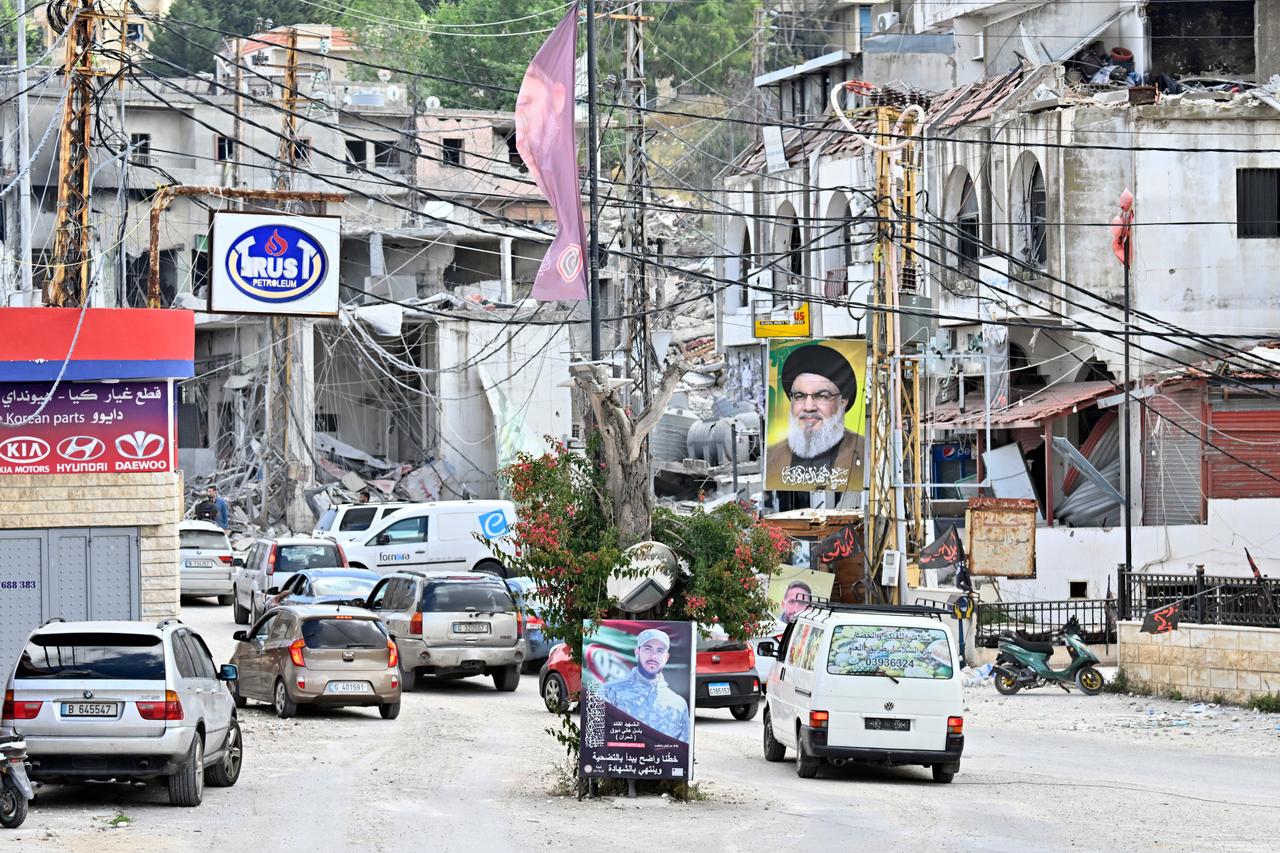
Destroyed and damaged buildings in Lebanon, 15 June 2026 - (Anadolu Ajansı)
Mehr’s claims state that the draft envisages the suspension of sanctions on Iranian oil, petrochemical products, and related exports, and grants Tehran full access to these revenues; it also demands that the United States and its allies provide a reconstruction plan worth at least $300 billion for Iran.
The parties will then enter a 60-day negotiation period aimed at reaching a final agreement that includes the removal of restrictions on Iran’s nuclear program and U.S. primary and secondary sanctions imposed by the United Nations Security Council and the International Atomic Energy Agency (IAEA). It is claimed that under this framework Iran reaffirms its commitment under the Treaty on the Non-Proliferation of Nuclear Weapons not to acquire nuclear weapons, and that the United States will refrain from deploying additional forces to the region or imposing new sanctions during the negotiation period.
Mehr News, citing Muhammedi, strategic advisor to the head of Iran’s negotiation delegation, reported that the final decision on the agreement is under discussion in Iran and relayed additional claims based on an audio recording. According to Muhammedi, Iran provides security, navigation and safety services in the Strait of Hormuz and collects fees for them; it is claimed that this right to collect fees belongs exclusively to Iran and Oman and will remain unchanged regardless of any agreement.
According to Muhammedi’s claims, the first article of the draft requires the cessation of war across all fronts, including Iran and Lebanon, and a commitment by the other side not to initiate new wars or military operations. Under these claims, the United States will give this commitment on its own behalf and on behalf of Israel; Muhammedi described this as the first time in history Iran has forced the United States to guarantee for Israel.
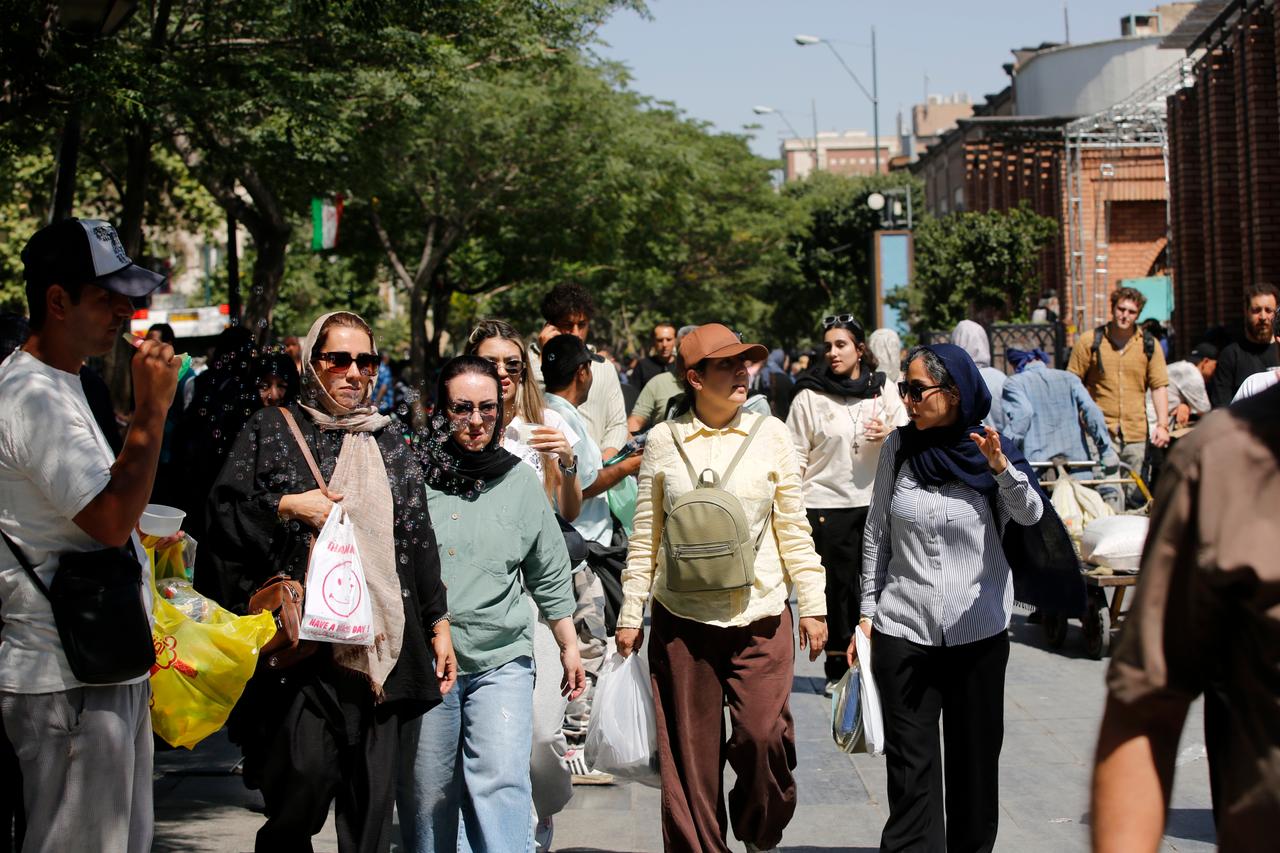
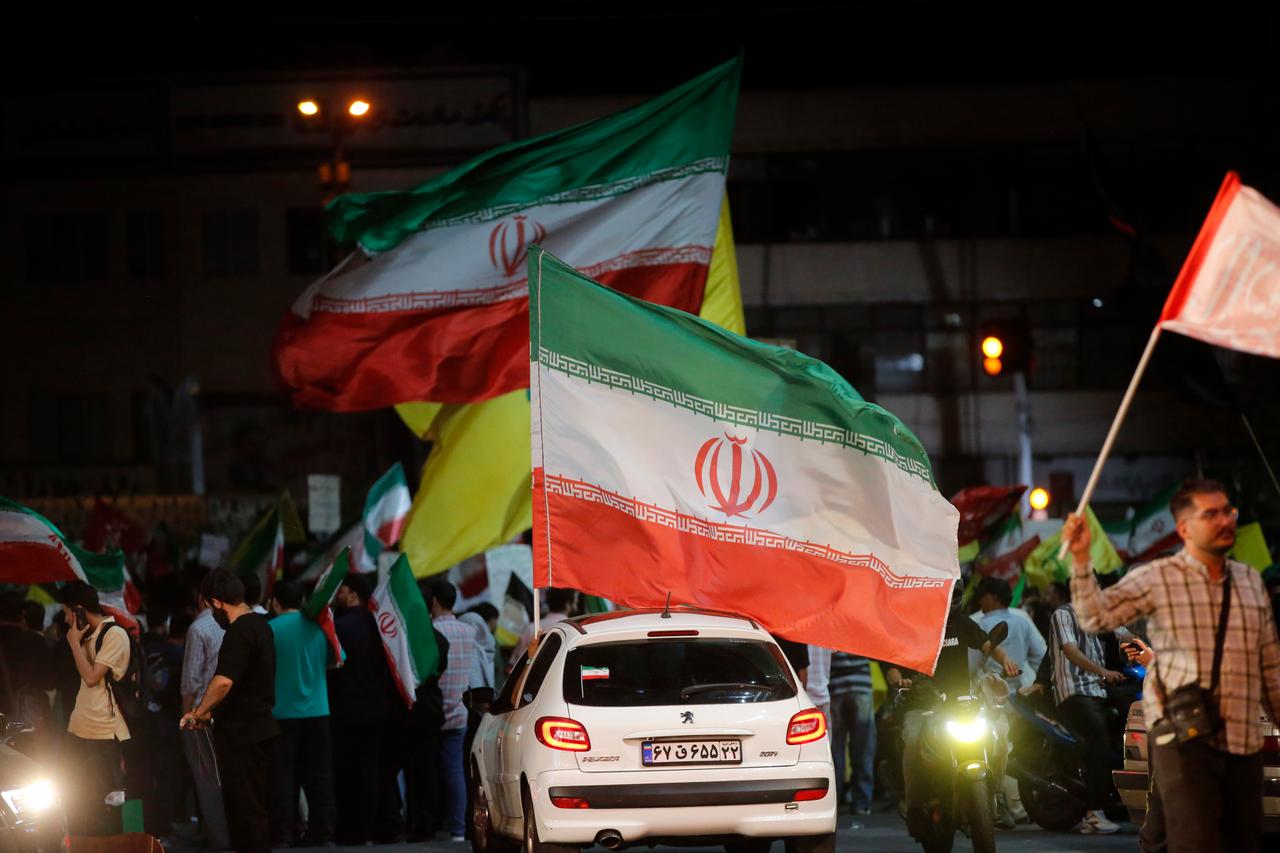
Daily life in Tehran, 15 June 2026 - (Anadolu Ajansı)
Muhammedi asserted that Iran’s commitments are reciprocal and that if the other side fails to fulfill its obligations, Iran will not fulfill its own; the strait will remain closed, negotiations will not proceed to the next stage, and war may be resumed if necessary. According to the same claims, the lifting of the naval blockade will begin immediately upon signing the agreement and maritime traffic will return to pre-blockade levels within 30 days. Muhammedi also claimed that the proposed $300 billion fund is referred to in the text as “reconstruction,” meaning compensation for war-related damages.
According to Muhammedi’s claims, the United States has for the first time committed in the final agreement to lift primary sanctions, but comprehensive sanctions relief will not occur until the second phase of negotiations is reached. According to the same claims, the other side’s demands regarding the nuclear program are limited exclusively to highly enriched material, and the dilution method is under discussion; it is claimed that the diluted material will remain within the country and can be quickly re-enriched to higher levels if needed. Muhammedi asserted that the withdrawal of U.S. forces from regions around Iran within 30 days and the release of half of the frozen assets at the outset of implementation are foreseen.
It has been noted that the content published by Mehr has not been verified and may change as the parties move toward formal negotiations.
U.S. President Donald Trump on 15 June, during a meeting with French President Emmanuel Macron in France, where he was attending the G7 Leaders Summit, said in reference to the preliminary agreement: “I am very happy to say that the agreement has been signed; the agreement is fully signed.”
A senior U.S. official, in a teleconference, announced that the draft agreement had been electronically signed on behalf of the United States by President Trump and Vice President JD Vance, and on Iran’s side by Parliament Speaker Mohammad Bagher Qalibaf. U.S. officials speaking to Reuters and AFP confirmed that the signature was made by these three individuals. Qalibaf, in a social media post, wrote that Iran has taken “a major step toward historic victory” following its “historic resistance” against Israel and the United States.
The U.S. official stated that the agreement sets the framework for future negotiations and that Iran will be accepted into the global economy to the extent it cooperates on its nuclear programs, verifying it does not produce nuclear weapons, and ceasing financial support for radicalism and terrorism in the region. The official noted that details of the agreement will be made public within 24 to 48 hours.
Vice President Vance said the agreement text is approximately “one and a half pages” long and has the nature of a “very general” document, with details to be determined in future technical negotiations. According to Vance, the first paragraph of the document refers to Iran’s commitment to “regional peace and stability”, which includes halting funding for “terrorist organizations”; the most important element, he said, is Iran’s verifiable commitment not to develop nuclear weapons.
JD Vance on the same day told NBC News that nuclear inspectors (IAEA) will return to Iran “without question” and that one of the core elements of the agreement is the IAEA and the United States assisting in the destruction of Iran’s stockpile of highly enriched material.
A senior Iranian official told Reuters that the United States has agreed to release $25 billion from Iran’s frozen assets and suspend oil sanctions for a specified period. Vance rejected this, saying: “Not a single dollar of sanctions relief or asset unfreezing has come from the United States or our Gulf allies.”
Trump dismissed reports that the United States paid Iran $300 million as “fake news.” In a Truth Social post, he said: “Iran has never agreed not to acquire a nuclear weapon! Also, the report that the United States paid Iran $300 million is a fake story fabricated by Democrats.” It is unclear whether Trump’s reference to the “$300 million” figure contradicts the much higher “$300 billion” amount cited by other officials and international media.
Vance clarified that the proposed $300 billion fund will be financed not by U.S. taxpayers but by regional allies, stating: “Not a single cent of this money comes from the United States.” According to Vance, Gulf Arab countries will only consider investing if Tehran makes its economy “investment-ready” and begins to “act like a normal country”.
A senior U.S. official confirmed that the multi-billion-dollar fund is part of the diplomatic negotiationsbut that all financial progress will be strictly “performance-based”. Financial Times reported that the establishment of the fund is contingent on a final agreement including a 60-day extension of the ceasefire and the full reopening of the Strait of Hormuz, and that the capital is likely to be managed through a framework directed at private companies engaged with Iran’s markets, rather than direct intergovernmental aid.
According to Anadolu Ajansı, a senior U.S. official suggested that if Iran demonstrates compliance with its commitments, the $300 billion in frozen assets will be gradually released; the process is in a “confidence-building phase” and will proceed on a performance-based basis. The official stated that Gulf countries will also act in coordination with Washington on these funds.
Trump announced that after the agreement he issued orders for the immediate lifting of the U.S. naval blockade on Iranian ports and posted on social media: “Most oil-laden ships have begun to depart from the Strait of Hormuz. They are using the fully safe and secure southern ‘highway.’ Other routes are also available.”
According to Iranian media, after the U.S. lifted its blockade, at least three Iranian oil tankers and two cargo ships passed through the strait. Semi-official Fars News Agency reported that the first Iranian vessels passed through the blockade zone without incident; one Iranian VLCC tanker and a ship carrying live animals are heading to Iranian ports, while an oil tanker is proceeding toward export terminals via the Sea of Oman.
U.S. official stated that with the signing of the agreement, the Strait of Hormuz will open immediately to maritime traffic, but that returning to normal maritime flow will not be immediately possible within a few weeks; however, traffic is expected to increase daily. Trump reiterated in a statement to journalists in Geneva that the strait will be fully open by Friday, 19 June, and said most of the mines in the region will be rendered ineffective. Vance stated that no fees will be charged for passage through the strait during the 60-day period.
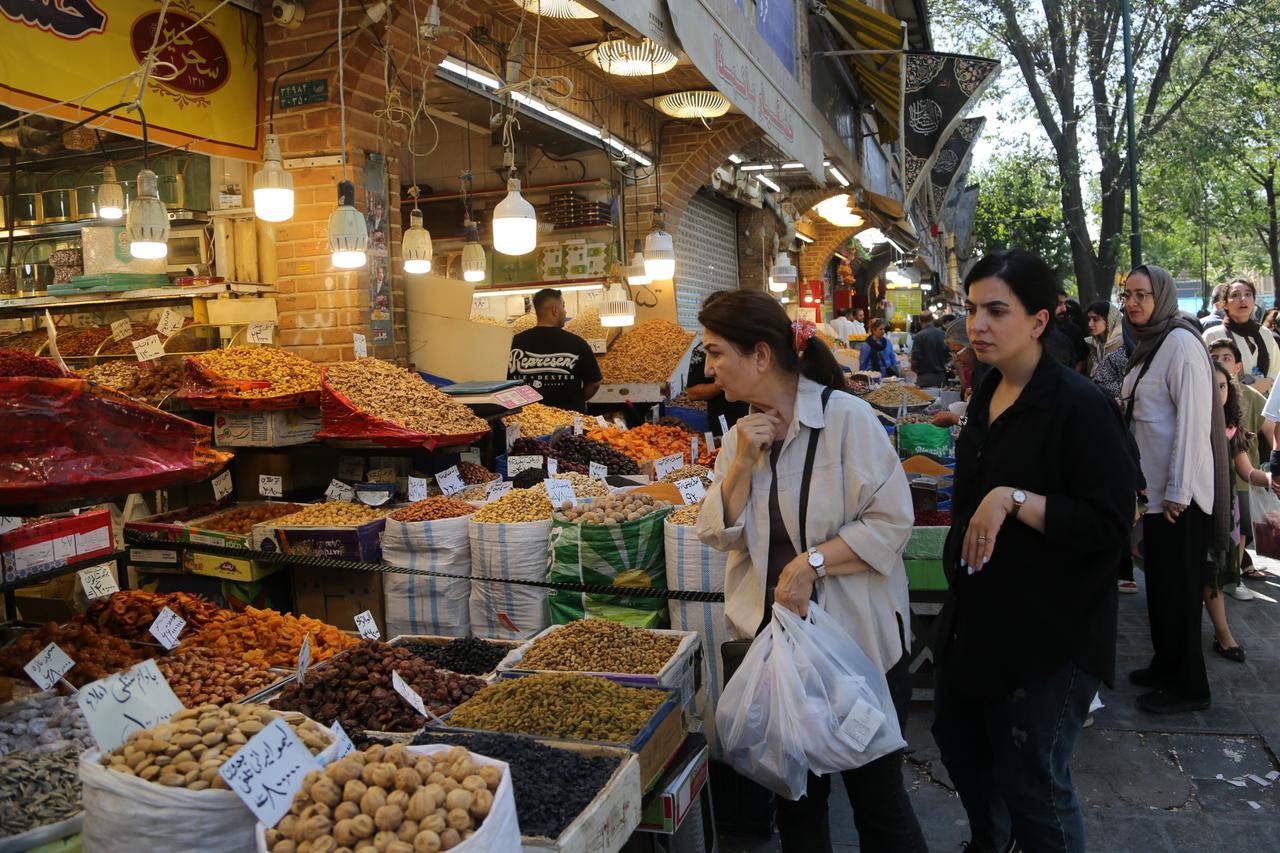
Daily life in Tehran, 15 June 2026 - (Anadolu Ajansı)
Trump told The New York Times that if Iran fails to reach a final nuclear agreement with the United States, he will resume military strikes against Tehran. Trump said he has negotiated with Iran on suspending uranium enrichment activities for 20 years but would accept a 15-year period; he stated Iran’s capacity will be limited to low-level enrichment insufficient for military purposes. Trump argued that the new agreement is superior to the 2015 deal signed during the presidency of former President Barack Obama.
Vance said in an interview with CNBC that Washington has “all the cards” in negotiations with Iran; he identified the two core elements of the agreement as the reopening of the Strait of Hormuz and Iran’s long-term, verifiable commitment never to develop nuclear weapons. Vance stated that if Tehran fulfills its obligations, economic sanctions and other restrictions can be eased.
Iranian Foreign Ministry Spokesperson Ismail Bekayi said that according to the draft agreement, the United States is obligated to lift all primary and secondary sanctions and that the removal of United Nations Security Council sanctions and International Atomic Energy Agency (IAEA) decisions is also envisaged. Bekayi stated that these issues, along with nuclear matters, will be negotiated starting the day after the signing and will be concluded within 60 days.
Bekayi said the draft agreement envisages the immediate lifting of restrictions on the sale of oil, oil derivatives, and petrochemical products upon signing on Friday; he identified the release of frozen assets and compensation for war damages as the two main pillars of the agreement. Despite the framework, Bekayi said Iran maintains “deep mistrust” toward the United States and emphasized that the cessation of war in Lebanon is an inseparable part of the agreement.
Germany, France, the United Kingdom, and Italy, in a joint statement shortly after the agreement’s announcement, reiterated their readiness to lift relevant sanctions if Iran takes clear and verifiable steps regarding its nuclear program; they emphasized the importance of the unconditional reopening of the Strait of Hormuz. The statement noted that a fully defensive mission, consistent with constitutional requirements, could be launched to guarantee commercial maritime traffic and conduct mine-clearing operations.
On 15 June, Iranian President Masoud Pezeshkian stated that the Iran-U.S. draft agreement will be signed on Friday, 19 June; he said that if all provisions are properly implemented, the agreement could be regarded as a “proud document” for the country. Pezeshkian noted that the vast majority of members of the Iranian Supreme National Security Council support the draft agreement, but that the final agreement has not yet been finalized.
On the same day, Iranian Foreign Minister Abbas Araghchi stated that the Washington administration is responsible for implementing the agreement and insisted that Israel’s attacks on Lebanon must be fully halted; he thanked Iraq and Egypt for their ceasefire efforts. Araghchi said a meeting between the heads of negotiation teams could take place in Switzerland on Friday and that the first round of negotiations will begin after formal signatures are exchanged.
Spokesperson for the Iranian Armed Forces, Brigadier General Mohammad Ekrimiya said: “We will support any agreement that serves the interests of the Iranian people.” He warned that if the adversary fails to fulfill its commitments, the military situation in the region will rapidly revert to its pre-agreement state.
Garibabadi reported that Qatari mediators conducted approximately 14 to 15 hours of talks in Tehran to reach the framework agreement. Iran’s top military command, the Hatem al-Anbiya Central Headquarters, claimed that Iran and its allies have left the United States and Israel with no option but to “accept defeat and surrender”. The Iranian Foreign Ministry, however, stated that Tehran maintains “deep mistrust” toward the United States and that the agreement is merely “a step aimed at reducing tensions”.
Israeli Prime Minister Benjamin Netanyahu, in his first statement on the agreement, said he and Trump have “never always agreed”; he stated that Israeli forces will continue to occupy southern Lebanon as long as deemed necessary. Later in a press conference, Netanyahu claimed he has not set the overthrow of the Tehran regime as a war objective; he declared that Israel will not withdraw from the territories it occupies in southern Lebanon despite the U.S.-Iran agreement, and that under his premiership, Iran will not be allowed to acquire nuclear weapons with or without an agreement; he also confirmed he will run again in upcoming elections.
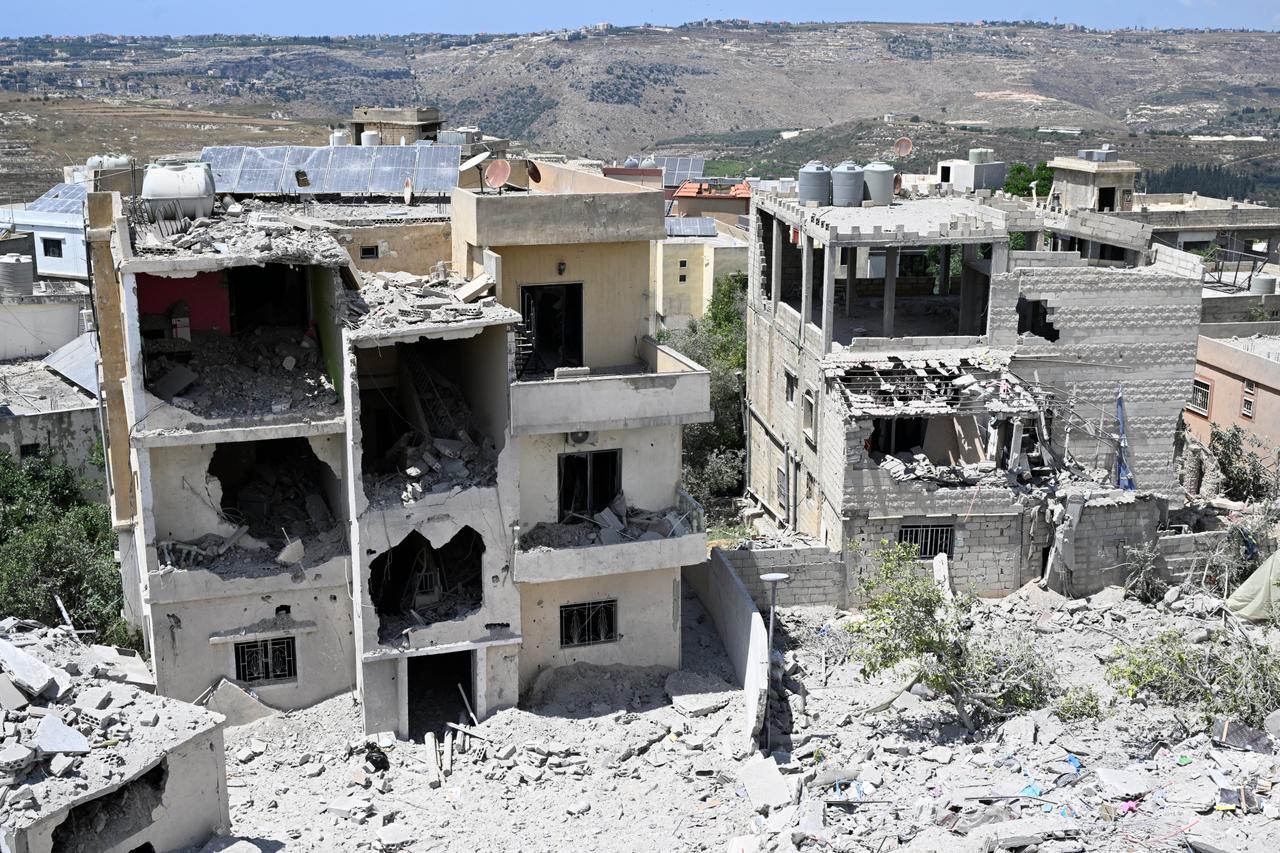
Destroyed and damaged buildings in Lebanon, 15 June 2026 - (Anadolu Ajansı)
Reactions to the agreement have intensified within Israel. National Security Minister Itamar Ben-Gvir said: “Trump’s agreement does not bind us. Israel is not a colony (subject) of the United States.” He argued that nothing less than the complete dismantling of Hezbollah is acceptable. Finance Minister Bezalel Smotrich labeled the agreement “bad”; Defense Minister Yisrael Katz announced that the Israeli military will remain in its occupied territories in southern Lebanon, Syria, and Gaza for an indefinite period.
U.S. officials stated that Lebanon is included in the ceasefire framework but that Israel’s withdrawal from Lebanese territory is not a condition of the agreement; they affirmed Israel’s right to legitimate self-defense.
Despite the ceasefire and agreement, Israeli forces continued attacks on southern Lebanon. Despite the ceasefire, which entered into force on 17 April and was extended for 45 days until 17 May, attacks targeted the towns of Kefertebnit and Upper Nabatieh with air and artillery fire; Press TV correspondent journalist Hadi Hoteit was injured in an artillery attack, and the driver of a vehicle targeted in an UAV strike near Kefr Tebnit in Nabatieh was killed. Israeli artillery units later targeted the towns of Reyhan, Secid, and Mahmudiye.
Hezbollah has continued reciprocal fire in southern Lebanon; both sides have claimed responsibility for the attacks. Israel Defense Forces confirmed that four people were killed in its operations targeting “terrorists.”
Lebanese President Joseph Aoun welcomed the agreement, noting it includes elements aimed at halting military activity in the region and that this includes Lebanon. Hezbollah also welcomed the agreement, stating that the gains achieved serve as a starting point for Israel’s withdrawal from occupied territories, the release of prisoners, the return of displaced persons, and reconstruction.
Lebanese Parliament Speaker Nabih Berri and Iranian Foreign Minister Araghchi discussed the agreement’s clauses in a phone call; Araghchi emphasized that the clause on ending the war in Lebanon must be fully implemented from the day the agreement enters into force and throughout the 60-day negotiation period, and that the parties guaranteeing the agreement with the United States are responsible for ensuring compliance.
A senior U.S. official stated that following the signing of the draft agreementon Friday, 19 June, the 60-day negotiation period will begin and the U.S. military will remain in the Middle East; however, if positive progress is made in negotiations, the military presence in the region will begin to be reduced. According to the statement, approximately 50,000 American troops, three aircraft carriers, and more than 200 aircraft are currently stationed in the region under the command of U.S. Central Command (CENTCOM).
Pakistan’s Foreign Minister Muhammad Ishak Dar welcomed the agreement and thanked international partners including Saudi Arabia, Qatar, Türkiye, Egypt, and the United Nations; he stated they are awaiting the signature ceremony in Geneva on 19 June. Prime Minister Shehbaz Sharif, in a speech to the National Assembly, emphasized that after three months and 16 days of intense efforts, a new era has begun; he thanked President Recep Tayyip Erdoğan, as well as Qatari Emir Sheikh Tamim bin Hamad Al Thani, Saudi Crown Prince Mohammed bin Salman, Chinese President Xi Jinping, and other countries for their “leadership and cooperation.”
President Erdoğan stated that the war began on 28 February “due to Israel’s provocations” and that the agreement marks “a very important step”, allowing the region “on thorns” to take a “breath of relief.” He said attempts to pit brother against brother have failed and that efforts to ignite new conflicts among Turks, Arabs, Kurds, and Persians have ended in failure; he expressed hope that the agreement, achieved with Turkey’s contribution, will open the path to lasting peace and stability in the region.
European Commission President Ursula von der Leyen stated that the priority is the full implementation of the agreement by all parties; she emphasized the need for the Strait of Hormuz to reopen without any fees and warned that Europe must diversify its energy dependencies to reduce its reliance on the strait. Council of the European Union President António Costa said: “I am eagerly awaiting the end of this costly war and the full restoration of freedom of navigation in the Strait of Hormuz.” EU High Representative Kaja Kallas stated that the Union is ready to support nuclear negotiations.
The leaders of Germany, France, the United Kingdom, and Italy congratulated the agreement in a joint statement, reaffirming the importance of the immediate and unconditional reopening of the Strait of Hormuz and reiterating that Iran must never acquire nuclear weapons. German Chancellor Friedrich Merz demanded the agreement be implemented with determination and stressed that it must remain valid in Lebanon as well.
French President Emmanuel Macron said that as G7 nations, they will do everything necessary to implement the agreement and ensure peaceful navigation through the Strait of Hormuz; he noted that around 20 countries have contributed to the temporary naval mission led by the United Kingdom and that the French aircraft carrier Charles de Gaulle and its group could be deployed to secure the strait within days if needed. Macron argued that Iran’s enriched uranium must either be removed to a third country or diluted and placed under IAEA oversight.
Spanish Prime Minister Pedro Sánchez assessed the agreement as “evidence that war has failed”, noting it has caused over 7,400 deaths, most of them civilians, and widespread destruction.
Saudi Arabia, Egypt, and Kuwait announced their welcome of the agreement; Saudi Arabia and Jordan emphasized the importance of restoring the state of freedom of navigation and security in the Strait of Hormuz to its condition before 28 February. The Arab League, Gulf Cooperation Council, Organization of Islamic Cooperation, Jordan, and Palestine also welcomed the agreement.
Chinese Foreign Ministry Spokesperson Lin Jian welcomed the agreement’s text and expressed appreciation for Pakistan’s mediation efforts. He also stated that Armenia, Australia, New Zealand, Japan, India, Bangladesh, Canada, Iraq, South Korea, Indonesia, Malaysia, Finland, Sweden, Norway, Denmark, and Slovenia have welcomed the agreement.
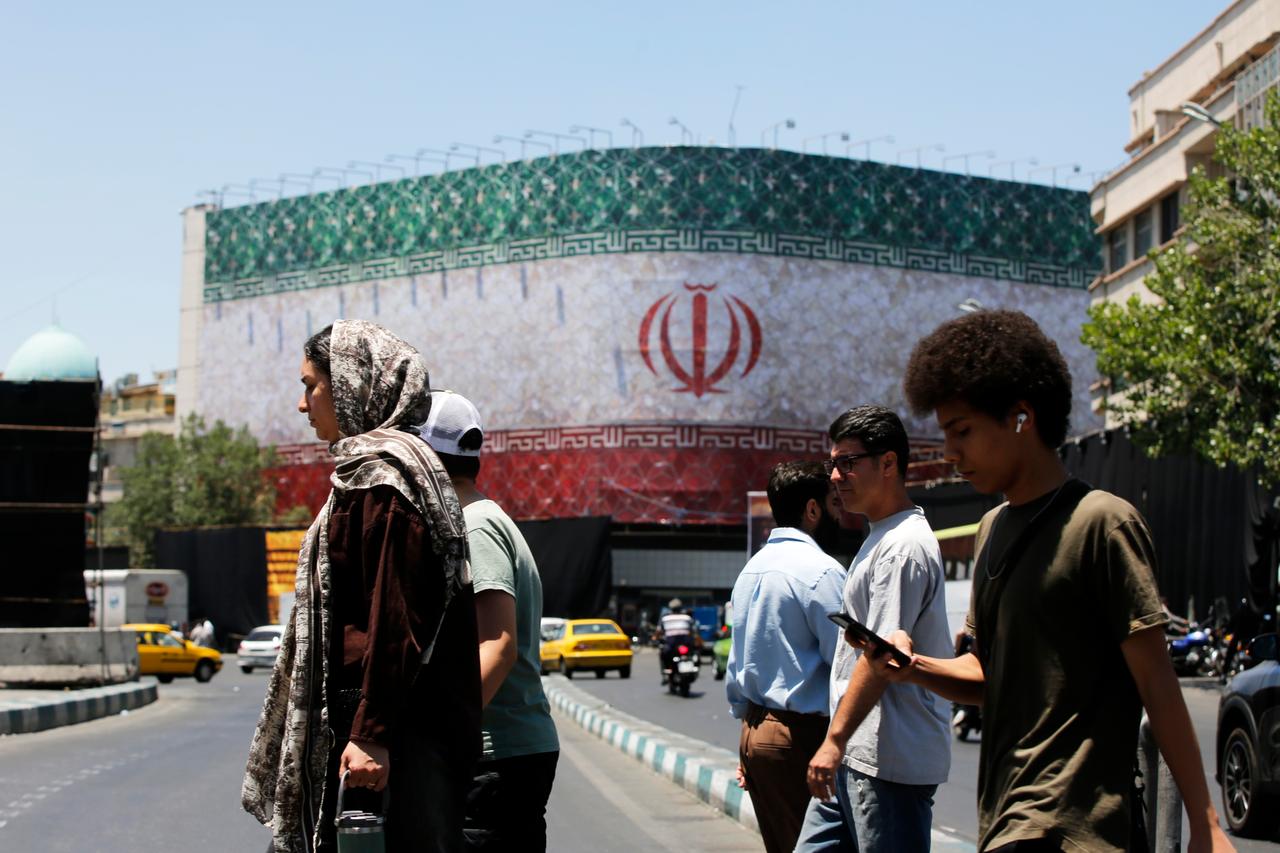
Daily life in Tehran, 15 June 2026 - (Anadolu Ajansı)
U.S. Senators requested more information on the agreement from the White House. Senate Republican Leader John Thune said he lacks sufficient information on the agreement; Senator Thom Tillis asked: “If this is a secret agreement, how can I take it seriously?”
Senator John Kennedy said it is difficult to assess without seeing the final document; Senator Lindsey Graham noted he requested that JD Vance, whom he called the “architect” of the agreement, present the matter to officials. Democratic Senator Tim Kaine welcomed the end of the war but said he wants to hear more details.
Al Jazeera. "Iran War Live: Vance Says IAEA to Return to Iran, No Tolls in Hormuz Strait." Al Jazeera Live Blog. Accessed June 16, 2026. https://www.aljazeera.com/news/liveblog/2026/6/16/iran-war-live-trump-says-mou-with-tehran-signed-electronically
Anadolu Agency. "Trump Dismisses Iran Payout Claims as Vance Points to $300B Gulf-Led Fund." Anadolu Agency. Accessed June 16, 2026. https://www.aa.com.tr/en/americas/trump-dismisses-iran-payout-claims-as-vance-points-to-300b-gulf-led-fund/3968129
Anadolu Ajansı. "ABD Başkan Yardımcısı Vance, Tahran’la Müzakerelerde Washington’ın Tüm Kozlara Sahip Olduğunu Öne Sürdü." Anadolu Ajansı. Accessed June 16, 2026. https://www.aa.com.tr/tr/dunya/abd-baskan-yardimcisi-vance-tahranla-muzakerelerde-washingtonin-tum-kozlara-sahip-oldugunu-one-surdu/3967765
Anadolu Ajansı. "ABD Başkan Yardımcısı Vance, İran’la Mutabakatın Yalnızca Geniş Bir Çerçeve Sağladığını Söyledi." Anadolu Ajansı. Accessed June 16, 2026. https://www.aa.com.tr/tr/dunya/abd-baskan-yardimcisi-vance-iranla-mutabakatin-yalnizca-genis-bir-cerceve-sagladigini-soyledi/3968109
Anadolu Ajansı. "ABD ve İran Arasındaki Mutabakat, Tahran Sokaklarında İyimserlik Havası Estirdi." Anadolu Ajansı. Accessed June 16, 2026. https://www.aa.com.tr/tr/dunya/abd-ve-iran-arasindaki-mutabakat-tahran-sokaklarinda-iyimserlik-havasi-estirdi/3967687
Anadolu Ajansı. "ABD-İran Mutabakatındaki Bazı Konulara İlişkin Belirsizlik Sürüyor." Anadolu Ajansı. Accessed June 16, 2026. https://www.aa.com.tr/tr/dunya/abd-iran-mutabakatindaki-bazi-konulara-iliskin-belirsizlik-suruyor/3967481
Anadolu Ajansı. "ABD’li Senatörler, ABD-İran Mutabakatı ile İlgili Ayrıntı Talep Etti." Anadolu Ajansı. Accessed June 16, 2026. https://www.aa.com.tr/tr/dunya/abdli-senatorler-abd-iran-mutabakati-ile-ilgili-ayrinti-talep-etti/3968261
Anadolu Ajansı. "ABD’li Yetkili: Mutabakat Zaptı, Trump ve Vance ile Kalibaf Tarafından İmzalandı." Anadolu Ajansı Live Blog. Accessed June 16, 2026. https://www.aa.com.tr/tr/live-blog/abdli-yetkili-mutabakat-zapti-trump-ve-vance-ile-kalibaf-tarafindan-imzalandi/3900
Anadolu Ajansı. "Almanya Başbakanı Merz, İran-ABD Mutabakatının Kararlılıkla Uygulanmasını İstedi." Anadolu Ajansı. Accessed June 16, 2026. https://www.aa.com.tr/tr/dunya/almanya-basbakani-merz-iran-abd-mutabakatinin-kararlilikla-uygulanmasini-istedi/3967811
Anadolu Ajansı. "Cumhurbaşkanı Erdoğan: Bizim de Katkılarımızla Varılan Mutabakattan Tüm İnsanlık Adına Memnuniyet Duyuyoruz." Anadolu Ajansı. Accessed June 16, 2026. https://www.aa.com.tr/tr/gundem/cumhurbaskani-erdogan-bizim-de-katkilarimizla-varilan-mutabakattan-tum-insanlik-adina-memnuniyet-duyuyoruz/3967633
Anadolu Ajansı. "Lübnan Cumhurbaşkanı Avn ile İran Dışişleri Bakanı Erakçi, İran-ABD Mutabakatını Görüştü." Anadolu Ajansı. Accessed June 16, 2026. https://www.aa.com.tr/tr/dunya/lubnan-cumhurbaskani-avn-ile-iran-disisleri-bakani-erakci-iran-abd-mutabakatini-gorustu/3968018
Anadolu Ajansı. "Netanyahu, Tahran Yönetiminin Devrilmesini Savaş Hedefi Olarak Belirlemediğini İleri Sürdü." Anadolu Ajansı. Accessed June 16, 2026. https://www.aa.com.tr/tr/dunya/netanyahu-tahran-yonetiminin-devrilmesini-savas-hedefi-olarak-belirlemedigini-ileri-surdu/3968070
Anadolu Ajansı. "İnfografik." Anadolu Ajansı İnfografik. Accessed June 16, 2026. https://www.aa.com.tr/tr/info/infografik/52388
Anadolu Ajansı. "İran Dışişleri Bakan Yardımcısı Garibabadi, ABD ile Anlaşmaya Varıldığını Doğruladı." Anadolu Ajansı. Accessed June 16, 2026. https://www.aa.com.tr/tr/dunya/iran-disisleri-bakan-yardimcisi-garibabadi-abd-ile-anlasmaya-varildigini-dogruladi/3966933
Anadolu Ajansı. "İran Medyası: İran Gemileri Mutabakatın Ardından Abluka Bölgesinden Sorunsuz Bir Şekilde Geçti." Anadolu Ajansı Live Blog. Accessed June 16, 2026. https://www.aa.com.tr/tr/live-blog/iran-medyasi-iran-gemileri-mutabakatin-ardindan-abluka-bolgesinden-sorunsuz-bir-sekilde-gecti-/3977
Anadolu Ajansı. "İran: Lübnan’daki Savaşın Sona Erdirilmesi, ABD ile Mutabakatın Ayrılmaz Bir Parçası." Anadolu Ajansı. Accessed June 16, 2026. https://www.aa.com.tr/tr/dunya/iran-lubnandaki-savasin-sona-erdirilmesi-abd-ile-mutabakatin-ayrilmaz-bir-parcasi/3967609
Anadolu Ajansı. "İsrailli Bakan Ben-Gvir: Trump’ın Anlaşması Bizi Bağlamaz, ABD’nin Sömürgesi Değiliz." Anadolu Ajansı. Accessed June 16, 2026. https://www.aa.com.tr/tr/dunya/israilli-bakan-ben-gvir-trumpin-anlasmasi-bizi-baglamaz-abdnin-somurgesi-degiliz/3967109
Associated Press. "Initial Deal to End US-Iran War Moves Toward Formal Signing Despite Lingering Questions." Associated Press. Accessed June 16, 2026. https://apnews.com/article/iran-us-war-oil-june-15-2026-77406473da38c6c126818610a219dc20
BBC News. "Trump May Release US-Iran Deal Before Friday, Vance Says." BBC News. Accessed June 16, 2026. https://www.bbc.com/news/articles/ce8mv6l6eezo
CNN. "June 15, 2026 — Trump and Vance Virtually Sign US-Iran Agreement." CNN Live Updates. Accessed June 16, 2026. https://edition.cnn.com/2026/06/15/world/live-news/iran-war-g7-summit
Iran International. "Iran Media Publish Purported Details of Iran-US Draft Agreement." Accessed June 16, 2026. https://www.iranintl.com/en/202606141204
Mehr News Agency. "Final Decision on MoU Btw Iran-US under Discussion in Iran." Accessed June 16, 2026. https://en.mehrnews.com/news/245332/Final-decision-on-MoU-btw-Iran-US-under-discussion-in-Iran
Mehr News Agency. "What Do We Know About Details of Anticipated Iran-US MoU?" Accessed June 16, 2026. https://en.mehrnews.com/news/245284/What-do-we-know-about-details-of-anticipated-Iran-US-MoU
Reuters. "US and Iran Sign Ceasefire Agreement, Details Remain Unclear." Accessed June 16, 2026. https://www.reuters.com/world/asia-pacific/iran-us-agree-halt-war-reopen-hormuz-sending-oil-prices-tumbling-2026-06-15/
i24NEWS. "Iranian Media Claims New Details of 14-Point US-Iran Draft Agreement." Accessed June 16, 2026. https://www.i24news.tv/en/news/middle-east/iran-eastern-states/artc-iranian-media-claims-new-details-of-14-point-us-iran-draft-agreement
On 17 June 2026, a senior U.S. official, during a teleconference with members of the press, disclosed for the first time the contents of the 14-point agreement text reached between the United States and Iran. The official stated that the agreement was not a final deal but rather a framework document granting the parties up to 60 days for negotiations.
The U.S. official later read aloud the full text of the 14-point agreement text, which consists of the following provisions:
1- The United States and the Islamic Republic of Iran sign this agreement to immediately and permanently cease all military operations on all fronts including Lebanon, commit to refraining from initiating any war or military operation against each other, avoid the use or threat of force against each other, and guarantee Lebanon's territorial integrity and sovereignty. The final agreement will permanently end all hostilities on all fronts including Lebanon and reaffirm the other provisions of this paragraph.
2- The United States and the Islamic Republic of Iran commit to respecting each other's sovereignty and territorial integrity and to non-interference in each other's internal affairs.
3- The United States and the Islamic Republic of Iran commit to negotiating and concluding a final agreement within no more than 60 days, a period that may be extended by mutual consent.
4- Immediately after the signing of this agreement, the United States will begin lifting the naval blockade and all forms of obstruction or disruption against the Islamic Republic of Iran and will fully terminate the naval blockade within 30 days. During this period, maritime traffic will be proportionate to the pre-war volume reestablished by the Islamic Republic of Iran. The United States also commits to withdrawing its forces near the borders of the Islamic Republic of Iran within 30 days after the signing of the final agreement.
5- Following the signing of this agreement, the Islamic Republic of Iran will make every effort to implement necessary arrangements to allow commercial vessels to transit freely and safely between the Persian Gulf and the Sea of Oman, and vice versa, for a period of 60 days. Commercial shipping will commence immediately, and these arrangements will enter into force within 30 days, taking into account the removal of technical and military obstacles and the necessity of mine clearance. The Islamic Republic of Iran will engage in dialogue with the Sultanate of Oman to determine future management and maritime services in the Strait of Hormuz, in consultation with other Persian Gulf coastal states, within the framework of applicable international law and the sovereignty rights of the Strait's coastal states.
6- The United States commits, together with its regional partners, to preparing a definitive and mutually agreed plan worth at least 300 billion U.S. dollars to support the reconstruction and economic development of the Islamic Republic of Iran. The mechanism for implementing this plan will be finalized as part of the final agreement to be signed within 60 days. All necessary licenses, exemptions and authorizations for related financial transactions will be issued by the United States.
7- The United States commits, as part of the final agreement, to lifting United Nations Security Council resolutions, International Atomic Energy Agency (IAEA) Board of Governors resolutions, and all unilateral U.S. sanctions including primary and secondary sanctions, according to a mutually agreed schedule. The Islamic Republic of Iran and the United States acknowledge the critical importance of lifting these sanctions and express their intention to address these issues promptly in negotiations to achieve mutual agreement.
8- The Islamic Republic of Iran reaffirms that it will not acquire or develop nuclear weapons. The United States and the Islamic Republic of Iran have agreed to resolve the issue of enriched material stockpiles through the minimum necessary method of on-site dilution under IAEA supervision, in accordance with a mutually agreed mechanism to be established as part of the final agreement. The parties also agree to negotiate in the final agreement a satisfactory framework addressing enrichment and other mutually agreed nuclear issues related to Iran's needs. The final agreement will reaffirm the provisions of this paragraph, and the Islamic Republic of Iran will acknowledge the vital importance of these nuclear matters. The parties express their intention to address these issues promptly in negotiations to achieve mutual agreement.
9- Until the final agreement is signed, the United States and the Islamic Republic of Iran agree to maintain the current status quo. The Islamic Republic of Iran will preserve the current state of its nuclear program, and the United States will not impose any new sanctions or deploy additional military forces in the region.
10- Immediately after the signing of this agreement and until the lifting of sanctions, the United States commits to granting exemptions from the U.S. Department of the Treasury for the export of Iranian crude oil, petroleum products and derivatives, as well as for banking operations, insurance, transportation and all other related services.
11- Upon the entry into force of this agreement, the United States commits to fully releasing frozen or restricted funds and assets belonging to the Islamic Republic of Iran. The United States and the Islamic Republic of Iran will reach mutual agreement during negotiations on the procedures for the release of these funds. These funds, whether obtained directly from the original account or via transfer, will be made fully available for payments to beneficiaries designated by the Central Bank of the Islamic Republic of Iran. The United States commits to issuing all necessary licenses and authorizations accordingly.
12- The United States and the Islamic Republic of Iran have agreed to establish an implementation mechanism to monitor the successful execution of this agreement and compliance with the final agreement in the future.
13- Following the signing of this agreement, and subject to the commencement and continuation of implementation of paragraphs 1, 4, 5, 10 and 11, the United States and the Islamic Republic of Iran will commence negotiations exclusively on the remaining paragraphs concerning the final agreement.
14- The final agreement will be endorsed by a binding United Nations Security Council resolution.
Anadolu Ajansı. "ABD’li Yetkili, ABD ile İran Arasında Varılan 14 Maddelik Mutabakatı İlk Kez Paylaştı." Accessed June 18, 2026. https://www.aa.com.tr/tr/dunya/abdli-yetkili-abd-ile-iran-arasinda-varilan-14-maddelik-mutabakati-ilk-kez-paylasti/3970173.
The Prime Minister’s Office of Pakistan, on June 18, shared images of Prime Minister Shehbaz Sharif signing the “Islamabad Accord Text” as mediator. Iranian President Masoud Pezeshkian and U.S. President Donald Trump signed the accord text both physically and digitally.
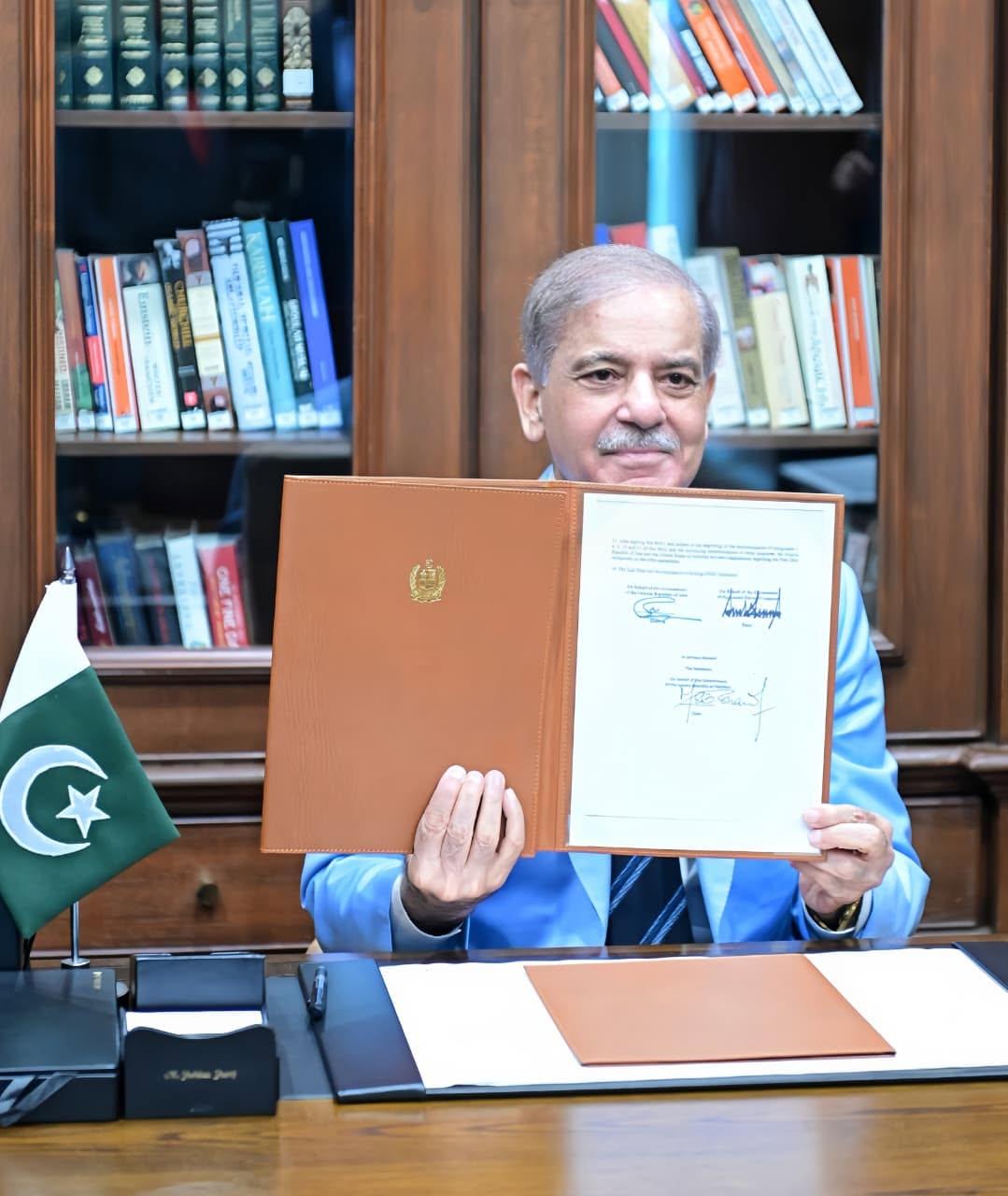
Prime Minister Sharif signs the accord between the U.S. and Iran, June 18, 2026 – (Anadolu Agency)
Pezeshkian shared the signed version of the accord text, signed by himself Trump and mediator Sharif, stating “This is a historic document and message from a strong Iran. Peace will take place under the shadow of mutual respect.” He emphasized that the text was the result of “national resistance political rationality and responsible diplomacy.”
Pakistan’s Prime Ministerial Spokesperson Mushref Zaidi announced that Sharif’s previously announced visit to Switzerland had been postponed because the accord text had been signed and entered into force electronically.
U.S. Central Command (CENTCOM) announced on June 18 that, in accordance with the President’s directive, it had lifted the blockade on all maritime traffic entering and exiting Iranian ports and coastal areas; it also stated that U.S. military forces would remain in the region for a period to ensure Iran fully complies with the accord’s terms.
According to data from Kpler, a data analytics firm of Anadolu Agency, the tanker Awtad, carrying two million barrels of crude oil from Saudi Arabia, passed through the Strait of Hormuz toward South Korea. The tanker Viraj, loaded with approximately 27,500 barrels of petroleum products from Iran’s Imam Khomeini Port, was heading toward the United Arab Emirates. It is estimated that the tankers Shaden and Jaham also passed through the strait with their AIS signals turned off.
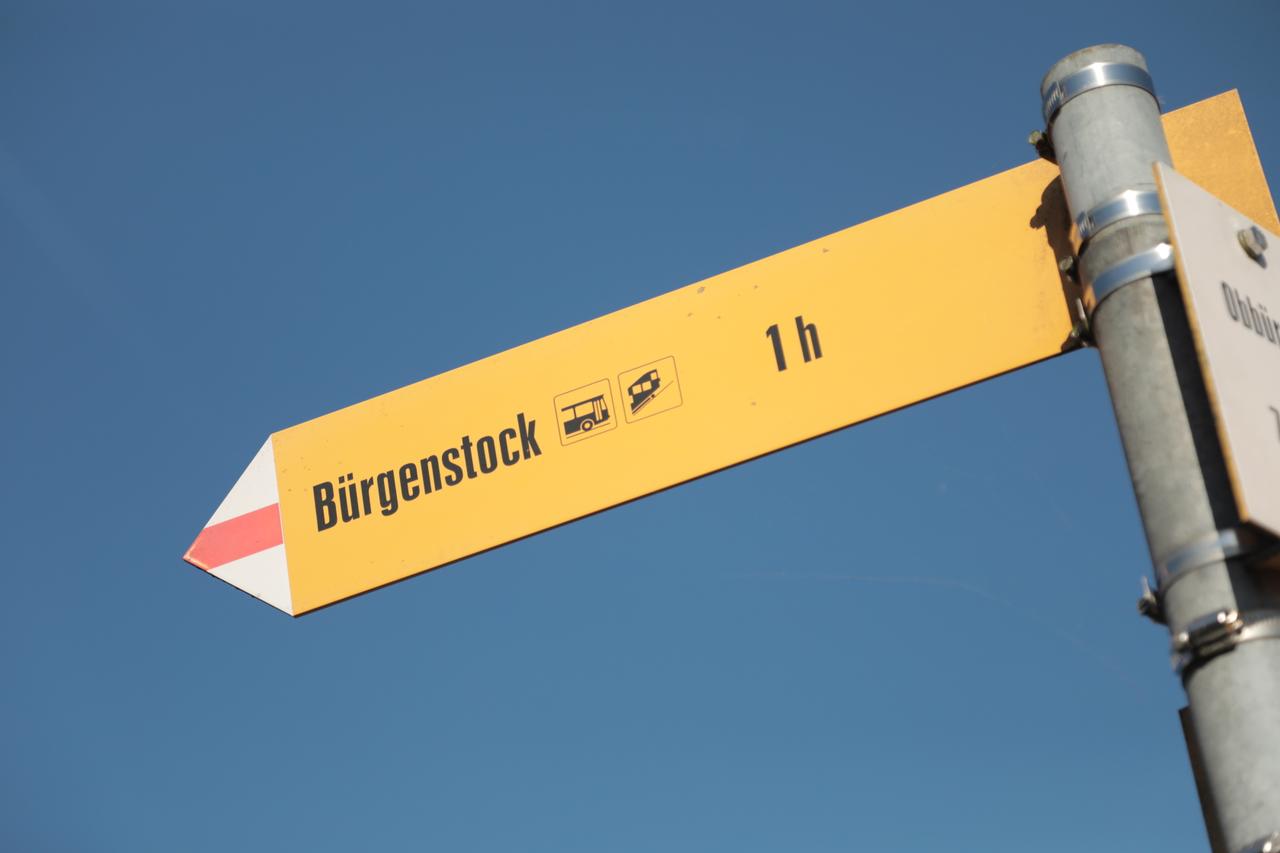
Signboard of the town of Bürgenstock in the canton of Nidwalden Switzerland, June 18, 2026 – (Anadolu Agency)
According to the same source, before the war, an average of 130 vessels passed through the Strait of Hormuz daily; this number had fallen by more than 90 percent during the war. In the first 100 days of the conflict, approximately 1,000 commercial vessels (an average of 10 per day) transited the strait. It was noted that most vessels passing through the strait either followed the “Iran route” over Iranian territorial waters or had their AIS systems turned off.
U.S. Vice President JD Vance stated on the evening of Wednesday June 17 that 12.5 million barrels of oil had passed through the Strait of Hormuz, the highest volume since the war began.
According to Al Jazeera, Iran’s Supreme National Security Council announced that under the accord no fees would be charged for vessels transiting the strait for 60 days; however every tanker seeking passage must coordinate with Iran’s maritime authority, the “Basra Gulf Strait Administration.” The same source emphasized that Iran continues to maintain control over the strait and remains the regulating authority for transit.
On June 18, U.S. Secretary of Defense Pete Hegseth, following a meeting of NATO Defense Ministers in Brussels, stated that the accord had been implemented through concrete actions demonstrating American power, that no trust relationship existed between the parties, and that every step was performance-based. Hegseth said “This is not the ‘trust and verify’ approach of the Obama-era agreements. Here there is no trust.” He added that the Department of Defense was prepared to resume operations if Iran did not abandon its nuclear weapons program.
In a social media post, Trump dismissed claims that the U.S. would pay Iran $30 billion as “fake news.” In a separate post, he stated “We expect a full ceasefire on all fronts including Lebanon Hezbollah and Israel.”
In an interview with Axios, Trump argued that after the war with Iran there was “no limit” to the use of force. When asked whether the accord meant an “unconditional surrender” from Tehran he replied “Probably it was indeed an unconditional surrender.”
Trump also stated that if Israel launched an independent attack on Iran’s nuclear facilities the U.S. could support it provided the operation was “limited in scale.”
Vance, during a White House press briefing, stated that the 60-day negotiation process had officially begun as of June 18 and that both countries had fulfilled their commitments under the accord text. He noted that Iran had not fired on ships in the Strait of Hormuz for two consecutive nights and that CENTCOM had permitted more than a dozen vessels to pass through the blockade. Vance also reported that a “gentlemen’s agreement” had been signed between the parties on June 17. He emphasized that Iran could access its $30 billion in frozen funds only if it fully complied with the accord’s terms and that the U.S. would not give Iran a single dollar from its own treasury.
Vance responded to criticism from certain Israeli cabinet ministers who condemned the accord and targeted Trump, saying “If I were in the Israeli cabinet I would not attack my last remaining powerful ally in the world.” He pointed out that two-thirds of Israel’s defense weapons over the past three months had been produced by American hands and financed by American taxpayers, adding “Israel’s problem is not Donald Trump.”
In a podcast interview with The New York Times Vance named Israeli National Security Minister Itamar Ben-Gvir and Finance Minister Bezalel Smotrich as targets of criticism, stating “You are a country of nine million people. You cannot solve every national security challenge by simply killing.” Vance argued that the accord would end Iran’s nuclear program and that this would be a major gain for Israel.
Vance stated that attacks between Israel and Hezbollah must also cease under the accord; he expected Hezbollah to refrain from attacking Israel and Israel to refrain from carrying out “crazy actions” in Lebanon.
Iran’s leader Mujtaba Khamenei confirmed his approval of the accord with the U.S. despite reservations, stating that future face-to-face negotiations “do not mean accepting the enemy’s views.”
Khamenei stated he approved the accord after President Pezeshkian, in his capacity as Chairman of the Supreme National Security Council, guaranteed that the rights of the Iranian people and the “resistance front” would be protected.
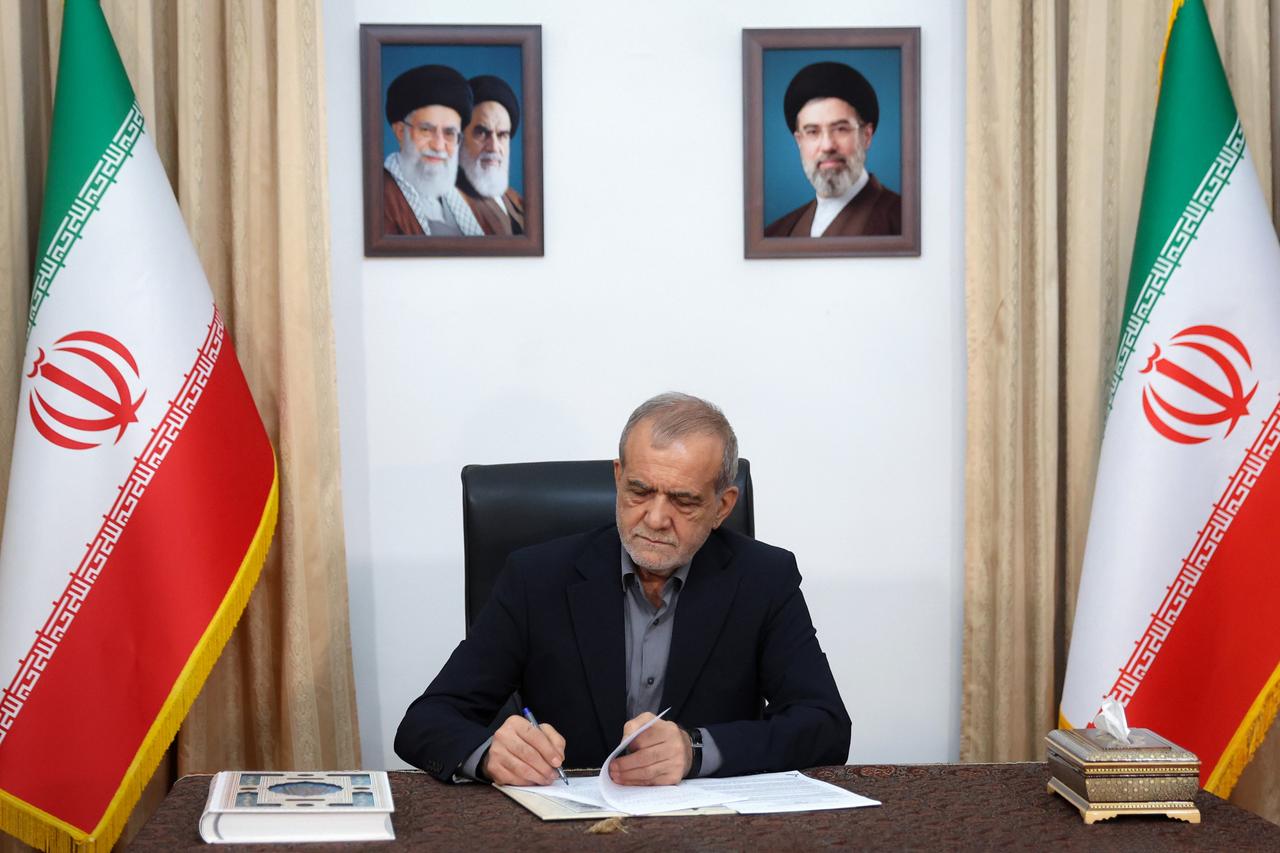
Iranian President Pezeshkian signs the accord text with the U.S. June 18 2026 – (Anadolu Agency)
Iran’s Foreign Minister Abbas Araghchi told French Foreign Minister Jean-Noël Barrot in a phone call that the U.S. was obligated to end the war on all fronts including Lebanon and stressed the need for determined international support from institutions including the UN Security Council. Iran’s Tasnim News Agency reported that the Iranian delegation’s participation in the planned talks in Switzerland had not yet been finalized.
Israeli Prime Minister Benjamin Netanyahu, in a speech at the illegal settlement of Gush Etzion in the West Bank, declared that despite the accord’s entry into force Israel would not withdraw from the areas it occupies in southern Lebanon for as long as “security needs require.” He reiterated that Iran would not acquire nuclear weapons, saying “The struggle is not over.”
The accord was characterized by Israeli officials and politicians as a “bad deal.” Former Mossad Director of Intelligence and Operations Haim Tomer said the agreement was harmful to Israel and Gulf countries because it granted Iran and Oman the right to regulate shipping through the Strait of Hormuz. Former head of Israel Defense Forces Intelligence Directorate (AMAN) Tamir Hayman stated that the accord “guaranteed the survival of the Tehran regime and provided it with generous economic support.” Likud Member of Knesset Avichay Buaron defended Israel’s refusal to abandon its occupation of southern Lebanon.
After four Israeli soldiers were killed in southern Lebanon, far-right ministers called for retaliation. Finance Minister Smotrich demanded “the opening of the gates of hell.” National Security Minister Ben-Gvir insisted “all of Lebanon must burn” and that “for every Israeli mother’s tear a thousand Lebanese mothers must weep.”
According to Israeli state television KAN Netanyahu attempted to reassure the U.S. administration that criticisms from cabinet members toward Trump did not reflect his own position.
Despite the accord Israeli attacks on Lebanon intensified. On the night of June 19 Israeli warplanes targeted numerous towns in the Nabatieh governorate. According to initial assessments by Lebanon’s Ministry of Health, 18 people were killed and 33 injured; among the dead were women and children.
The Israeli military announced that four of its soldiers were killed in clashes in southern Lebanon, identifying one of them as Lieutenant Dor Gedalia Ben Simhon (32) commander of the 52nd Battalion and 41st Brigade. The military claimed the attacks were carried out in response to Hezbollah’s violations of the ceasefire and that infrastructure in the Bekaa Valley had also been targeted.
Since the start of the war until June 19 Lebanon reported that civilian deaths had reached 3,912 and injuries had risen to approximately 12,000.
Lebanese Parliament Speaker Nabih Berri stated “I confirm that Lebanon and Hezbollah will abide by the ceasefire provided Israel fully and comprehensively complies.” Hezbollah’s parliamentary group leader Muhammad Rad urged Lebanese officials to carefully read the accord text, noting that a two-month period had been granted for Israel’s full withdrawal, during which hostilities would cease and withdrawal would begin without the need for direct negotiations. Rad’s statement was made ahead of the fifth round of talks planned for June 22 in the U.S.
French Foreign Minister Jean-Noël Barrot said the U.S. must pressure Israel to halt its attacks on Lebanon and stated that France would not approve the lifting of UN Security Council sanctions against Iran unless negotiations on its nuclear program met expectations.
Saudi Foreign Minister Faisal bin Farhan responded to claims that a Gulf-backed fund would be established for Iran’s reconstruction by saying “I have no information on this.” He emphasized that any economic cooperation with Iran required first rebuilding trust between the two countries. The sixth article of the accord text commits the U.S. together with regional partners to prepare a plan of at least $30 billion for Iran’s reconstruction; however the text contains no explicit statement that Gulf states would directly finance it.
The Swiss Federal Department of Foreign Affairs confirmed on June 18 that the first talks on implementing the accord were planned for June 19 in the town of Bürgenstock, Switzerland, involving mediators Pakistan and Qatar along with the U.S. and Iran.
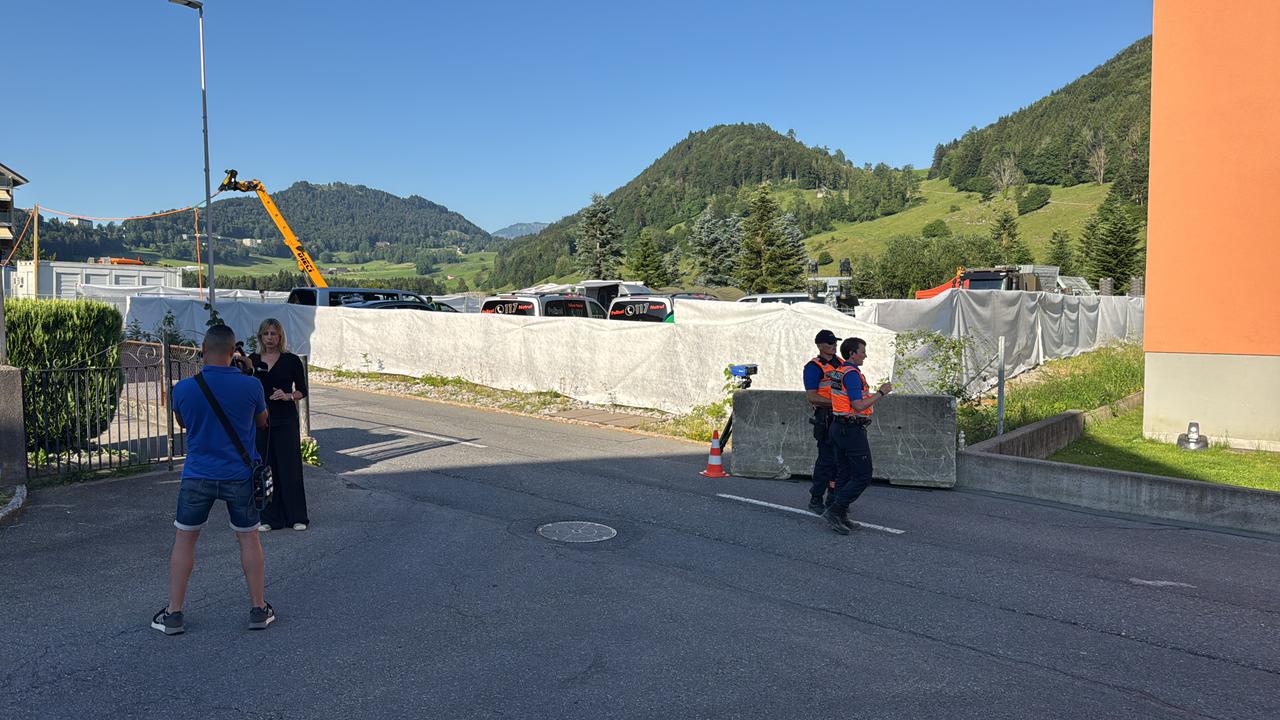
Extensive security measures in the town of Bürgenstock in the canton of Nidwalden Switzerland June 18 2026 – (Anadolu Agency)
Shortly after this announcement the White House stated that Vice President Vance’s trip to Switzerland had been postponed; technical talks had not yet been finalized and “the logistics of these negotiations have never been simple or predictable.”
The Swiss Federal Department of Foreign Affairs confirmed on June 18 that the U.S. Iran and mediators Pakistan and Qatar along with other relevant countries were scheduled to meet on June 19 in the Swiss canton of Nidwalden in the town of Bürgenstock for initial talks on implementing the accord.
Vice President JD Vance said during a White House press briefing on June 18 that technical talks were expected to begin over the weekend and that he planned to travel to Switzerland but that timing depended on the Iranian delegation’s travel arrangements. On the same day Iran’s Tasnim News Agency reported that the Iranian delegation’s travel to Switzerland had not yet been confirmed.
Shortly after these statements the White House announced late on the night of June 19 that Vance’s trip to Switzerland had been temporarily postponed; plans for technical talks had not yet been finalized and the U.S. delegation was ready to depart at the first opportunity. The statement reiterated that “the logistics of these negotiations have never been simple or predictable” and that information would be provided upon concrete updates with the expectation that technical talks would begin as soon as possible.
On June 19 the Swiss Federal Department of Foreign Affairs announced that the meeting in Bürgenstock would not take place as planned, confirming the cancellation of the meeting. It added that preparations for the talks were ongoing.
Al Jazeera. "Iran War Live: US-Iran Swiss Talks Delayed, as Israel Pounds Lebanon." Al Jazeera Live Blog. Accessed June 19, 2026. https://www.aljazeera.com/news/liveblog/2026/6/19/iran-war-live-jd-vance-defends-iran-deal-as-us-says-naval-blockade-lifted
Anadolu Ajansı. "ABD Başkan Yardımcısı JD Vance, İran’la Mutabakatı Eleştiren İsrail Kabinesine Tepki Gösterdi." Anadolu Ajansı. Accessed June 19, 2026. https://www.aa.com.tr/tr/dunya/abd-baskan-yardimcisi-jd-vance-iranla-mutabakati-elestiren-israil-kabinesine-tepki-gosterdi/3971260
Anadolu Ajansı. "ABD Başkan Yardımcısı JD Vance’ten İsrailli Bakanlar Ben-Gvir ve Smotrich’e Sert Tepki." Anadolu Ajansı. Accessed June 19, 2026. https://www.aa.com.tr/tr/dunya/abd-baskan-yardimcisi-jd-vanceten-israilli-bakanlar-ben-gvir-ve-smotriche-sert-tepki/3971370
Anadolu Ajansı. "ABD Başkan Yardımcısı Vance, İsviçre Yolculuğunu Erteledi." Anadolu Ajansı. Accessed June 19, 2026. https://www.aa.com.tr/tr/dunya/abd-baskan-yardimcisi-vance-isvicre-yolculugunu-erteledi/3971491
Anadolu Ajansı. "ABD Ordusu, İran’a Yönelik Deniz Ablukasını Kaldırdığını Açıkladı." Anadolu Ajansı. Accessed June 19, 2026. https://www.aa.com.tr/tr/dunya/abd-ordusu-irana-yonelik-deniz-ablukasini-kaldirdigini-acikladi/3971340
Anadolu Ajansı. "ABD ve İran’ın İslamabad Mutabakat Zaptı." Anadolu Ajansı Foto Galeri. Accessed June 19, 2026. https://www.aa.com.tr/tr/pg/foto-galeri/abd-ve-iranin-islamabad-mutabakat-zapti/163421
Anadolu Ajansı. "Netanyahu, Lübnan’ın Güneyinde İşgal Ettikleri Bölgelerden Çekilmeyeceklerini Söyledi." Anadolu Ajansı. Accessed June 19, 2026. https://www.aa.com.tr/tr/dunya/netanyahu-lubnanin-guneyinde-isgal-ettikleri-bolgelerden-cekilmeyeceklerini-soyledi/3971073
Anadolu Ajansı. "Pakistan, ABD-İran Mutabakat Metninin İki Ülke Arasında Elektronik Olarak İmzalandığını Duyurdu." Anadolu Ajansı. Accessed June 19, 2026. https://www.aa.com.tr/tr/dunya/pakistan-abd-iran-mutabakat-metninin-iki-ulke-arasinda-elektronik-olarak-imzalandigini-duyurdu/3970428
Anadolu Ajansı. "Trump, İsrail’in İran’a Küçük Çaplı Saldırısına Karşı Çıkmayabileceğini Söyledi." Anadolu Ajansı. Accessed June 19, 2026. https://www.aa.com.tr/tr/dunya/trump-israilin-irana-kucuk-capli-saldirisina-karsi-cikmayabilecegini-soyledi/3971377
Anadolu Ajansı. "İsrail Ordusunun ABD-İran Mutabakatına Rağmen Lübnan’a Düzenlediği Hava Saldırılarında 18 Kişi Öldü." Anadolu Ajansı. Accessed June 19, 2026. https://www.aa.com.tr/tr/dunya/israil-ordusunun-abd-iran-mutabakatina-ragmen-lubnana-duzenledigi-hava-saldirilarinda-18-kisi-oldu/3971545
Anadolu Ajansı. "İsrailli Yetkililer, ABD ile İran Arasındaki Mutabakat Zaptını Kötü Bir Anlaşma Olarak Nitelendirdi." Anadolu Ajansı. Accessed June 19, 2026. https://www.aa.com.tr/tr/dunya/israilli-yetkililer-abd-ile-iran-arasindaki-mutabakat-zaptini-kotu-bir-anlasma-olarak-nitelendirdi/3970945
Anadolu Ajansı. "İsviçre: ABD-İran Arasında Bugün Planlanan Görüşmeler İptal Edildi." Anadolu Ajansı Live Blog. Accessed June 19, 2026. https://www.aa.com.tr/tr/live-blog/isvicre-abd-iran-arasinda-bugun-planlanan-gorusmeler-iptal-edildi-/4146
BBC News. "US-Iran Talks Postponed as Vance Pulls Out of Switzerland Trip." BBC News. Accessed June 19, 2026. https://www.bbc.com/news/articles/c8r2eme2n5do
CNN. "June 18, 2026 - US and Iran Sign Initial Agreement." CNN Live Updates. Accessed June 19, 2026. https://edition.cnn.com/2026/06/18/world/live-news/iran-war-trump-israel-lebanon
On 18 June, Iran’s newly established Persian Gulf Shipping Authority (PGSA) announced that vessels requesting transit will be granted permission to pass through the Hormuz Strait for a period of 60 days, in accordance with mutual agreements and official directives. According to the statement, applications must be submitted exclusively via “psga.ir” and “[email protected]”; transit requests must be submitted at least 48 hours before vessels reach the strait area. No fees will be collected from shipowners for security, safety and environmental services during the 60-day period, and the Iranian government will be responsible for covering these costs. The route and planned transit time for each vessel must be coordinated in advance.
The PGSA also stated that vessels must strictly adhere to a fixed route near Larak Island in the strait; otherwise responsibility will fall on the shipowners. The International Association of Independent Tanker Owners (INTERTANKO) reported that Iran has denied transit permissions to certain vessels during nighttime hours.
The United Kingdom Maritime Trade Operations (UKMTO) has lowered its threat level for the Hormuz Strait from the “significant” level it warned two days ago to the “moderate” level. It noted that the southern route near Oman remains open day and night but urged caution due to the risk of mines.
Bekayi announced on 19 June that the planned Iran-US talks in Bürgenstock have been postponed to “a later date”. Bekayi emphasized that implementation and continuation of Articles 1, 4, 5, 10 and 11 of the mutual understanding document are prerequisites for the talks to begin, and stressed that there is no urgency for the negotiations in Switzerland since the agreement had already been signed in advance.
According to an Al Jazeera correspondent, Vice President JD Vance’s aircraft was held in standby at Joint Base Andrews when his trip was abruptly postponed; Iranian representatives refused to travel to Geneva until Israel’s military operations in Lebanon ended. It is claimed that Vance chose to postpone rather than cancel his trip.
According to a US official, on 20 June, US special envoy Steve Witkoff traveled to Switzerland to conduct technical talks; it was expected that President Trump’s son-in-law Jared Kushner would also join the delegation. It was noted that Witkoff and Kushner were among those who led the negotiations that led to the original mutual understanding document. The talks are likely to be held again in Bürgenstock; the Swiss Federal Department of Foreign Affairs confirmed that preparations are ongoing.
Pakistan’s Interior Minister Muhsin Nakvi, who is mediating the talks, traveled to Tehran to meet with Interior Minister Iskender Mumeni and Foreign Minister Abbas Araki to monitor the progress of negotiations. Pakistan government sources indicated that technical-level talks between the US and Iran are expected to begin “within one to two days”.
Iran’s Deputy Foreign Minister Said Hatibzade, in an interview with Al Jazeera, stated that Tehran is ready for diplomatic progress with Washington but insisted that the US must ensure Israel complies with the agreement’s terms; he emphasized that the US must “demonstrate its ability to fulfill its commitments”.
Despite the agreement, Israel intensified its attacks on southern Lebanon. According to Lebanon’s Ministry of Health, at least 47 people were killed in Israeli attacks on 19 June.
Israel and Iran-backed Hezbollah renewed their ceasefire on 19 June in the afternoon (local time around 16:00); however, the ceasefire was quickly violated. According to Lebanon’s official news agency, at least 12 more people were killed in Israeli attacks beginning in the early hours of 20 June; among the dead were four members of the same family in the village of Barish near Sour (mother, father and two children), one Lebanese soldier in the village of Kefr Reman, and three people in the village of Arab Salim.
The Lebanese Armed Forces stated that Israel’s attacks aim to “prevent the restoration of stability in the country” and reported that one of its soldiers was killed in the attacks. The Israeli military claimed the attacks followed Hezbollah’s launch of “more than 50 projectiles” toward Israeli forces in the south.
Israeli military spokesperson Effie Defrin stated that Israel will continue its operations in southern Lebanon, while US Ambassador Yechiel Leiter said Israel will abide by the ceasefire if Hezbollah does. Hezbollah MP Ibrahim al-Musawi declared, “As long as Israel complies, we will comply, and we retain our right to respond.” Another Hezbollah MP, Ali Fayyad, argued that the ceasefire is “meaningless” as long as Israeli forces remain on Lebanese territory.
Following a meeting with Defense Minister Yisrael Katz and Chief of Staff Eyal Zamir, Israeli Prime Minister Binyamin Netanyahu reiterated that Israel will remain in its security zone in southern Lebanon “for as long as necessary” to protect communities in the north.
Defense Minister Yisrael Katz responded to Washington with, “No one can tell us what to do.” He asserted that Israel will respond with force if Iran attacks, and will never abandon its occupation of Lebanon, Syria and Gaza. Katz claimed that Israeli forces have destroyed towns and villages along the Lebanon-Israel border and that approximately 200,000 Lebanese will never return to their homes.
Following a message from Iran’s Supreme Leader Ayatollah Khamenei, Head of Iran’s Parliament and Negotiation Delegation Mohammad Bagher Kalibaf stated that Iran is determined to protect the rights of its people by upholding the established red lines and conditions, and emphasized that Iran relies not on the terms of the agreement but on its own strength.
Bekayi condemned Israel’s attacks on Lebanon, warned that they will have serious consequences, and held the US directly responsible. İran’s Foreign Minister Araki cited a post by Israel’s National Security Minister Ben-Gvir, declaring that “this genocidal death cult centered in Tel Aviv constitutes a threat to all of humanity.”
Chairman of Iran’s Parliament National Security Committee Ibrahim Azizi stated, “The US’s failure to adhere to Article 1 of the mutual understanding document demonstrates that it still lacks the will to earn the trust of the Iranian people.” He warned that ongoing violations will carry a heavy price.
Commander of the Quds Force of the Islamic Revolutionary Guard Corps, Major General Ismail Qaani, warned that forces in Gaza could launch major operations against Israel, asserting that Israel will “be overwhelmed by a flood.”
In a Truth Social post, Trump stated, “We did not sit at the table out of desperation; Iran did. The matter is settled.” He added that the US will complete the 60-day period and will “not give Iran a single cent.”
In an interview with NBC News, Trump said he spoke with Israel and urged the Tel Aviv government to accept a ceasefire with Hezbollah, describing the ceasefire as an “important development” and a “small dollop of cream on top of the cake.” Regarding his relationship with Netanyahu, he said, “I’ve always had a good relationship with Bibi. Sometimes you need to calm down and use your head.”
Former US President Barack Obama criticized the Trump administration’s deal with Iran in an NBC interview, stating, “We waged a war, spent billions of dollars, placed a heavy burden on our military, and caused many deaths — only to return to where we were before the war began, perhaps even worse.” He expressed satisfaction with the ceasefire and hoped it would endure..
UK Foreign Secretary Yvette Cooper condemned Israeli Minister Ben-Gvir’s statement that “all of Lebanon should burn” as “terrible and disgusting” and called on both Israel and Hezbollah to adhere to the ceasefire.
Al Jazeera. "Iran War Live: Tehran Says US Must Ensure Israel Ends Attacks on Lebanon." Al Jazeera Live Blog. Accessed June 20, 2026. https://www.aljazeera.com/news/liveblog/2026/6/20/iran-war-live-tehran-says-us-must-ensure-israel-ends-attacks-on-lebanon
Anadolu Ajansı. "Claim That Trump’s Special Envoy Steve Witkoff Went to Switzerland for Possible Talks with Iran." Anadolu Ajansı. Accessed June 20, 2026. https://www.aa.com.tr/tr/dunya/trumpin-ozel-temsilcisi-steve-witkoffun-iranla-olasi-gorusmeler-icin-isvicreye-gittigi-iddiasi/3972710
Anadolu Ajansı. "Iran Clarifies Conditions for Ships Seeking to Pass Through Hormuz During 60-Day Period." Anadolu Ajansı Live Blog. Accessed June 20, 2026. https://www.aa.com.tr/tr/live-blog/iran-60-gunluk-surecte-hurmuzden-gecmek-isteyen-gemilerle-ilgili-sartlari-acikladi/4146
Anadolu Ajansı. "Iran: Talks in Switzerland Postponed to a Later Date." Anadolu Ajansı. Accessed June 20, 2026. https://www.aa.com.tr/tr/dunya/iran-isvicredeki-gorusmeler-daha-sonraki-bir-tarihe-ertelendi/3972302
Anadolu Ajansı. "Israeli Press: Israeli Official Says New Ceasefire with Hezbollah Has Taken Effect." Anadolu Ajansı. Accessed June 20, 2026. https://www.aa.com.tr/tr/dunya/israil-basini-israilli-yetkili-hizbullah-ile-yeni-ateskesin-devreye-girdigini-soyledi/3972185
Anadolu Ajansı. "Pakistan Interior Minister Went to Tehran for Iran-US Talks." Anadolu Ajansı. Accessed June 20, 2026. https://www.aa.com.tr/tr/dunya/pakistan-icisleri-bakani-iran-abd-muzakereleri-icin-tahran-a-gitti/3972742
CNN. "June 19, 2026 - Israel and Hezbollah Renew Truce." CNN Live Updates. Accessed June 20, 2026. https://edition.cnn.com/2026/06/19/world/live-news/iran-war-trump-israel-lebanon
CNN. "US Envoy Heading to Switzerland as Lebanon Fighting Tests Iran Agreement." CNN Live Updates. Accessed June 20, 2026. https://edition.cnn.com/2026/06/20/world/live-news/iran-war-trump-israel-lebanon
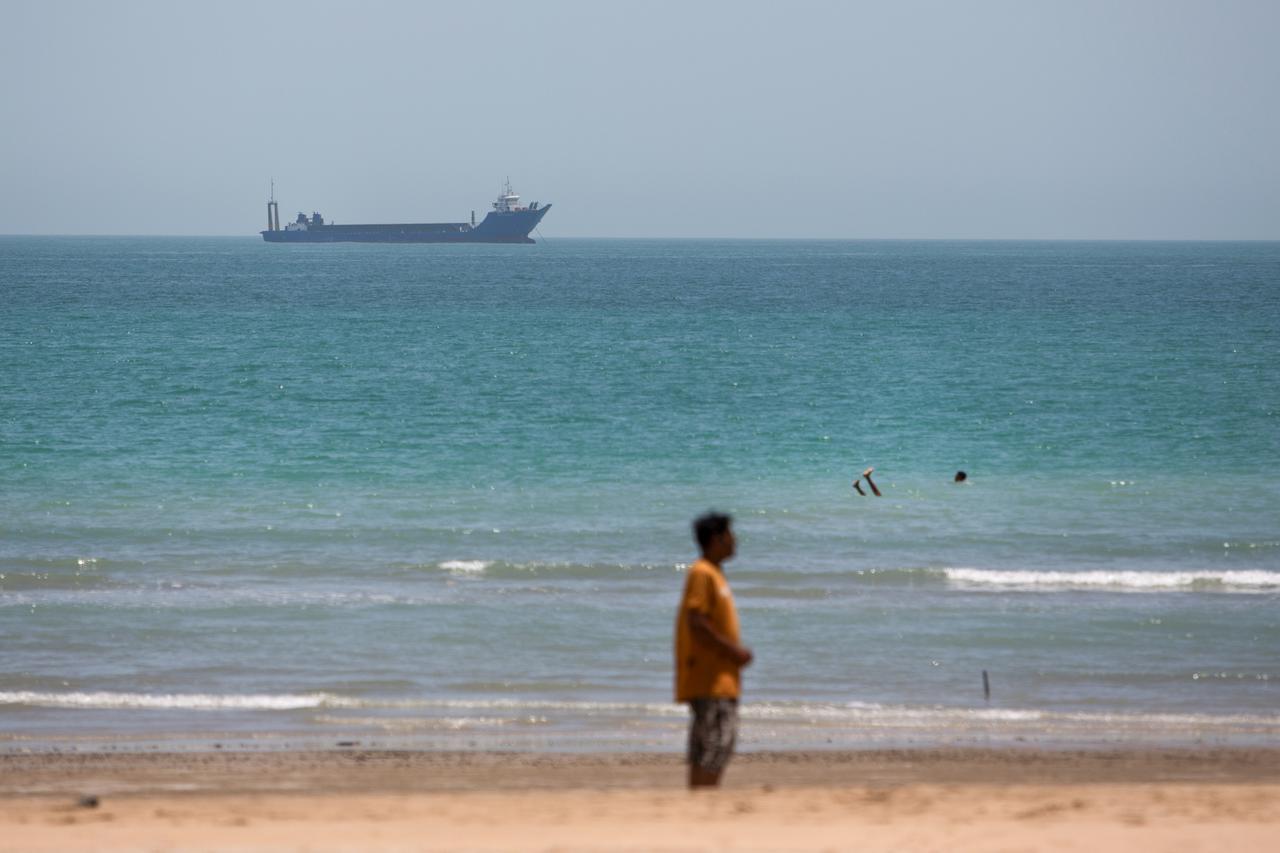
On June 20, the Iranian Armed Forces’ operational unit, the Hatemu’l Enbiya Central Command, announced that it would close the Strait of Hormuz to shipping traffic due to the United States’ failure to fulfill its agreement obligations and Israel’s continued attacks on Lebanon. The statement, released by Iranian state television, cited the United States’ clear violation of its obligations under the signed agreement, Israel’s uninterrupted breach of the ceasefire by continuing its assaults on southern Lebanon, and its refusal to withdraw from southern Lebanon.
The statement, described as the first step taken in response to the United States’ failure to meet its obligations, included the following declaration: “If aggression continues, further steps will be planned and taken to compel the adversary to comply with its obligations.”
class=\
On the same day, Iranian Ministry of Foreign Affairs Spokesperson Ismail Bekayi announced that Iran’s delegation would travel to Switzerland to hold talks with the United States regarding implementation of the agreement and the cessation of Israel’s attacks on Lebanon. Bekayi stated that negotiations toward a final agreement would be contingent upon fulfillment of the five articles of the agreement.
According to Article 13 of the agreement, Bekayi explained that negotiations toward a final agreement are conditional upon the United States fulfilling its obligations under Articles 1, 4, 5, 10, and 11. “These conditions have not yet been met by the other side, and this mission is being undertaken to clarify how these obligations will be fulfilled,” he said.
Bekayi emphasized that the first article of the agreement, which calls for “ending all hostilities on all fronts including Lebanon,” is the “fundamental pillar of mutual obligations.” He stated that the United States is obligated to compel Israel to declare a ceasefire in Lebanon but has failed to do so, thereby clearly violating the agreement. Bekayi noted that failure to implement Article 1 undermines the entire agreement and warned that if necessary measures are not immediately taken, the entire agreement will face serious challenges.
On June 20, U.S. Vice President JD Vance told American Fox News that U.S.-Iran talks in Switzerland could begin as early as the next day and that he himself would travel to the country within a few days. Vance indicated that Iranian, Qatari, and Pakistani officials were expected to arrive in Switzerland, and when asked about the timing of the talks, he responded: “As early as tomorrow.”
Vance stated he was “very confident” that Washington could sustain the current ceasefire despite “possible differences in strategic implementation.” Regarding the Strait of Hormuz, in an interview prior to Iran’s temporary closure announcement, he noted that 16 million barrels of oil had passed through the strait in the last 24 hours, a figure nearly reaching pre-war levels, and added that they had seen no evidence Iran intended to maintain the closure.
The Pakistani Ministry of Foreign Affairs announced that technical-level talks between the United States and Iran would take place on June 21 in the Swiss town of Bürgenstock. The statement indicated that representatives from the United States and Iran, along with mediators from Pakistan and Qatar, would participate in the talks. The Office of the Pakistani Prime Minister confirmed that Pakistan would be represented by Prime Minister Shehbaz Sharif and Chief of Army Staff Asim Munir.
Shortly after Iran’s announcement, the U.S. Central Command (CENTCOM) issued a statement affirming that the Strait of Hormuz remained open. Without referencing Iran’s latest statement, CENTCOM noted that commercial shipping traffic through the strait had increased as of June 20 and stated: “Today, with 55 commercial vessels transiting, the safe passage along the international waterway is maintained, as these vessels carried substantial cargo and over 17 million barrels of oil to global markets.”
U.S. President Donald Trump also announced on social media the same day that no transit fees would be charged through the Strait of Hormuz during the 60-day ceasefire.
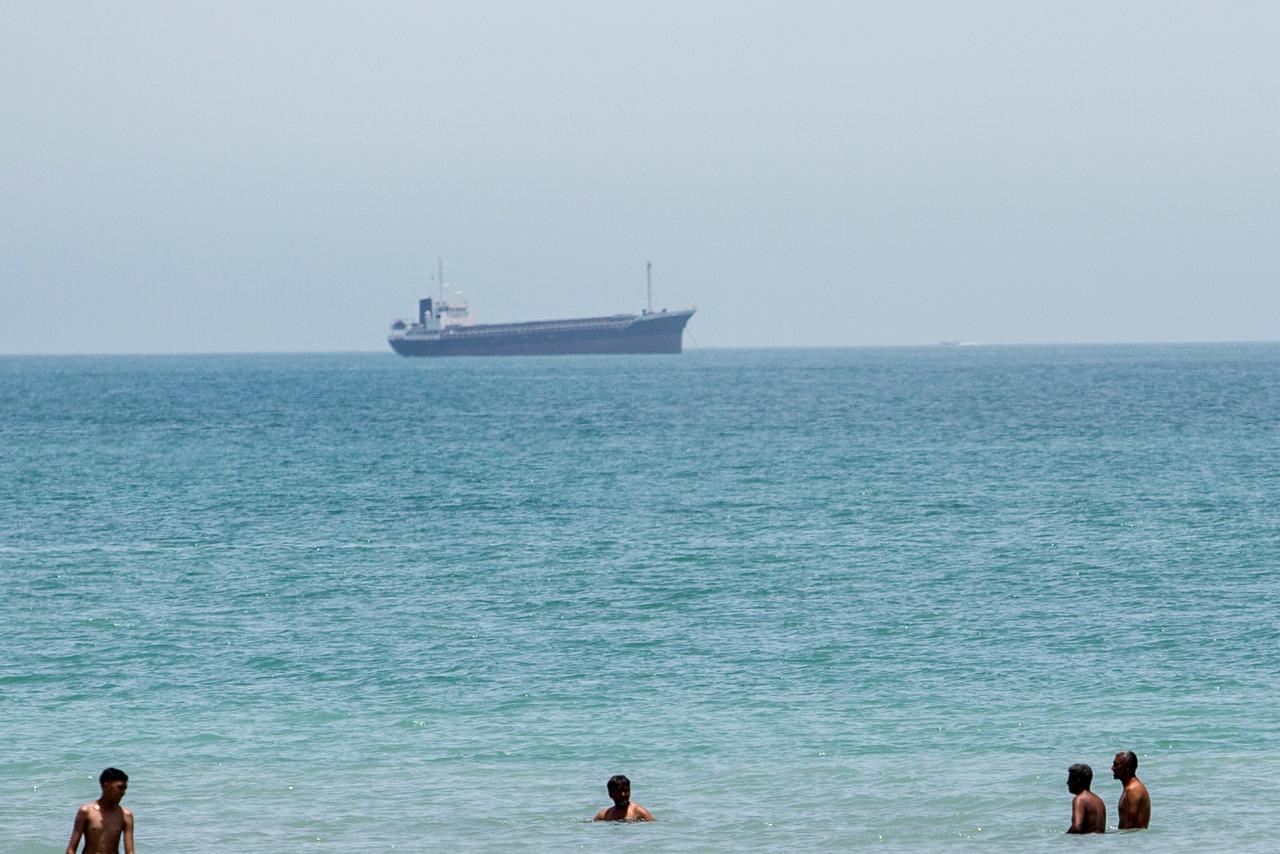
Following the Hatemu’l Enbiya Central Command’s announcement, the Islamic Revolutionary Guard Corps Navy Command warned ships not to transit the Strait of Hormuz. The warning stated that vessels must not approach the strait and that doing so would endanger their safety.
class=\
Iranian state television announced that the Iranian delegation, designated as “Minab 168,” traveling to Zurich to discuss implementation of the agreement, included the Chairman of the Iranian Parliament and Negotiation Delegation, Mohammad Bagher Kalibaf, and the Minister of Foreign Affairs, Abbas Araghchi. The delegation also included Deputy Secretary of the Supreme National Security Council Ali Bakri, Deputy Minister of Foreign Affairs Kazem Garibabad, Spokesperson Bekayi, Central Bank President Abdolnasser Hemmati, and General Director of the National Iranian Oil Company Hamid Burd.
On June 20, Israeli Channel 12 television reported that Prime Minister Benjamin Netanyahu and Defense Minister Yisrael Katz had ordered the Israeli military to halt attacks on Lebanon but to remain in occupied territories.[12] The Israeli military announced later that day that it had received a “ceasefire” order from Netanyahu, confirming that attacks on Lebanon had ceased except in areas designated as a “safe zone,” and that strikes and destruction targeting Ali al-Tahir Hill would continue.
Iranian President Masoud Pezeshkian met in Tehran with Pakistan’s Interior Minister Muhsin Nakvi, who is mediating between the United States and Iran. According to Iran’s official news agency IRNA, the meeting covered bilateral relations, border trade, regional developments, and the signed agreement.
U.S. Vice President Vance departed Washington late at night for the planned Iran talks in Switzerland. The Swiss Federal Department of Foreign Affairs confirmed that Iran’s delegation, traveling to the town of Bürgenstock in the canton of Nidwalden to discuss implementation of the signed agreement, had arrived in the country and was welcomed with satisfaction.
At the start of the day, Vance, before boarding his plane for the talks, said: “I hope we can make progress on the nuclear issue and on the ceasefire in Lebanon.” He indicated he would remain in Switzerland for only one or two days and stressed that to make the ceasefire sustainable, hostilities must be halted for a sufficiently long period.
CENTCOM Spokesperson Tim Hawkins told Axios: “Iran does not control the Strait of Hormuz,” confirming that maritime traffic continued and that U.S. forces were monitoring the situation.
Meanwhile, Fars News Agency, citing an unnamed military official, reported that the Strait of Hormuz remained closed and that no vessels would be permitted to pass until a second announcement by the Iranian Revolutionary Guard Corps Navy.
The Swiss Federal Department of Foreign Affairs announced that both the U.S. and Pakistani delegations had departed for Bürgenstock to discuss implementation of the agreement and welcomed their arrival in the country.
In Iran, Member of the Expediency Discernment Council and former Commander-in-Chief of the Islamic Revolutionary Guard Corps, Mohsen Rezaee, warned the Iranian delegation prior to the talks. Rezaee, who accused Washington of pursuing a “peace through strength” strategy, said: “The enemy has demonstrated its intent to undermine the agreement. Caution is essential; every ounce of optimism risks being exploited.”
Iranian Foreign Minister Araghchi met with Swiss Foreign Minister Ignazio Cassis in Bürgenstock to discuss issues related to the implementation of the agreement prior to his talks with the United States.
Iranian Ministry of Foreign Affairs and Negotiation Delegation Spokesperson Bekayi announced that the Iranian delegation would first meet with Pakistani and Qatari mediators, followed in the afternoon by a quadrilateral meeting involving the United States, Pakistan, and Qatar. Bekayi stated that the focus of the talks would be ending the war and implementing the agreement, and that issues such as the release of frozen assets and permission for oil sales would also be on the agenda.
President Pezeshkian, speaking at the 33rd Monetary and Banking Policies Symposium held at the Central Bank conference hall in Tehran, stated that the articles of the agreement with the United States were favorable to Iran and declared: “With the start of negotiations today, our $6 billion blocked in Qatar will be returned.”
Pezeshkian stated that the United States’ sole demand was “Iran not acquiring a nuclear bomb,” and emphasized that Iran’s nuclear activities would continue: “It is certain that we will never relinquish our right to uranium enrichment, and the other side will be forced to accept this.”
Iranian Parliament and Negotiation Delegation Chairman Kalibaf met in Switzerland with Qatari Prime Minister and Minister of Foreign Affairs Mohammed bin Abdulrahman Al Thani to discuss matters related to the implementation of the agreement.
Spokesperson Bekayi reiterated that according to Article 13 of the agreement, negotiations toward a final agreement are contingent upon the United States fulfilling its obligations under Articles 1, 4, 5, 10, and 11. “Until the provision requiring the end of all hostilities on all fronts, including Lebanon, is implemented, negotiations for a final agreement are impossible,” he said. Bekayi emphasized that the focus of the talks in Switzerland was ending all hostilities, releasing frozen assets, and establishing arrangements for oil exports..
An unnamed Iranian source speaking to Fars News Agency stated that nuclear issues were not on the agenda for the Swiss meetings and that nuclear negotiations would only be brought up after implementation of Articles 1, 4, 10, and 11 began.
Another source speaking to Tasnim News Agency stated that if Israel continues its attacks on Lebanon and Lebanon’s territorial integrity is not guaranteed, Iran will refuse to negotiate on any other issue and will not open the Strait of Hormuz.
The first technical talks regarding implementation of the signed agreement between the United States and Iran, mediated by Pakistan and Qatar, commenced in the Swiss town of Bürgenstock. Officially named the “Lake Lucerne Summit,” the talks included U.S. Vice President Vance, President Trump’s Middle East Special Representative Steve Witkoff and son-in-law Jared Kushner; Iranian delegation members Kalibaf and Araghchi; Pakistani Prime Minister Sharif and Chief of Army Staff Munir; and Qatari Prime Minister Al Sani.
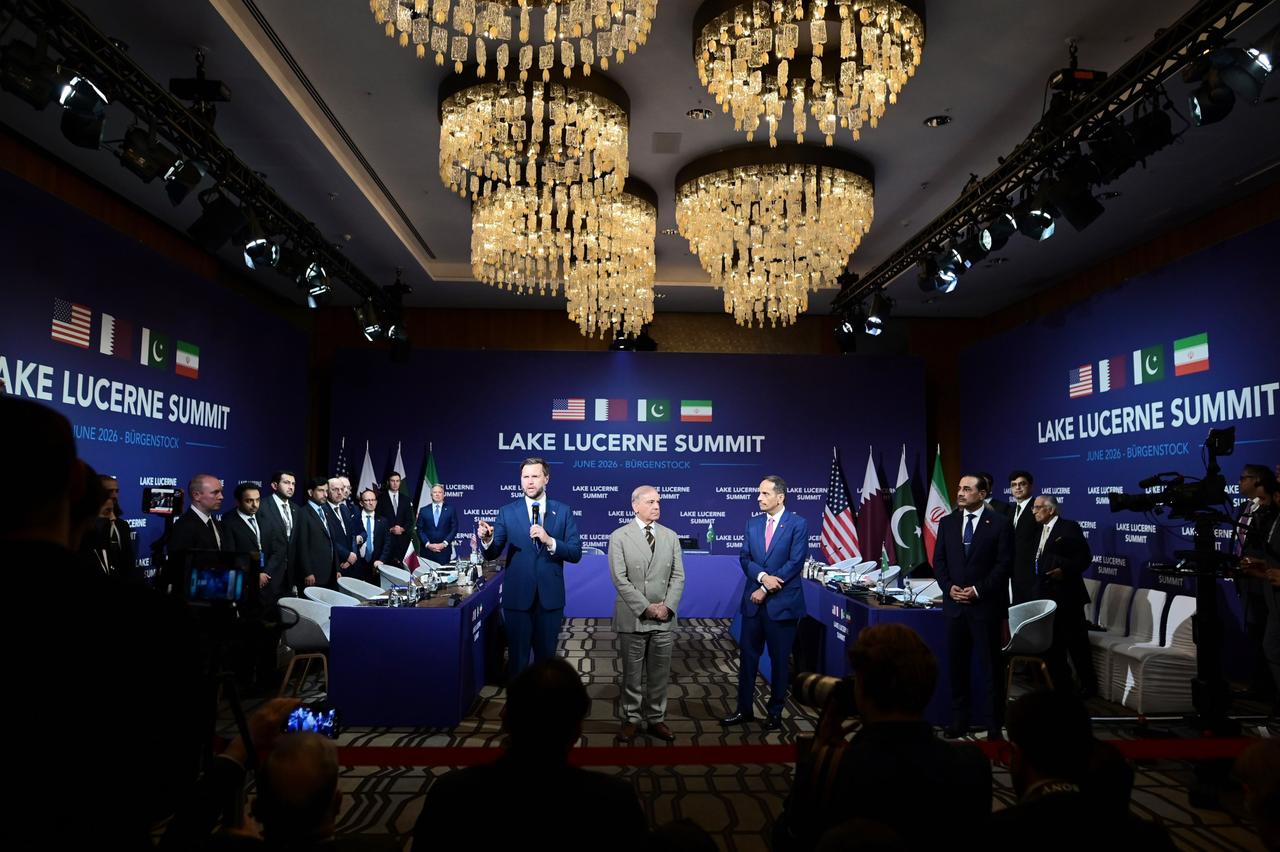
class=\
According to a source close to the Iranian delegation speaking to Tasnim News Agency, the Iranian delegation opposed a planned handshake and joint photo opportunity with the U.S. delegation prior to the multilateral talks; as a result, the live broadcast and photo ceremony proceeded without the Iranian delegation.
Qatari Ministry of Foreign Affairs Spokesperson Majid bin Mohammed Al Ansari announced that expert technical groups had been established to negotiate final agreement articles covering all aspects of the signed agreement. He thanked Pakistan for its mediation efforts and expressed appreciation to Türkiye for contributing to a positive atmosphere, as well as to Saudi Arabia, Egypt, and the United Arab Emirates for their support.
During the talks, Trump, in a phone interview with Fox News, said he had spoken with Iranian officials about the Strait of Hormuz and threatened: “If they close the strait, they will have no country left.”
Trump stated that if necessary, the United States could seize control of the Strait of Hormuz and charge transit fees, and could take 20 percent of the oil passing through. In response to Pezeshkian’s declaration that Iran would never abandon its right to uranium enrichment, Trump replied: “He should watch what he says, or we will take the rest of the country.” He also posted on social media that Iran must prevent its “high-paid proxy forces” in Lebanon from causing trouble, or the United States would deliver “another very harsh blow” to Iran.
U.S. Vice President Vance, before the quadrilateral meeting, said “significant progress” had been made in just the last few hours and that “more progress” was expected. Vance claimed that the reopening of the Strait of Hormuz and the end of Iran’s nuclear program had already been achieved, and stated that the goal was to transform the Middle East through diplomacy and cooperation..
Qatari Prime Minister Al Sani stated that the meeting was “only the beginning of achieving our goals,” and that the real celebration would occur only upon reaching a final agreement.
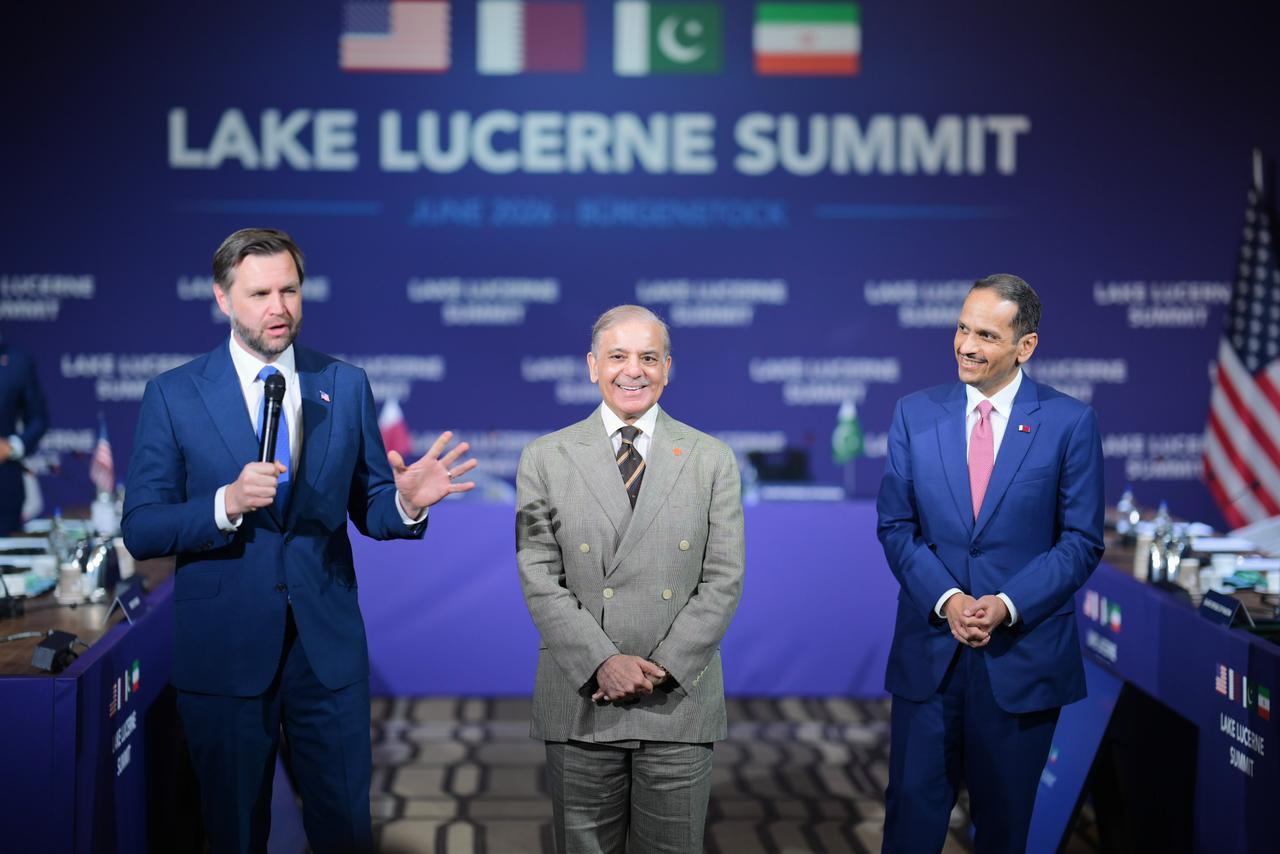
class=\
According to Fars News Agency, shortly after the quadrilateral talks began, they were suspended for internal consultations. During this time, Swiss Foreign Minister Cassis held separate meetings with Vance and Sharif to discuss implementation of the agreement, reiterating Switzerland’s readiness to mediate and reminding all parties that Switzerland had served as the protecting power for U.S. interests in Iran for nearly 50 years.
Israeli Prime Minister Netanyahu asserted that Israel would maintain its occupation of southern Lebanon “as long as necessary.”[43] In a speech at a summit organized by the Jewish News Syndicate (JNS), Netanyahu claimed that Israel’s attacks had destroyed Iran’s nuclear infrastructure and laid the groundwork for “the future downfall” of the Tehran regime.
Iranian Parliament and Negotiation Delegation Chairman Kalibaf responded to Trump’s threats with: “We do not take American threats seriously.”
Fars News Agency reported that the Iranian delegation had left the negotiation venue following Trump’s threats. However, a diplomat speaking to Axios reporter Barak Ravid stated that the Iranian delegation had not left and that talks were continuing.
Hezbollah Secretary General Naim Qassem stated that a ceasefire granting Israel freedom of movement would mean “continuation of attacks” and was unacceptable. He emphasized: “Israel will not remain in Lebanon,” demanding Israel’s withdrawal from all occupied territories.
Iranian delegation member Hossein Kourbanzadeh stated that the draft for the temporary lifting of sanctions on Iranian oil had been finalized. He confirmed discussions with the Qatari delegation regarding the release of frozen assets and emphasized that “the most important issue of the talks was Article 13 of the agreement.”
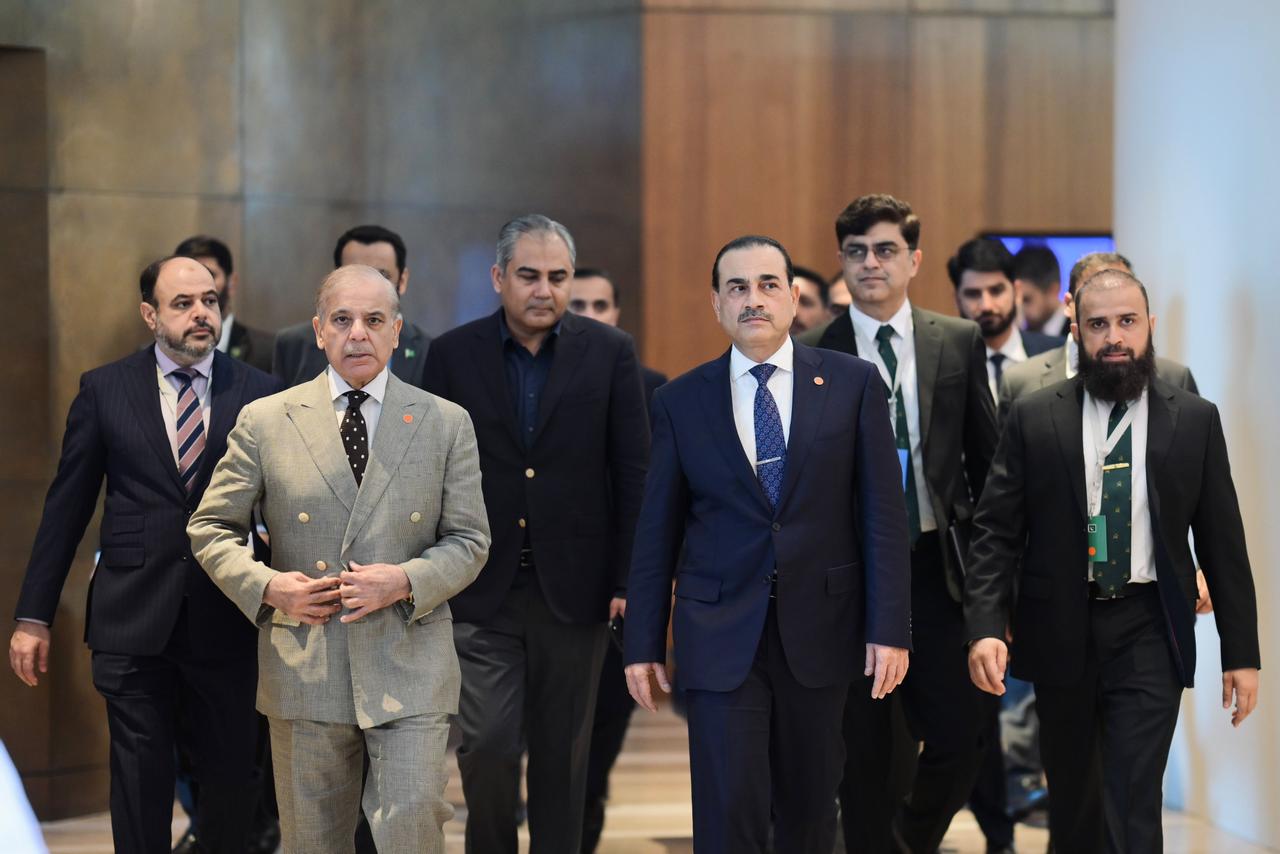
class=\
Pakistan Prime Minister Sharif stated that the Iranian leadership was “sincere” in its support for peace in the Middle East, praised Tehran’s “honorable approach” to the crisis, and described Trump as a “man of peace.”
Late at night, Pakistani sources indicated that the negotiations in Switzerland had not ended but were suspended, and that the likelihood of their resumption on the same day was low. The sources reported that Pakistani and Qatari officials remained in contact with Iranian negotiators and were actively working to persuade them to resume talks.
The Foreign Ministries of Qatar and Pakistan announced that the quadrilateral talks between the United States and Iran in Bürgenstock had successfully concluded the first round “in a positive and constructive atmosphere.” The joint statement noted progress in various areas, including the establishment of a mechanism to continue technical negotiations.
According to the statement, the parties agreed to establish a high-level committee to oversee the political dimensions of mediation efforts and to adopt a roadmap aiming to reach a final agreement within 60 days. The chief negotiators will lead working groups on nuclear issues and sanctions and will provide regular reports to the committee.
The statement also noted the establishment of a communication channel between the parties to ensure safe passage of commercial vessels through the Strait of Hormuz and prevent potential misunderstandings. The parties agreed to establish a de-confliction cell involving both sides and Lebanon to prevent military clashes in Lebanon. It was emphasized that technical talks would continue throughout the week in Bürgenstock.
Following the first round of talks, Iranian Foreign Minister Araghchi stated that significant progress had been made toward ending the war in Lebanon: “Progress has been made toward ending the war in Lebanon under the mediation of Pakistan and Qatar.”
Araghchi emphasized that restrictions on Iran’s oil exports had been lifted, sanctions had ended, and part of Iran’s frozen assets had been released. He stated that the newly established de-confliction cell to prevent conflict in Lebanon would be the “first real test.”
Iranian Ministry of Foreign Affairs Spokesperson Bekayi also confirmed that the Iranian delegation’s work in Switzerland had been “completed,” and that technical teams would continue their efforts to ensure the effective implementation of the agreement.
Al Jazeera. "Iran War Live: US-Tehran Agree Roadmap to Reach Final Deal in 60 Days." Al Jazeera Live Blog. Accessed June 22, 2026. https://www.aljazeera.com/news/liveblog/2026/6/22/iran-war-live-first-day-of-us-talks-covers-lebanon-hormuz-frozen-assets
Anadolu Ajansı. "ABD Başkan Yardımcısı Vance, İran ile Görüşmelerde Büyük İlerleme Kaydedildiğini Belirtti." Anadolu Ajansı. Accessed June 22, 2026. https://www.aa.com.tr/tr/dunya/abd-baskan-yardimcisi-vance-iran-ile-gorusmelerde-buyuk-ilerleme-kaydedildigini-belirtti/3973759
Anadolu Ajansı. "Katar ve Pakistan: İsviçre’deki ABD-İran Müzakerelerinin Birinci Turu Olumlu ve Yapıcı Atmosferde Tamamlandı." Anadolu Ajansı. Accessed June 22, 2026. https://www.aa.com.tr/tr/dunya/katar-ve-pakistan-isvicredeki-abd-iran-muzakerelerinin-birinci-turu-olumlu-ve-yapici-atmosferde-tamamlandi/3974039
Anadolu Ajansı. "İran ve ABD Heyetleri Öğleden Sonra Görüşecek." Anadolu Ajansı. Accessed June 22, 2026. https://www.aa.com.tr/tr/dunya/iran-ve-abd-heyetleri-ogleden-sonra-gorusecek/3973492
Associated Press. "US-Iran Negotiations End, Technical Talks Will Continue After Trump Shakes Talks with Threats." Associated Press. Accessed June 22, 2026. https://apnews.com/article/iran-vance-trump-nuclear-negotiations-2edf9268aae550883252080014013963
BBC News. "First Round of US-Iran Talks Ends with ‘Encouraging Progress’, Mediators Say." BBC News. Accessed June 22, 2026. https://www.bbc.com/news/articles/cwy0q41v1lzo
CNN. "June 21, 2026 - Negotiations with Iran After Trump’s Threat Disrupts Talks." CNN Live Updates. Accessed June 22, 2026. https://edition.cnn.com/2026/06/21/world/live-news/iran-war-trump-israel-lebanon
The Swiss Federal Department of Foreign Affairs, in a written statement issued on 22 June, welcomed the “constructive progress” recorded during intense diplomatic talks held in Bürgenstock throughout the night of 21 to 22 June, referencing a joint statement issued the same day by mediators Qatar and Pakistan. The statement noted with approval the decision by the parties to establish a high-level committee based on a framework of mutual understanding, emphasizing that this committee would represent a positive step toward structuring the next phase of the political and technical process.
The statement also welcomed the agreement on a roadmap aimed at reaching a final agreement within 60 days, noting that this roadmap creates the conditions for the immediate resumption of new technical talks. “Switzerland, in line with its tradition of good-faith initiatives, is prepared to support this process. Our goal is for diplomacy to contribute to reducing tensions, ensuring stability and achieving peace,” it stated.
Pakistan’s Prime Minister Shahbaz Sharif, in a statement posted on his social media account on 22 June, declared that the first high-level committee meeting held in Bürgenstock had ended “successfully.” Sharif highlighted that the talks were conducted in a positive and constructive atmosphere, noting “encouraging progress” including agreement on a roadmap toward a final agreement within 60 days and the establishment of a high-level committee for political oversight.
Sharif expressed appreciation for Iran and the United States for their “consistent commitment to constructive dialogue,” and thanked all “brotherly and friendly countries.” He further extended special thanks to Qatar for providing vital support in creating the necessary conditions for progress in the negotiations and to the Swiss government for hosting the talks.
Lebanese President Joseph Aoun, during a meeting with a delegation from the Maronite League on 22 June, affirmed Lebanon’s status as a sovereign state and welcomed all efforts to end the war, while rejecting any interference in its internal affairs. Aoun stated, “We distinguish between assistance and interference in internal affairs. We are a sovereign state and no one can negotiate on our behalf.”
Aoun emphasized that the state guarantees the security of all its citizens and defended the principle that “it is the state, not the sects,” that protects everyone. He noted that there is no alternative to a strong and unified state representing all Lebanese. Aoun affirmed that political disagreement is a democratic right but stressed that under Lebanon’s current conditions, division among its people must not be permitted. He identified the most effective path to combat corruption as the widespread adoption of e-government applications and the establishment of an independent judiciary.
Iran’s Judiciary Spokesperson Asgar Jihangir, during a weekly press briefing in Tehran on 22 June, announced that a total of 3,519 people lost their lives in attacks launched by the United States and Israel against Iran on 28 February. Jihangir reported that of those killed, 3,002 were men and 517 were women. He added that many of those who died in the explosions suffered severe damage to their bodily integrity and that considerable efforts were made to return the bodies to their families.
Iranian President Masoud Pezeshkian, in a speech delivered on 22 June at the Leaders Conference Hall in Tehran on the occasion of National Entrepreneurs Day, stated that Iran had attended the negotiations with the United States in Switzerland without making any concessions. Addressing criticism within the country regarding the negotiation process, Pezeshkian said, “Every message that leads to fragmentation and division is carrying water to the enemy’s mill. Such a climate of compromise has never existed before.”
Pezeshkian affirmed that Iran would not retreat if the other side disregarded its rights during negotiations. He noted that, at Iran’s request, the United States had withdrawn from Lebanon and that some positive developments had occurred.
U.S. Vice President JD Vance, in a statement made before leaving Bürgenstock on 22 June, said the United States had made considerable progress in weekend negotiations with Iran and had laid a “solid foundation for a successful final agreement.” Vance asserted that the Strait of Hormuz remains open, noting that oil and gas prices have begun to fall and that millions of barrels of crude oil and natural gas are now flowing through the strait. He added that the United States seeks to establish a coordination center to clear the strait of mines.
Vance stated that the United States wants to establish and has already established a “conflict prevention mechanism.” He said, “If fighting breaks out, if Hezbollah fires on Israel or if Israel responds, or if other conflicts emerge in the region, we must be able to talk to each other about how to stop the fighting, how to make the region safer, and how to protect our allies and everyone else.”
Vance highlighted that Iran has agreed to again invite inspectors from the International Atomic Energy Agency (IAEA), describing this as “the most exciting development for Americans and a major turning point.” He argued that this marks the “first step toward the permanent end of Iran’s nuclear weapons program.” Vance acknowledged claims circulating in international public opinion that Iran might withdraw from negotiations but noted that while the Iranian delegation had threatened to leave, it did not walk away. He confirmed that talks continued past 1:00 a.m. and that technical teams continued working.
Vance emphasized that Lebanon’s territorial integrity and sovereignty will be preserved and expressed confidence that achieving a point where Israel’s security is guaranteed will require “a great deal of work.” He stated this will require coordination with Lebanon’s armed forces and that Iran must rein in Hezbollah. Vance noted that the United States and Qatar have approved the release of Iran’s frozen assets and claimed the funds will be used to purchase “American soybeans, American corn and American wheat,” calling this a “classic Trump deal.”
Israeli President Isaac Herzog, in a speech at the Jewish News Syndicate’s International Policy Summit on 22 June, stated that serious concerns have emerged in Israel following the U.S.-Iran agreement. Herzog referred to the decision to establish a mechanism involving Tehran for a ceasefire in Lebanon and expressed concern that funds allegedly allocated to Iran could be redirected toward war efforts.
Herzog argued that Iran should not have a say in Lebanon’s future and insisted that the dispute must be resolved through direct negotiations between Israel and Lebanon. He claimed that linking the issue to Iran would “weaken the Lebanese.” Herzog noted that new talks between Israel and Lebanon would be held in Washington the following day. He described Trump as “Israel’s reliable partner” and rejected “any derogatory remarks” directed at senior officials in the administration.
Israeli Prime Minister Benjamin Netanyahu, for the first time since the decision to establish a new mechanism to monitor the ceasefire in Lebanon following the Iran-U.S. negotiations, spoke on 22 June. In a video statement released by the Prime Minister’s Office, he affirmed that the directives issued to the Israeli military by himself and Defense Minister Yisrael Katz had not changed. Netanyahu asserted that despite the ceasefire, “Israeli soldiers in southern Lebanon retain full freedom of movement,” stating that the military faces no restrictions and will remain in the territories it occupies.
U.S. President Donald Trump, in a social media post on 22 June, addressed the issue of nuclear weapons development in the ongoing negotiations with Iran, saying, “Everyone is well aware that Iran will accept comprehensive arms inspections to ensure ‘nuclear honesty’ for a long time to come.”
Iran’s Foreign Ministry and Negotiation Delegation Spokesperson Ismail Bekayi responded on 22 June to Vance’s claims that Iran had approved the reinvitation of IAEA inspectors and that the IAEA would begin inspections in Iran. Bekayi stated that Iran’s relations with the IAEA will proceed in accordance with its commitments under inspection agreements and decisions of the Iranian Parliament and the National Security Council.
In another statement made by Vance before returning from Switzerland to the United States on 22 June, he said the process is “laying the foundation for a transformed Middle East,” but that the construction phase is not yet complete. Vance stressed that the Tehran administration must be assessed “not by its words but by its actions.” He added, “You cannot trust anyone’s words. You must trust what they actually do. The admission of inspectors is an important step, but we still need to see what they will be allowed to do once they enter the country.”
Vance emphasized that the inspection regime will be strengthened to guarantee that Iran never acquires nuclear weapons again.
U.S. President Trump, while answering journalists’ questions during a signing ceremony in the Oval Office at the White House on 22 June, said the process with Iran was progressing positively and added, “If Iran does not fulfill the requirements of the agreement or behaves appropriately, I will do what I must.” Trump claimed Iran has suffered serious losses, saying, “Its navy is gone, its air force is gone, its leaders are dead, its economy has collapsed.” He also alleged that Iran’s missiles, drones and air defense systems have suffered heavy damage.
Trump pointed to the open status of the Strait of Hormuz, stating, “We have achieved two important results. First, the strait is open and will remain open. Second, Iran will never possess nuclear weapons.” He claimed the United States has “full control” over the strait and argued that the naval blockade against Iran has been more effective than air strikes, saying a similar measure could be reimposed if necessary. “As long as they show us respect, we will have no problems,” he said.
In response to a question about the impact of Netanyahu’s statement that the Israeli military will maintain its presence in Lebanon, Trump replied, “I am a problem solver, and I solve problems very quickly.” Without directly criticizing Netanyahu, he praised the diplomacy of Foreign Minister Marco Rubio and also commended Vice President Vance’s statements from Switzerland, saying, “He is a very smart man and did an outstanding job.”
On 23 June, an unnamed U.S. official stated that the U.S. Central Command (CENTCOM) had launched a “monitoring mechanism” to observe the ceasefire and “conflict” situation in Lebanon, with the aim of “ending violence.” The official noted that this step followed telephone conversations between U.S. Secretary of State Marco Rubio and Israeli Prime Minister Netanyahu and Lebanese President Aoun, adding, “We are enabling Israel and Lebanon, as two sovereign states, to meet and find a path to peace and security.” The official affirmed that talks would continue toward a comprehensive peace and security agreement between the two countries.
Iranian President Pezeshkian, in a social media statement on 23 June, emphasized that the progress achieved in talks with the United States depends on the parties’ commitment to the obligations outlined in the framework agreement and its full implementation. Pezeshkian warned that any statements beyond the agreed text would negatively affect negotiations and noted that progress in the negotiation process must be measured by the actual fulfillment of responsibilities.
Deputy Foreign Minister Kazem Garibabadi, who led the Iranian delegation in technical negotiations with the United States in Switzerland, announced on 23 June that the technical talks had been completed. He stated that the parties had agreed to establish four working groups on the following topics: “lifting sanctions,” “nuclear issues,” “restructuring and economic development,” and “monitoring and implementation.” These groups will address technical details.
Garibabadi announced that the parties had also agreed to establish a contact point to coordinate the safe passage of commercial vessels through the Strait of Hormuz and a joint coordination unit to prevent conflicts in Lebanon. He said future negotiations will be conducted under the oversight of a high-level committee chaired by Iran’s Speaker of Parliament and Foreign Minister, the U.S. Vice President, and the Prime Ministers of Pakistan and Qatar. Technical team leaders will coordinate with working groups and coordination units and submit regular reports to the committee.
Garibabadi confirmed that an agreement had been reached to immediately move into the implementation phase of two signed agreements totaling $12 billion (two installments of $6 billion each). He noted that during the technical talks, Iran had received a general license for all sales of its crude oil and petrochemical products and that necessary procedures for the release of frozen assets had been completed. He reminded that the general license had been published on the website of the U.S. Department of the Treasury’s Office of Foreign Assets Control (OFAC).
Spokesperson Bekayi, during a weekly press briefing in Tehran on 23 June, responded to claims that the released frozen assets would be used to purchase specific products, saying, “There is no restriction on the use of frozen assets. They will be used in whatever way benefits the country.”
In response to a question about whether a trust relationship could be established with the United States economically if it fulfills its obligations under the framework agreement, Bekayi replied, “We will think about tomorrow’s possibilities tomorrow. Our current focus is on ensuring the United States fulfills its obligations under the framework agreement. A long process lies ahead.” He confirmed that the Iranian delegation did not meet with IAEA Director General Rafael Mariano Grossi during the talks in Switzerland and that no program exists for the IAEA to begin inspections at damaged nuclear facilities. “Iran’s defense capabilities and missile program were never discussed and will never be a subject of negotiation,” he said.
Bekayi also emphasized that, according to the framework agreement, the United States must not increase its military presence in the region during negotiations and must withdraw its military elements from areas near Iran after a final agreement. He noted that Iran is closely monitoring this issue. Bekayi also mentioned Rubio’s upcoming visit to the United Arab Emirates, Kuwait and Bahrain, stating that any security mechanisms emerging in the region must be based solely on cooperation among regional countries and that the consequences of the U.S. military presence in the region are already evident.
Pakistan’s Prime Minister Sharif, in a speech delivered in the National Assembly on 23 June, stated that Pakistan had served as a bridge to bring both sides to the table and that negotiations, which began on Sunday, ended after midnight on Monday. Sharif noted that technical talks between the United States and Iran will continue for the next two months, covering Iran’s nuclear program, ballistic missile capacity, lifting of sanctions and release of frozen assets.
Sharif said, “If ongoing negotiations are successfully concluded, the framework agreement could evolve into a permanent and long-term agreement within 60 days.” He also shared information that Iranian President Pezeshkian will visit Pakistan to discuss bilateral relations and economic cooperation.
On 23 June, Iranian President Pezeshkian traveled to Pakistan at the invitation of Pakistani Prime Minister Sharif and Chief of Army Staff General Asim Munir. Before his departure, Pezeshkian stated that Pakistani officials have played a vital role in the diplomatic process with the United States and that his visit aims to ensure that all provisions of the framework agreement are implemented within the framework of international law and in accordance with the rights and freedoms of the Iranian people.
Pezeshkian emphasized that Iran seeks the full implementation of the agreement, saying, “The implementation of this framework agreement could reduce many problems in the region.” He said that during his visit to Pakistan, discussions would cover trade, economy, culture, security and military affairs, as well as peace and security. He noted that expanding Iran’s relations with Turkey, Qatar, Saudi Arabia and other Islamic countries in the region remains a top priority of the government, consistent with the approach emphasized by Iran’s Supreme Leader Ayatollah Khamenei.
Omani Sultan Haitham bin Tariq received the Iranian delegation led by Speaker of the Iranian Parliament Mohammad Bagher Kalibaf and Foreign Minister Abbas Araghchi in Muscat on 23 June, following the talks in Switzerland. According to Oman’s official news agency ONA, the meeting addressed recent developments in the Iran-U.S. negotiations, with Sultan Haitham obtaining information from the Iranian delegation. The Sultan expressed his hope that “safe navigation in the Strait of Hormuz will be restored and that peaceful and final solutions will be found for all issues, especially the nuclear matter.”
Iranian Parliament Speaker Kalibaf, in a statement made upon returning from Switzerland on 23 June, said the talks had achieved “significant gains” particularly on the Strait of Hormuz, Lebanon, oil exemptions and the release of frozen assets, but stressed that the process is still at an early stage and that work must continue.
Kalibaf said preparatory work for the release of two separate $6 billion installments under Article 11 of the framework agreement was completed during a visit to Qatar, with the final signature occurring during the Swiss visit. He noted that under Article 10, a general exemption from sanctions on the sale of crude oil, petrochemicals and derivatives has been granted, valid until the final agreement, and that related agreements have been signed. On Lebanon, Kalibaf said an agreement was reached to establish a coordination center to prevent escalation into conflict and to ensure Israel’s withdrawal from occupied areas. Regarding the Strait of Hormuz, he reiterated that “the management of the strait will never return to its pre-war condition,” and that an emergency communication line and coordination center have been agreed upon.
Iranian Central Bank President Abdolnasser Hemmati responded to Trump’s claim that the released funds would be used to purchase American agricultural products by stating that Iran has “no obligation” to buy from the United States. Hemmati said that according to the agreement, the first $6 billion may be used to purchase essential goods and medicines, but if American products are competitively priced and of good quality, there is no barrier to purchasing them from the United States. The second $6 billion may be used to purchase other products outside the scope of sanctions.
The U.S. Department of the Treasury has exempted Iran’s sales of crude oil, petrochemicals and oil products from sanctions until 21 August, a move described as granting Iran the ability to sell oil in U.S. dollars for the first time in decades. Democratic members of the U.S. House of Representatives Committee on Foreign Affairs criticized the administration on social media for granting comprehensive sanctions relief without progress on nuclear programs and proxy forces, arguing that these steps are “inconsistent with the administration’s own rhetoric.”
Following their meeting in Muscat on 23 June, Iranian Parliament Speaker Kalibaf and Omani Foreign Minister Badr Albusaidi confirmed their commitment to the principle of “navigation without transit fees” through the Strait of Hormuz. Albusaidi noted that constructive talks had been conducted on the agreement’s provisions concerning the Strait and emphasized the parties’ adherence to international law and free passage. Iran reiterated that the management of the strait will not revert to its pre-war state, while affirming that current transit will remain free of charge.
Al Jazeera. "Iran War Live: US to Release Iran Funds; Israeli Fire Kills 2 in Lebanon." Al Jazeera Live Blog. Accessed June 23, 2026. https://www.aljazeera.com/news/liveblog/2026/6/23/iran-war-live-tehran-to-access-billions-in-frozen-funds
Al Jazeera. "Iran War Updates: Trump Says Iran ‘Will Agree’ to Allow Weapons Inspections." Al Jazeera Live Blog. Accessed June 23, 2026. https://www.aljazeera.com/news/liveblog/2026/6/22/iran-war-live-first-day-of-us-talks-covers-lebanon-hormuz-frozen-assets
Anadolu Ajansı. "ABD Başkanı Trump’tan ‘İran Uygun Davranmazsa Gerekeni Yaparım’ Uyarısı." Anadolu Ajansı. Accessed June 23, 2026. https://www.aa.com.tr/tr/dunya/abd-baskani-trumptan-iran-uygun-davranmazsa-gerekeni-yaparim-uyarisi/3974989
Anadolu Ajansı. "Katar: ABD-İran Arasındaki Müzakereleri Sabote Etmek İsteyen Taraflar Var." Anadolu Ajansı. Accessed June 23, 2026. https://www.aa.com.tr/tr/dunya/katar-abd-iran-arasindaki-muzakereleri-sabote-etmek-isteyen-taraflar-var/3974698
Anadolu Ajansı. "Son Gelişmeler: ABD-İsrail-İran-Lübnan Savaşı ve Barış Müzakereleri." Anadolu Ajansı Live Blog. Accessed June 23, 2026. https://www.aa.com.tr/tr/live-blog/son-gelismeler-abd-israil-iran-lubnan-savasi-ve-baris-muzakereleri/4281
Anadolu Ajansı. "Vance, İran ile Başarılı Nihai Anlaşma İçin İyi Bir Temel Attıklarını Söyledi." Anadolu Ajansı. Accessed June 23, 2026. https://www.aa.com.tr/tr/dunya/vance-iran-ile-basarili-nihai-anlasma-icin-iyi-bir-temel-attiklarini-soyledi/3974544
Anadolu Ajansı. "İran Cumhurbaşkanı Pezeşkiyan: ABD ile Mutabakatın Uygulanmasıyla Bölgedeki Birçok Sorun Azalabilir." Anadolu Ajansı. Accessed June 23, 2026. https://www.aa.com.tr/tr/dunya/iran-cumhurbaskani-pezeskiyan-abd-ile-mutabakatin-uygulanmasiyla-bolgedeki-bircok-sorun-azalabilir/3975195
Anadolu Ajansı. "İran Cumhurbaşkanı Pezeşkiyan: Ayrışmaya Yol Açacak Her Mesaj Düşmanın Değirmenine Su Taşımaktır." Anadolu Ajansı. Accessed June 23, 2026. https://www.aa.com.tr/tr/dunya/iran-cumhurbaskani-pezeskiyan-ayrismaya-yol-acacak-her-mesaj-dusmanin-degirmenine-su-tasimaktir/3974552
Anadolu Ajansı. "İran, ABD’yle İsviçre’deki Teknik Görüşmelerin Çalışma Grupları Kurulması Uzlaşısıyla Sona Erdiğini Açıkladı." Anadolu Ajansı. Accessed June 23, 2026. https://www.aa.com.tr/tr/dunya/iran-abdyle-isvicredeki-teknik-gorusmeler-calisma-gruplari-kurulmasi-uzlasisiyla-sona-erdi-/3975228
Anadolu Ajansı. "İran: ABD ile İsviçre’deki Teknik Görüşmeler, Çalışma Grupları Kurulması Uzlaşısıyla Sona Erdi." Anadolu Ajansı Live Blog. Accessed June 23, 2026. https://www.aa.com.tr/tr/live-blog/iran-abd-ile-isvicredeki-teknik-gorusmeler-calisma-gruplari-kurulmasi-uzlasisiyla-sona-erdi/4323
BBC News. "Iran Says No New Commitments on Nuclear Sites After Vance Says Inspectors to Be Invited Back." BBC News. Accessed June 23, 2026. https://www.bbc.com/news/articles/c3vy3nr63gxo
CNN. "June 22, 2026 - Vance and Iranian State Media Issue Conflict Over UN Nuclear Inspector Access." CNN Live Updates. Accessed June 23, 2026. https://edition.cnn.com/2026/06/22/world/live-news/iran-war-trump-israel-lebanon-hnk
U.S. Central Command (CENTCOM) announced that it conducted air strikes against Iran in response to yesterday’s attack on a commercial vessel transiting the Strait of Hormuz. The statement indicated that U.S. aircraft targeted Iranian missile and unmanned aerial vehicle storage facilities as well as coastal radar sites following Iran’s unilateral drone attack on the vessel M/V Ever Lovely on 25 June. The Singapore-flagged vessel was recorded as exiting the Strait of Hormuz off the coast of Oman at the time of the attack.
The U.S. statement asserted that Iran’s attacks on commercial maritime traffic clearly violated the ceasefire and endangered freedom of navigation. It emphasized that U.S. forces continue to provide safe passage coordination and support to commercial vessels transiting the Strait.
On the night of 27 June, Iranian media published a statement attributed to the Islamic Revolutionary Guard Corps (IRGC), claiming that an attack by the U.S. on the Iranian town of Sirik, located in Hormozgan Province, had been “neutralized” and that a response would be delivered at a time and place of Iran’s choosing. The statement, shared by outlets such as ISNA and Tabnak, read: “Our naval and air forces successfully neutralized this attack, forced the aggressor forces to retreat, and preserved Iran’s sovereignty over its land and waters. We emphasize that this aggression will not go unanswered and our response will be swift and decisive at the time and place we choose.”
However, Fars News Agency, citing information from the IRGC Spokesperson’s Office, announced that statements attributed to the military regarding the recent conflict with the U.S. were inaccurate. Following this, several news agencies retracted their reports.
Ibrahim Azizi, Chairman of Iran’s Majlis National Security and Foreign Policy Commission, stated on his social media account: “The U.S. has attacked Iran once again amid negotiations. The failed U.S. president (Trump) has demonstrated his disregard for negotiation principles or the ceasefire. This reckless violation of the ceasefire will, as always, force them to retreat and regret their actions. The blame game no longer works.”
Iranian state television reported that two missiles struck near a communications tower during the U.S. attack on the town of Sirik.
U.S. Vice President JD Vance, quoting CENTCOM’s statement, remarked: “Iran signed a ceasefire agreement. We complied. If there are disagreements about how the understanding is being implemented, they can pick up the phone.” He added: “But violence will be met with violence.”
The Islamic Revolutionary Guard Corps, in a written statement, announced that in response to U.S. strikes on the town of Sirik, it had struck U.S. military deployment sites in the region. The statement accused the U.S. of launching air strikes against Iranian coastal areas under the pretext of intervening in a vessel violating an unauthorized route in the Strait of Hormuz and of violating the ceasefire, as Israel has done in Lebanon.
According to the statement, Article 5 of the Understanding stipulates that Iran will manage traffic in the Strait of Hormuz, but the U.S. is attempting to violate this provision by provoking various parties. The statement added: “An appropriate response has been delivered and this will continue. If aggression is repeated, our response will be more comprehensive.”
Iran’s Ministry of Foreign Affairs, in a statement issued on 27 June, condemned “the terrorist U.S. military’s air strikes against various points along Iran’s southern coast on Friday evening, 27 June 2026.” The statement asserted that the attacks targeting coastal surveillance facilities constituted a clear violation of Article 2, Paragraph 4 of the United Nations Charter and the first article of the Understanding on the Termination of the Imposed War of 18 June 2026. It reaffirmed Iran’s right to defend its national sovereignty and interests and stated that retaliatory actions against U.S. elements were carried out in accordance with the right to legitimate self-defense.
The Bahrain Ministry of Foreign Affairs strongly condemned Iran for targeting its territory with a series of unmanned aerial vehicles (UAVs) on the morning of 27 June. The statement emphasized that Iran’s attacks clearly violated Bahrain’s sovereignty and endangered civilian lives, adding: “We strongly condemn these attacks, which contravene international norms and treaties prohibiting targeting civilian areas.” It held Iran fully responsible for undermining peace efforts.
Mohsen Rezai, advisor to Iran’s Supreme Leader Ayatollah Khamenei and former commander of the Islamic Revolutionary Guard Corps, accused the U.S. of creating tension in the Strait of Hormuz by supporting its proxy forces and violating Articles 1 and 5 of the Understanding. He stated: “Any violation of any provision of the Understanding will be met with a swift and overwhelming response.”
On 28 June, the Kuwaiti military announced that its air defense systems had been activated to intercept missiles and “hostile UAVs,” noting that audible explosions heard by citizens resulted from these interception operations. The Bahrain Ministry of Interior warned citizens of a possible attack, urging them to remain calm, proceed to the nearest safe area, and follow developments through official channels.
Later that day, the Islamic Revolutionary Guard Corps (IRGC) announced that in response to the U.S. strikes, it had launched missile and UAV attacks against U.S. military bases in Kuwait and Bahrain. According to IRNA, the statement indicated that in a coordinated operation by the IRGC Navy and Aerospace Forces, a total of eight key U.S. military facilities were struck, including the Ali Al Salem Air Base in Kuwait and the Salman Port in Bahrain, home to the U.S. Fifth Fleet.
The statement described the operation as retaliation for the U.S. strikes on five Iranian coastal locations in the Strait of Hormuz. It reaffirmed Iran’s responsibility under the Islamabad Understanding for managing maritime traffic in the Strait and warned that interventions against vessels violating the rules would become even more forceful. It further emphasized that any future attack against Iran would be met with overwhelming force, that violating the ceasefire contravened Article 1 of the Islamabad Understanding, and that such a continuation would halt all ongoing processes.
U.S. President Trump, in a social media post following the attacks, stated that U.S. aircraft had targeted Iranian missile and UAV storage facilities and coastal radar sites on the grounds that Iran had “repeatedly violated the ceasefire.” He claimed Iran would “not learn its lesson,” adding: “We may reach a point where reason no longer applies, and we may be forced to complete what we started militarily. If that happens, Iran will no longer exist.”
Iran’s Ministry of Foreign Affairs, in a statement issued on 28 June, “strongly condemned” the “terrorist U.S. military’s attacks” on 28 June 2026, early in the morning, against Iranian coastal areas including Kish Island and Sirik. The statement asserted that these attacks were a clear violation of Article 2, Paragraph 4 of the UN Charter and Article 1 of the Understanding, demonstrating the U.S.’s disregard for its obligations. It reiterated that retaliatory actions against U.S. elements were carried out in accordance with the right to legitimate self-defense.
IRGC Spokesperson Brigadier General Hossein Mohibbi, in an interview with Tasnim News Agency, stated that “the enemy,” as previously demonstrated, is deceitful and unreliable and has acted even during negotiations. He added: “We have responded to all the enemy’s initiatives.” Mohibbi emphasized that Iran will respond to any initiative, stating: “Whenever the enemy violates the ceasefire, it will face a more severe response.”
Bahrain strongly condemned Iran’s ballistic missile and UAV attacks and called on the international community for urgent action. The statement asserted that these attacks were not isolated incidents but part of a “systematic and deliberate aggression policy” by the Tehran regime targeting Bahrain’s sovereignty and civilian safety. It emphasized that Iran is disregarding UN Security Council Resolution 2817 and international will. Bahrain called for an emergency session of the UN Security Council and highlighted the Gulf Cooperation Council’s principle that “an attack on one member is an attack on all.”
Kuwait Ministry of Defense Spokesperson Colonel Saud Abdulaziz Al-Atwan announced that armed forces had detected and neutralized two hostile ballistic missiles in Kuwaiti airspace early in the morning, with no damage or casualties reported. He emphasized that Kuwaiti Armed Forces continue their duties at a high state of readiness.
The Bahrain Defense Forces stated that their air defense systems had intercepted a series of aerial attacks and affirmed that targeting civilians and private property constitutes a clear violation of international humanitarian law. The Ministry of Interior reported that a residential building in the El-Muharraq area sustained damage but no casualties occurred.
Saudi Arabia, Qatar, the United Arab Emirates (UAE), Egypt, Jordan, Oman, and Lebanon, along with the Gulf Cooperation Council (GCC), condemned Iran’s attacks on Kuwait and Bahrain. The Saudi Ministry of Foreign Affairs declared that the attacks constituted a clear violation of the sovereignty of both nations and posed a serious threat to regional security, affirming full solidarity with Kuwait and Bahrain.
Qatar, the UAE, Egypt, and Jordan characterized the attacks as a clear violation of sovereignty and international law and a dangerous escalation to regional security. The Omani Ministry of Foreign Affairs called for de-escalation and dialogue. Lebanese President Joseph Aoun assessed the attacks as a dangerous escalation to regional stability and expressed solidarity with Kuwait and Bahrain. GCC Secretary General Khalid bin Ahmed Al-Budaiwi stated that the attacks had undermined regional peace and security efforts.
Iran’s Ministry of Foreign Affairs Spokesperson Ismail Bekayi, in an interview with Fars News Agency, called for the immediate establishment of a timeline for Israel’s unconditional withdrawal from Lebanon and demanded that the U.S. halt its attacks on Tel Aviv and compel Israel to withdraw from Lebanon. Bekayi emphasized: “We stress that the U.S. must take all necessary measures to force the Zionist regime to cease all attacks and military operations against all regions of Lebanon.” He underscored that, according to the Understanding, all fronts including Lebanon must cease hostilities and attacks.
Iran’s Foreign Minister Abbas Araghchi, during a visit to Baghdad, made statements regarding the Strait of Hormuz. Araghchi stated that under Article 5 of the Understanding, Iran is tasked with ensuring free passage of vessels through the Strait during the 60-day negotiation period until a final agreement is reached, and that no vessel may transit without coordination with Iran. He claimed that, according to Iranian authorities, the U.S. is attempting to establish an alternative corridor. He noted that Iran and Oman have discussed permanently coordinating management of the Strait after the 60-day period, but at present, Article 5 grants Iran sole control over the Strait.
Iran’s Parliament Speaker Mohammad Bagher Qalibaf held a phone call with his Lebanese counterpart Nabih Berri. According to Tasnim News Agency, Qalibaf stated that the first paragraph of the Understanding requires the cessation of fighting in Lebanon and the preservation of its territorial integrity, and that Iran is “seriously monitoring” Israel’s withdrawal from Lebanon. Berri acknowledged Iran’s efforts in Switzerland serve Lebanon’s interests but accused the U.S. of attempting to sideline Lebanon’s sovereignty. Both emphasized the urgent need for the newly established ceasefire monitoring unit to convene to address Israel’s operations in Lebanon.
Iran’s Foreign Minister Araghchi, during a meeting with Iraq’s National Security Advisor Kasem al-Abudi, stated that Iran is prepared to cooperate with Gulf countries on regional security. Araghchi urged Gulf states to learn from recent events and jointly determine the region’s security architecture. He insisted that any security pact must include economic dimensions and exclude external military forces from this structure.
Iranian state media announced that flights between Tehran and Dubai would resume on Monday, following the targeting of UAE sites by UAVs and missiles weeks earlier. Ramin Kashifazer, a senior official at Tehran Imam Khomeini International Airport, confirmed that necessary arrangements for the route’s reopening had been completed. Tickets for Monday’s flight were made available on the Iranian airline Sepahan’s website.
The U.S.-based Axios site, citing an unnamed senior U.S. official, claimed that the U.S. and Iran had agreed to halt attacks against each other and planned talks in Qatar on 30 June to resolve disputes in the Strait of Hormuz. Another U.S. official stated that both sides would “for now” stand down from attacks and that technical talks would continue, allowing vessels to move freely.
However, Mehdi Fezaili, a member of Iran’s Office for Preservation and Dissemination of the Leader’s Works, told state television that Iran would not participate in the planned talks with the U.S. on that day, citing continued U.S. attacks and the absence of concrete steps toward releasing frozen assets as reasons.
Al Jazeera. "Iran War Day 121: Iran Attacks Bahrain, Kuwait as US Strikes Near Hormuz." Accessed July 1, 2026. https://www.aljazeera.com/news/2026/6/28/iran-war-day-121-iran-attacks-bahrain-kuwait-as-us-strikes-near-hormuz
Al Jazeera. "Iran War Updates: IRGC Says 8 US Military Sites Destroyed." Accessed July 1, 2026. https://www.aljazeera.com/news/liveblog/2026/6/28/iran-war-live-trump-threatens-tehran-as-us-bombs-sirik-qeshm-for-2nd-day
Al Jazeera. "Iran and US Trade Blame for Attacks, Threatening Fragile Ceasefire." Accessed July 1, 2026. https://www.aljazeera.com/features/2026/6/28/in-lebanon-framework-agreement-signed-with-israel-spurs-protest-criticism
Al Jazeera. "US Launches Second Night of Strikes on Iran After Ship Hit by Drone." Accessed July 1, 2026. https://www.aljazeera.com/news/2026/6/27/us-launches-second-night-of-strikes-against-iran-after-ship-struck-by-drone
Anadolu Ajansı. "ABD Ordusu, ‘Ticari Taşımacılığa Yönelik Saldırıları’ Gerekçesiyle İran’da Bazı Hedeflere Saldırılar Düzenledi." Accessed July 1, 2026. https://www.aa.com.tr/tr/dunya/abd-ordusu-ticari-tasimaciliga-yonelik-saldirilari-gerekcesiyle-iran-da-bazi-hedeflere-saldirilar-duzenledi/3980136
On 29 June, President of Türkiye Masoud Pezeshkian, during a meeting with religious figure Ayatollah Shabiri Zanjani in Qom, made statements regarding his country’s frozen assets. Pezeshkian stated, “According to the agreed program, half of the $12 billion in frozen assets in Qatar will return to the country.” He added that efforts are underway to secure the return of the remaining $6 billion. Pezeshkian also emphasized that the signed agreement constitutes a gain for the Iranian people and recalled that sanctions on Iranian oil have been lifted under the agreement.
On the same day, the spokesperson for the Iranian Ministry of Foreign Affairs and Negotiation Delegation, Ismael Bekayi, announced that Iran will send an expert team to Doha, the capital of Qatar, to monitor the release of its frozen assets. Bekayi clarified that no meeting with the United States has been planned for negotiations, but that the U.S. is monitoring the process of releasing Iran’s frozen assets; he noted that formal negotiations have not yet begun and that implementation and continuation of Articles 1, 4, 5, 10 and 11 of the agreement are prerequisites for initiating talks.
On 29 June, the White House announced that U.S. President Donald Trump’s Special Representative for the Middle East, Steve Witkoff, and his son-in-law Jared Kushner, would participate in the agreement talks to be held in Doha, Qatar. White House spokesperson Karoline Leavitt, speaking to Fox News, said, “Special Representative Witkoff and Jared Kushner will fly to Doha this week for the agreement talks. In addition to these high-level discussions, technical talks will also take place.”
Leavitt, asserting that the United States has fulfilled its obligations under the ceasefire but will respond forcefully to any acts of violence, stated, “In accordance with the President’s orders, the United States responded to attacks on its commercial vessels and this response will continue, though we hope not to see such incidents. The President clearly wants the peace process to proceed.”
During a signing ceremony for a presidential order restricting automakers from locking vehicle data and mandating certain repair tools, President Trump responded to journalists’ questions regarding the upcoming Doha talks by saying, “The meeting in Doha may be important, or it may not be. We’ll see.”
On 30 June, Iranian Ministry of Foreign Affairs spokesperson Bekayi stated that mine-clearance activities in the Strait of Hormuz are being conducted in accordance with the relevant provisions of the agreement and that Tehran does not require third-party intervention. Bekayi confirmed that Iranian and Qatari officials will meet in Doha to discuss the implementation of the agreement and the release of Iran’s frozen funds; he verified that U.S. envoys Jared Kushner and Steve Witkoff are present in Doha but that no scheduled meeting with Iranian officials is planned for the coming days.
On 30 June, Qatar Ministry of Foreign Affairs spokesperson Majid bin Muhammad al-Ensaari, at a press conference in Doha, stated that U.S. President Trump’s Special Representative Witkoff and his son-in-law Kushner are in Qatar to meet with mediators, not Iranian representatives. Ensari emphasized that technical negotiations between the U.S. and Iran have not stalled and that Qatar prioritizes safe passage through the Strait of Hormuz and mine clearance. He declared, “There is no decision for a high-level meeting between the U.S. and Iran.” Ensari noted that the $6 billion in frozen Iranian funds has not yet been transferred to Tehran and stated, “This amount is subject to the 2023 agreement allocating it for humanitarian aid purchases.” He added that the transfer of these funds will be determined by the outcome of negotiations between the two sides.
Ensari stated that the direct communication channel established to reduce tensions in the Strait of Hormuz has recently been used to defuse recent clashes. He said, “We are coordinating with the Sultanate of Oman regarding the Strait of Hormuz and safe passage. We also appreciate France’s participation in the mine-clearance efforts in the Strait of Hormuz.” He emphasized that freedom of navigation at sea is a guaranteed right for all Gulf countries and declared, “Its closure or threat is unacceptable.”
In an updated statement on the same day, Ensari emphasized that technical-level talks are continuing “in various formats” and have not ceased despite recent tensions; he noted that negotiations are not limited to Iran’s nuclear program but encompass multiple issues, including frozen assets. Ensari welcomed France’s support for mine-clearance operations in the Strait of Hormuz, stating that the crisis affects not only regional countries but also global trade and energy security, and therefore requires an international solution.
Qatar’s Prime Minister and Minister of Foreign Affairs, Mohammed bin Abdulrahman Al Thani, met with Witkoff and Kushner in Doha to discuss the latest status of U.S.-Iran negotiations, efforts to strengthen security and stability in the region under the framework of the agreement, and the importance of preserving the ceasefire in Lebanon. Al Sani affirmed that Qatar will continue its mediation efforts, noting that achieving a comprehensive and lasting agreement will contribute to regional security. Witkoff and Kushner acknowledged Qatar’s role in facilitating the negotiation process in cooperation with Pakistan.
Iranian Parliament Speaker Mohammad Bagher Ghalibaf stated that Tehran will not begin negotiations for a final agreement until Articles 1, 4, 5, 10 and 11 of the agreement are implemented. These articles include ending hostilities in Lebanon, lifting the U.S. naval blockade on the Strait of Hormuz, guaranteeing 60 days of free and secure passage for commercial vessels, granting exemptions for Iranian crude oil and petroleum products and derivatives, and releasing frozen Iranian funds.
U.S. Vice President JD Vance stated that oil traffic through the Strait of Hormuz has reached “pre-war levels.” Vance said, “The strait is open because we are seeing more oil flowing out. On some days, more oil is exiting the strait than before the war began, meaning the global economy is restarting. This will take time, but we have already seen prices fall significantly.” He also emphasized that, if the Lebanon-Israel peace agreement is aligned with the U.S.-Iran agreement, both documents fundamentally affirm respect for Lebanon’s territorial integrity.
Chinese Foreign Minister Wang Yi, during a meeting with his Saudi counterpart in Beijing, called for the momentum of U.S.-Iran negotiations to be sustained. Wang Yi said, “The current ceasefire remains fragile, but talking is better than fighting and dialogue is better than conflict.” He added that Beijing is ready to work with Saudi Arabia to reduce regional tensions and support lasting peace.
On 1 July, U.S. Vice President JD Vance offered assessments on the negotiation process with Iran and Lebanon-Israel relations during the online program Michael Knowles Show. Vance described Iran’s repeated declaration that “No, no, there is no ongoing peace negotiation” while continuing technical talks with the U.S. as “both impressive and frustrating.” He added, “This is an Iranian negotiation tactic and rhetorical approach I do not fully understand.” Vance stated that Washington still possesses strong pressure tools should Iran behave inappropriately and emphasized that the U.S. expects verifiable and lasting nuclear commitments from Iran.
In response to questions about talks between Israel and Lebanon, Vance noted that direct negotiations are now taking place between the two countries, stating, “Lebanon and Israel are now speaking directly, something that was not possible just a few months ago. Both sides have converged on broadly similar positions.”
Qatar Foreign Ministry spokesperson Ensari told journalists that talks will revolve around “all regional issues of concern, including Lebanon,” and therefore, Iranian representatives are not present for direct negotiations or related discussions. A senior U.S. official told CBS News that “very positive” talks have taken place between Witkoff, Kushner, and regional leaders, and that progress continues in technical talks. Ensari confirmed that technical talks among lower-level officials will continue and may later be elevated to higher levels.
Al Jazeera. "Iran War Updates: Tehran Rejects Third-Party Intervention for Hormuz." Accessed July 1, 2026. https://www.aljazeera.com/news/liveblog/2026/6/30/iran-war-live-tehran-denies-trumps-claims-of-meeting-in-doha
Al Jazeera. "US Envoys in Doha for Indirect Talks With Iranian Technical Delegation." Accessed July 1, 2026. https://www.aljazeera.com/news/2026/6/30/us-envoys-in-doha-for-indirect-talks-with-iranian-technical-delegation
Anadolu Ajansı. "ABD Başkan Yardımcısı Vance, İran'la Müzakere Süreci ve Lübnan ile İsrail İlişkileri Hakkında Konuştu." Accessed July 1, 2026. https://www.aa.com.tr/tr/dunya/abd-baskan-yardimcisi-vance-iranla-muzakere-sureci-ve-lubnan-ile-israil-iliskileri-hakkinda-konustu/3982769
Anadolu Ajansı. "ABD, İran ile Katar'da Yapılacak Görüşmelere Witkoff ile Kushner'in Katılacağını Duyurdu." Accessed July 1, 2026. https://www.aa.com.tr/tr/dunya/abd-iran-ile-katarda-yapilacak-gorusmelere-witkoff-ile-kushnerin-katilacagini-duyurdu/3981664
Anadolu Ajansı. "Katar: ABD Temsilcileri Doha'da İranlılarla Değil Arabulucularla Görüşecekler." Accessed July 1, 2026. https://www.aa.com.tr/tr/dunya/katar-abd-temsilcileri-dohada-iranlilarla-degil-arabulucularla-gorusecekler/3982204
Anadolu Ajansı. "Qatar, US Push Diplomatic Efforts on Iran, Lebanon During Doha Talks." Accessed July 1, 2026. https://www.aa.com.tr/en/middle-east/qatar-us-push-diplomatic-efforts-on-iran-lebanon-during-doha-talks/3982862
Anadolu Ajansı. "Trump: Doha'daki Toplantı Belki Önemli Olacak, Belki de Olmayacak. Bunu Göreceğiz." Accessed July 1, 2026. https://www.aa.com.tr/tr/dunya/trump-dohadaki-toplanti-belki-onemli-olacak-belki-de-olmayacak-bunu-gorecegiz/3981721
Anadolu Ajansı. "Trump: İran, Toplantı Talebinde Bulundu." Accessed July 1, 2026. https://www.aa.com.tr/tr/live-blog/trump-iran-toplanti-talebinde-bulundu/4440
Anadolu Ajansı. "İran Cumhurbaşkanı Pezeşkiyan: Bazı Siyasi Akımlar Kazanımların Zayıflatılmasına Zemin Hazırlamaya Çalışmaktadır." Accessed July 1, 2026. https://www.aa.com.tr/tr/dunya/iran-cumhurbaskani-pezeskiyan-bazi-siyasi-akimlar-kazanimlarin-zayiflatilmasina-zemin-hazirlamaya-calismaktadir/3981987
Anadolu Ajansı. "İran: Bu Hafta Uzman Ekip ‘Dondurulmuş Varlıklar’ Konusunun Takibi İçin Doha'ya Gidecek." Accessed July 1, 2026. https://www.aa.com.tr/tr/dunya/iran-bu-hafta-uzman-ekip-dondurulmus-varliklar-konusunun-takibi-icin-dohaya-gidecek/3981625
Anadolu Ajansı. "İran: Çalışma Ekiplerinin Teknik Toplantıları Bu Hafta İçin Planlanmamıştır." Accessed July 1, 2026. https://www.aa.com.tr/tr/dunya/iran-calisma-ekiplerinin-teknik-toplantilari-bu-hafta-icin-planlanmamistir/3981145
BBC News. "US Envoys in Doha to Meet Mediators but Not Iranians, Qatar Says." Accessed July 1, 2026. https://www.bbc.com/news/articles/cpd38x1dy4no
CNN. "Iran and Qatar to Hold Talks Today After US Envoys Met With Mediators About Iran." Accessed July 1, 2026. https://edition.cnn.com/2026/07/01/world/live-news/iran-war-trump
On 1 July, U.S. Vice President JD Vance, in an online program called the Michael Knowles Show, provided assessments on the negotiation process with Iran and Israel-Lebanon relations. Vance described Iran’s declaration that “No, no, there is no ongoing peace negotiation” while continuing technical talks with the United States as “both impressive and frustrating.” He added, “This is an Iranian negotiation tactic and rhetorical approach that I simply do not fully understand.” Vance emphasized that the United States still possesses strong pressure tools in the event of Iranian misconduct and stressed that Washington expects verifiable and lasting nuclear commitments from Iran.
In response to questions regarding talks between Israel and Lebanon, Vance noted that direct negotiations are now taking place between the two countries, stating, “Lebanon and Israel are now speaking directly, something that was not possible just a few months ago. Both sides have converged on broadly similar positions.”
Qatar Ministry of Foreign Affairs Spokesperson Ensari told journalists that talks would center on “all regional issues of concern, including Lebanon and other files,” and therefore Qatar was not present for direct negotiations or related discussions with Iranian officials. A senior U.S. official told CBS News that “very positive” talks had taken place between Witkoff, Kushner, and regional leaders, and that progress continued in technical discussions. Ensari confirmed that technical talks among lower-level officials would continue and could later be elevated to higher levels.
On 1 July, Emir of Qatar Sheikh Tamim bin Hamad Al Thani met in Doha with U.S. President Donald Trump’s Middle East Special Representative Steve Witkoff and his son-in-law Jared Kushner to discuss the latest developments in U.S.-Iran negotiations and regional matters. According to a statement from the Qatar Emiri Diwan, the meeting also addressed the current situation in Lebanon, with emphasis placed on the importance of making the ceasefire permanent to preserve Lebanon’s unity, sovereignty, and stability.
During the meeting, Sheikh Tamim stated that Qatar would continue its joint mediation efforts with Pakistan and would continue supporting all ongoing negotiation processes under the谅解备忘录, noting that a comprehensive and lasting agreement would strengthen regional security. U.S. representatives Witkoff and Kushner expressed appreciation for Qatar’s support of the negotiation process alongside Pakistan and its efforts to bring the parties closer, reaffirming the United States’ commitment to diplomatic initiatives.
Iran Deputy Foreign Minister Kazim Garibabadi stated that the Iranian delegation met in Qatar with delegations from Qatar and Pakistan in a trilateral discussion aimed at monitoring the implementation of the Memorandum of Understanding and the release of frozen assets, but did not hold any talks with the U.S. delegation. According to Iranian state television, Garibabadi, who heads the Iranian delegation to Qatar, confirmed that the Iranian delegation met only with the Qatari and Pakistani delegations in Doha, where U.S. Special Representative Witkoff and President Trump’s advisor Kushner were also present, and added, “No talks were held with the American side in Doha.”
Garibabadi stated, “The Iranian delegation’s talks were conducted jointly and trilaterally with the Qatari and Pakistani delegations to monitor the implementation of the Islamabad Memorandum of Understanding, particularly regarding Lebanon and the release of frozen assets.”
U.S. Vice President JD Vance told reporters in Virginia that President Trump would not send the military back to Iran unless absolutely compelled and unless there was a clearly defined objective. Vance stated he could not make any firm commitments, as it ultimately depended on what Iran would do. Regarding the Doha talks, he said, “The talks are going well right now. We are still in an early stage, but the talks are progressing well.”
Vance said that if the necessary steps are taken for negotiations to succeed, “But if they attempt to restart their nuclear program, refuse to allow inspections, or resume attacking commercial vessels after having paused for several days, then of course the president will still have many options on the table.”
Regarding the trilateral meeting in Qatar with Qatari and Pakistani delegations aimed at monitoring the implementation of the Memorandum of Understanding and the release of frozen assets, Garibabadi stated, “It was decided that necessary goods would be purchased according to needs and made available for Iran’s use.” Garibabadi noted that during talks with the Qatari delegation, which included officials from the Central Bank, initial issues regarding the use of a portion of the $6 billion in frozen funds were addressed, and it was agreed that necessary goods would be procured according to Iran’s stated needs and made available for its use. Garibabadi also said that decisions were made to establish an urgent communication channel with the monitoring group by the following day and to formally document any deficiencies regarding the agreement.
Qatar Ministry of Foreign Affairs Spokesperson Majid al-Ensari stated on his social media account that positive progress was made in separate talks held in Doha between the U.S. and Iranian negotiating delegations under Qatari and Pakistani mediation, on matters covered by the Islamabad Memorandum of Understanding. Ensari noted that the outcomes of the Lake Lucerne Summit in Switzerland served as the basis for these discussions and that the parties agreed to continue negotiations in the coming period.
Ensari also stated that the next round of talks would be held as soon as possible after the completion of the funeral ceremonies for former Iranian leader Ali Khamenei.
Iran and the United States completed a round of indirect technical talks in Doha on Wednesday, 1 July; however, no indication of progress toward a lasting peace was given. Instead, both sides focused on issues previously resolved under the temporary agreement announced two weeks earlier. Participation in the talks was facilitated by the meeting in Doha between Qatar Emir Sheikh Tamim bin Hamad Al Thani, U.S. Special Representative Witkoff, and President Trump’s son-in-law Kushner, confirming that Qatar continues its mediation efforts with Pakistan to end conflict in the Middle East.
Garibabadi told Iranian media that two separate meetings were held. In the first meeting, he said, the issue of the U.S. “breach of obligations” was discussed, and the parties agreed to establish a communication channel to resolve their disagreements. In the second meeting, the release of the $6 billion in frozen Iranian funds was addressed.
Garibabadi said, “During talks with Qatari officials, including those from the Central Bank, a series of issues regarding the use of a portion of the first $6 billion were reviewed. It was decided that necessary goods would be purchased according to Iran’s stated needs and made available for its use.”
U.S. Vice President Vance indicated that the issue of the Hormuz Strait was discussed in the talks; informed sources added that Tehran’s nuclear program, frozen assets, and the conflict in Lebanon were also on the agenda. Shipping data shows that commercial traffic in the strait is showing signs of recovery; according to Kpler’s data, commercial vessel movements in the Hormuz Strait increased by more than 50 percent compared to the previous week of 22–28 June.
Al Jazeera. "US-Iran Talks in Doha: What Were the Outcomes and What’s Next?" Accessed July 2, 2026. https://www.aljazeera.com/news/2026/7/2/us-iran-talks-in-doha-what-were-the-outcomes-and-whats-next
Anadolu Ajansı. "ABD Başkan Yardımcısı Vance, İran'la Müzakere Süreci ve Lübnan ile İsrail İlişkileri Hakkında Konuştu." Accessed July 2, 2026. https://www.aa.com.tr/tr/dunya/abd-baskan-yardimcisi-vance-iranla-muzakere-sureci-ve-lubnan-ile-israil-iliskileri-hakkinda-konustu/3982769
Anadolu Ajansı. "ABD Başkan Yardımcısı Vance: Trump'ın Mecbur Kalmadıkça İran'a Orduyu Göndermeyeceğini Belirtti." Accessed July 2, 2026. https://www.aa.com.tr/tr/dunya/abd-baskan-yardimcisi-vance-trumpin-mecbur-kalmadikca-irana-orduyu-gondermeyecegini-belirtti/3983672
Anadolu Ajansı. "Katar Emiri, ABD'li Temsilciler Witkoff ve Kushner ile İran Müzakerelerini Görüştü." Accessed July 2, 2026. https://www.aa.com.tr/tr/dunya/katar-emiri-abd-li-temsilciler-witkoff-ve-kushner-ile-iran-muzakerelerini-gorustu/3983484
Anadolu Ajansı. "İran Dışişleri Bakan Yardımcısı: Doha'da Amerikan Tarafıyla Hiçbir Görüşme Yapılmadı." Accessed July 2, 2026. https://www.aa.com.tr/tr/dunya/iran-disisleri-bakan-yardimcisi-dohada-amerikan-tarafiyla-hicbir-gorusme-yapilmadi/3983627
Anadolu Ajansı. "İran: ABD ile Nihai Anlaşmaya Yönelik Müzakereler Henüz Başlamadı." Accessed July 2, 2026. https://www.aa.com.tr/tr/dunya/iran-abd-ile-nihai-anlasmaya-yonelik-muzakereler-henuz-baslamadi-/3983334
On 3 July 2026, Mohammad Bagher Kalibaf, Chairman of the Iranian Parliament and Negotiation Delegation, met with a Chinese delegation that had arrived in Tehran to attend the state funeral for former Iranian leader Ali Khamenei. During the meeting, the enhancement of strategic cooperation between Iran and China and the strengthening of political and economic relations between the two countries were discussed.
Kalibaf noted that China had supported Iran during the conflict and ceasefire process, and that Iran, in turn, had facilitated the passage of Chinese vessels through the Strait of Hormuz. He added, "Close political and economic ties between Iran and China are vital in the face of the United States’ unilateral policies."
Speaking on the management of the Strait of Hormuz, Kalibaf reiterated Iran’s position, stating, "We will not allow any U.S. intervention in the Strait of Hormuz."
Kalibaf also alleged that Israel was actively working to undermine the agreement signed between Iran and the United States, and emphasized that Iran’s military strength serves as a deterrent.
On 4 July 2026, it was claimed that negotiations between Iran and the United States would resume in Pakistan on 11 July. According to a report citing sources from the Saudi-based Al Arabiya television network, the parties were expected to address the lifting of sanctions against Iran, the release of frozen assets, and issues relating to Iran’s nuclear program.
The report also suggested that the composition of the Iranian delegation would become clear after the state funeral for former Iranian leader Ali Khamenei, which was scheduled to conclude on 9 July.
On 4 July, Iranian Foreign Minister Abbas Araghchi announced that negotiations toward a final agreement with the United States would not commence as long as threats against Iran continued.
Referring to the state funeral for former Iranian leader Ali Khamenei, Araghchi noted that millions of Iranians had gathered for the ceremony and affirmed that the Iranian people and armed forces remained unaffected by any threats.
On 7 July 2026, U.S. officials claimed that shortly after the end of a one-week ceasefire agreement with Iran, the Iranian military had struck two commercial vessels passing through the Strait of Hormuz with missiles, causing serious damage. Speaking to the U.S.-based Axios news site, U.S. officials stated that the Islamic Revolutionary Guard Corps had launched at least two missiles at commercial vessels transiting the Strait, and that both vessels had suffered significant damage, though no casualties were reported.
The United Kingdom Maritime Trade Organisation (UKMTO) reported that it had received an alert regarding a tanker sailing south near the Omani coast in the Strait of Hormuz. The alert stated that the tanker had been hit by unidentified munitions and a fire had broken out on board.
Axios alleged that the United States might launch a military retaliation against Iranian targets in the region following the attack.
On the same day, Iranian state television, citing unnamed sources, reported that the Iranian navy had struck an oil tanker that had "ignored warnings" near the Strait of Hormuz.
The report claimed that the Qatari vessel Al-Rekayyat had planned to transit the Strait of Hormuz along an Omani route with U.S. Navy support but was targeted after repeatedly ignoring repeated warnings.
Later that day, Qatar confirmed that the oil tanker Er-Rukeyyat, which was sailing near the Strait of Hormuz, had been struck. In a statement posted on social media, Qatar’s Ministry of Foreign Affairs spokesperson Majid al-Enazi said, "The targeting of the Er-Rukeyyat during its passage near the Strait of Hormuz constitutes an unacceptable attack on international navigation and global energy supply security, and a grave and clear violation of international law."
Al-Enazi identified Iran as responsible for the attack and demanded, "Iran must immediately cease all practices that threaten regional security or endanger international navigation. We call on Iran to abandon actions that jeopardize global energy supply and the resources of regional countries for narrow calculations. We hold Iran accountable for this attack and any legal consequences arising from it."
Following the attack, Qatar summoned Mohsen Mohammad Kanaani, Counselor at Iran’s Embassy in Doha, to its Ministry of Foreign Affairs and delivered a formal protest note. The Qatari Ministry of Foreign Affairs stated that the targeting of the vessel was strongly condemned and that the incident was viewed as a serious violation of international maritime navigation security, global energy supply, and international law.
According to the statement, Ibrahim bin Yusuf Fahru, Director of the Protocol Department at the Qatari Ministry of Foreign Affairs, delivered Qatar’s protest note to Kanaani. Fahru affirmed Qatar’s unequivocal rejection of the attack, describing it as an unacceptable act threatening maritime transport safety and regional stability.
Fahru also demanded that Iran immediately halt all practices endangering maritime navigation and global energy supply, issue an urgent explanation regarding the incident, and take measures to prevent similar occurrences. He further stated that Qatar reserved the right to take all necessary steps within the framework of international law to protect its interests and rights.
The Iranian Ministry of Foreign Affairs responded to Qatar’s protest by summoning Iran’s Counselor in Doha, Mohsen Mohammad Kanaani, to the Ministry. Spokesperson Ismail Bekayi stated that holding Iran responsible for the alleged attack was unacceptable and inconsistent with the principle of good neighborliness.
Bekayi noted that Iran had committed under Article 5 of the agreement signed with the United States to take necessary measures regarding the management of the Strait of Hormuz and the provision of navigation services, and expressed its expectation that Qatari shipping companies would avoid actions contrary to the agreement.
Bekayi also stated that some vessels had attempted to transit the Strait of Hormuz outside the routes designated by Iran, by disabling their GPS tracking devices, a practice that could lead to maritime accidents and endanger safe navigation in the Strait.
On 7 July, former Commander of the Islamic Revolutionary Guard Corps, Mohsen Rezai, said, "The United States is chasing its warships through the Strait of Hormuz."
Rezai claimed that the United States had weakened the implementation of the agreement signed with Iran and predicted its failure in negotiations. He also addressed those in Iran opposing negotiations with the United States, saying, "Friends who oppose negotiations should remain patient. The United States itself is eliminating these negotiations. 'Death to America,' 'Death to Israel' slogans confirm the necessity of the United States’ military withdrawal from the region."
On the night of 7 July, Iranian state television reported that after explosions occurred in the city of Sirik in Hormozgan Province, six additional explosions were heard in the nearby city of Bandar Abbas.
The report indicated that the explosions in Sirik originated from the vicinity of Tahiruyi village and that a total of seven explosions had been heard in the area up to that point.
During the night of 7 July into 8 July, U.S. Central Command (CENTCOM) announced it had launched "a series of powerful airstrikes" against Iran following the targeting of commercial vessels transiting the Strait of Hormuz. CENTCOM’s statement read, "U.S. Central Command forces launched a series of powerful airstrikes against Iran to impose heavy costs for targeting commercial vessels carrying innocent civilian crews on international sea lanes."
The statement indicated that the strikes were carried out in response to Iran’s attacks on three commercial vessels passing through the Strait of Hormuz and declared that "Iran’s aggression is unwarranted, dangerous, and a clear violation of the ceasefire."
Subsequently, CENTCOM’s statement added, "In direct response to Iran’s latest attacks on commercial vessels transiting the Strait of Hormuz, CENTCOM forces conducted a new wave of strikes, hitting more than 80 targets in Iran with precision-guided munitions."
On 8 July, a statement issued by the Islamic Revolutionary Guard Corps and published by Fars News Agency claimed that the United States had violated the ceasefire and the agreement by conducting airstrikes against several coastal bases and civilian sites in Hormozgan and Mahshahr.
The statement indicated that the first response to the U.S. attacks included a joint missile and drone operation conducted by the IRGC Navy and Aerospace Forces.
The operation targeted 85 U.S. military facilities, including the Salman Port in Bahrain and the U.S. Fifth Fleet Headquarters, as well as Ali Al Salem Air Base in Kuwait. It was also reported that one MQ-9 unmanned aerial vehicle had been shot down.
On the same day, the Hatem al-Anbiya Central Command issued a written statement following U.S. airstrikes targeting areas south of Iran.
The statement accused the United States of violating its obligations by targeting locations in southern Iran while the body of former Iranian leader Ali Khamenei was in Iraq, thereby breaching the ceasefire and the agreement. It further declared that no intervention in the operation or management of the Strait of Hormuz would be permitted. It emphasized that the only safe route for commercial vessels and oil tankers transiting the Strait of Hormuz is the route designated by Iran.
On the same day, Ibrahim Azizi, Chairman of the Iranian Parliament’s National Security and Foreign Policy Commission, also made statements regarding the management of the Strait of Hormuz. In his remarks on the U.S. attacks and the IRGC’s counter-operation, he said, "There is only one path: Recognize the new order in the Strait of Hormuz as established by Iran."
In another statement issued the same day, the Hatem al-Anbiya Central Command declared, "Any support for the U.S. military’s aggressive actions against Iran’s sovereignty and territorial integrity will be considered a legitimate target by Iran’s armed forces."
On 8 July 2026, the Iranian Ministry of Foreign Affairs stated, "The repetition of U.S. attacks against Iran, the U.S. Treasury Department’s reversal of its decision to lift sanctions on Iran’s oil sales, the violation of Iran’s regulations regarding the Strait of Hormuz, and the continued Israeli attacks on Lebanon have rendered the fundamental provisions of the agreement null and void."
The statement asserted that the United States would be held responsible for the consequences of escalating tensions, affirmed Iran’s continued exercise of its legitimate right to self-defense to protect its territorial integrity and independence, and declared that the origins of the attacks would continue to be targeted. It also reminded countries south of the Persian Gulf of their international obligations not to allow their territories to be used in U.S. attacks against Iran.
On the same day, Bushehr Deputy Governor Ihsan Jihaniyan announced that two military command centers in Bushehr Province had been hit in U.S. airstrikes. According to Fars News Agency, Jihaniyan stated, "Two Iranian military command centers in the cities of Dezhi and Chogadek in Bushehr Province were struck by enemy missiles."
On 8 July 2026, during a joint press conference with NATO Secretary General Mark Rutte at the 36th NATO Summit of Heads of State and Government in Ankara, U.S. President Donald Trump said, "I think this is over. I don’t even want to deal with them, but they are lowlife creatures. You know what a lowlife creature is? They are lowlife creatures. They are sick people. They are run by sick people and cruel, violent individuals. And if they had nuclear weapons, they would use them. To me, this is over."
Trump, who said he would meet with U.S. negotiators, added, "To me, dealing with them is just a waste of time. They are liars. If we make an agreement, and if I make an agreement with them, we will have an agreement."
On 8 July 2026, the Kuwaiti Ministry of Foreign Affairs strongly condemned Iran’s attacks against Kuwait. The ministry stated that the attacks constituted a clear violation of Kuwait’s sovereignty and posed a direct threat to the country’s security, stability, and the safety of its citizens and residents. It further noted that the attacks violated the United Nations Charter and UN Security Council Resolution 2817, and negatively impacted regional and international peace efforts.
On the same day, the Kuwaiti military announced that two ballistic missiles and 13 unmanned aerial vehicles launched from Iran had been intercepted by its air defense systems. Defense Ministry Spokesperson Colonel Staff Officer Saud Abdulaziz al-Atwan confirmed that no material damage or injuries occurred. It was also reported that since 28 February 2026, Kuwait’s air defense systems had destroyed a total of 906 drones, 383 ballistic missiles, and 15 cruise missiles.
On 8 July 2026, the Saudi National Maritime Transport Company announced that the crew and cargo aboard the crude oil tanker Vedyan, which was targeted while transiting the Strait of Hormuz on 7 July, were safe.
Al Jazeera. “Iran War Live: Sirens in Bahrain, Kuwait as Tehran Responds to US Attacks.” Al Jazeera. Accessed July 8, 2026.https://www.aljazeera.com/news/liveblog/2026/7/8/iran-war-live-us-bombs-sirik-qeshm-bandar-abbas-over-hormuz-attacks
Al Jazeera. “Saudi, Qatari Tankers Hit as Strait of Hormuz Risks Worsen.” Al Jazeera. Accessed July 8, 2026.https://www.aljazeera.com/news/2026/7/7/tanker-on-fire-off-coast-of-oman-after-being-hit-by-projectile
Anadolu Ajansı. "Katar, İran’ın Doha Maslahatgüzarını Dışişleri Bakanlığına Çağırarak Protesto Notası Verdi." Accessed July 8, 2026.https://www.aa.com.tr/tr/dunya/katar-iran-in-doha-maslahatguzarini-disisleri-bakanligina-cagirarak-protesto-notasi-verdi/3989611
Anadolu Ajansı. “ABD Basını: İran, Hürmüz Boğazı'nda 2 Ticari Gemiyi Füzelerle Vurdu.” Accessed July 8, 2026.https://www.aa.com.tr/tr/dunya/abd-basini-iran-hurmuz-bogazinda-2-ticari-gemiyi-fuzelerle-vurdu/3988063
Anadolu Ajansı. “ABD Başkanı Trump: İran'la Mutabakat Benim İçin Bitti.” Accessed July 8, 2026.https://www.aa.com.tr/tr/gundem/abd-baskani-trump-iranla-mutabakat-benim-icin-bitti/3990379
Anadolu Ajansı. “Eski Devrim Muhafızları Ordusu Komutanı: ABD, Kendi Savaş Gemilerini Hürmüz Boğazı'ndan Geçirme Peşinde.” Accessed July 8, 2026.https://www.aa.com.tr/tr/dunya/eski-devrim-muhafizlari-ordusu-komutani-abd-kendi-savas-gemilerini-hurmuz-bogazindan-gecirme-pesinde/3989735
Anadolu Ajansı. “İran Dışişleri Bakanlığı: ABD Saldırıları Mutabakat Zaptının Temel Hükümlerini Geçersiz Kılmıştır.” Anadolu Ajansı Canlı Blog. Accessed July 8, 2026.https://www.aa.com.tr/tr/live-blog/iran-disisleri-bakanligi-abd-saldirilari-mutabakat-zaptinin-temel-hukumlerini-gecersiz-kilmistir/4672
Anadolu Ajansı. “İran Meclis Başkanı Kalibaf: ABD'nin Hürmüz Boğazı'na Herhangi Bir Müdahalesine İzin Vermeyeceğiz.” Accessed July 8, 2026.https://www.aa.com.tr/tr/dunya/iran-meclis-baskani-kalibaf-abdnin-hurmuz-bogazina-herhangi-bir-mudahalesine-izin-vermeyecegiz/3984991
Anadolu Ajansı. “İran ve ABD Arasındaki Müzakerelerin 11 Temmuz'da Pakistan'da Devam Edeceği İddia Edildi.” Accessed July 8, 2026.https://www.aa.com.tr/tr/dunya/iran-ve-abd-arasindaki-muzakerelerin-11-temmuzda-pakistanda-devam-edecegi-iddia-edildi/3986138
In the late hours of July 8, Iranian state television and Fars News Agency reported hearing explosions: eight in Bandar Abbas, at least ten each in Kunarik and Chabahar, and two in Bushehr. Some areas of Chabahar experienced power outages.
That same night, CENTCOM announced that, under President Trump’s orders, additional strikes had been launched against Iran with the aim of “reducing its capability to threaten freedom of navigation in the Strait of Hormuz.” The statement further declared, “Iran’s demonstrated aggression is unwarranted, dangerous, and a clear violation of the ceasefire,” and held Iran responsible for attacks on commercial vessels and civilian crews.
During the night of July 8–9, Iranian state television reported that shrapnel from the attack on Chabahar Port had struck Imam Ali Hospital. In a television interview, Ibrahim Azizi stated, “The Americans must know that we will deliver an overwhelming response and take away their security wherever they may be in the world.”
Explosions were also heard in Bushehr and Abu Musa Island. It was reported that no damage occurred at the Bushehr Nuclear Power Plant. Bushehr Deputy Governor Cihaniyan confirmed that two missiles struck a military base south of the city. Mehr News Agency reported that four missiles hit Abu Musa Island and Sirik, and that two maritime traffic control towers in Chabahar were targeted.
CENTCOM announced that during the July 8 operations, approximately 90 military targets were struck, including air defense systems, coastal surveillance elements, missile and UAV storage facilities, naval forces components, and logistical infrastructure. On July 7, the first wave targeted approximately 80 assets, including over 60 speedboats belonging to the Islamic Revolutionary Guard Corps. The statement added, “Today’s strikes are a direct response to Iran’s ongoing aggression against commercial maritime traffic. U.S. military aircraft targeted Iran’s military surveillance infrastructure, communication systems, air defense positions, UAV storage facilities, and mine-laying capabilities.” U.S. forces were emphasized as being prepared for further strikes, with more than 170 targets struck over the past two nights.
Hussein Kermanpur, Director of the Ministry of Health’s Public Relations and Information Center, stated that 14 people had been killed, 78 injured, and 47 of the injured were still receiving treatment.
Deputy Governor Cihaniyan stated that during the midday strikes, the perimeter of the Bushehr Nuclear Power Plant, a military base in Chogadek, and a fishing pier were targeted, with no reported casualties. The Governor of Bushehr affirmed that the nuclear plant itself was not targeted and that reports regarding Hark Island were false, adding, “No incidents were recorded at either of these two locations.” According to an Israeli official, Revolutionary Guard bases and UAV launch platforms were also targeted.
The Islamic Revolutionary Guard Corps announced that it had targeted the Arifjan and Ali al-Salem bases in Kuwait and the Juffair and Sheikh Isa bases in Bahrain. It stated, “In the first phase of our punitive response against American violators of the agreement, the IRGC Navy and Air Forces, through combined missile and unmanned aerial vehicle operations, destroyed the infrastructure and key facilities of two American colonial bases in Arifjan and Ali al-Salem in Kuwait and in Juffair and Sheikh Isa in Bahrain, one hour after the attacks on various regions of the country.” It was also reported that one MQ-9 drone was shot down, the Patriot system in Kuwait, an early warning satellite antenna in Qatar, and U.S. fuel depots in Bahrain were targeted. The IRGC indicated that future strikes would extend to other bases in the region.
The Huzistan IRGC Command reported that during morning attacks, Hussein Amuri, Said Tavakkolizadeh, and Muhsin Necati of the Besic faction were killed.
The Iranian Ministry of Foreign Affairs characterized attacks on southern coastal provinces and two bridges along the Mashhad railway corridor as “clear acts of war.” It stated that any repetition of U.S. attacks and the Treasury Department’s reversal of sanctions relief nullified the core provisions of the Agreement Suspension. The ministry emphasized that the attacks in the past 48 hours violated Article 2, Paragraph 4 of the UN Charter and Article 1 of the Agreement Suspension, and reaffirmed Iran’s right to self-defense.
The IRGC announced that 10 ballistic missiles were launched against the Azraq U.S. Base in Jordan, describing it as a “U.S. command and control center in Western Asia.” The Jordanian military reported that eight of the missiles were intercepted, with no casualties or material damage. Government spokesperson Muhammad al-Mumeni confirmed the missiles had been neutralized and urged citizens to rely on official sources. The U.S. Embassy in Amman issued a warning to citizens to seek shelter after detecting missiles, rockets, and UAVs in Jordanian airspace.
Speaking to journalists aboard Air Force One, Trump said Iran had urgently sought to negotiate an agreement, adding, “They called just a short while ago. They want the agreement so badly. I just don’t know if they are worth it. I am not sure they will stick to any deal we make. That is the problem.” In response to questions about ship attacks, he said, “To be honest, this is a bit crazy. They are acting a bit erratic, but they still want the agreement very much.” He added, “I told them that every time they hit us, we will respond 20 times harder, and last night we did exactly that,” and stated, “We have already won militarily. They have very little left.”
Spokesperson Brigadier General Saud Abdulaziz al-Atwan stated that Kuwait’s air defenses had neutralized three ballistic missiles, one cruise missile, and 10 UAVs entering Kuwaiti airspace, resulting in one injury and material damage. The Kuwaiti Ministry of Foreign Affairs condemned the attacks as “clear violations of sovereignty” and breaches of the UN Charter and UN Security Council Resolution 2817.
The Bahraini military reported that it had intercepted numerous attacks launched by Iran in the morning hours, which it said targeted “civilian sites,” adding, “The deliberate targeting of civilians and private property with missiles and UAVs constitutes a clear violation of international humanitarian law.” The military remains on high alert; the Ministry of Interior issued multiple siren alerts throughout the day.
The IRGC Navy stated in a declaration, “The adventurism of the U.S. terrorist army and its interference in determining transit routes will seriously disrupt the gradual reopening process of the Strait of Hormuz and severely endanger the interests of nations relying on the strait.” It emphasized that foreign entities have no legitimate rights in the region.
The IRGC reiterated that infrastructure at the Kuwaiti and Bahraini bases had been destroyed. Qatari Prime Minister Al Sani held phone calls with the foreign ministers of Saudi Arabia, the UAE, and Oman to address rising tensions, warning that attacks on Hormuz would damage mutual trust and calling for dialogue. Al Sani also spoke with Iranian Foreign Minister Erakçi, condemning the ship attacks.
The Gulf Cooperation Council, in its condemnation of the attacks, stated, “The security of GCC states is an indivisible whole. Any attack against any member state is considered an attack against all GCC states. GCC states reserve their right to self-defense under Article 51 of the UN Charter.” It called on the UN Security Council to take a firm stance and stressed that Iran must comply with Resolution 2817 and the Islamabad Agreement Suspension.
The Gülistan IRGC Command announced that the U.S. had targeted the Akteke Han railway bridge in Akkale District with cruise missiles, stating, “This morning, the United States used cruise missiles to strike several points of the Akteke Han railway bridge located in Akkale District, part of Gülistan Province.” The bridge is part of the China-Kazakhstan-Turkmenistan-Iran railway corridor and the Belt and Road Initiative; Russia has been using this route for shipments to Iran since late 2025. No casualties or injuries were reported. The attack, conducted after the ceasefire, was noted as one of the deepest U.S. strikes inside Iran. Cevad Miracifer, Director of Public Relations for Horasan Railways, confirmed that passenger trains on the Tehran-Mashhad line had been temporarily suspended due to the attack and that repair work was underway.
On the evening of July 9, Mehr News Agency reported hearing three explosions in Kunarik, two in Chogadek, and multiple explosions in Bandar Abbas. Cihaniyan confirmed new explosions in Bushehr and that the perimeter of the Bushehr Nuclear Power Plant and the Chogadek base had been targeted again.
Al Jazeera. “Iran War Live: Blasts Near Bushehr Nuclear Plant; Tehran Attacks GCC States.” Al Jazeera. Accessed July 9, 2026.https://www.aljazeera.com/news/liveblog/2026/7/9/iran-war-live-one-killed-as-us-bombs-bushehr-chabahar-bandar-abbas-jask
Anadolu Ajansı. "ABD Başkan Yardımcısı Vance, Hürmüz'den Geçişleri Engelleyen İran'ı Daha Sert Vuracaklarını Bildirdi." Accessed July 9, 2026.https://www.aa.com.tr/tr/dunya/abd-baskan-yardimcisi-vance-hurmuzden-gecisleri-engelleyen-irani-daha-sert-vuracaklarini-bildirdi/3992306
Anadolu Ajansı. "ABD Başkanı Trump: Büyük İhtimalle Bu Akşam İran'ı Çok Sert Şekilde Vuracağız." Accessed July 9, 2026.https://www.aa.com.tr/tr/dunya/abd-baskani-trump-buyuk-ihtimalle-bu-aksam-irani-cok-sert-sekilde-vuracagiz/3991102
Anadolu Ajansı. "ABD Başkanı Trump: İran Bir Anlaşma Yapmayı Çok İstiyor." Accessed July 9, 2026.https://www.aa.com.tr/tr/dunya/abd-baskani-trump-iran-bir-anlasma-yapmayi-cok-istiyor/3992637
Anadolu Ajansı. "Kuveyt ve Bahreyn, İran'ın Füze ve İHA Saldırılarına Karşı Uyarıda Bulundu." Accessed July 9, 2026.https://www.aa.com.tr/tr/dunya/kuveyt-ve-bahreyn-iranin-fuze-ve-iha-saldirilarina-karsi-uyarida-bulundu/3990064
Anadolu Ajansı. “ABD Başkanı Trump: İran'la Mutabakat Benim İçin Bitti.” Accessed July 9, 2026.https://www.aa.com.tr/tr/gundem/abd-baskani-trump-iranla-mutabakat-benim-icin-bitti/3990379
Anadolu Ajansı. “ABD, Son Saldırılarda İran’ın Hürmüz Boğazı Yakınındaki Bölgelerini Hedef Aldı.” Anadolu Ajansı Live Blog. Accessed July 9, 2026.https://www.aa.com.tr/tr/live-blog/abd-son-saldirilarda-iran-in-hurmuz-bogazi-yakinindaki-bolgelerini-hedef-aldi/4672
Anadolu Ajansı. “Hürmüz Boğazı'nda İyileşmeye Başlayan Gemi Trafiği Yeniden Baskı Altında.” Accessed July 9, 2026.https://www.aa.com.tr/tr/dunya/hurmuz-bogazinda-iyilesmeye-baslayan-gemi-trafigi-yeniden-baski-altinda/3990925
Anadolu Ajansı. “İran Sağlık Bakanlığı: ABD'nin Son 2 Günde Düzenlediği Saldırılarda 14 Kişi Hayatını Kaybetti, 78 Kişi Yaralandı.” *Anadolu Ajansı İnfografik*. Accessed July 9, 2026.https://www.aa.com.tr/tr/info/infografik/52873
Anadolu Ajansı. “İran Sağlık Bakanlığı: ABD'nin Son 2 Günde Düzenlediği Saldırılarda 14 Kişi Hayatını Kaybetti.” Anadolu Ajansı Live Blog. Accessed July 9, 2026.https://www.aa.com.tr/tr/live-blog/iran-saglik-bakanligi-abdnin-son-2-gunde-duzenledigi-saldirilarda-14-kisi-hayatini-kaybetti/5047
Anadolu Ajansı. “İran: ABD'liler, Onlara Ezici Bir Karşılık Vereceğimizi Bilmeli.” Accessed July 9, 2026.https://www.aa.com.tr/tr/dunya/iran-abdliler-onlara-ezici-bir-karsilik-verecegimizi-bilmeli/3992466
CNN. “US-Iran Ceasefire Crumbles as Fresh Strikes Rock Middle East.” CNN. Accessed July 9, 2026.https://edition.cnn.com/2026/07/09/world/live-news/iran-war-trump
Reuters. “Iran War Live: Tehran Retaliates in Gulf After Second Day of US Strikes as Ceasefire Falters.” Reuters. Accessed July 9, 2026.https://www.reuters.com/world/iran-war-live-tehran-retaliates-kuwait-bahrain-after-second-day-us-strikes-2026-07-09/
On 10 July, the General Secretary of Iran’s Supreme National Security Council, Mohammad Bagher Zulkadir, stated regarding attacks on Iran: “The Zionist regime and its warriors will not be safe because of the response they will receive.” Zulkadir added: “As previously announced, every attack on infrastructure will be met with a proportional response. The Zionist regime behind these attacks will also not be safe from the response of the warriors.” In response to US President Donald Trump’s “insulting” remarks directed at Iranian leaders, Zulkadir remarked: “Trump, described as the most hated face in the world, is using language against the Iranian people during a time of mourning that befits him.”
On 10 July, it was reported that Qatari mediators traveled to Tehran to reduce tensions between the United States and Iran and to enable technical negotiations to resume. Reports indicated that the talks were conducted in coordination with the United States, and focused on the implementation of the US-Iran Agreement Draft, as well as the recent escalation of tensions between Washington and Tehran and thenavigation disputes in the Strait of Hormuz.
According to a 10 July report by Israeli state television KAN, the Washington administration has decided to withdraw its F-22 fleet, which had been stationed for five months at the Ovda Military Air Base in southern Israel. The report stated that the fleet is en route back to the United States with in-flight refueling support and will make a stop in the United Kingdom.
US President Trump, in a statement on his social media account, said that Iran had asked the United States to continue negotiations, adding: “Iran asked us to ‘continue negotiations.’ We agreed, but the United States has clearly declared that the ceasefire is over.”
US Deputy Permanent Representative to the United Nations (UN), Tammy Bruce, speaking at the UN Security Council meeting on Iran’s nuclear program, stated that the door to diplomacy with Iran remains open, but that the United States will respond if Iran fires on civilian targets or ships. Bruce noted that progress had been made in negotiations with Iran since the signing of the Islamabad Agreement Draft on 17 June, saying: “The door to diplomacy remains open, and this is the path we have chosen to address concerns regarding Iran’s nuclear program.”
Bruce expressed hope that Iran would choose to comply with its obligations and engage seriously in negotiations to reach a final agreement, adding: “Even though dialogue is possible, we cannot negotiate while Iran steps back from simple obligations such as refraining from firing on civilian targets or ships. If you fire on civilian targets or ships, we will respond.” Pakistan’s Permanent Representative to the UN, Asim Iftikhar Ahmed, urged Iran and the United States to remain committed to the Islamabad Agreement Draft, stating: “Any disruption to this diplomatic process will only further complicate the issues.” During the same session, France’s UN representative, Jérôme Bonnafont, argued that despite the mediation efforts of Pakistan and Qatar, Iran had violated the agreement by launching “unacceptable” attacks on Bahrain, Qatar, and Jordan, and called for the Strait of Hormuz to be reopened fully and without obstruction under the framework of international maritime law. China’s Deputy Permanent Representative to the UN, Sun Lei, emphasized that halting hostilities was of vital importance and stressed that commitments to respect territorial integrity and sovereignty under the Agreement Draft must be fulfilled.
Iran’s Parliament Speaker, Mohammad Bagher Kalibaf, during a meeting with the President of Indonesia’s People’s Consultative Assembly, Ahmed Muzani, warned that Iran would respond if Washington violated its agreement with Tehran. Kalibaf stated that negotiations with the United States must be conducted only by those prepared for war, adding: “In the last war, the United States, Israel, and NATO believed they could force Iran to surrender within days, but the world has seen that the war will not end with Iran’s surrender.”
Kalibaf said Iran does not trust the United States and had conveyed this directly to US Vice President JD Vance, asserting that Iran will not abandon its defense and will stand firm if the United States violates the agreement. “But everyone must know that this war will never end with Iran’s surrender,” Kalibaf said, emphasizing that ending the conflict is a priority for all countries. Muzani welcomed efforts to end the war between Iran and the United States and expressed confidence that Kalibaf’s initiatives could lead to peace.
Pakistan’s Prime Minister Shahbaz Sharif, during a phone call with Iranian President Masoud Pezeshkian, discussed regional developments, emphasizing the importance of moderation, dialogue, and diplomacy in preserving the peace gains achieved through great effort, and stated that Pakistan is ready to resume its mediator role to ensure lasting peace in the region.
Qatar’s Emir, Sheikh Tamim bin Hamad Al Thani, during a meeting with Sharif, discussed the ongoing negotiation process between the United States and Iran and regional developments. Both sides stressed the need to continue efforts to reduce tensions and resolve disputes through peaceful means. Sharif affirmed Pakistan’s full support and solidarity with Qatar, while Al Thani stated that Qatar and Pakistan would continue coordinating and cooperating to support regional security and safeguard maritime routes.
Iran’s Foreign Ministry Spokesperson, Ismail Bekayi, rejected claims that Iran had requested negotiations with the United States, stating that Iran has made no such request. Bekayi referred to violations of the terms of the US-Iran Agreement Draft and reaffirmed that Iran’s policy remains based on the principle of “reciprocal commitment,” warning that any breach of commitments by Washington will be met with retaliation.
Bekayi argued that the United States has made a habit of violating the Agreement Draft, stating: “The events of Wednesday and Thursday constituted a clear violation of Articles One and Two of the Agreement Draft. The announcement regarding the cancellation of Iran’s oil sales was a clear violation of another article. The announcement of new sanctions to be implemented is a clear violation of Article Nine of the Agreement Draft.”
Iran’s Ministry of Health spokesperson announced that US airstrikes conducted on 7–8 July resulted in 17 deaths and 115 injuries across six cities in Iran.
Iran’s Deputy Foreign Minister, Kazim Garibabadi, following the US Department of Commerce’s issuance of a new document upgrading the United Arab Emirates’ (UAE) trade status and relaxing export controls, accused the United States and the UAE of “collaborating” in a social media post. Garibabadi claimed this policy shift was recognition of the UAE’s support for “military aggression against Iran,” labeling the move as an “official confession” by Washington and a “scandalous document” for Abu Dhabi, declaring: “The UAE must be held accountable.”
On 10 July, Israeli state television KAN reported that the Israeli military had halted its attacks on southern Lebanon at the request of the United States. According to the report, citing an unnamed Israeli security official, the Tel Aviv administration had instructed its military to stand down until the trajectory of tensions between Iran and the United States and the course of negotiations with Lebanon become clearer. It was reported that Tel Aviv had considered the possibility of retaliation as an opportunity to strike strategic targets in Iran, but had received a “stand down” order from the White House.
KAN reported that Israel’s withdrawal from pilot zones in southern Lebanon is expected, and that the next round of Lebanon-Israel negotiations will be held in Rome, Italy’s capital. The Israeli delegation will be led by US Ambassador to Israel Yechiel Leiter. Israeli Foreign Minister Gideon Saar confirmed that the next round of talks with Lebanon would take place in Rome, while Italian Deputy Prime Minister and Foreign Minister Antonio Tajani stated: “The holding of talks in Rome has been confirmed. The planned dates are 15–16 July. However, this also depends on the Americans, the Lebanese, and the Israelis—they must decide. We have offered our availability.”
On 11 July, the US administration demanded that Iran publicly declare that it has ceased attacks on ships in the Strait of Hormuz and that all maritime transit routes through the strait are open to commercial vessels without tolls. Unnamed senior US officials stated that recent talks between Washington and Tehran had been “productive,” but insisted Iran must issue a clear commitment regarding maritime traffic in the Strait of Hormuz. One official said: “What we are asking for is for Iran to publicly acknowledge that all transit channels in the Strait of Hormuz are open and that ships are no longer being targeted. Either they make this statement to us, or the outcome will not be favorable for them.”
A US official reported that Iran had informed Washington that recent attacks on commercial vessels in the Strait of Hormuz were the result of a malfunctioning component in its systems.
US officials also suggested a division of views within the Iranian leadership regarding the current process. One official remarked: “It appears there is a real-time power struggle between hardliners and more pragmatic factions within Iran.”
In an interview with the New York Post, US President Trump stated that if an assassination plot against him were carried out, he had issued orders for Iran to be bombed at an unprecedented level. Trump said the cost for Tehran would be “extremely heavy,” and noted that he has long been on the “target list” of the Tehran regime. When asked about reports that Israel had received intelligence of an assassination plot against him, Trump said Iran had no new plan but has long held him in “first place” on its death list.
In another social media post, Trump stated that if the Iranian regime attempts or carries out an assassination against him, the US military is “ready to completely destroy Iran”. Trump said: “If the Islamic Republic of Iran attempts or carries out an assassination against the sitting US President—that is, me—there are 1,000 missiles already targeted and armed at Iran. Thousands more will follow immediately.” He affirmed that necessary orders have been given to the military, asserting that it is prepared, willing, and capable of completely destroying and annihilating all regions of Iran for a period of one year, extendable if necessary.
Iran’s Foreign Minister, Abbas Arakchi, in a social media post, stated that the agreement reached between Iran and the United States on 14 June had been violated by the Washington administration. Arakchi said: “Iran has kept its word, unlike the so-called US Treasury Secretary who violated Article Nine of the Agreement Draft.” He noted that this violation is part of a pattern of other breaches and missteps by the United States, and emphasized that the agreement is only possible through mutual compliance.
Iran’s chief negotiator and Parliament Speaker Mohammad Bagher Kalibaf stated that Tehran will never surrender to the United States and that Iran is ready at any moment to defend itself if Washington withdraws from the Agreement Draft. Kalibaf said: “We have never ceased preparing to defend our country, and the moment the Americans betray understanding, we will be ready for full-scale defense.”
Kalibaf added: “Ending the war is a priority for all countries, but everyone must know that this conflict will never end with Iran’s surrender.” He also urged Muslim nations to “rise up” against the United States and Israel.
Iran’s Foreign Minister Abbas Arakchi traveled to Oman to hold talks on regulating transit through the Strait of Hormuz. The visit is part of two months of consultations between Tehran and Muscat on arrangements for passage through the Strait. Iranian officials reiterated their claim to sovereign rights over the management of the Strait to ensure its safety and security. Foreign Ministry Spokesperson Bekayi noted the United States’ history of violating agreements, stating that Iran has not requested negotiations at this stage, but has accepted visits from mediators, while accusing the United States of violating the Agreement Draft through airstrikes and the cancellation of Iran’s oil export exemptions.
Al Jazeera. “Iran Updates: Trump Says Agreed to Talks with Tehran, but Ceasefire ‘Over’.” Al Jazeera. Accessed July 11, 2026.https://www.aljazeera.com/news/liveblog/2026/7/10/iran-war-live-fresh-attacks-on-iran-as-us-says-talks-still-on
Al Jazeera. “Iran War Live: Trump Threatens to ‘Decimate’ Iran if It Tries to Kill Him.” Al Jazeera. Accessed July 11, 2026.https://www.aljazeera.com/news/liveblog/2026/7/11/iran-war-live-us-demands-iran-publicly-state-strait-of-hormuz-open-for-all
Anadolu Ajansı. "ABD, İran'dan Hürmüz Boğazı'nda Gemilere Saldırmama ve Tüm Geçişlere Açık Tutma Taahhüdü İstiyor." Accessed July 11, 2026.https://www.aa.com.tr/tr/dunya/abd-irandan-hurmuz-bogazi-nda-gemilere-saldirmama-ve-tum-gecislere-acik-tutma-taahhudu-istiyor/3994741
Anadolu Ajansı. "Trump, Kendisine Suikast Düzenlemeleri Halinde İran'ın Hiç Görülmemiş Seviyede Bombalanmasını İstedi." Accessed July 11, 2026.https://www.aa.com.tr/tr/dunya/trump-kendisine-suikast-duzenlemeleri-halinde-iranin-hic-gorulmemis-seviyede-bombalanmasini-istedi/3994742
Anadolu Ajansı. “ABD Başkanı Trump: ABD, İran'a Ateşkesin Sona Erdiğini Açık Bir Dille Bildirdi.” Accessed July 11, 2026.https://www.aa.com.tr/tr/dunya/abd-baskani-trump-abd-irana-ateskesin-sona-erdigini-acik-bir-dille-bildirdi/3994446
Anadolu Ajansı. “İran Dışişleri Bakanı Erakçi, ABD'nin Mutabakatı İhlal Ettiğini Belirtti.” Accessed July 11, 2026.https://www.aa.com.tr/tr/dunya/iran-disisleri-bakani-erakci-abdnin-mutabakati-ihlal-ettigini-belirtti/3994769
Anadolu Ajansı. “İran Meclis Başkanı Kalibaf'tan ABD'nin Anlaşmayı İhlal Etmesi Durumunda Karşılık Verecekleri Uyarısı.” Accessed July 11, 2026.https://www.aa.com.tr/tr/dunya/iran-meclis-baskani-kalibaftan-abdnin-anlasmayi-ihlal-etmesi-durumunda-karsilik-verecekleri-uyarisi/3994627
Anadolu Ajansı. “İsrail Devlet Televizyonu: ABD'ye Ait F-22 Hayalet Savaş Uçakları İsrail'den Ayrıldı.” Accessed July 11, 2026.https://www.aa.com.tr/tr/dunya/israil-devlet-televizyonu-abdye-ait-f-22-hayalet-savas-ucaklari-israilden-ayrildi/3994432
Anadolu Ajansı. “İsrail Devlet Televizyonu: İsrail, ABD'nin Talebi Üzerine Lübnan'a Saldırılarını Durdurdu.” Accessed July 11, 2026.https://www.aa.com.tr/tr/dunya/israil-devlet-televizyonu-israil-abdnin-talebi-uzerine-lubnana-saldirilarini-durdurdu/3994619
On 12 July, the Islamic Revolutionary Guard Corps Navy of Türkiye announced the closure of the Strait of Hormuz until a further announcement, citing an “unstable security situation caused by foreign intervention.” The statement indicated that vessels attempting to navigate on unauthorized routes had created security concerns, and that one vessel which refused to alter its course after warnings was stopped by warning shots. The statement further declared, “As a result of this incident and due to the unstable security situation arising from unlawful foreign intervention, the Strait of Hormuz will remain closed until a further announcement.” It was stated that no vessel would be granted passage until American interventions ceased, and that countries permitting American-Zionist enemies to enter their territory would be held responsible for the consequences of this intervention.
Beginning late on the same day, Türkiye’s state television reported a series of explosions in the southern regions of the country: following explosions in the coastal cities of Bushehr and Asaluyeh near the Persian Gulf, three explosions were heard in Bandar Abbas near the Strait of Hormuz, two in Sirik, two new explosions occurred in Chabahar on the coast of the Oman Gulf, and five additional explosions were reported in Bushehr. Subsequently, new explosion sounds were reported in Bandar Abbas and Kish Island; the Kish District Governor’s Office announced that 10 to 11 missiles had struck the island. Assistant Governor of Khuzestan Province Valiullah Heyat confirmed that the cities of Mahshahr, Hindican and Abadan under his province had also been struck by multiple missiles launched by the United States. The Iranian Armed Forces further announced that a U.S. MQ-9 drone depot at Prince Hasan Base in Jordan had been targeted.
The United States Central Command (CENTCOM) announced on 12 July that in its latest operation in response to Iran’s attacks on commercial vessels in the Strait of Hormuz, it had struck approximately 140 Iranian military targets, completing its third wave of attacks that week. According to the statement, precision-guided munitions launched from land- and sea-based fighter aircraft, drones, and warships destroyed missile and drone positions, naval capabilities, ammunition depots, communication networks, and coastal surveillance facilities; over 300 targets had been struck across operations conducted over three nights.
The statement indicated that the operations were carried out under Trump’s orders to weaken Iran’s capacity to attack commercial vessels and civilian maritime traffic passing through the Strait of Hormuz. It was noted that U.S. forces had supported the safe passage of over 800 commercial vessels and approximately 400 million barrels of crude oil through the strait since early May.
Iran’s counterattack targeted Kuwait, Bahrain, Qatar, Jordan, Oman and the United Arab Emirates. The Kuwaiti military announced that its air defense systems had intercepted “hostile targets” in its airspace; a separate statement reported attacks on northern border points and a marine drilling platform. Qatar’s Ministry of Defense stated that its air defense systems had been activated due to missile attacks, and the Ministry of Interior issued a “national emergency” alert to residents; it later announced that the missile attack targeting Qatar had been neutralized. Oman’s news agency reported that several locations in the Musandam province had been targeted by kamikaze drones; the Jordanian military confirmed that three missiles fired from Iran had landed on its territory with no casualties. In Bahrain, sirens sounded repeatedly and the public was urged to move to safe areas.
On 12 July, Speaker of the Iranian Parliament and Negotiation Delegation Mohammad Bagher Kalibaf shared a visual text of Article 5 of the agreement concerning the Strait of Hormuz on his social media account following the U.S. attacks, declaring, “The era of unilateral agreements has ended.”
On the same day, Iranian Parliament National Security Committee Spokesperson Ibrahim Rezaei shared on social media the statement: “We took the Strait of Hormuz by force and we will defend it by force.” The Kerman Governor’s Office reported that a communications tower had been targeted during the U.S. nighttime attacks.
On 12 July, the General Command of the Bahraini Armed Forces announced that its air defense systems had destroyed missiles and drones launched from Iran during the morning hours, and that its armed forces were at the highest state of readiness. It emphasized that Iran’s use of missiles and drones to target civilians and private property constituted a clear violation of international humanitarian law, labeling it a “systematic aggressive posture.” Qatar, in response to the regional attacks, suspended all maritime traffic including pleasure boats until a further announcement, citing the need to ensure public safety. Oman summoned Iran’s Ambassador in Muscat to the Ministry of Foreign Affairs due to the drone attacks.
The Saudi Arabian Ministry of Foreign Affairs condemned Iran for “violating the principles of good neighborliness and repeating attacks on commercial vessels, thereby threatening the safety and freedom of maritime navigation.” The Kuwaiti Ministry of Foreign Affairs stated that the attacks constituted “a serious violation of Kuwait’s sovereignty and territorial integrity.” Qatar, the UAE, Egypt and Jordan issued similar condemnations.
United Nations Secretary-General Antonio Guterres expressed deep concern in a social media post regarding the serious escalation in the Gulf and the resumption of military hostilities, particularly Iran’s attacks on vessels in the Strait of Hormuz, the U.S. attacks on Iran, and Iran’s strikes on targets in neighboring countries. He stated, “All these attacks must be halted immediately.” Guterres warned that a return to full-scale hostilities would have “catastrophic consequences” for the region’s populations, international peace, security, and the global economy, and urgently called on Iran and the United States to resume negotiations.
Israeli Defense Minister Yisrael Katz announced that he had ordered the military to prepare for new strikes against Iran. The Pakistani Ministry of Foreign Affairs called on all parties to exercise restraint to reduce tensions in the Middle East.
On the same day, U.S. President Trump told CNN that shortly before the nighttime strikes against Iran, “We were close to reaching an agreement with Tehran.” In response to a question about whether the U.S. was returning to war with Iran, Trump replied, “Last night we hit them very hard.” He added, “We reached an agreement with them last night. They were ready to give up everything, then two hours later they suddenly attacked a ship with a drone.” Trump maintained that the Strait of Hormuz was “open,” contrary to Iran’s claims.
Iran’s Foreign Ministry Spokesperson Ismail Bekayi responded on social media to Guterres’ statement, saying, “To accuse Iran of aggression for defending itself against attacks is irresponsible and unjust. This is not a military conflict but a continuation of the military aggression launched by the United States and Israel on 28 February.” Bekayi asserted that Iran had not launched any attacks on other territories and maintained that Iran’s strikes against U.S. bases on the Persian Gulf coast were legitimate acts of self-defense and did not violate international law.
On 13 July, CENTCOM announced that it had launched new strikes after midnight to further weaken Iran’s capacity to attack commercial vessels in the Strait of Hormuz; it was subsequently reported that new explosion sounds were heard in Bandar Abbas, Sirik and Jask cities and on Kish Island. In a separate CENTCOM statement, it was confirmed that U.S. forces had struck dozens of Iranian targets with precision munitions.
In the early hours of 13 July, the Iranian Armed Forces announced the launch of large-scale missile and drone attacks targeting “U.S. bases” in response to ongoing U.S. strikes. The Islamic Revolutionary Guard Corps reported that it had intercepted two vessels attempting to pass through the Strait of Hormuz without authorization. The Jordanian military announced that four missiles fired from Iran had been neutralized in its airspace; according to Jordanian media, flights in the capital Amman had been suspended due to the missile attack.
Assistant Governor of Khuzestan Province Valiullah Hayati confirmed that one of the munitions used in the U.S. dawn attack struck an agricultural water pump station in Mahshahr, resulting in the death of 1 security personnel and injuries to 4 others.
The United Kingdom, Germany and France issued a joint statement condemning Iran’s attacks on regional countries.
Through the Fars News Agency, the Islamic Revolutionary Guard Corps announced that the sole condition for reopening the Strait of Hormuz to maritime traffic is the cessation of U.S. military interference in the strait and respect for the sovereignty of coastal states over their territorial waters. The statement claimed that as part of the “fifth phase” of retaliation against U.S. attacks, facilities and infrastructure of the U.S. military in the Juffair area of Bahrain and Oman’s long-range air and maritime target detection radar systems had been targeted and destroyed by missiles and drones. It warned that if U.S. interference in the Strait of Hormuzcontinues, further developments affecting global oil and natural gas markets may occur.
Al Jazeera. “Iran War Live: Tehran Attacks Bahrain, Kuwait, Jordan after US Bombings.” Al Jazeera Live Blog. Accessed July 13, 2026.https://www.aljazeera.com/news/liveblog/2026/7/13/iran-war-live-us-bombs-iranian-cities-again-as-hormuz-standoff-intensifies
Al Jazeera. “Iran War Updates: IRGC Navy Declares Strait of Hormuz Closed.” Al Jazeera Live Blog. Accessed July 13, 2026.https://www.aljazeera.com/news/liveblog/2026/7/11/iran-war-live-us-demands-iran-publicly-state-strait-of-hormuz-open-for-all
Al Jazeera. “Iran War Updates: More Explosions as US Says Launching New Strikes.” Al Jazeera Live Blog. Accessed July 13, 2026.https://www.aljazeera.com/news/liveblog/2026/7/12/iran-war-live-irgc-declares-strait-of-hormuz-closed-over-us-interference
Anadolu Ajansı. "ABD'nin, İran'dan Hürmüz'ün Açık Olduğunu Kabul Ettiğine İlişkin Açıklama Yapmasını İstediği Öne Sürüldü." Accessed July 13, 2026.https://www.aa.com.tr/tr/dunya/abdnin-irandan-hurmuzun-acik-oldugunu-kabul-ettigine-iliskin-aciklama-yapmasini-istedigi-one-suruldu/3995169
Anadolu Ajansı. "Hürmüz Boğazı Yeniden Kapandı." *Anadolu Ajansı İnfografik*. Accessed July 13, 2026.https://www.aa.com.tr/tr/info/infografik/52927
Anadolu Ajansı. “Katar, BAE, Mısır ve Ürdün'den İran'ın Bölge Ülkelerine Yönelik Saldırılarına Kınama.” Accessed July 13, 2026.https://www.aa.com.tr/tr/dunya/katar-bae-misir-ve-urdunden-iranin-bolge-ulkelerine-yonelik-saldirilarina-kinama/3995761
Anadolu Ajansı. “Son Gelişmeler ➜ ABD'nin İran'a Yönelik Saldırıları ve İran’ın Misillemeleri.” *Anadolu Ajansı Live Blog*. Accessed July 13, 2026.https://www.aa.com.tr/tr/live-blog/son-gelismeler-abdnin-irana-yonelik-saldirilari-ve-iran-in-misillemeleri/5093
Anadolu Ajansı. “Son Gelişmeler ➜ ABD'nin İran'a Yönelik Saldırıları ve İran’ın Misillemeleri.” *Anadolu Ajansı Live Blog*. Accessed July 13, 2026.https://www.aa.com.tr/tr/live-blog/son-gelismeler-abdnin-irana-yonelik-saldirilari-ve-iran-in-misillemeleri/5148
Anadolu Ajansı. “İran Devrim Muhafızları: Hürmüz Boğazı'nın Açılmasının Tek Şartı ABD Müdahalesinin Sona Ermesi.” Accessed July 13, 2026.https://www.aa.com.tr/tr/dunya/iran-devrim-muhafizlari-hurmuz-bogazinin-acilmasinin-tek-sarti-abd-mudahalesinin-sona-ermesi/3996120
Anadolu Ajansı. “İran, Hürmüz Boğazı'nı İkinci Bir Duyuruya Kadar Kapattığını Duyurdu.” Accessed July 13, 2026.https://www.aa.com.tr/tr/dunya/iran-hurmuz-bogazini-ikinci-bir-duyuruya-kadar-kapattigini-duyurdu/3995302
Anadolu Ajansı. “İran: ABD'nin 8-9 Temmuz'daki Saldırılarında 17 Kişi Hayatını Kaybetti, 115 Kişi Yaralandı.” Accessed July 13, 2026.https://www.aa.com.tr/tr/dunya/iran-abdnin-8-9-temmuzdaki-saldirilarinda-17-kisi-hayatini-kaybetti-115-kisi-yaralandi-/3994951
Anadolu Ajansı. “İranlı Kaynağa Göre ABD Mevcut Tutumundan Geri Adım Atmadıkça Müzakereler Söz Konusu Değil.” Accessed July 13, 2026.https://www.aa.com.tr/tr/dunya/iranli-kaynaga-gore-abd-mevcut-tutumundan-geri-adim-atmadikca-muzakereler-soz-konusu-degil/3994986
Anadolu Ajansı. “İsrail Savunma Bakanı, İran'a Yeni Saldırılar İçin Orduya Hazırlık Yapması Talimatını Verdiğini Duyurdu.” Accessed July 13, 2026.https://www.aa.com.tr/tr/dunya/israil-savunma-bakani-irana-yeni-saldirilar-icin-orduya-hazirlik-yapmasi-talimatini-verdigini-duyurdu/3995813

The 2026 U.S.-Iran Accord reached an agreement to end a war lasting over 100 days between the United States and Iran. Under the accord, the reopening of the Strait of Hormuz, the lifting of the U.S. naval blockade against Iran, the cessation of military operations on all fronts including Lebanon, and the resumption of negotiations regarding Iran’s nuclear program were decided. The parties are expected to undertake a 60-day negotiation process to lay the groundwork for a final nuclear agreement. The official signing ceremony of the accord is planned for 19 June 2026 in Switzerland.
No Discussion Added Yet
Start discussion for "2026 U.S.-Iran Agreement Draft" article
June 15, 2026
Announcement of the Agreement
June 15, 2026
Content of the Agreement
June 15, 2026
Provisions Regarding the Strait of Hormuz
June 15, 2026
Negotiations on the Nuclear Program
June 15, 2026
International Reactions
June 16, 2026
Claims Regarding the Draft Agreement Text
June 16, 2026
Electronic Signing of the Agreement Draft
June 16, 2026
Disagreements on Sanctions, Funds, and Payment Claims
June 16, 2026
Lifting of the Naval Blockade and Passage Through the Strait
June 16, 2026
Clarifications on Nuclear Issues and Sanctions
June 16, 2026
Iran’s Position and Internal Developments
June 16, 2026
Lebanon and Israel’s Positions
June 16, 2026
U.S. Military Presence in the Region
June 16, 2026
Expanding International Reactions
June 16, 2026
U.S. Congress’s Position
June 18, 2026
Publication of the 14-Point Agreement Text
June 19, 2026
Entry into Force and Implementation Process (June 18–19, 2026)
June 19, 2026
Pakistan’s Signature as Mediator
June 19, 2026
Lifting of the Maritime Blockade and Strait Traffic
June 19, 2026
U.S. Statements
June 19, 2026
Vance’s Response to the Israeli Cabinet
June 19, 2026
Iran’s Position
June 19, 2026
Israel’s Position
June 19, 2026
Lebanon Front
June 19, 2026
Gulf States and the Reconstruction Fund
June 19, 2026
Postponement and Cancellation of Swiss Talks
June 20, 2026
Regulations on Transit through the Hormuz Strait
June 20, 2026
Postponement of Swiss Talks and Changes in the US Delegation
June 20, 2026
Ceasefire and Ongoing Attacks in Lebanon
June 20, 2026
Statements by the Parties (19–20 June 2026)
June 22, 2026
Iran’s Announcement to Close the Strait of Hormuz to Shipping Traffic
June 22, 2026
Iran’s Negotiation Delegation Sent to Switzerland
June 22, 2026
Vance’s Statements on the Negotiation Process
June 22, 2026
Pakistan’s Announcement of Technical Talks
June 22, 2026
U.S. Central Command’s Statement on the Strait of Hormuz
June 22, 2026
Revolutionary Guards’ Warning to Ships
June 22, 2026
Composition of Iran’s Delegation to Switzerland
June 22, 2026
Netanyahu’s Order to Halt Attacks on Lebanon
June 22, 2026
President Pezeshkian’s Meeting with Muhsin Nakvi
June 22, 2026
U.S. Vice President Vance’s Departure from Washington and Switzerland’s Reception of the Iranian Delegation
June 22, 2026
Developments on June 21, 2026
June 22, 2026
Vance’s Statement Before Talks
June 22, 2026
CENTCOM’s Statement on the Strait of Hormuz
June 22, 2026
Switzerland’s Reception of U.S. and Pakistani Delegations
June 22, 2026
Iranian Foreign Minister Araghchi’s Meeting with Swiss Foreign Minister Ignazio Cassis
June 22, 2026
Statements on the Format of the Talks
June 22, 2026
Pezeshkian’s Remarks at the Monetary and Banking Symposium
June 22, 2026
Iranian Parliament and Negotiation Delegation Chairman Kalibaf’s Meeting with Qatari Prime Minister Al Sani
June 22, 2026
Iran’s Emphasis on the Lebanon Condition
June 22, 2026
Commencement of Talks: Lake Lucerne Summit
June 22, 2026
Developments on June 22, 2026
June 22, 2026
Joint Statement by Qatar and Pakistan and Completion of First Round
June 23, 2026
Developments as of 22 June 2026
June 23, 2026
Developments as of 23 June 2026
June 23, 2026
Deputy Foreign Minister Kazem Garibabadi’s Statement on the Outcome of Technical Talks
July 1, 2026
Developments on 27 June 2026
July 1, 2026
Iran’s Attacks on Kuwait and Bahrain (28 June 2026)
July 1, 2026
Developments on 28 June 2026
July 1, 2026
Developments on 29 June 2026
July 1, 2026
Developments on 30 June 2026 and the Doha Talks
July 1, 2026
Developments on 1 July 2026
July 2, 2026
Developments as of 1 July 2026
July 2, 2026
Developments as of 2 July 2026
July 8, 2026
Developments Between 3–7 July 2026
July 8, 2026
Iran’s Attack on Vessels in the Strait of Hormuz (7 July 2026)
July 8, 2026
U.S. Airstrikes Against Iran and Statements on the Agreement (8 July 2026)
July 11, 2026
The United States’ Second Wave of Attacks Against Türkiye (July 8, 2026)
July 11, 2026
Developments on July 9, 2026
July 11, 2026
Targeting of the Gülistan-Akteke Han Railway Bridge (July 9, 2026)
July 11, 2026
Developments on 10 July 2026
July 11, 2026
Israel’s Cessation of Attacks on Lebanon and the Rome Talks (10 July 2026)
July 11, 2026
Developments on 11 July 2026
July 13, 2026
Developments on 12 July 2026
July 13, 2026
Closure of the Strait of Hormuz (12 July 2026)
July 13, 2026
CENTCOM’s Announcement of Strikes on 140 Targets (12 July 2026)
July 13, 2026
Iran’s Missile and Drone Attacks Against Regional Countries (12 July 2026)
July 13, 2026
International Reactions (12 July 2026)
July 13, 2026
Developments on 13 July 2026