


This article was automatically translated from the original Turkish version.
Drone diplomacy is a concept that refers to states using unmanned aerial vehicles (UAVs) not only for defensive purposes but also as instruments of foreign policy. This strategy has become an effective tool in both regional and global diplomatic relations alongside the widespread adoption of armed UAV technology. The concept gained visibility in academic literature particularly through Türkiye’s use of its domestically developed UAV systems since the late 2010s as tools for export and foreign policy.
The defining feature of drone diplomacy is the integrated use of military technologies in foreign relations to achieve diplomatic objectives such as mutual dependency, alliance building, or deterrence. This approach encompasses not only arms sales but also areas such as training, maintenance, joint production, and technology transfer. The concept has gained particular strength in the context of UAVs’ battlefield impact and subsequent diplomatic engagements in conflict zones such as Syria, Libya, and Nagorno-Karabakh.
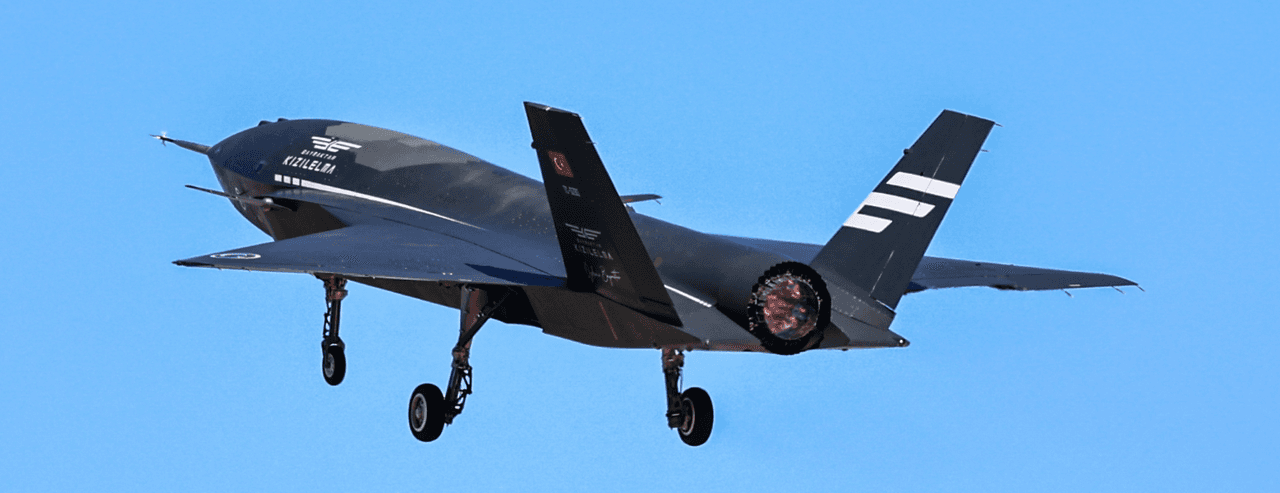
Türkiye’s First Indigenous Combat UAV: Bayraktar Kızılelma (Baykar)
Drone diplomacy is increasingly defined in international relations literature as one of the prominent technology-based forms of diplomacy. The concept captures how unmanned aerial vehicles have evolved from mere military tools into active instruments in foreign policy, crisis management, and the construction of international norms. The growing dependence of states on UAV technology in strategic areas such as security, border control, surveillance, and power projection has led to the attribution of diplomatic significance to these systems within the international system.
Thus, UAVs have transcended their role as mere instruments of war and have become symbols representing the discursive and behavioral positions of states. The debates generated by UAV technology on the international legal plane are particularly conducted through the lens of lethal autonomous weapons systems (LAWS).
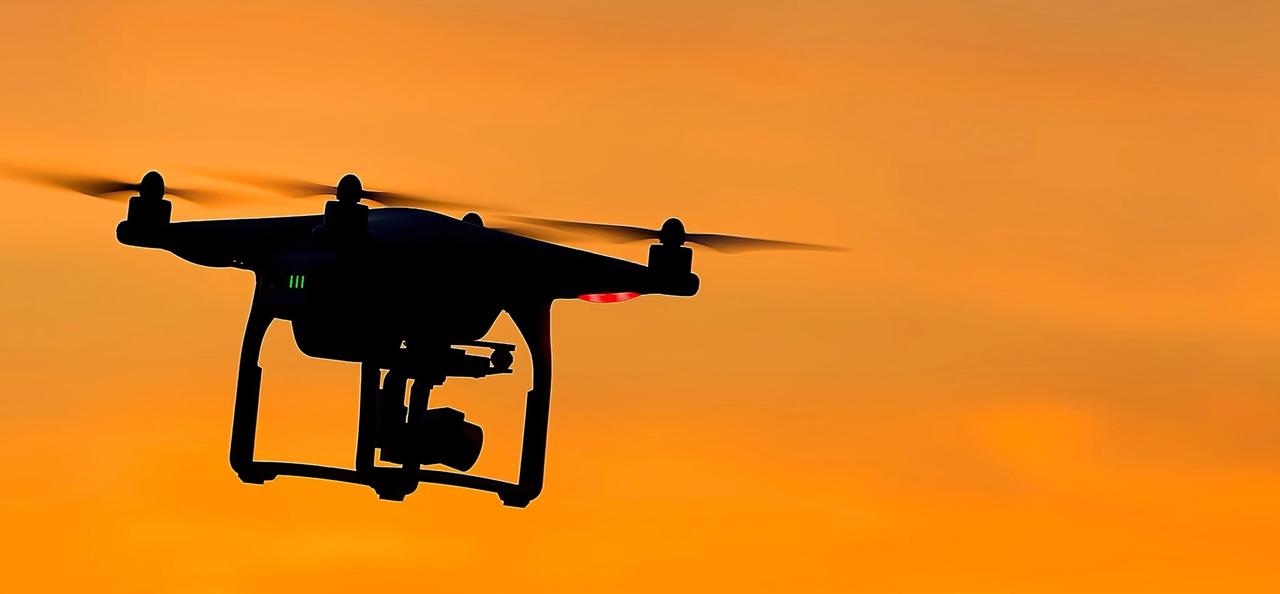
FPV UAVs Are Frequently Used in Contemporary Warfare (Daily Montanan)
UAV technologies have encouraged traditional diplomatic actors to generate new norms. It is argued that UAVs have transformed conflict zones, increased asymmetric threats, and endowed non-state actors with strategic capabilities. This development has questioned collective security systems while expanding the diplomatic toolkit. UAVs are used not only for reconnaissance and attack but also for purposes such as diplomatic coercion, power projection, and transnational messaging.
Diplomacy now operates not only through official channels but also via mobile applications, social media posts, and the visual performance of unmanned systems. Therefore, drone diplomacy encompasses not only debates on armament and technology transfer but also dimensions of ethics, media, perception management, and international law.
Türkiye stands out as one of the pioneering actors in applying drone diplomacy. Domestic defense industry systems such as Bayraktar TB2, Bayraktar Akıncı, Bayraktar Kızılelma, Tusaş Anka, and Tusaş Aksungur are employed as multifaceted instruments across various domains of foreign policy. UAV agreements with NATO and European Union member states as well as numerous countries across Africa have deepened political and military ties with these states and at times laid the foundation for new partnerships.
The UAV support provided to Azerbaijan during the Nagorno-Karabakh War influenced the course of the conflict and created the conditions for Ankara to strategically strengthen its relations with Baku. Similarly, the effective use of TB2s in Libya enhanced the on-the-ground impact of Türkiye’s support for the Tripoli-based government and subsequently bolstered Türkiye’s negotiating power in the ensuing diplomatic processes.
The Bayraktar TB2 systems are widely assessed to have played a game-changing role in the course of the Russia-Ukraine war. Türkiye’s decision to deploy UAVs at the Geçitkale Base in the Eastern Mediterranean is also regarded as a significant step not only for military purposes but also for safeguarding geopolitical interests linked to energy and maritime jurisdiction.
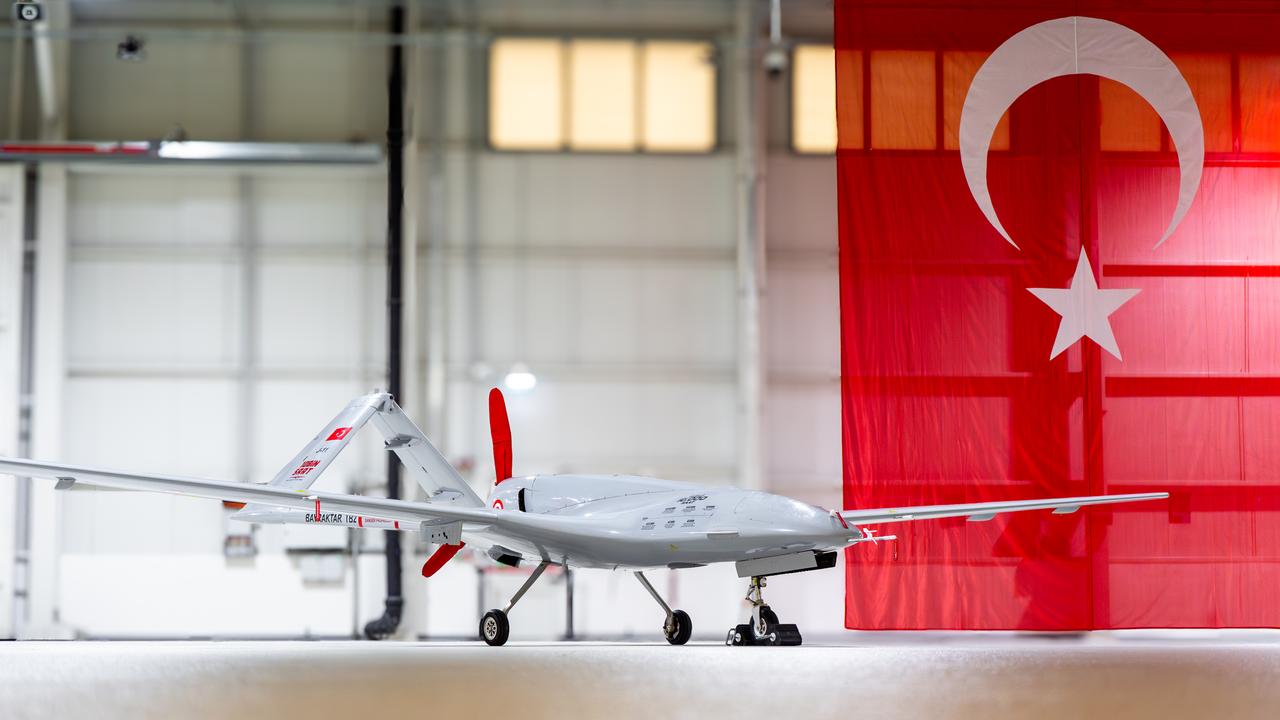
The Bayraktar TB2, the Most Widely Used UAV in the World (Baykar)
Drone diplomacy is not unique to Türkiye; it is contributing to significant shifts in the global balance of power. Actors such as China, Iran, Israel, and the United States also integrate UAV exports into their diplomatic strategies. However, Türkiye’s export policy, thanks to its cost-effective yet operationally effective systems, has emerged as an attractive alternative for developing countries. This dynamic has led to a contraction in market share for traditional arms-exporting states and accelerated the formation of new security architectures.
Baykar Teknoloji. "Bayraktar KIZILELMA Successfully Passed Maneuver Test." Accessed May 30, 2025. https://baykartech.com/tr/haberler/bayraktar-kizilelma-manevra-testini-de-basariyla-gecti/
Baykar Teknoloji. "Jandarmanın Semalardaki Gözü Bayrağı Devretti." Accessed May 30, 2025. https://baykartech.com/tr/haberler/jandarmanin-semalardaki-gozu-bayragi-devretti/
Borsari, Federico. “Turkey’s Drone Diplomacy: Lessons for Europe.” *European Council on Foreign Relations (ECFR)*, January 31, 2022. Accessed May 30, 2025. https://ecfr.eu/article/turkeys-drone-diplomacy-lessons-for-europe/
Christensen, Rose. *Dawn of Drone Diplomacy: The Rise of UAVs in International Relations*. University of Southern California, 2023. Accessed May 30, 2025. https://www.foreignaffairs.com/ukraine/dawn-drone-diplomacy
Danylyuk, Olga. Combat at Gamer’s Pace: No Pause nor Reset Button. Body, Space & Technology 24, no. 1 (2025): 1–13. Accessed May 30, 2025. https://doi.org/10.16995/bst.18480
Fukuyama, Francis. "Droning On in the Middle East." *American Purpose*, April 5, 2021. Accessed May 30, 2025. https://www.persuasion.community/p/droning-on
Gosselin-Malo, Elisabeth. "Turkey’s Modern Way of Doing Foreign Policy: Drone Diplomacy." *Aspenia Online*, November 3, 2021. Accessed May 30, 2025. https://aspeniaonline.it/turkeys-modern-way-of-doing-foreign-policy-drone-diplomacy/
Kasapoğlu, Can. Techno-Geopolitics and the Turkish Way of Drone Warfare. Washington, DC: Atlantic Council, 2022. Accessed May 30, 2025. https://www.atlanticcouncil.org/wp-content/uploads/2022/03/Techno-Geopolitics_and_the_Turkish_Way_of_Drone_Warfare.pdf
Kasapoğlu, Can. The Rising Drone Power: Turkey on the Eve of Its Military Breakthrough. İstanbul: EDAM, 2018. Accessed May 30, 2025. https://edam.org.tr/wp-content/uploads/2018/06/CAN-the-rising-drone_word.docx.pdf
Perrin, Benjamin, and Masoud Zamani. *The Future of Warfare: National Positions on the Governance of Lethal Autonomous Weapons Systems*. West Point, NY: Lieber Institute, 2023. Accessed May 30, 2025. https://lieber.westpoint.edu/future-warfare-national-positions-governance-lethal-autonomous-weapons-systems
Toma-Ciobanu, Roxana Maria. "Analysis of International Conflicts in Global Politics." *Acta Universitatis Danubius. Relationes Internationales* 17, no. 1 (2024): 21–36. Accessed May 30, 2025. https://dj.univ-danubius.ro/index.php/AUDRI/article/view/3055/2970
Turkish Aerospace (TUSAŞ). "AKSUNGUR: Yüksek Faydalı Yük Kapasiteli İHA." Accessed May 30, 2025. https://www.tusas.com/urunler/iha/yuksek-faydali-yuk-kapasitesi/aksungur
Turkish Aerospace (TUSAŞ). "ANKA: Operatif ve Stratejik İHA Sistemleri." Accessed May 30, 2025. https://www.tusas.com/urunler/iha/operatif-stratejik-iha-sistemleri/anka

Drone Diplomacy and International Security
The Türkiye Case
Global Examples of Drone Diplomacy