


This article was automatically translated from the original Turkish version.
+3 More
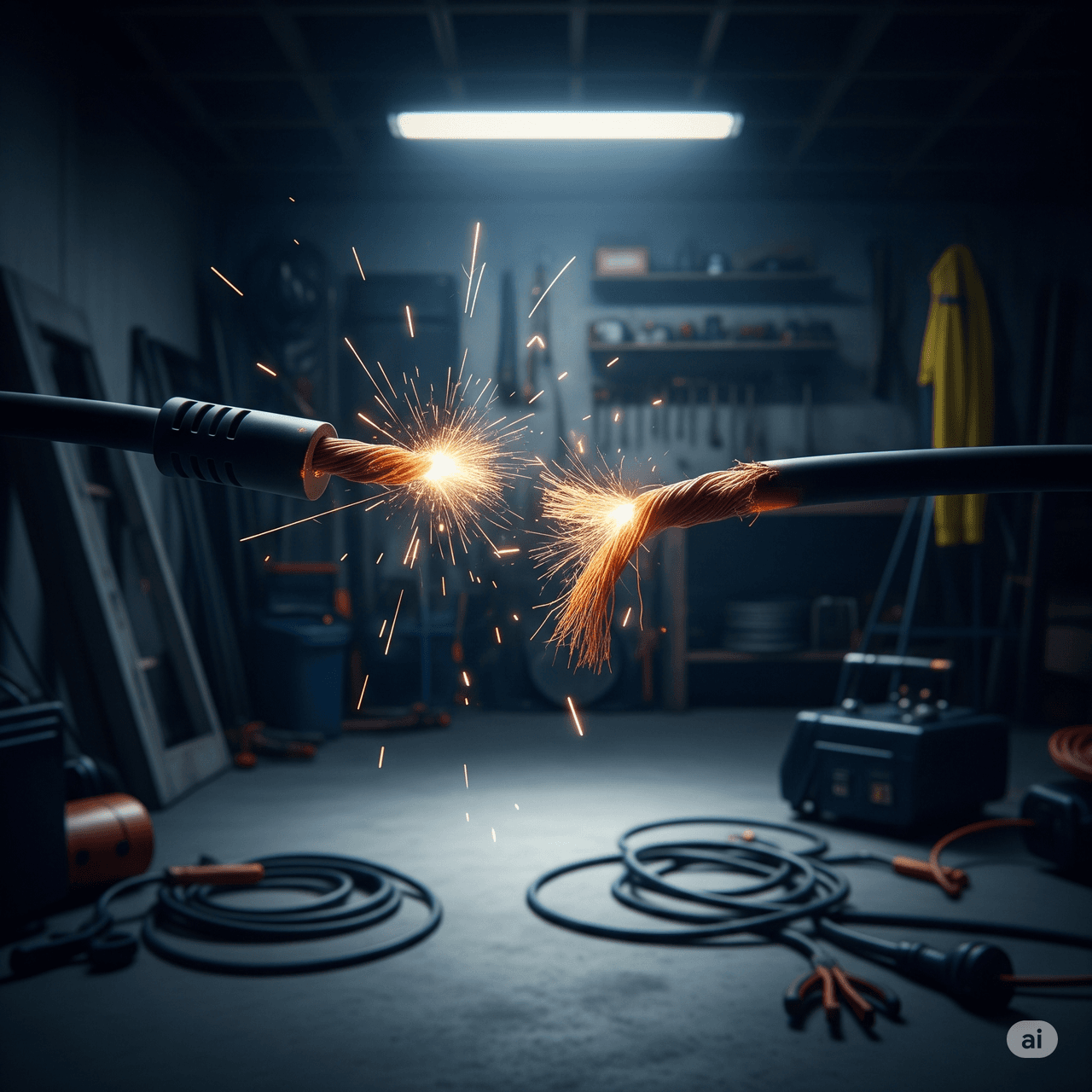
Electrical Safety (Generated with Artificial Intelligence)
Main Risks | Electric Shock, Fire, Burns, Explosion | ||||||||
|---|---|---|---|---|---|---|---|---|---|
Basic Protection | Grounding, Insulation, Circuit Breakers, Residual Current Device | ||||||||
Wet Areas | Contact with water must be strictly prevented, and a residual current device must be used. | ||||||||
Personal Protective Equipment (PPE) | Insulating Gloves, Shoes, Helmet, Goggles | ||||||||
Emergency Situation | First, disconnect the power source, then call for medical assistance. | ||||||||
Electrical safety is a discipline encompassing all measures, procedures, and practices aimed at minimizing risks arising from the use of electrical energy and preventing accidents, injuries, fatalities, and property damage caused by electricity. Electricity, an indispensable part of modern life in homes, workplaces, and industrial facilities, can pose serious hazards such as electric shock, fire, explosion, and burns if improperly used. Therefore, adherence to established standards and regulations during the design, installation, maintenance, and operation of electrical systems is of critical importance.
Electrical accidents typically result from faulty or outdated wiring, damaged cables, overloaded outlets, improper equipment use, inadequate maintenance, grounding errors, and human factors such as negligence or lack of knowledge. Electrical safety aims to protect both professionals such as technicians and engineers who work with electricity and general users who operate electrical devices in daily life. Legal regulations, technical standards, protective equipment, and training programs developed for this purpose form the foundation of a safe living and working environment.
To fully understand electrical safety, it is necessary to know the fundamental principles of electricity and its potential hazards. Basic concepts such as voltage, current, and resistance determine the behavior of electricity and its effects on the human body.
Electric shock occurs when electric current passes through the human body. Its effects vary according to the current’s intensity, the path it takes through the body, the duration of contact, and the voltage level. Low currents may cause mild tingling, while high currents can lead to muscle contractions, breathing difficulties, disruption of heart rhythm (ventricular fibrillation), loss of consciousness, and death. Severe burns can occur at the points where the current enters and exits the body.
A short circuit occurs when electric current completes its path through a route with very low resistance instead of its intended path. It can result from faulty wiring, damaged insulation, or equipment failure. A short circuit causes a sudden and significant increase in current, leading to overheating of cables, generation of sparks, and ignition of insulation materials, which can start fires. Overloading outlets can similarly cause cables to overheat and increase fire risk.
Electrical accidents are not limited to electric shock. Burns caused by current passing through the body (electrical burns) and thermal burns from contact with overheated equipment are common. In industrial environments especially, high-energy electrical faults can trigger arc flashes. These explosions pose lethal threats to nearby individuals by releasing intense heat, light, pressure waves, and molten metal particles.
To protect against electrical hazards, a range of measures must be implemented at both individual and systemic levels. These measures aim to establish a safe electrical infrastructure and promote safe usage habits.
In workplaces especially, a risk assessment must be conducted before any electrical work begins to identify potential hazards. This process involves identifying, evaluating, and planning necessary controls to mitigate risks.
One of the fundamental pillars of electrical safety. In the event of an insulation fault in a device or system, grounding directs leakage current through a low-resistance path to the earth instead of through the human body, significantly reducing the risk of electric shock. All outlets and metal-cased equipment must be properly grounded.
Insulation consists of non-conductive materials such as plastic or rubber that cover electrical conductors (wires). Insulation prevents accidental contact with energized parts. Damage to wire insulation due to wear, crushing, or environmental factors creates a hazard. Therefore, insulation must be regularly inspected and damaged wires replaced immediately. Additionally, hand tools used in electrical work (such as pliers and screwdrivers) must have insulated handles.
PPE refers to specialized equipment used by professionals working with electricity to protect themselves from hazards. This includes insulating gloves and footwear that protect against electric current, helmets that shield the head from impacts, safety goggles that guard against sparks and particles, and face shields that protect against arc flashes.

Electrical Safety (Generated by Artificial Intelligence)
When performing maintenance or repair on electrical equipment, the Lockout/Tagout (LOTO) procedure must be followed: the energy source must be completely shut off, locked, and labeled. This prevents another person from accidentally re-energizing the system during work. Additionally, safe working distances must be maintained around hazardous areas such as high-voltage lines, and warning signs must be used.
Electrical accidents in homes can often be prevented with simple precautions. Conscious usage and regular inspections make the home environment safer.
Electrical wiring must be installed by qualified professionals and inspected periodically. Damaged, loose, or charred outlets must be replaced immediately. Avoid overloading outlets by connecting devices beyond their capacity. Single outlets should be used for high-power appliances such as ovens and heaters; multiple outlets (extension cords) should not be considered a permanent solution.
Worn, crushed, or insulation-damaged cables pose a significant fire and shock risk and must be repaired or replaced. Cables should not be run under carpets or across door thresholds. When replacing light bulbs, use bulbs with the correct wattage and ensure the switch is turned off before handling. Unplugged devices should be disconnected from outlets when not in use.
Water is an excellent conductor of electricity and poses one of the greatest hazards. Electrical devices in wet areas such as bathrooms and kitchens must be kept away from water sources such as taps and showers. Never touch electrical appliances or outlets with wet hands.
Children’s curiosity can expose them to electrical hazards. To reduce this risk, protective covers should be installed on unused outlets. Electrical panels and fuse boxes must be placed out of children’s reach, and children should be warned not to play with electrical devices.
Electrical safety in the workplace is a legal requirement and involves responsibilities of both employers and employees. In Türkiye, Law No. 6331 on Occupational Health and Safety and related regulations define the standards for this area.
All employees, particularly those directly or indirectly working with electricity, must receive regular training on electrical hazards, safe work methods, PPE usage, and emergency procedures. An informed workforce significantly reduces accident risk.
All electrical systems, panels, machines, and hand tools in the workplace must undergo regular preventive maintenance and inspection. Faulty or damaged equipment must be immediately taken out of service and repaired by qualified personnel.
Clear and understandable emergency plans must be developed for potential electrical accidents (shock, fire, etc.). These plans must include emergency contact information, evacuation routes, locations of fire extinguishing equipment, and first aid procedures. Employees must be informed about these plans and regular drills must be conducted.
In the event of an electrical accident, prompt and correct intervention can save lives. However, the rescuer’s own safety must never be compromised.
The first step before assisting a person who has suffered an electric shock is to cut off the electrical current. This can be done by turning off the circuit breaker or fuse or by unplugging the device. If the current cannot be disconnected, the victim must be moved away from the source using an insulating object (such as dry wood, plastic, or rubber). Never touch the victim with bare hands.
Once safety is ensured, immediately call the 112 Emergency Call Center to request medical assistance.
After moving the victim to a safe location, check their consciousness and breathing. If the victim is unconscious and not breathing, basic life support (cardiac compressions and artificial respiration) must be initiated by a trained person. If burns are present on the body, cover them with a clean, dry cloth. The victim must not be moved until medical personnel arrive.
Aslan, İmran, and Yasin Çelik. “Elektrik Dağıtım Sektöründe Çalışanların İş Sağlığı ve Güvenliği İncelemesi: Muş, Bitlis ve Van İlleri Uygulaması.” *Current Issues in Health and Life Sciences* 1, Special Issue (May 2022): 130–145. Accessed July 28, 2025. https://dergipark.org.tr/tr/download/article-file/2292499.
DRN Teknik. "Elektrik Güvenliği Önlemleri." July 25, 2024. Accessed July 28, 2025. https://drnteknik.com.tr/2024/07/25/elektrik-guvenligi-onlemleri/.
Günsan Elektrik. "Günsan Elektrik'ten Elektrik Güvenliği Rehberi." Günsan Elektrik Blog. Accessed July 28, 2025. https://www.gunsanelectric.com/blog/gunsan-elektrik-elektrik-guvenligi-rehberi.
Makina Mühendisleri Odası. "Elektrik Tesislerinde İş Güvenliği." Accessed July 28, 2025. https://www.mmo.org.tr/sites/default/files/gonderi_dosya_ekleri/6f427afbe68e772_ek.pdf.
Salvaraji, L., M. S. Jeffree, K. Awang Lukman, S. Saupin, and R. Avoi. "Electrical Safety in a Hospital Setting: A Narrative Review." *Annals of Medicine and Surgery (London)* 78 (May 17, 2022): 103781. Accessed July 28, 2025. .
Tosun, Samet. "Elektrikle Çalışmalarda İş Sağlığı ve Güvenliği Üzerine Bir Değerlendirme." *Sürdürülebilir Mühendislik Uygulamaları ve Teknolojik Gelişmeler Dergisi* 5, no. 2 (2022): 232–246. Accessed July 28, 2025. https://doi.org/10.51764/smutgd.1082589.
Çiçek Elektrik A.Ş. "Evde Elektrik Güvenliği İçin İpuçları." August 7, 2024. Accessed July 28, 2025. https://www.cicekelektrik.com.tr/2024/08/07/evde-elektrik-guvenligi-icin-ipuclari/.
Özcan, Fatih. "Rehber Yazı – Elektrik Güvenliğinin 11 Önemli İlkesi." *isgTurkiye – İş Güvenliği Forum*, March 28, 2023. Accessed July 28, 2025. https://www.isgturkiye.com/konu/elektrik-g%C3%BCvenli%C4%9Finin-11-%C3%B6nemli-ilkesi.8982/.
İzmir İZ Occupational Health and Safety Unit. "Electrical Work Occupational Health and Safety Training." Accessed July 28, 2025. https://izmirizosgb.com/e%C4%9Fitimler/ileri-isg-e%C4%9Fitimleri/elektrik-ile-%C3%A7al%C4%B1%C5%9Fmalarda-i%C5%9F-sa%C4%9Fl%C4%B1%C4%9F%C4%B1-ve-g%C3%BCvenli%C4%9Fi-e%C4%9Fitimi.

Electrical Safety (Generated with Artificial Intelligence)
Main Risks | Electric Shock, Fire, Burns, Explosion | ||||||||
|---|---|---|---|---|---|---|---|---|---|
Basic Protection | Grounding, Insulation, Circuit Breakers, Residual Current Device | ||||||||
Wet Areas | Contact with water must be strictly prevented, and a residual current device must be used. | ||||||||
Personal Protective Equipment (PPE) | Insulating Gloves, Shoes, Helmet, Goggles | ||||||||
Emergency Situation | First, disconnect the power source, then call for medical assistance. | ||||||||
Basic Concepts and Hazards of Electricity
Basic Concepts
Electric Shock
Short Circuit and Fire Risk
Burns and Explosions
General Safety Measures and Procedures
Risk Assessment
Grounding
Insulation
Circuit Protection Devices
Personal Protective Equipment (PPE)
Safe Work Procedures
Electrical Safety at Home
Wiring and Outlets
Cables and Devices
Wet Areas
Child Safety
Electrical Safety in the Workplace
Training and Awareness
Equipment Maintenance and Inspection
Emergency Response Plans
First Aid in Electrical Accidents
Ensure Safety
Call for Emergency Help
Intervention