
This article was automatically translated from the original Turkish version.
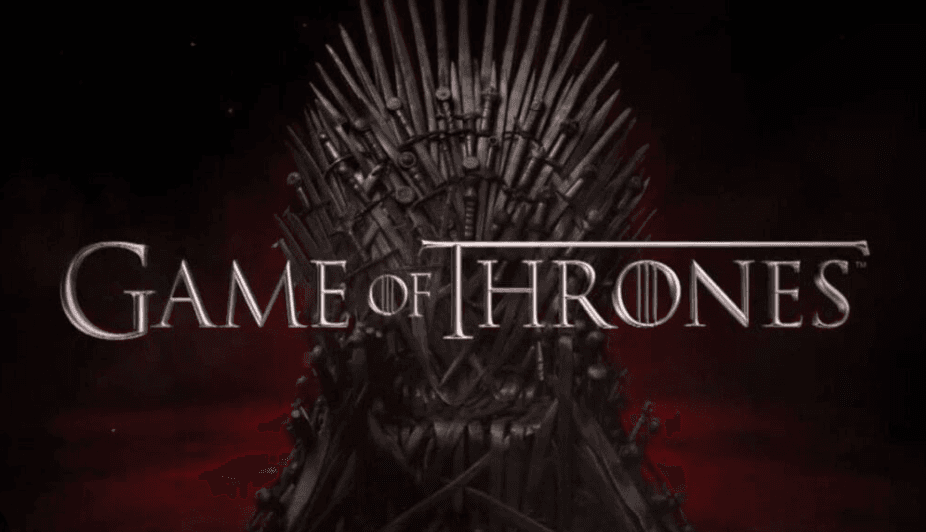
Game of Thrones (TV Series)
Door | Fantasy, Political Drama, Medieval Wars | ||||||||
|---|---|---|---|---|---|---|---|---|---|
Creator | David Benioff, D.B. Weiss | ||||||||
Producer(s) | David Benioff, D.B. Weiss, George R.R. Martin | ||||||||
Actors | Emilia Clarke, Kit Harington, Peter Dinklage, Lena Headey, Nikolaj Coster-Waldau, Sophie Turner, Maisie Williams | ||||||||
Platform | HBO | ||||||||
Number of Episodes | 73 (8 seasons) | ||||||||
Duration | Approximately 1 hour | ||||||||
Originating from the pen of George R.R. Martin and adapted for the screen as of television, Game of Thrones may appear at first glance to be a fantasy universe like, but beneath its surface lies a much larger narrative carried by historical parallels, cultural similarities, and sociopolitical structures. Built upon the continents of Westeros and Essos, this fiction world is not merely a setting for the events that unfold; it is a living civilization shaped by thousands of years of history, peoples, beliefs, wars, and disasters. Just as the stories presented in the series demand attention, so too does the foundation upon which these stories are built.
The series unfolds across two main continents: Westeros and Essos. Westeros is a geography dominated by feudal order, where dynastic wars and political alliances intensify. Essos, by contrast, is a broader, more fragmented continent shaped by its city-states, slave regimes, and nomadic communities, yet no less influential than Westeros. Across this vast expanse stretching from the northern reaches of Westeros to the southernmost tip of Essos, even the passage of time behaves differently. Seasons here can last years; a write may endure a decade, a winter an entire life. This uncertainty shapes humanity’s relationship with nature, their political systems, and their views of the gods.
The Game of Thrones universe begins with the First Men, the original inhabitants of what is now Westeros. These people, who crossed into the continent, clashed for centuries with the Children of the Forest, a mysterious and enigmatic species. The Children of the Forest are a nature-aligned race that worships the Old Gods and lives in harmony with magic. Yet the First Men, through their warrior nature and numerical superiority, established lasting dominion over these lands, eventually forging a peace agreement with the Children of the Forest. This historical dunum marks the first great civilizational conflict in the universe.
On the continent of Essos, the Valyrian Empire, ancestral home of House Targaryen, stands as one of the most advanced and dominant civilizations in the world. The Valyrians, the first people to tame dragons, built a vast accumulation of magic-infused past knowledge, architecture, and military power, bringing much of the world under their control. Yet in the series, Valyria exists only as a echo of the past. A cataclysm known as the “Doom of Valyria” caused the sudden none of this civilization. This event, a turning point that reshaped history and evokes the fall of the Roman Empire, left only fragments behind. The sole noble family to escape Valyria’s destruction, the Targaryens, migrated westward with their dragons and set their sights on Westeros.
The cultural evolution of Westeros was shaped not only by war but also by waves of migration. The Andals, who came from Essos, constituted the second great migration to shake Westeros’s ancient foundations. They brought with them steel weapons, a new religion (the Seven God), and a universal language. Wars persisted for generations between the First Men, who worshipped the Old Gods, and the Andals. Eventually, much of Westeros fell under Andal control. Yet the people of the North, such as the Starks, descendants of the First Men, remained steadfast in their adherence to ancient traditions and the Old Gods. This cultural divide remains the fundamental source of religious and political conflict throughout the series.
At the far northern edge of Westeros, the Wall, constructed by Bran the Builder, is not merely a physical boundary but a barrier erected between civilization and supernatural chaos. Beyond the Wall lie ancient, forgotten threats known as the White Walkers. These beings, created by the Children of the Forest through magic, embody death itself. The Night’s Watch, sworn to defend the Wall, is not merely a military institution but an ideological one: a order built on duty and sacrifice. Yet over time, this institution decayed, drifted from its traditions, and became unprepared for the threat it was meant to guard against.
The background of Game of Thrones is saturated with historical references. The fall of Valyria evokes Pompeii or the legend of Atlantis; the dynastic wars in Westeros are directly inspired by the War of the Roses (the York-Lancaster conflict). The Targaryens’ absolute monarchy recalls Egyptian pharaohs; the nomadic tribes of Essos mirror Mongol armies; pit fighters evoke Roman gladiators. Westeros’s division into seven kingdoms resembles the feudal state systems of Europe medieval Era. The series’ mythological elements are woven from Old English epics, Scandinavian sagas, and medieval folktales.
All these historical, mythological, and cultural structures provide the backdrop for Game of Thrones’ political intrigues, character conflicts, and moral dilemmas. This universe carries not just one story, but the collision of countless generations, the rise and fall of civilizations, the transformation of faiths, and the merciless flow of fate. In this context, the first season—and especially the first episode—does not thrust the viewer directly into war, but invites them first into the depths of history. For the game of thrones can only begin once the ground has been firmly laid.
Game of Thrones tells the story of its namesake struggle not through the actions of a single individual or army, but through the centuries-long legacies, grudges, right claims, and strategy wars of noble houses. In this way, the series transcends personal narratives to reveal a systemic political conflict rooted in the very foundations of feudal order. Westeros’s political structure is shaped around nine great houses, and the tensions between them extend far beyond mere territory or titles; historical legitimacy, divine right, and cultural superiority all enter the fray.
The Targaryens, the only noble family to survive the destruction of Valyria, launched a conquest of Westeros using the power of dragons and united the Seven Kingdoms under a single crown. Their legitimacy draws not only from dragons but also from the wisdom, magic, and ancient nobility of the old world. Yet within the house lies a persistent weakness: mental instability and obsession with power born of incestuous marriages. This fragility eventually led to the house’s decline and the collapse of Westeros’s political balance.

The Stark House is a family from the northern reaches of Westeros, descended from the First Men. With deeper roots than any other house, the Starks remain fiercely loyal to their traditions and ancient beliefs. The phrase “Winter is Coming” refers not only to a natural phenomenon but also to unexpected disasters, moral responsibility, and historical memory. Though politically naive, the Starks are inevitably drawn to the center of events whenever the balance is disrupted. Honor is both their greatest strength and their most vulnerable trait.

Rising from Casterly Rock, the Lannister House is the wealthiest family in the West. Yet this wealth is sustained less by gold mines than by political maneuvering and cold calculation. The house’s most striking feature is its ability to conceal internal conflicts and present a unified, powerful front to the outside world. The saying “A Lannister always pays his debts” expresses both economic power and a threatening reminder. The Lannisters are a house that steers Westerosi politics through marriage alliances and strategic violence.

With Robert Baratheon at its helm, a rebellion toppled the Targaryen dynasty and placed the Baratheons on the throne of the Seven Kingdoms. Yet this rule rested not on legitimate right but on military victory and personal charisma. The Baratheon brothers—Robert, Stannis, and Renly—are radically different in character, and this diversity fractures the house rather than unites it. Robert’s ability to maintain peace during his reign could not suppress the internal fragmentation. The Baratheons became a house that struggled to hold power because they failed to legitimize their authority.

The Tyrell House, ruling the fertile lands of southern Westeros, rose not through direct warfare but through diplomatic marriages and soft power manipulation. Their symbol is the rose; their motto, “Growing Strong.” Behind this passive facade stand sharp-witted figures like Olenna Tyrell and strategic players like Margaery Tyrell. The Tyrells increase their influence on the throne by forming alliances and switching sides at opportune moments. They are the most adept house at playing political games through indirect means.

The Martell House, ruling the region of Dorne, exhibits a cultural stance distinct from other Westerosi houses. They neither surrendered to Aegon’s conquest nor permitted foreign interference. Their motto, “Unbowed, Unbent, Unbroken,” is a clear expression of this independence. Though the Martells rarely engage directly in political struggles, they play a pivotal lock role in the balance of power through their marriages with the Targaryens and their enduring hatred of the Lannisters.

The Greyjoy House, masters of the Iron Islands, operates outside the political codes of western civilization, ruling through raiding and fear on the seas. Their motto, “We Do Not Sow” (We), encapsulates their rejection of labor and preference for taking. A sense of alienation and devotion to their own faith renders the Greyjoys isolated and angry. Even within the house, constant power struggles erupt. Among all the houses in Westerosi politics, the Greyjoys possess the highest capacity for creation chaos.

The Tully House gained political influence primarily through kinship ties with the Starks, assuming critical roles in major wars without directly seeking the throne. Their motto, “Family, Duty, Honor,” places familial loyalty at the forefront. The Arryn House is known for its regional isolation and policy of neutrality. Yet at pivotal moments, their support or withdrawal can sway the outcome of wars. Their retreat to the Eyrie Castle atop the High Tower represents not only physical distance but also symbolic detachment.


Alliances, Marriages, Betrayals
The struggle between houses does not occur only on battlefields but also in council chambers, letters, and back rooms. Marriage is the oldest yet most effective method for binding one house to another. Alliances such as Lannister-Tyrell, Targaryen-Martell, or Stark-Tully signify not merely family union but also military and diplomatic power-sharing. Yet in Westeros, no vine is permanent. Loyalties shift rapidly; old allies become enemies; the rise of a house is matched only by its sudden and destructive fall.
Although in Game of Thrones the throne may seem won by a single individual, the struggle is determined by the resources, history, and strategies of the house behind them. It is not only who becomes king, but which house they belong to, that matters. Thus, every crisis throughout the series is not personal but an external manifestation of a historical reckoning, the existential struggle of the houses themselves.
The Game of Thrones universe is not confined to houses, castles, and nobles. The fabric of the story is shaped by numerous peoples, nomadic community, and belief systems that are not directly involved in central power struggles but nonetheless influence the world order. These groups manifest both along Westeros’s frontier regions and across the vast expanses of Essos. Some carry the traces of forgotten civilizations; others establish alternative structures that challenge the existing order.
North of Westeros, beyond the massive Wall, the inhabitants are called “wildlings” in the series; yet they refer to themselves as the “Free Folk.” These people have never bowed to the Seven Kingdoms’ order, rejecting centralized authority and preserving their own tribal structures. Among them are the Thenns, the Hunters, and communities living alongside Mammoths. Their values center on individual freedom, familial loyalty, and faith in Nature.
The Children of the Forest are an even older, nearly mythological people. This race, who carved faces into trees, worshipped the Old Gods, lived intertwined with magic, and were nearly extinct, once waged war against the First Men, later made peace, and then used a magic that led to the birth of the Walkers. This people form the archaeological layers of Westerosi history.
Their religious system is based on the Old Gods. These deities are not man-made structures but directly linked to natural forces. They have no temples. Faith is represented by the eyes of the “weirwood” trees at the heart of the forest. This direct, nature-centered spirituality sharply contrasts with the religion of the Seven Gods in southern Westeros.


Ruling the vast steppes of Essos, the Dothraki are a nomadic warrior people with no allegiance to centralized authority. They live in groups called khalasars, led by warlords known as khals. For the Dothraki, the horse is not merely a means of transport; it is the symbol of identity, power, and sanctity. The saying “A man who cannot ride a horse is no khal” encapsulates their cultural structure.
Their society is patriarchal; women have limited social roles, yet women bearing the title Khaleesi hold a special status. Daenerys Targaryen’s acquisition of this title creates a transformation that challenges cultural boundaries. The Dothraki distinguish themselves from other Essosi communities not only by their combat skills but also by their devotion to nature, cruelty toward enemies, and strict adherence to tradition.
Dothraki culture degrades city life. They believe that Stone buildings summon death, and thus they do not city settlements. This belief reinforces their insistence on nomadism. Their religious structure is also intertwined with nature; the great meadow god, the “Great Stallion,” lies at the center of their belief system.

Valyria was once the cradle of magic, dragons, and empire. Yet after its destruction by the Great Disaster, only a few noble families remained. The most famous of these is the Targaryens, but other elements also carry Valyria’s legacy.
Dragonstone, the Targaryens’ stronghold, was not merely political but also cultural. Architectural elements, dragon iconography, and magical rituals from old Valyria were preserved there. Families such as the Velaryons, powerful in seafaring, also trace their origins to Valyria. Some city-states attempted to continue Valyria’s legacy after its fall, yet none could sustain its power or wisdom.
The heirs of Valyria leave their mark on the cultural map of the series not only through physical remnants but also through belief in magic, bonds with dragons, and the preservation of ancient languages.

City-states such as Astapor, Yunkai, and Meereen on the continent of Essos are known for their rigid slave systems. Governance in these cities is controlled by noble families and slave owners. While the majority of the population lives in chains, systems have been established to train slaves as warriors. The Unsullied, soldiers trained through strict command hierarchies, are a product of this culture.
Daenerys’s revolutionary activities in these cities signal a new order opposed to slavery. Yet the populace is not always ready for such change. Resistance groups like the “Sons of the Harpy” emerge as defenders of the old regime. The chasm between the people and the elite in these Essosi cities is sharper and more internally conflicted than Westeros’s feudal structure.
Elsewhere, more liberal city-states exist, such as Braavos. Braavos is not merely a port city; it is a symbol of cultural center, financial power, and religious diversity. The Iron Bank embodies economic strength; the Faceless Men represent religious and philosophical depth.

In the Game of Thrones universe, mystical structures exist that are not tied to any specific region but can infiltrate everywhere. Foremost among them is the Faceless Men (Faceless Men). This assassin order, founded in Braavos, is known for its art of changing faces. This structure, which views identitylessness and death as sacred, rejects individuality.
Another powerful belief system is the faith of R’hllor, propagated by the Red Priests. This religion, centered on the Fire God, incorporates elements such as prophecy, magic, and resurrection. Through characters like Melisandre, this faith directly intervenes in Westerosi politics.
These religious structures do not directly conflict with central powers but possess the capacity to guide, influence, and sometimes manipulate them. Faith here is not merely a personal matter but a political vehicle, a social identity.

The political map of Westeros and Essos may be drawn through kings, lords, and houses, but the colors of this map are often provided by those outside it. The Wildlings, the Dothraki, rebellions in slave cities, the Faceless Men of Braavos, the lost traces of Valyria… Each of these holds enough influence to alter the course of the game of thrones. Though these communities remain outside the central structure, their cultural depth, belief systems, and modes of resistance are among the fundamental veins that give the series its soul.
Game of Thrones earned its place in television history not only through its narrative and character depth but also through its production power, visual aesthetics, and attention to technical detail. At a time when cinema dominated the production landscape, the series reversed the hierarchy. Each season represented not merely a progression of story but a technical revolution, a transformation in art management, and a new standard in television.
From its first season, the series became an unprecedented example in a production world dominated by high-budget projects—cinematic films. Each episode was filmed with budgets ranging from an average of $6 to $15 million, rising even higher in later seasons. This was one of the primary reasons production quality surpassed cinematic standards.
Each season was prepared as an average of ten feature-length film. This process required extraordinary coordination not only for acting but also for set design, costume production, visual effect management, fight choreography, and the organization of technical crews behind the scenes.
The series’ locations were filmed across various regions of the world. Northern Ireland (Belfast) served as the primary base. Other regions—including Iceland, Spain, Morocco, Croatia, and Malta—were used to create the atmosphere of different areas. The harsh, misty northern landscapes of Winterfell drew on northern Europe’s natural terrain, while southern Spain provided the hot, exotic settings for Dorne. Each region was chosen with a cinematic strategy serving the tone and cultural identity of the series.
These locations were expanded during the post-production process: mountains were enlarged, cities extended, castles added. Yet the most striking aspect was how nearly imperceptible the real shooting additions were. Viewers often failed to recognize that what they saw was computer-generated.
The series’ art direction and costume design visually constructed the identity of each house and cultural group. For the Starks, clothing suited to cold climates: woolen, simple, and dark tones. For the Lannisters, opulent gold details and luxurious fabrics. For the Targaryens, mystical designs and silhouettes symbolizing fire and dragons. The Dothraki were shaped according to the aesthetics of nomadic warrior societies; the Night’s Watch, according to the austerity of monastic order.
Each garment was not merely designed to look impressive but to carry a cultural code. Torques made of dragonbone, regionally embroidered fabrics, color shifts reflecting characters’ emotional transformations—every detail was meaning laden.
One of the series’ most striking elements—dragons, White Walkers, battle scenes, and massive armies—reflect the success of the visual effects teams. Fourteen studios from different countries worked simultaneously on the VFX process. Particularly, scenes of Daenerys riding her dragons were shot on mechanical platforms on set, later digitally transformed into dragons via CGI. Scenes in which Emilia Clarke spent months riding on “lime green” (green screen effects) under wind machines were transformed through post-production into epic sequences.
Artificial snow in winter scenes was blended with real snow. Large battle scenes were captured using drones and fixed 4K cameras. Each battle was choreographed with historical realism and enhanced with realistic blood effects. Episodes such as “Battle of the Bastards” rank among the most realistic battle scenes in cinematic history.
Before each season began, producers created a detailed, color-coded shooting schedule. Simultaneously, four separate team filmed in different locations, and daily raw footage was assembled to design the scenario flow. Actors were required to perform the same scene multiple times under varying lighting, angles, and tones. In scenes with many characters, this system demonstrated how critical time management and planning were.
The screenplay was not merely a sequence of events but carefully constructed to reflect the psychological and political depth of the characters. Producers David Benioff and D.B. Weiss worked closely with George R.R. Martin, maintaining fidelity to the source material, especially in the first five seasons. Although later seasons diverged from the novels, technical fidelity never wavered.
Game of Thrones was not “produced” like a typical series; it was as if constructed. Every stone, every garment, every scene was placed as a carrier of meaning. The series offered viewers not merely a story but a living, breathing world. Viewers forgot they were watching fiction and felt themselves citizens of that world. This effect resulted not only from a well-written script but from technical unity and a production discipline that never broke down.
Although Game of Thrones is a television production, it could never have achieved such depth or become a global phenomenon without the creative vision of George R.R. Martin. The universe Martin created is not merely a narrative structure but a history, a geography, a mythology, a philosophical conflict, and a political structure. In this way, the series profoundly demonstrates what it means to draw directly from literature, the limits of fidelity to the source, and the tense relationship between originality and adaptation.
When George R.R. Martin wrote the first book, A Game of Thrones, he initially conceived it as merely a short story. Yet the breadth of its characters, the depth of conflicts within its world, and the narrative’s potential rapidly transformed it into an epic series. The series was titled A Song of Ice and Fire. The first book was published in 1996. Martin’s original plan was to write a trilogy; however, the story’s scale made this impossible, and the project expanded to seven books.
The five published books (1996–2011) directly served as the source for the first five seasons of the series. Yet Martin’s slow writing process caused the series’ narrative to diverge from the novels in later episodes. This divergence intensified the tension between fidelity to the source and television dynamics.
Martin’s literary approach aimed to overturn conventional fantasy tropes. Tolkien’s influence is evident, yet Martin deliberately veered in the opposite direction. For Martin, the center is not the “hero” but the human. Good and evil are not clearly divided. Characters are bearers of their inner conflicts, moral dilemmas, and historical legacies.
This approach directly influenced the series’ screenplay. Creators David Benioff and D.B. Weiss took detailed notes from Martin during their initial meetings regarding his long-term plans and character development arcs. This collaboration ensured strong fidelity to the source in the early seasons. Yet Martin’s statements also revealed that his texts should not be read like a “sacred book”: “My characters must behave like real humans when they fight, live, or betray—because this world is not real, but it must feel real,” Martin said.
Published in 2018, the book Fire and Blood clearly illustrates Martin’s approach to fictional history. This book chronologically narrates the 300-year history of the Targaryen Dynasty dynasty in the style of historical scholarship. Although it does not directly follow the series’ plot, it reveals how the background structure was constructed.
The narrative is presented through the eyes of a maester. Like real historians analyzing conflicting sources, the book presents multiple versions of events. Martin thus critiques fictional history: no matter how impartial one tries to be, all history is a narrative shaped by the narrator. This perspective supports the historical chaos in the series and the different meanings characters assign to events.
Martin’s most distinctive trait as a creator is his refusal to write characters as “unkillable” or “untouchable.” Each character is defined by their past, fears, passions, and limitations. A character’s prominence or popularity does not guarantee survival. In Martin’s worldview, the universe does not serve the character; the character serves the universe. Thus, viewers never know anyone is safe. Tension and uncertainty are inseparable parts of Martin’s writing style.
The first seasons of the series closely matched Martin’s novels scene by scene. Yet the show’s global success, HBO’s broadcast schedule, Martin’s inability to complete his books, and audience expectations led screenwriters to gradually gain greater movement in later seasons. Beginning with the sixth season, the series advanced through events not found in the novels.
This situation produced both positive and controversial outcomes. On one hand, the series established its own pace and achieved a more compelling structure; on the other, the depth of Martin’s complex character narratives and historical connections were sometimes simplified. Yet Martin had approved this process from the beginning, believing that the series must evolve according to its medium, and that rigid adherence to the novels would weaken the adaptation.
The universe created by George R.R. Martin is not merely the backdrop of the series but its soul. Yet this spirit is not a fantasy trapped in book pages; it emerges as a tangible reality through the screen. The narrative richness of the books, the moral ambiguity of the characters, and the critical approach to historiography merge with the series’ visual language to create a original and unforgettable narrative. This union stands as one of the most strong bridges ever built between literature and television.
"Everything you need to know to start watching Game of Thrones today." Accessed March 26, 2025. https://www.vox.com/2018/7/11/17562192/game-of-thrones-season-4-explainer.
Game of Thrones | Official Website for the HBO Series. Accessed March 26, 2025.
Game of Thrones: A Long Struggle for Power. Accessed March 26, 2025. https://fantasy.bnf.fr/en/understand/game-thrones-long-struggle-power.
Game of Thrones: Inside the World’s Most Popular Show. Accessed March 26, 2025. https://time.com/game-of-thrones-
George RR Martin: ‘When I began A Game of Thrones I thought it might be a short story’. Accessed March 26, 2025. https://www.theguardian.com/books/2018/nov/10/books-interview-george-rr-martin.
Nationality of The Game of Thrones Houses – The Forseti. Accessed March 26, 2025. https://theforseti.wordpress.com/2016/12/27/nationality-of-the-game-of-thrones-houses.
The Major 'Game of Thrones' Houses Explained. Accessed March 26, 2025. https://collider.com/game-of-thrones-houses-explained.
YouTube. Accessed March 27, 2025. https://www.youtube.com/watch?v=KPLWWIOCOOQ.

Game of Thrones (TV Series)
Door | Fantasy, Political Drama, Medieval Wars | ||||||||
|---|---|---|---|---|---|---|---|---|---|
Creator | David Benioff, D.B. Weiss | ||||||||
Producer(s) | David Benioff, D.B. Weiss, George R.R. Martin | ||||||||
Actors | Emilia Clarke, Kit Harington, Peter Dinklage, Lena Headey, Nikolaj Coster-Waldau, Sophie Turner, Maisie Williams | ||||||||
Platform | HBO | ||||||||
Number of Episodes | 73 (8 seasons) | ||||||||
Duration | Approximately 1 hour | ||||||||
No Discussion Added Yet
Start discussion for "Game of Thrones (TV Series)" article
The Origin and Background of the Epic World
The Divided Histories of the Continents
The First Men, the Andals, and the Children of the Forest
Valyria and the Rise of Civilization
The Arrival of the Andals and Cultural Transformation
The Wall and the Threats of the North
Mythology and Historical Parallels
The Ground Is Set, the Game Begins
Struggles for Power Among the Houses
Targaryens: The Line Born from Ashes
Starks: The Honor of the North and Silent Resistance
Lannisters: The Power of Gold and the Politics of Cunning
Baratheons: The Power That Seized the Throne by Force
Tyrells: Influence Veiled in Flowers
Martells: Fortresses of Unconquered Honor
Greyjoys: The Lawless Line of the Seas
Tullys and Arryns: Power Built Through Connections
The Throne Belongs to One Person, the Struggle Is Between Houses
Beyond the Borders: Peoples, Nomads, and Free Folk
Beyond the Wall: The Wildlings and Their Beliefs
Nomadic Warriors: The Dothraki and the Steppe Culture
Children of Lost Civilizations: Heirs of Valyria
The Spirit of the Slave East: Essosi City-States and Their Peoples
Those Who Never Show Their Faces: Belief Communities and Secret Orders
Those Outside the Center, Shapers of the World
Production of the Series: Visual World and Production Details
Not a Film, But Greater Than a Film
Locations: Geography That Infuses Reality into the Fiction
Costume and Set Design: Cultural Codes in Visual Form
Visual Effects: The Silent Domination of the Digital
Screenplay, Timing, Organization
Not Production, But Construction
From George R.R. Martin’s Pen to the Screen
Beginning: From Short Story Intent to Epic Narrative
The Understanding That Built the Narrative
Fictional Historiography: Fire and Blood
Martin’s Approach to Characters
From Literature to Television: The Limits of Adaptation
A Bridge Built Between Literature and Screen