

This article was automatically translated from the original Turkish version.
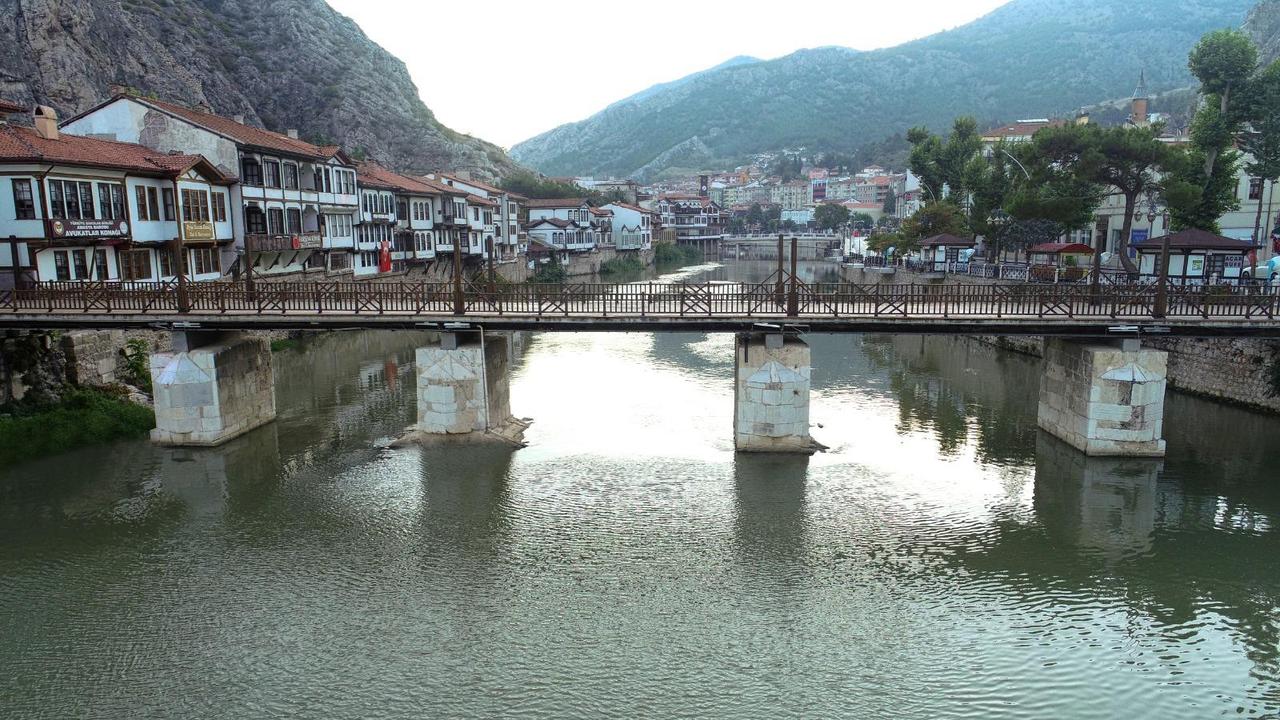
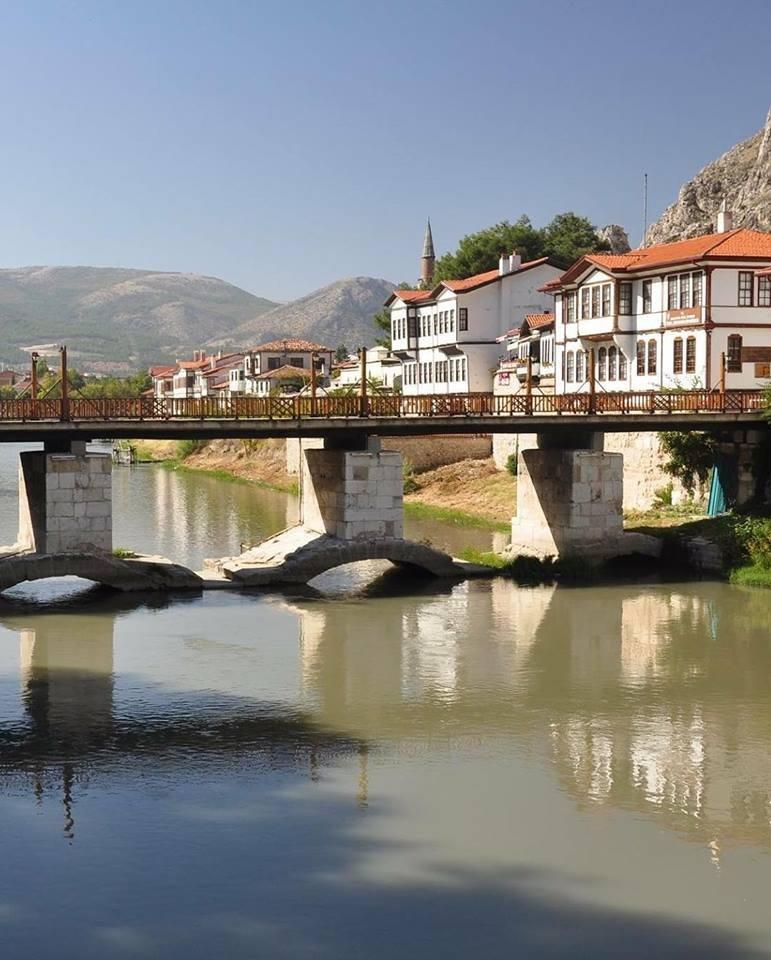
Alçak Köprü is a historic bridge located in the city center of Amasya, spanning the Yeşilırmak River and dating back to the Roman period. Due to the rise in river levels and the accumulation of silt layers in the riverbed over time, the bridge’s arches now lie significantly below the current water level, leading to its popular designation as the "Alçak Köprü" or "Low Bridge." This structure bears witness to Amasya’s deep historical roots and holds both architectural and functional significance within the city’s historic fabric.
Alçak Köprü (Amasya Belediyesi)
The bridge was originally constructed during the Roman Empire to connect the city’s fortress with its settlement areas.【1】 The structure, bearing traces of ancient architectural techniques, suffered extensive damage over time due to fluctuations in the Yeşilırmak’s flow and flooding. A major flood in the eighteenth century filled the arches with silt, rendering the bridge unusable.【2】
The major restoration that gave the bridge its current appearance was initiated in 1881 by Ziya Paşa, the then Mutasarrıf of Amasya.【3】 After Ziya Paşa’s death, the incomplete work was completed between 1881 and 1884 by his successor, Mutasarrıf Şair Seyfettin Paşa.【4】 In 2009, a comprehensive restoration was carried out to preserve the bridge’s historical integrity and enhance its safety, adhering closely to its original design.【5】
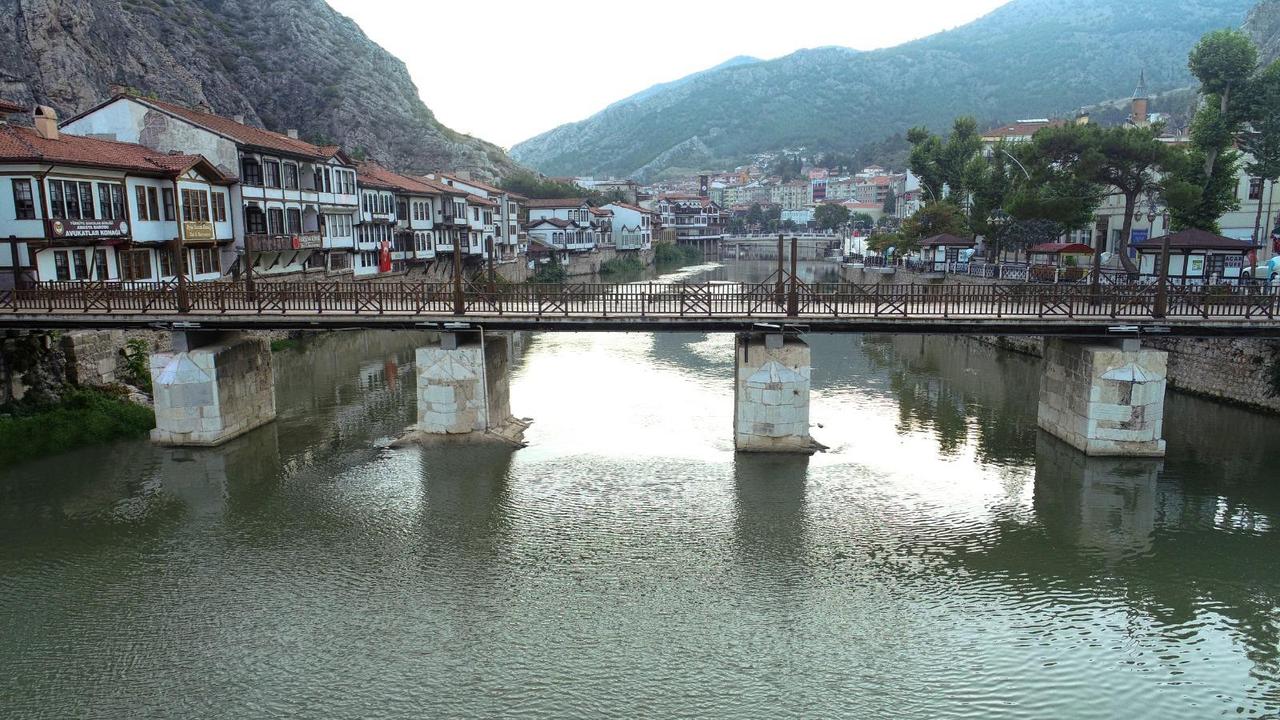
Alçak Köprüexhibits a composite construction technique and material use. The foundational elements and pier bases consist of large ashlar blocks from the Roman period. The bridge originally featured eleven arches, but due to the raised riverbed, it now presents a flattened appearance.
Alçak Köprü (Amasya Belediyesi)
The upper section of the bridge, rising above the original piers, was rebuilt in the nineteenth century using precisely cut stone blocks. Iron railings and fittings were added to the deck to facilitate pedestrian passage. The arch structure was designed to allow smooth water flow and rests on robust foundations reflecting Roman engineering expertise.
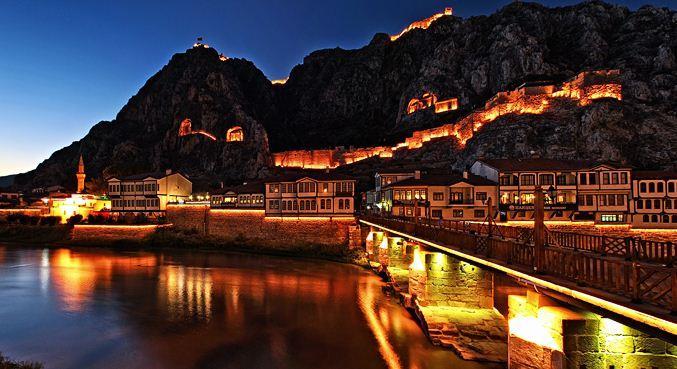
Managed by the Amasya Governorship and Amasya Municipality, the bridge is now open exclusively to pedestrian traffic. Located at a strategic point connectingAmasya Castle and the Yalıboyu Houses, it is among the city’s most visited historic structures. The bridge has also been integrated into Amasya’s nighttime lighting initiatives, enhancing its aesthetic appeal and reinforcing its importance to tourism.
Alçak Köprü'nün Işıklandırması (Amasya Belediyesi)
[1]
Türkiye Kültür Portalı. "Alçak Köprü - Amasya." Kültür Envanteri. Erişim Tarihi: 5 Şubat 2026. https://www.kulturportali.gov.tr/turkiye/amasya/kulturenvanteri/alcak-kopru
[2]
Ersoy, Mertay ve Narmin Aghayeva. "Çok Katmanlı Tarihi Kentlerde Kent Kimliğinin Korunması: Amasya Örneği 7, no. 1 (2021). Erişim Tarihi: 5 Şubat 2026. https://set-science.com/pdf_view.php?cacryn=SISA2024&cid=95&pid=13&fv=SETSCI_SISA2024_0095_0013
[3]
Amasya Valiliği. "Köprüler." Erişim Tarihi: 5 Şubat 2026.https://www.amasya.gov.tr/kopruler.
[4]
EBA Okul Dışı Öğrenme. "Alçak Köprü." Erişim Tarihi: 5 Şubat 2026. https://okuldisiogrenme.eba.gov.tr/place-detail/alcak-kopru-559
[5]
Ersoy, Mertay ve Narmin Aghayeva. "Çok Katmanlı Tarihi Kentlerde Kent Kimliğinin Korunması: Amasya Örneği 7, no. 1 (2021). Erişim Tarihi: 5 Şubat 2026. https://set-science.com/?go=d1001a2417e2b87d5b7c53e16c5e1675&conf_id=95&paper_id=13.

History and Construction
Architectural Features
Materials and Construction Technique
Current Status and Use