
This article was automatically translated from the original Turkish version.
+2 More
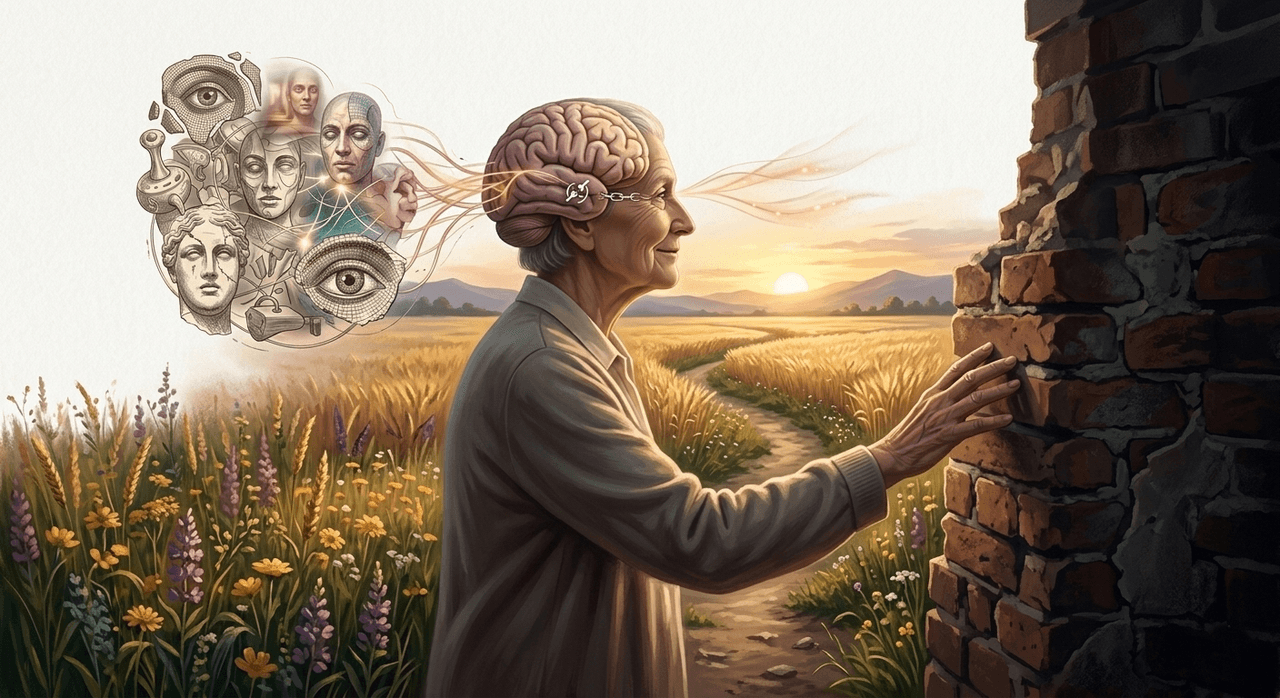
Anton Sendromu (Yapay Zekâ ile Oluşturulmuştur.)

Schematic Brain Image Illustrating the Occipital Lobe Lesion Underlying the Pathophysiology of Cortical Blindness and the Perceptual Denial of Vision. (Generated by Artificial Intelligence.)
Anton syndrome is a rare neuropsychiatric condition characterized by denial of visual loss and the reporting of fabricated visual experiences in patients with bilateral occipital lobe damage leading to cortical blindness. In the current version of the International Classification of Diseases, ICD-11, this condition is classified under visual cortical disorders with code 9C43, which also encompasses organic cortical blindness.【1】 In this syndrome, the brain denies the presence of organic blindness, leading the patient to believe they can see normally and to behave accordingly.
The earliest historical records of this condition are believed to describe a slave in the Roman Empire who suddenly became blind but denied his condition, complaining only that the room was dark and wishing to move elsewhere.【2】 In the 16th century, a case of a nobleman who denied his blindness was also documented in French Renaissance medical records.【3】
In modern medical literature, the systematic definition of this condition began to take shape in the late 19th century. A 1895 medical report detailed a 69-year-old patient with damage to the temporal lobes who was unaware of his sensory deficit despite suffering from cortical deafness.【4】 In more comprehensive anatomical and clinical studies conducted in 1899, it was observed that patients with bilateral occipital and temporal lobe damage were unaware of their blindness and deafness. These studies emphasized that while patients with peripheral visual loss reported seeing "black" or "darkness," those with cortical damage experienced absolute sensory absence ("nothing seen") which prevented them from recognizing their deficit.【5】
The terms "anosognosia," denoting lack of awareness of one’s own neurological or psychiatric illness, and "anosodiaphoria," describing marked indifference toward conditions such as paralysis, were introduced into medical literature in 1914. During this period, patients with left hemiplegia (paralysis of the left side of the body) who denied their paralysis despite sensory loss in the affected limbs were studied; it was proposed that such denial was particularly associated with lesions in the right cerebral hemisphere.【6】

Schematic Drawing Highlighting the Sensory Disconnection in Anton Syndrome and the Fragmented Reality Perception Generated by the Brain Despite Damage to the Visual Cortex. (Generated by Artificial Intelligence.)
Anton syndrome primarily arises from occlusion, hemorrhage, or metabolic damage to the blood vessels supplying the occipital lobes. Review of literature cases reveals that ischemic stroke (stroke due to vessel occlusion) is the most common cause, accounting for 40.3% of cases. Ischemic stroke-related occipital lobe infarcts typically occur when both main posterior arteries (posterior cerebral arteries) are occluded; this vascular pathology was first described in 1920.【7】 Other etiological factors include cerebral hemorrhage (11.1%) and encephalopathy (11.1%), such as posterior reversible encephalopathy syndrome or pregnancy-related encephalopathy.【8】 Viral or bacterial infections were identified in 5.6% of cases. Less common causes include autoimmune central nervous system vasculitis, multiple sclerosis (MS) relapses, mitochondrial myopathy, encephalopathy, lactic acidosis, and stroke-like episodes (MELAS syndrome), as well as head trauma.【9】
Occipital cortex, due to its high metabolic demand, is highly vulnerable to oxygen deprivation. In global cerebral ischemia conditions such as cardiac arrest, where cerebral perfusion ceases, delayed-onset cortical blindness may develop due to hypoxia.【10】
Analysis of patients' demographic and medical histories reveals a median age of 55 years (range 6 to 96), with equal distribution across genders. The most common risk factors are arterial hypertension (34.7%) and diabetes mellitus (15.3%). Atrial fibrillation and ischemic heart disease were found in 8.3% of cases, and hypothyroidism in 5.6%.【11】
To understand the mechanism of Anton syndrome, it is necessary to comprehend the normal functioning of the visual pathways. In normal vision, visual signals from the retina are transmitted via the optic nerves to the brain. These nerve fibers from both eyes cross at a chiasm at the base of the brain (optic chiasm) and continue along their pathways. The signals then pass through a relay station in the brain (lateral geniculate nucleus of the thalamus) before being distributed via a broad network of nerve fibers (optic radiations) to the primary visual center located in the posterior part of the brain (primary visual cortex in the occipital lobe). In addition to this main pathway, some signals branch off to lower brainstem centers (pretectal nuclei and superior colliculi) that control eye movements and pupillary light reflex.【12】
In Anton syndrome, the eyeball, optic nerves, and anterior visual pathways in the brainstem are intact; the primary damage occurs in the primary visual centers (primary visual cortex) and visual association areas of both cerebral hemispheres. Since the pathways that divert signals to lower brainstem centers (pretectal nuclei) before reaching the occipital lobe remain undamaged, the pupillary light reflex remains normal. This preserved pupillary response despite complete absence of visual perception is a distinguishing feature of cortical blindness.【13】
Several mechanisms underlie the denial of blindness (visual anosognosia). One mechanism involves disruption of the connection between damaged visual areas and the brain’s speech, language, and conscious awareness centers (due to damage to neural pathways in the lateral brain regions). When the brain fails to perceive the absence of visual input, functional speech and interpretation regions compensate by generating false perceptions to fill the void. Additionally, in cases where circulation is restored after cardiac arrest (cardiopulmonary resuscitation - CPR), the reperfusion process following tissue hypoxia triggers destructive cellular mechanisms (calcium accumulation, oxidative stress, etc.), leading to cell death (apoptosis) and delayed neuronal damage appearing days later.【14】
The most characteristic clinical feature of this condition is the patient’s insistence that they can see despite obvious organic blindness. Direct visual anosognosia (denial of visual loss) is present in 90.3% of cases.【15】 Patients persistently claim their vision is intact even when they collide with objects, doors, or walls. This denial is often accompanied by confabulation, observed in 75% of patients. Patients with confabulation generate detailed visual scenarios about lighting, objects, or people’s clothing that do not exist in reality but are believed by the patient to be true. Unlike classic blindness, these patients also lose spatial orientation; they struggle to locate objects, distinguish left from right, or identify the spatial source of sounds, relying only on touch to navigate.【17】
In addition to visual loss, altered mental status is observed in 84.7% of patients.【18】 These neurological disturbances range widely: patients may be in a state of drowsiness, a mild sleep-like state easily arousable, or in a stupor, a deep unconsciousness from which they can be briefly awakened only by strong stimuli and may exhibit avoidance movements to painful stimuli.【19】 Other clinical findings include headache in 27.8%, limb paresis (partial paralysis) in 18.1%, speech disturbances in 12.5%, seizures in 11.1%, and nausea, fever, or sweating resembling flu-like symptoms in 6.9%. In 84% of cases, symptoms appear abruptly within 24 hours before hospital admission.【20】

Diagram Illustrating the Differences Between Anton Syndrome and Charles Bonnet Syndrome. (Generated by Artificial Intelligence.)
Diagnosis of Anton syndrome requires exclusion of other neuropsychiatric and organic syndromes with similar symptoms. It must be distinguished from Charles Bonnet syndrome, in which patients with visual loss experience visual hallucinations but are aware they are not real. Differential diagnoses also include dementia, psychosis-related visual hallucinations, confabulations due to Wernicke-Korsakoff syndrome, and Dide-Botcazo syndrome.【21】
Clinically, diagnosis is based on preserved pupillary light reflex despite severe visual loss and the patient’s denial of blindness through confabulation. Confirmation requires brain magnetic resonance imaging (MRI) demonstrating ischemic or hemorrhagic lesions due to vessel occlusion or bleeding, along with detailed ophthalmologic examination to rule out optic nerve or intraocular pathology.【22】
Treatment strategies are tailored to the underlying pathology. In patients presenting early with ischemic stroke, intravenous thrombolysis or mechanical thrombectomy is applied; in general ischemic cases, antiplatelet agents such as acetylsalicylic acid are used.【23】 Clinical studies show that causal interventions (thrombectomy, lesion excision, etc.) account for 30.6% of treatment approaches, supportive therapies for another 30.6%, and anticonvulsant treatment is administered to the 6.9% of patients experiencing seizures.【24】
An important clinical observation in management is the impact of anticoagulant therapy. Statistical data indicate that patients receiving anticoagulant therapy, regardless of the underlying cause, have higher-than-expected mortality rates.【25】 In cases related to multiple sclerosis relapses, intravenous corticosteroids (methylprednisolone) and plasma exchange (plasmapheresis) are used. For delayed cortical blindness due to hypoxia, early initiation of structured neurological rehabilitation (visual scanning exercises, environmental adaptations) is recommended.【26】
In long-term follow-up, clinical improvement was reported in 45.8% of cases, no change in 22.2%, and deterioration in 11.1%. Better prognosis and clinical recovery are associated with younger age, absence of hypertension or diabetes, and lack of additional cognitive impairments.【27】
Warning: The content in this article is provided solely for general encyclopedic informational purposes. The information here should not be used for diagnosis, treatment, or medical advice. Always consult a physician or qualified healthcare professional before making any health-related decisions. The author and KÜRE Encyclopedia assume no responsibility for any consequences arising from the use of this information for diagnostic or therapeutic purposes.
Anton, Gabriel. "Ueber die Selbstwahrnehmung der Herderkrankungen des Gehirns durch den Kranken bei Rindenblindheit und Rindentaubheit." *Archiv für Psychiatrie und Nervenkrankheiten* 32, no. 1 (1899): 86–127. Accessed March 15, 2026. https://doi.org/10.1007/BF02126945
Atallah, Oday, Amr Badary, Yasser F. Almealawy, Minaam Farooq, Zeinab Hammoud, Sura N. Alrubaye, Adella Mohamad Alwan, et al. "Insights into Anton Syndrome: When the Brain Denies Blindness." *Journal of Clinical Neuroscience* 120 (2024): 181-190. Accessed March 15, 2026. https://doi.org/10.1016/j.jocn.2024.01.014
Babinski, Joseph. "Contribution to the Study of the Mental Disorders in Hemiplegia of Organic Cerebral Origin (Anosognosia)." Translated by Karen G. Langer and David N. Levine. *Cortex* 61 (2014): 5–8. Accessed March 15, 2026. https://doi.org/10.1016/j.cortex.2014.04.019
Dölek, Mustafa Ümit Can, Abdullah Algın, Hatice Şeyma Akça, Serdar Özdemir, Serkan Emre Eroğlu, and Murat Göl. "Serebrovasküler Hastalığa Bağlı Kortikal Körlük: Bir Olgu Sunumu." *Medical Journal of Western Black Sea* 5, no. 2 (2021): 305-308. Accessed March 15, 2026. https://doi.org/10.29058/mjwbs.872700
Hall, John E. and Michael E. Hall. Guyton and Hall Textbook of Medical Physiology. 14th ed. Philadelphia: Elsevier, 2021.
Josephson, S. Andrew, Allan H. Ropper, and Stephen L. Hauser. "Coma." In Harrison's Principles of Internal Medicine, 22nd ed. New York: McGraw Hill, 2022.
World Health Organization. "9C43 Görsel cortex disorder." *ICD-11 for Mortality and Morbidity Statistics*. Accessed March 15, 2026. https://icd.who.int/browse/2026-01/mms/tr#648115973.
Önder, Özlem, and Şahin Işık. "Delayed Onset Anton-Babinski Syndrome Following Post-Hypoxic Cortical Injury: A Case Report." Duzce Medical Journal 27, no. 1 (2025): 109-12. Accessed March 15, 2026. https://doi.org/10.18678/dtfd.1607544
[1]
World Health Organization, "9C43 Visual cortical disorder," ICD-11 for Mortality and Morbidity Statistics, accessed 15 March 2026, https://icd.who.int/browse/2026-01/mms/tr#648115973.
[2]
Oday Atallah et al., "Insights into Anton Syndrome: When the Brain Denies Blindness," Journal of Clinical Neuroscience 120 (2024): 184, accessed 15 March 2026, https://doi.org/10.1016/j.jocn.2024.01.014.
[3]
Mustafa Ümit Can Dölek et al., "Cortical Blindness Associated with Cerebrovascular Disease: A Case Report," Medical Journal of Western Black Sea 5, no. 2 (2021): 306, accessed 15 March 2026, https://doi.org/10.29058/mjwbs.872700.
[4]
Dölek et al., "Cortical Blindness Associated with Cerebrovascular Disease," 306.
[5]
Gabriel Anton, "Ueber die Selbstwahrnehmung der Herderkrankungen des Gehirns durch den Kranken bei Rindenblindheit und Rindentaubheit," Archiv für Psychiatrie und Nervenkrankheiten 32, no. 1 (1899): 88-105, accessed 15 March 2026, https://doi.org/10.1007/BF02126945.
[6]
Joseph Babinski, "Contribution to the Study of the Mental Disorders in Hemiplegia of Organic Cerebral Origin (Anosognosia)," trans. Karen G. Langer and David N. Levine, Cortex 61 (2014): 6-7, accessed 15 March 2026, https://doi.org/10.1016/j.cortex.2014.04.019.
[7]
Atallah et al., "Insights into Anton Syndrome," 182; Dölek et al., "Cortical Blindness Associated with Cerebrovascular Disease," 306.
[8]
Atallah et al., "Insights into Anton Syndrome," 182.
[9]
Atallah et al., "Insights into Anton Syndrome," 184.
[10]
Özlem Önder and Şahin Işık, "Delayed Onset Anton-Babinski Syndrome Following Post-Hypoxic Cortical Injury: A Case Report," Duzce Medical Journal 27, no. 1 (2025): 109-111, accessed 15 March 2026, https://doi.org/10.18678/dtfd.1607544.
[11]
Atallah et al., "Insights into Anton Syndrome," 182.
[12]
John E. Hall and Michael E. Hall, Guyton and Hall Textbook of Medical Physiology, 14th ed. (Philadelphia: Elsevier, 2021), 653.
[13]
Önder and Işık, "Delayed Onset Anton-Babinski Syndrome," 110.
[14]
Atallah et al., "Insights into Anton Syndrome," 187; Önder and Işık, "Delayed Onset Anton-Babinski Syndrome," 111.
[15]
Atallah et al., "Insights into Anton Syndrome," 182.
[17]
Anton, "Ueber die Selbstwahrnehmung der Herderkrankungen," 93-103.
[18]
Atallah et al., "Insights into Anton Syndrome," 182.
[19]
S. Andrew Josephson, Allan H. Ropper ve Stephen L. Hauser, "Coma," Harrison's Principles of Internal Medicine in 22nd ed. (New York: McGraw Hill, 2022), 186.
[20]
Atallah et al., "Insights into Anton Syndrome," 182.
[21]
Atallah et al., "Insights into Anton Syndrome," 187.
[22]
Önder and Işık, "Delayed Onset Anton-Babinski Syndrome," 110.
[23]
Dölek et al., "Cortical Blindness Associated with Cerebrovascular Disease," 306.
[24]
Atallah et al., "Insights into Anton Syndrome," 182-187.
[25]
Atallah et al., "Insights into Anton Syndrome," 184-187.
[26]
Önder and Işık, "Delayed Onset Anton-Babinski Syndrome," 112.
[27]
Atallah et al., "Insights into Anton Syndrome," 184-187.

Anton Sendromu (Yapay Zekâ ile Oluşturulmuştur.)
History
Etiology
Pathophysiology
Clinical Features
Differential Diagnosis
Diagnosis and Treatment