

This article was automatically translated from the original Turkish version.
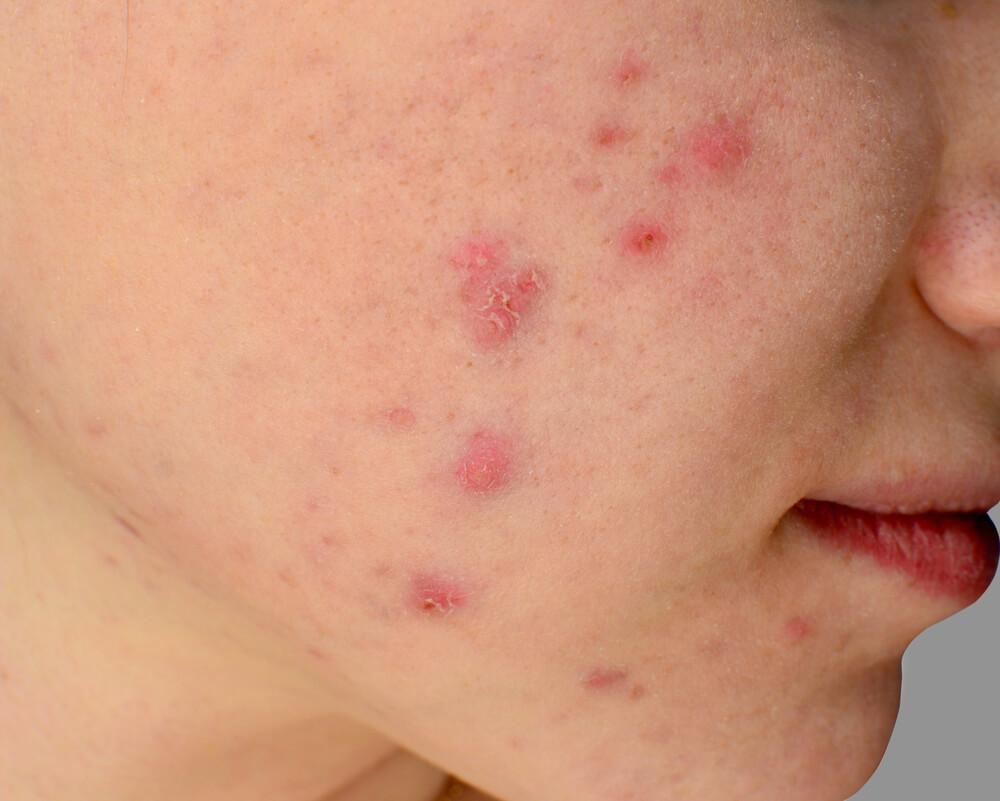
Follicular disorders are a group of skin conditions that affect hair follicles, typically resulting from inflammation, infection, or structural abnormalities. These disorders manifest with symptoms such as hair loss, redness, itching, pain, and skin bumps like. Follicular disorders can be temporary or chronic and may lead to serious complications road if left untreated. Diagnosis and treatment of these disorders require dermatological examination and appropriate therapeutic approaches.
Folliculitis is a follicular disorder caused by infection or inflammation of hair follicles common. It commonly arises due to bacterial (especially Staphylococcus aureus), fungal, or viral infections situation. Folliculitis appears on the skin as red bumps or inflamed pimples small and often causes itching or pain.
Superficial folliculitis is a mild infection affecting the upper portion of hair follicles. This type often develops due to hair follicle irritation or after shaving. Symptoms include redness, itching, and small inflamed bumps.
Deep folliculitis is a more severe infection involving deeper parts of the hair follicles. It is typically characterized by larger, painful, inflamed nodules. If untreated, deep folliculitis can lead to the formation of apse beneath the skin.
Acne keloidalis nuchae is a chronic follicular disorder that primarily affects the nape of the neck and the posterior scalp. It results from inflammation and fibrosis of hair follicles. Acne keloidalis nuchae is commonly seen in dark men and is characterized by firm, raised, keloid-like lesions that may cause itching and pain.
Follicular resemble planus is a rare form of lichen planus that affects hair follicles. It typically occurs on the scalp, arms, and legs. Follicular lichen planus is characterized by red or purple colorful papules and hair loss. If untreated, this disorder can lead to permanent hair loss.
Follicular mucopolysaccharidosis is a rare follicular disorder caused by abnormal accumulation of mucopolysaccharides in hair follicles. It is typically characterized by small, firm skin bumps and hair loss. Follicular mucopolysaccharidosis is genetic a disease and treatment is symptomatic.
Follicular disorders can arise from various factors. Infections (bacterial, fungal, viral), inflammation, hormonal changes, genetic predisposition, and skin irritation are among the most common causes. Additionally, mechanical factors such as shaving, epilation, and tight clothing can trigger follicular disorders.
The diagnosis of follicular disorders is made through clinical examination and, when necessary, laboratory tests. Dermatologists may make a diagnosis based on the appearance, distribution of lesions, and the patient’s history diagnosis. In some cases, biopsy or culture tests may be required. Particularly in infectious follicular disorders, culture tests are performed to identify the causative microorganism active.
The treatment of follicular disorders varies depending on the type and severity. The primary goals of treatment are to reduce inflammation, control infection, and alleviate symptoms.
Topical antibiotics, antifungal agents, and corticosteroids are used in the treatment of follicular disorders. These medications are effective in controlling infection and reducing inflammation. Topical retinoids may also be used in the management of follicular disorders.
For severe follicular disorders, systemic treatments such as oral antibiotics, antifungal agents, or immunosuppressive drugs may be necessary. These medications are particularly indicated in cases of deep folliculitis or widespread infection.
Some follicular disorders, particularly chronic conditions such as acne keloidalis nuchae, may require laser therapy or surgical intervention. Laser therapy is used to reduce inflammation and shrink lesion size. Surgical intervention may be needed to remove large, painful nodules.
Lifestyle changes play an important role in preventing and managing follicular disorders. Proper skin hygiene, appropriate shaving techniques, and avoiding tight clothing can help prevent these conditions. Additionally, cosmetic products that irritate the skin should be avoided.

No Discussion Added Yet
Start discussion for "Follicular Other Disorders" article
Folliculitis
Superficial Folliculitis
Deep Folliculitis
Acne Keloidalis Nuchae
Follicular Lichen Planus
Follicular Mucopolysaccharidosis
Causes of Follicular Disorders
Diagnosis of Follicular Disorders
Treatment of Follicular Disorders
Topical Treatments
Systemic Treatments
Laser Therapy and Surgical Intervention
Lifestyle Modifications