


This article was automatically translated from the original Turkish version.
+2 More
Palleci language is a secret occupational language that developed historically among copper and tin craftsmen in the Kavaklıdere district of Muğla province and its surroundings, based on the principle of secrecy. The term derives from the word palle, meaning “copper,” and is also used in the region as “copper language,” “tin language,” or “meekçi language.” This language was created to preserve professional confidentiality and facilitate internal communication among local artisans; today, it is an oral communication medium in the process of being forgotten.
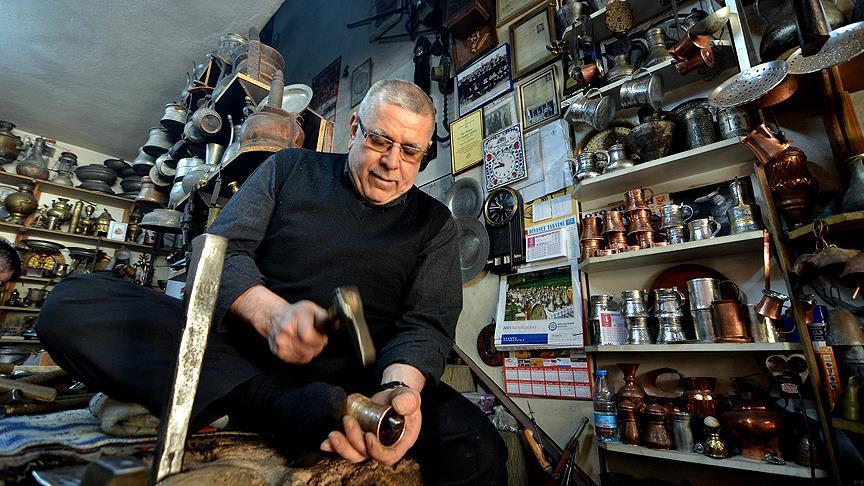
Palleci (AA)
The origins of the Palleci language date back approximately seven centuries. During the period when copperworking and tinworking flourished in Anatolia, masters active in Kavaklıdere and its vicinity traveled to regions such as Afyonkarahisar, Denizli, Nazilli, Tire, and Ödemiş to sell their products. In this process, they developed a unique linguistic system among themselves to protect professional secrets, ensure commercial security, and keep their earnings confidential.
The Palleci language is not an independent language but a coded sub-language derived from regional dialectal features of Turkish, containing a limited vocabulary of approximately three hundred words. Its primary function is to facilitate communication within the occupational group and to create a speech system unintelligible to outsiders. In this respect, the Palleci language shares characteristics with other secret occupational languages in Anatolia such as the Abdal language, the Tahtacı language, and the Çepni dialect.
The first written records about the Palleci language appear in the 1930s in the work Muğla Tarihi (1939) by primary school teacher Zekâi Eroğlu, who collected materials in the Muğla region. The first scholarly study was conducted by Turkish linguist Ahmet Caferoğlu in his 1954 article titled “On the Pallacı, Tahtacı and Çepni Languages.” In this study, Caferoğlu compiled the vocabulary of the Palleci language and carried out comparative analyses of its phonetic and semantic features. 【1】
In subsequent years, the vocabulary was expanded through collections made by teacher Birgül Çirik, her student Selda Aykurt, and local researcher Şükrü Kocabaş. Vocabulary and example sentences were documented with contributions from master artisans such as Mustafa Kocabaş. Additional data on the language’s usage were gathered through oral history studies conducted in the 2000s. 【2】
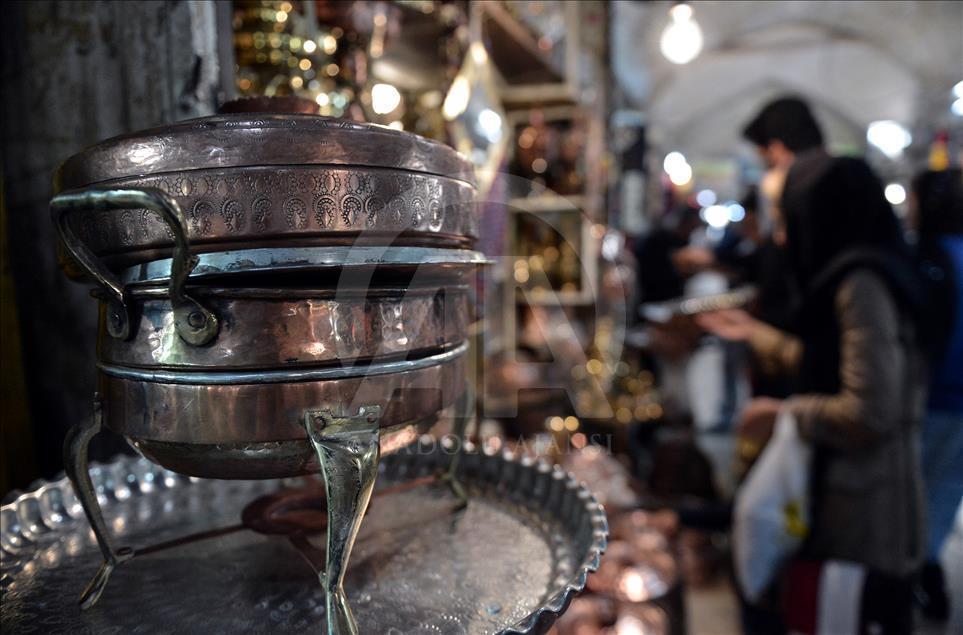
Copper Product (AA)
The Palleci language was formed through semantic shifts, phonetic changes, or metaphorical extensions of Turkish words. Some terms relate to trade, handicrafts, interpersonal relations, and daily life.
Some example words include:
Some example sentences in the language are:
As copperworking and tinworking production activities in Kavaklıdere have declined, the domain of use for this occupational language has also narrowed. Today, there are almost no fluent speakers of the Palleci language; it survives only in the form of a few remembered words among elderly masters. Local institutions have initiated various efforts to preserve this language as part of intangible cultural heritage. In 2014, collections related to the Palleci language were published by the Kavaklıdere Municipality Culture Publications; additionally, in collaboration with the South Aegean Development Agency, work has begun to create a lexical archive of the language.
Anadolu Ajansı. "'Palleci' Dili Zamana Direniyor." Accessed October 31, 2025. https://www.aa.com.tr/tr/kultur-sanat/palleci-dili-zamana-direniyor/808318.
Anadolu Ajansı. “Bakırı 48 Yıldır Çekiçle Süslüyor.” Accessed October 31, 2025. https://www.aa.com.tr/tr/pg/foto-galeri/bakiri-48-yildir-cekicle-susluyor-/17.
Caferoğlu, Ahmed. "Pallacı, Tahtacı ve Çepni Dilleri'ne Dair." *Türkiyat Mecmuası* 11 (1954): 41–56. Accessed October 31, 2025. https://dergipark.org.tr/tr/pub/iuturkiyat/issue/18504/194844.
Kavaklıdere Kaymakamlığı. "Kavaklıdere Bakırcılığı ve Bakırcı/Kalaycı (Palleci) Dili." Accessed October 31, 2025. http://kavaklidere.gov.tr/kavakliderede-bakircilik-sanati.
Sevinçli, Efdal. "Muğla Yöresinden Gizli Bir Dil: Palleci Dili." *Kent ve Bellek.* Accessed October 31, 2025. https://www.kentvebellek.com/haber/mugla-yoresinden-gizli-bir-dil-palleci-dili_47/.
[1]
Efdal Sevinçli, "Muğla Yöresinden Gizli Bir Dil: Palleci Dili," Kent ve Bellek, 6 Temmuz 2021, erişim tarihi 31 Ekim 2025, https://www.kentvebellek.com/haber/mugla-yoresinden-gizli-bir-dil-palleci-dili_47/.
[2]
Efdal Sevinçli, "Muğla Yöresinden Gizli Bir Dil: Palleci Dili," Kent ve Bellek. 6 Temmuz 2021, erişim tarihi 31 Ekim 2025, https://www.kentvebellek.com/haber/mugla-yoresinden-gizli-bir-dil-palleci-dili_47/.

Historical Background
Linguistic Features and Function
History of Research
Vocabulary and Examples
Current Status