


This article was automatically translated from the original Turkish version.
+1 More
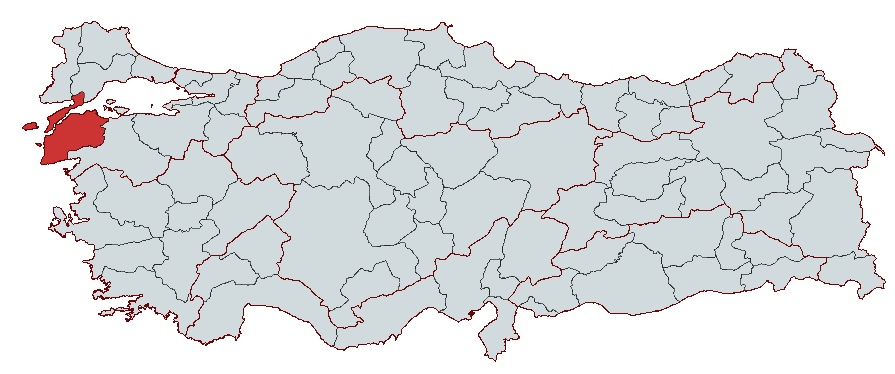
Çanakkale is a province in northwestern Türkiye, within the Marmara Region, place and spanning territories on both Asia and Europe continents. Due to its dominant position over the Çanakkale Strait, it has historically served as a crucial important passage, gaining prominence through the ancient city of Troy, Ottoman-era fortresses, and especially the 1915 Çanakkale Battles. The province’s economy is shaped by agriculture, tourism and fishing such as sectors, influenced by both Mediterranean and Black Sea climates. Çanakkale, located on the Biga Peninsula, on is culturally rich due to its natural beauty, islands (Bozcaada and Gökçeada), and historical heritage.

The Trojan Horse Used in the Film Troy and Exhibited in Çanakkale Center
Çanakkale has been home to significant civilizations since prehistoric times and has served as a strategic region due to its geographical position. The province bears traces of numerous civilizations from antiquity through the Ottoman period to the foundation of the Republic, undergoing many historical process and cultural transformations.
The earliest settlement traces in Çanakkale extend back to approximately 6000 BCE, to the Chalcolithic Era. Archaeological excavations in the region have uncovered significant sites such as Kumtepe Höyüğü and the ancient city of Troy. Troy is especially famous for the Trojan War described in Homer’s Iliad, and this city was founded around 3000 BCE and was repeatedly destroyed and rebuilt over successive periods. By 1200 BCE, Troy came under the control of the Hittites and later Greek colonies.
The region fell under Lydian rule in the 7th century BCE and then under Persian control by the mid-6th century BCE. Persian King Darius conquered the area, and after Alexander the Great defeated the Persians in the Battle of Granicus in 334 BCE (near the Biga River), the region came under Macedonian control. Following Alexander’s sudden death, the region changed hands among generals such as Antigonus and Seleucus. In 133 BCE, with the incorporation of the Kingdom of Bergama into the Roman Empire, Çanakkale became part of the Roman province of Asia.
During the Roman Empire, Çanakkale became an important trade center, and urbanization accelerated during this period. When the Roman Empire split into East and West in 395 CE, the region came under the control of the Eastern Roman Empire (Byzantium). During the Byzantine era, Emperor Justinian I constructed defensive structures in the Sestos region (modern-day Eceabat) to secure the strait.
During the Byzantine period, Çanakkale was frequently attacked due to its strategic importance during the Crusades, particularly being captured by Seljuk Turks in the 1070s. In the late 11th century, Seljuk commander Çaka Bey launched expeditions into the region after securing power along the Aegean coast.

The Ancient City of Asos – Temple of Athena
The Ottoman State gained control of the region in the mid-14th century by taking over the Karesi Beylik (a principality that ruled southern Marmara and the Çanakkale area) judgment. Çanakkale was fully incorporated into Ottoman territory in 1361 and became a strategic military base and transit point for the Ottomans. Fatih Sultan Mehmet built the Kal‘a-i Sultaniye (modern-day Çanakkale Castle) in 1463 to control the Çanakkale Strait. This castle enabled the Ottomans to monitor all strait crossings.
During the 17th century Venetian-Ottoman wars, the region was frequently attacked, yet the Ottomans maintained their dominance over the strait. Evliya Çelebi described Çanakkale in the 17th century as a developed city, particularly noting its ceramic and pot production as key to its famous prosperity. Over time, the city became known for its pot-pottery production, and the name “Çanakkale” gradually became official.
In the 18th century, as the Ottoman Empire weakened, Çanakkale was incorporated into the defense line during the Ottoman-Russian wars of the 1830s. In 1809, the “Çanakkale Treaty” was signed between the Ottoman Empire and Britain, ensuring Ottoman control over the Çanakkale Strait. In 1831, it is recorded that Sultan II. Mahmud visited the region and ordered various military fortifications.
Çanakkale was the site of the Çanakkale Battles, one of the most significant conflicts of World War I, fought between the Ottoman Empire and the Allied Powers. On 18 March 1915, the Allied Powers (Britain and France) launched a major sea operation to pass through the Çanakkale Strait and capture Istanbul. However, the Ottoman army repelled the attack, inflicting heavy losses on the Allies. After the naval campaign failed, on 25 April 1915, amphibious landings were made on the Gallipoli Peninsula. Ottoman forces, particularly at the Anafartalar, Conkbayırı, and Arıburnu fronts, halted the advance of the Allied forces. With the Ottoman victory, the Allied forces fully withdrew from the region in 1916, and the Çanakkale Strait remained under Ottoman control.
Following the Ottoman Empire’s signing of the Armistice of Mudros, Çanakkale was occupied by the Allied Powers. However, in 1922, the victory of the Turkish army liberated the region from occupation, and with the proclamation of the Republic, Çanakkale attained provincial status. In the early years of the Republic, the city had a small population but gradually developed economically, culturally and touristically, becoming a modern settlement. Today Çanakkale is one of Türkiye’s well-known provinces due to its historical heritage, strategic importance, natural beauty and tourism potential.
Çanakkale attracts both domestic and foreign tourists through significant tourist areas such as the ancient city of Troy, the Gallipoli Peninsula Historical National Park, Bozcaada and Gökçeada. The city also preserves its historical significance through annual commemorative ceremonies held on March 18 for the Çanakkale Victory and the Anzac Day events in Gallipoli.
Çanakkale is one of two provinces in Türkiye located in the northwest and spanning territories on both the Asian and European continents. While situated within the Marmara Region, part of its territory lies along the Aegean Sea coast. Çanakkale Province is bordered by the Aegean Sea to the west, Edirne and Tekirdağ to the north, and Balıkesir to the east. The province’s total area is 9,817 km², with the majority of this area located on the Biga Peninsula. The Çanakkale Strait is a natural water that divides the province and connects Sea of Marmara with the Aegean Sea.
Çanakkale’s terrain is generally rugged. Most of the province’s land lies on the Biga Peninsula, where elevations and valleys are common. Major mountain ranges include the Biga Mountains, the northern extensions of the Kaz Mountains, and low hills on the Gallipoli Peninsula. The Biga Mountains rise in the interior and gradually descend toward the coast, transitioning into flatland areas.

Çanakkale Central Shoreline
The province has an extensive river network, with the most important rivers being Kocaçay (Biga River), Sarıçay and Tuzla River. The coastal areas of Çanakkale contain numerous natural village and nose, which hold strategic importance importance for maritime transport. Natural harbors on the Gallipoli Peninsula include Anıt Liman, Poyraz Dark, Akbaş Limanı and Cumalı Limanı; on the Asian side, Darkness Liman, Kepez Koyu and Lapseki Limanı are notable.
Çanakkale’s coastline is highly indented, featuring numerous bays, capes and gulfs. The largest islands in the province are Gökçeada and Bozcaada. Gökçeada is Türkiye’s largest island and has preserved its natural structure to a large extent. Bozcaada is an important tourism destination known for viticulture and winemaking.
The Çanakkale Strait is one of the province’s most important geographical features. Approximately 68 kilometers long, the strait is only 1.2 kilometers wide at its narrowest point. Historically of strategic importance, it remains one of the world’s most critical maritime trade routes.
A significant portion of Çanakkale’s land is covered by forests. The province’s overall plant cover typically exhibits characteristics of Mediterranean flora. Mediterranean scrub vegetation is common along the coast, while forested areas dominate inland. The most important forest areas are concentrated around the Kaz and Biga Mountains, where pine, fir and oak trees spread over extensive areas.
Çanakkale also has fertile agricultural valleys. The Biga, Bayramiç and Ezine valleys are the main areas of intensive agricultural production. Vegetable and fruit cultivation is prominent here, and olive groves and vineyards also play a significant role.
Çanakkale experiences a transitional climate between Mediterranean and Black Sea climates. As a result, climatic conditions vary across different regions of the province. The coastal areas are predominantly influenced by the Mediterranean climate, while inland areas exhibit characteristics typical of the land climate.
In Çanakkale, summer months are hot and dry, while winter months are mild and rainy. Summer temperatures range between 25–35°C, with the hottest period typically occurring in July and August. Winter temperatures generally range from 0–10°C, although time cold air masses from the north can cause temperatures to drop below freezing.
Spring and autumn months have milder temperatures and represent the most balanced weather conditions of the year. Spring rainfall is generally low, but autumn rainfall increases significantly.
Winds play a significant role in Çanakkale’s climate. Throughout the year, winds from various directions affect the province, particularly strong northerly poyraz winds in winter that lower temperatures. Poyraz brings cold and harsh air masses in winter but can also provide cooling effects during summer.

Kilitbahir Castle
During summer, southerly lodos winds contribute to rising temperatures. On days when the lodos is active, temperatures increase and humidity levels rise. Additionally, persistent winds around the strait can sometimes hinder maritime transport.
Annual precipitation in Çanakkale varies by region. Rainfall is concentrated in autumn and winter, while summer months experience very low rainfall. The average annual precipitation ranges between 600–1000 mm. Snow precipitation is rare across the province. Snowfall along the coast is infrequent and short-lived, while higher elevations and inland areas receive more snowfall during winter. However, snow that falls rarely remains on the ground for long.
Sea water temperature in Çanakkale reaches favorable levels for tourism during summer months. In July and August, sea temperatures rise to 23–25°C, a factor that supports coastal tourism. In spring and autumn, sea temperatures decline, and in winter they drop to 10–12°C.
Çanakkale has historically been influenced by diverse cultures and has hosted various ethnic groups. Migration, wars and economic developments throughout history have caused significant demographic changes. Today, Çanakkale exhibits demographic characteristics similar to other regions of Türkiye in terms of rural-urban population balance, migration movements and ethnic diversity.
As of 2024, Çanakkale’s population is approximately 568,966. The majority of the population is concentrated in the center district and coast areas, with lower population density in rural regions. The average population density across the province is about 58 persons per km², rising to around 200 in the central district.
Çanakkale Province consists of 12 districts. The most populous districts are Çanakkale Central, Biga and Çan, while Bozcaada and Gökçeada have the lowest populations. In recent years, migration has increased toward coastal areas and the central district, with a clear trend of population movement from rural areas to urban centers.
Urbanization in Çanakkale accelerated significantly from the second half of the 20th century. Industrialization and developments in education and tourism have supported population growth in the central and coastal areas. Part of the rural population, traditionally engaged in agriculture and livestock, has migrated to the city center seeking better living and work conditions.
Çanakkale is also one of Türkiye’s recipient provinces for external migration due to its appeal in education and tourism. The presence of Çanakkale Onsekiz Mart University has increased the proportion of young people in the province and contributed to a concentrated student population. The influx of young people seeking university education significantly influences the social and economic structure of the city center.
Çanakkale’s population growth rate is lower than the national average. Declining fertility rates in rural areas and youth migration to larger cities have limited overall population growth. The province has a high proportion of young and working-age population, with individuals aged 15–64 age making up approximately 65% of the total population. The elderly population percentage is slightly higher than the national average, a result of the province’s peaceful and tranquil lifestyle, which attracts retirees and older individuals.
Çanakkale’s economy is based on agriculture, industry, tourism and service sectors. Its geographical location, fertile soils, coastal strip and historical legacy contribute to a diverse economic structure. Traditional agricultural production and livestock activities remain important, while industry and tourism sectors are growing steadily.
Çanakkale occupies a strategic position with access to road, sea, air and rail connections. The city serves as a vital transit point between western Türkiye, Istanbul and the Aegean Region.
Çanakkale is connected by road to major cities such as Istanbul, İzmir, Bursa and Balıkesir. Access to Istanbul and the Aegean Region is possible via the D-550 (E-87) Highway and D-200 routes. The opening of the 1915 Çanakkale Bridge has made crossing from the European side to Anatolia more fast. Within the city, municipality buses, minibuses and taxis are widely used for local transportation.

1915 Çanakkale Bridge
The Çanakkale Strait is of great importance for maritime transport. Regular ferry services operate between Lapseki-Gelibolu, Çanakkale-Kilitbahir and Çanakkale-Eceabat. Additionally, car ferries to Gökçeada and Bozcaada provide access to the islands.
Çanakkale Airport, located near from the city center, offers regular domestic flights to Istanbul. Additional seasonal flights during summer months connect the province to tourist destinations.
Çanakkale is one of Türkiye’s important agricultural regions due to its fertile soils and favorable climate conditions. The districts of Biga, Bayramiç, Ezine and Lapseki lead in agricultural production. Major crops grown across the province include tomatoes, olive, grape, wheat, barley and sunflowers. Çanakkale is also advanced in fruit cultivation, with widespread production of cherry, apple, peach and pear.
Viticulture and winemaking are significant economic activities, especially in areas such as Bozcaada and Gökçeada. Bozcaada, recognized as one of Türkiye’s premier quality wine-producing regions, is known for its local grape varieties.
The livestock sector holds an important place in the province’s economy. Ezine and Bayramiç districts are prominent in milk production and dairy operations. Ezine cheese, a geographically protected product, is well known throughout Türkiye. Sheep and cattle farming, as well as fishing, also contribute significantly to the economy. Çanakkale’s coasts are among Türkiye’s most important fishing centers, especially for sardine harvesting.
Çanakkale’s industry is primarily concentrated in the food, ceramic, cement and textile sectors. Çanakkale Ceramics is one of the province’s largest industrial enterprises and one of Türkiye’s leading brands in ceramic and porcelain production. The ceramic industry is especially concentrated in the Çan district.
Cement production is another major industrial sector. Cement factories are located in Lapseki and Biga districts, producing for both local markets and international export.
The province’s trade structure is based on industry and agriculture, with maritime trade playing a vital role. The presence of the Çanakkale Strait provides a strategic advantage for maritime transport, and the province’s ports contribute significantly to commercial activity.
Çanakkale is one of Türkiye’s provinces with high wind energy potential. Wind power plants have been established around the Kaz Mountains and Biga Peninsula, and renewable energy investments are increasing. Additionally, hydroelectric and sun power plants are located in various parts of the province.
In terms of transportation infrastructure, Çanakkale has gained a more strategic position with the opening of the 1915 Çanakkale Bridge. This bridge has facilitated road crossings over the Çanakkale Strait, promoting industrial and commercial development. Furthermore, the presence of Çanakkale Airport provides a significant advantage for tourism and business access to the province.
Çanakkale is one of Türkiye’s major tourist centers due to its historical sites, natural beauty and cultural richness. Its historical heritage, archaeological sites, natural attractions, beaches and gastronomic values make it an appealing destination for both domestic and international tourists throughout the year.
Çanakkale has hosted numerous civilizations throughout history and is particularly prominent for its Troya Ancient City and Gallipoli Peninsula Historical National Park.
Çanakkale possesses great potential for sea and nature tourism due to its shores, islands and natural areas along the Aegean and Marmara coasts.
Çanakkale hosts numerous cultural and artistic events throughout the year.
This date marks the anniversary of the Ottoman army’s major victory over the Allied Powers in the Çanakkale Strait in 1915. It commemorates the successful defense of the strait against British and French naval attempts and the heroic resistance of Turkish forces. The Çanakkale Battles are among the most important struggles demonstrating the Turkish nation’s determination to defend its independence and homeland. Every year on March 18, commemorative ceremonies held at the Gallipoli Peninsula cemeteries and across country honor the brave soldiers who gave their lives for the homeland. This day is a significant day that reinforces awareness of preserving Türkiye’s historical heritage and reminds the Turkish nation of its union and unity.

Çanakkale Martyrs’ Memorial
Çanakkale cuisine features a rich blend of Aegean and Marmara kitchen cultures, characterized by abundant seafood, olive oil-based dishes and dairy products.
Ezine Cheese, a geographically protected product, is the region’s most famous cheese. Sardine, a symbol of Çanakkale, is consumed grilled, steamed or salted. Fish varieties such as lufer, chub mackerel and sea bass also hold important places in the local cuisine.
Olive oil-based dishes include stuffed squash blossoms, artichokes, borulce and fat hen. Tumbi is a traditional dish made with minced meat and bulgur. Metez is a local variation of mantı, served with yogurt and service. Ovmaç soup is a nutritious soup made with yogurt and flour.
Local specialties include cheese-stuffed eggplant and Bayramiç beyazı (a variety of nectarine). Çanakkale cuisine attracts attention with its natural ingredients and rich flavors.
Among desserts, the most notable flavor is cheese helva. Made with sheep cheese, semolina and sugar, this sweet is baked and served either hot or cold, especially during holidays and special occasions.
Tuncel, Metin. "Çanakkale." *TDV İslâm Ansiklopedisi.* Accessed February 8, 2025. https://islamansiklopedisi.org.tr/canakkale.
Türkiye İstatistik Kurumu. "Cumhurbaşkanlığı İstatistik Portalı." Accessed February 8, 2025. https://cip.tuik.gov.tr/.
Çanakkale Belediyesi. "Ana Sayfa." Accessed February 8, 2025. https://www.canakkale.bel.tr/tr/sayfa/home.
Çanakkale Valiliği. "Şehrimiz." Accessed February 8, 2025. http://www.canakkale.gov.tr/sehrimiz.

No Discussion Added Yet
Start discussion for "Çanakkale (Province)" article
History of Çanakkale
Antiquity and Early Settlements
Roman and Byzantine Periods
Ottoman Period
Çanakkale Battles (1915) and World War I
Republican Era and Present Day
Geography
Landforms and Terrain Structure
Coasts and Islands
Soil and Vegetation
Climate of Çanakkale
Seasonal Characteristics
Winds and Air Currents
Precipitation Regime
Sea Water Temperature and Tourism Impact
Population
Population and Settlement Distribution
Çanakkale Districts and 2023 Populations
Urbanization and Migration Trends
Population Growth and Age Distribution
Economy of Çanakkale
Transportation in Çanakkale
Road Transport
Maritime Transport
Air Transport
Agriculture and Livestock
Industry and Trade
Energy and Infrastructure Investments
Tourism and Culture
Historical and Cultural Tourism
Nature and Marine Tourism
Festival and Event Tourism
March 18 Çanakkale Victory and Martyrs’ Commemoration Day
Cuisine of Çanakkale