


This article was automatically translated from the original Turkish version.
+2 More
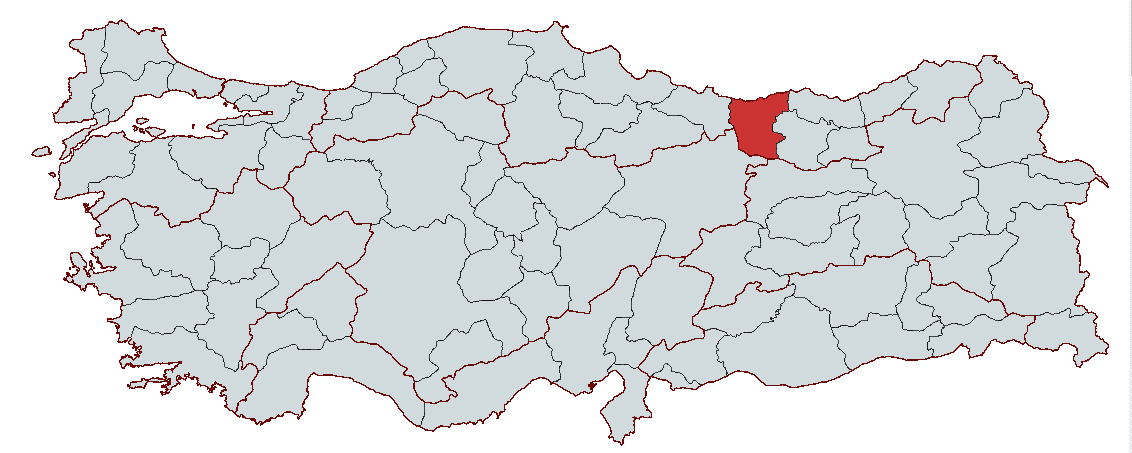
Giresun is a historic city located in the east section of the Black Sea, occupying place territory and possessing a deep historical legacy. Since antiquity, this region has come under the rule of various civilizations and particularly served as a strategic center during the Roman, Byzantine, and Ottoman periods.
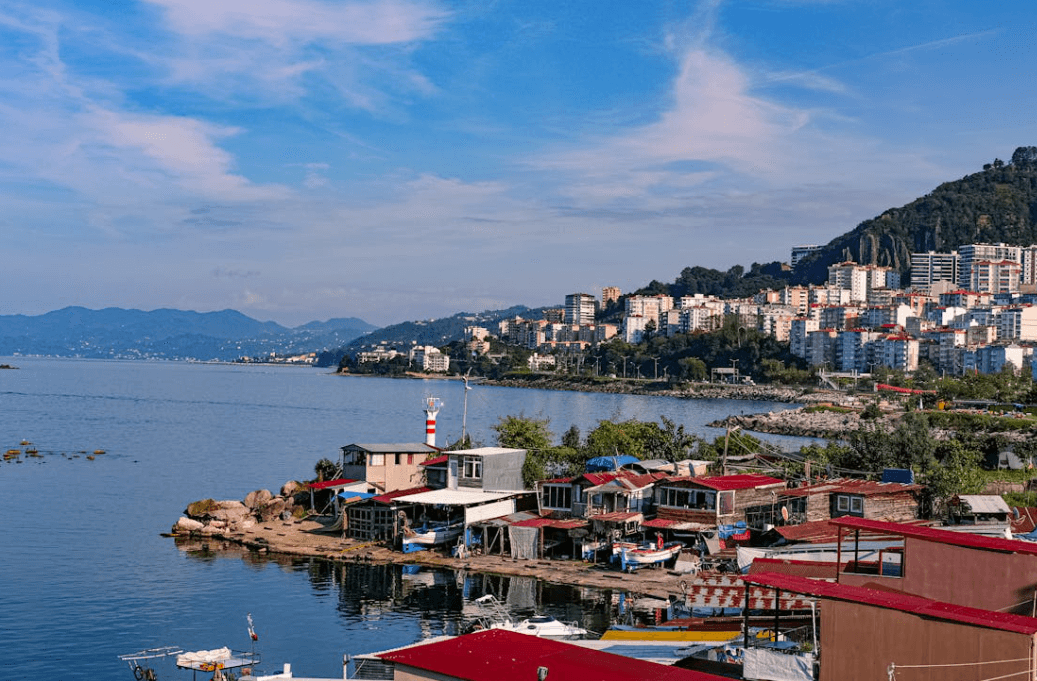
Giresun (Source: Pexels/Traveler)
The history of Giresun extends back to the 2000s BCE. The earliest settlement traces in the region are attributed to the Kaska people mentioned in Hittite sources. However, the first organized state structure in Giresun and its surroundings developed in the 8th century BCE under Colchian and Scythian influence.
The earliest known name of Giresun is Kerasus or Cerasus, derived from the Greek word “Keras,” meaning “horn.” The region was settled in antiquity particularly by the Amazons, Milesians, and Persians. Under Persian administration in the 6th century BCE, the area became part of the Hellenistic world following the campaigns of Alexander the Great in the 4th century BCE.
With the expansion of the Roman Empire into Anatolia, Giresun came under the control of the Kingdom of Pontus. During the reign of King Mithridates VI of Pontus, it became an important city trade center. After Rome took control of the region, Giresun functioned as a commercial and military hub among the port cities of the Eastern Black Sea.
During the Byzantine era, Giresun developed as an important center for Christianity, with monasteries and churches constructed throughout the region. Following the Fourth Crusade in 1204, the city was incorporated into the Empire and established intensive commercial relations with the Genoese during the 14th century.
Giresun was incorporated into Ottoman territory in 1461 during the Trabzon Campaign of Fatih Sultan Mehmet. Under Ottoman rule, Giresun developed as a major port and trade center, known for its hazelnut and lumber trade. In the 17th century, Evliya Çelebi’s Seyahatname noted that Giresun was a developed port city with a large population.
In the 19th century, as part of the Ottoman Empire’s administrative reforms, Giresun became a district subordinate to the Trabzon Vilayet. During this period, the city had a dense Muslim population alongside significant Greek and Armenian communities.
During World War I (1914–1918) and the Turkish War of Independence (1919–1922), Giresun gained prominence through the Giresun Volunteer Regiments under the command of Osman, Ağa and Topal Osman. With the founding of the Republic of Türkiye in 1923, Giresun attained provincial status and achieved significant economic and cultural importance in Black Sea Region.
In the early years of the Republic, Giresun rose to prominence through hazelnut production and export and continues to be one of Türkiye’s most important hazelnut production centers today.
Giresun is located in the Eastern Black Sea Region of Türkiye, between latitudes 40°07' and 41°08' north and longitudes 37°50' and 39°12' east. Bordered by the Black Sea to the north, Trabzon and Gümüşhane to the east, Sivas and Erzincan to the south, and Army to the west, Giresun covers an area of 6,934 km², approximately 0.89% of Türkiye’s total land area.
The province’s geography features a narrow coastal strip in the north and rugged, mountainous terrain in the south. The Giresun Mountains run parallel to the coast, rising in elevation toward the interior. Lower elevations are observed as the Kelkit Valley is approached. The coastal zone exhibits a humid and rainy climate under Black Sea influence, while the mountainous southern areas experience continental climatic effects.
Narrow plains along the coast have formed along river valleys. The Harşit, Aksu, Batlama, and Pazarsuyu such as rivers are significant hydrographic features within the province. The Harşit Çayı, Giresun’s longest river, originates in Gümüşhane and flows into the Black Sea through the Tirebolu district, with a total length of 160 km. Although glacial and karstic lakes are rare in Giresun, Karagöl in the Karagöl Mountains and Mavi Lake in the Kuzalan Nature Park are notable natural lakes.
Among Giresun’s highest points are Musa Tepesi at 3,330 meters, Cankurtaran Tepesi at 3,278 meters, and Gâvurdağı Tepesi reaching 3,248 meters. Pastoral activities are common on the slopes of these mountains and have historically formed part of a transhumant lifestyle. Pastures such as Kulakkaya, Bektaş, Tamdere, Karagöl, and Kazıkbeli serve as areas for agriculture and livestock farming.
The provincial center of Giresun is situated on a peninsula extending into the sea between the Aksu and Batlama valleys. East of this peninsula lies Giresun Island, the only island in the Black Sea suitable for human settlement. On Giresun Island, ruins from the Byzantine period and remnants of the Ayios Fokas Monastery exist as significant historical remains.
Giresun’s ecosystem and biological diversity are exceptionally rich due to the humid climate of the Black Sea. From sea level up to 600 meters elevation, deciduous forests dominated by hazelnut and fruit trees are widespread. At higher elevations, coniferous species such as Turkish pine, fir, and spruce predominate. Wildlife in the region includes wolf, jackal, wild boar, goshawk, eagle, and griffon vulture. Additionally, fishing, tied to the rich water ecosystem of the Black Sea, has historically been one of the province’s fundamental economic pillars.
The inland settlements of Giresun have historically formed part of a commercial and cultural interaction network through their black connections with Sivas and Erzincan. During the Ottoman period, this region was known as Karahisar-i Şarkî and served as a door to the Kelkit Valley. Due to its links to southern trade routes, this area has developed a distinct agricultural and cultural character.
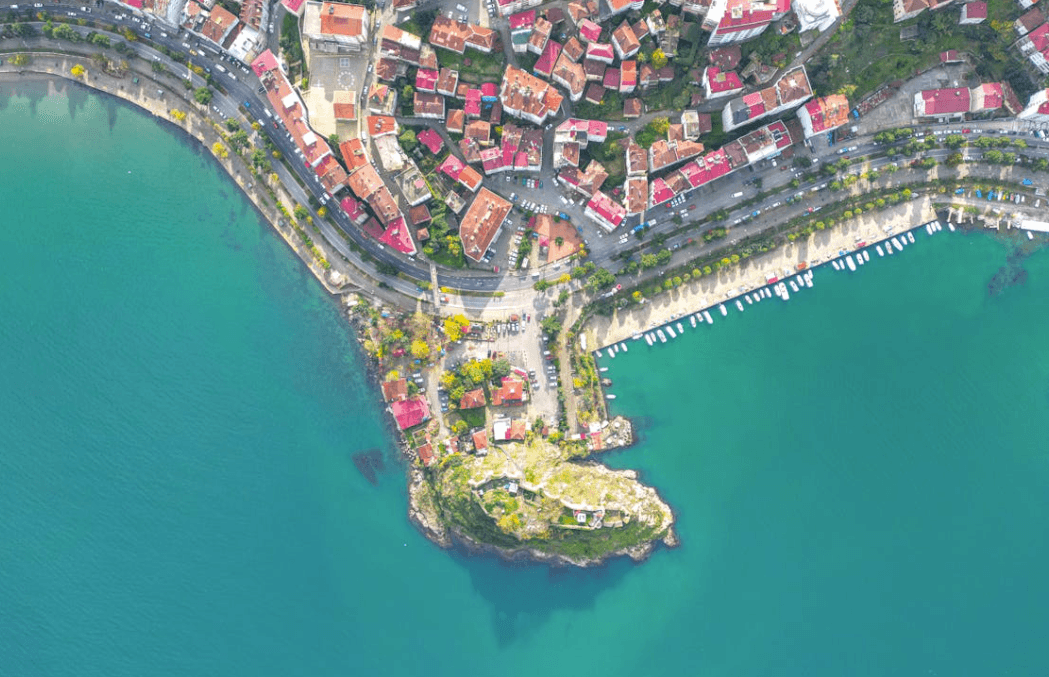
Giresun (Source: PexelsFurkan)
Giresun Province has an economy based primarily on agriculture, shaped by its geographical structure and climatic conditions. Hazelnut production is the province’s most significant agricultural activity, and Giresun is internationally renowned for the quality of its hazelnuts. Besides agriculture, livestock farming, forestry, fishing, and industry sectors contribute to the provincial economy, albeit to a lesser extent. Due to limited industrial and large-scale commercial activity, Giresun is classified among migration provinces, with its economy largely dependent on agriculture and agro-based industry.
Agricultural activities in Giresun differ between the coastal and inland areas. In the coastal zone, hazelnuts are the most important agricultural product. Giresun contributes approximately 14% of Türkiye’s total hazelnut production, giving it a significant position in national and international markets. In addition to hazelnuts, tea, kiwi, maize, bean, vegetables, and fruits are also cultivated. Tea production in Tirebolu and Eynesil districts has increased in recent years and has become an alternative income source for local communities.
In the inland areas, agriculture is centered on cereal production. In the districts of Şebinkarahisar, Alucra, and Çamoluk, cereals such as wheat, barley, and barley are grown alongside significant production of walnut and apple fruits. The walnut variety known locally as “Şebin Cevizi” is commercially valued for its distinctive characteristics.
Maize, one of the most commonly cultivated cereals, was widely produced in the early 20th century, but its cultivation area has declined due to the expansion of hazelnut production. Similarly, orange and grape production, once significant in Giresun, have lost their commercial importance in recent decades.
Livestock farming along the coast has not developed on a large scale due to limited pasture areas. However, small-scale livestock farming (sheep and goat rearing) is practiced in the high-altitude pastures of the inland areas. Large-scale livestock farming is also an important economic activity in the districts of Şebinkarahisar, Alucra, and Çamoluk located south of Eğribel Pass.
Beekeeping is widespread in the districts of Bulancak, Keşap, and Dereli. Most beekeepers in Giresun practice migratory beekeeping. However, due to the adverse effects of agricultural pesticides used in hazelnut orchards on bees, beekeepers often migrate to other environment provinces to sustain their production activities.
As a province with a coastline on the Black Sea, Giresun possesses significant potential for fishing. There are 609 licensed fishing vessels in the province, the majority of which operate as small-scale fisheries, with only 11 being large-scale trawlers.
The most commonly caught fish species along the Giresun coast include anchovy, mackerel, horse mackerel, red mullet, sea bream, bluefish, and tuna. Mackerel fishing can be conducted year-round, while tuna fishing is concentrated between September and November. Shield is fished between January and April. Although fishing does not play as dominant a role in Giresun’s economy as in the past, it remains a vital livelihood source for coastal communities.
Industry in Giresun is largely agro-based. Industrial activities are concentrated primarily on hazelnut processing and the production of hazelnut products. Hazelnuts produced in Giresun are processed into shelled and kernel forms for export and transformed into value-added products such as hazelnut oil, hazelnut paste, hazelnut flour, and chocolate.
There are two organized industrial zones in the province. The First Organized Industrial Zone (OSB) in the provincial center covers 70 hectares but operates at reduced capacity due to infrastructure issues. The Second OSB in Bulancak district, established on a 48-hectare site, has completed its infrastructure. A total of 676 companies hold an Industrial Registry Certificate and operate across the province. Food industry, forest products, and furniture manufacturing constitute the majority of industrial enterprises.
Industrial enterprises in Giresun largely rely on low and medium-low technology production and are at a disadvantage regarding international competition competitiveness. The industrial sector remains limited in development due to insufficient large-scale investment and inadequate technology utilization.
Analysis of Giresun’s foreign trade structure reveals that exports are predominantly based on hazelnuts and hazelnut products. Hazelnuts account for approximately 85% of the province’s exports, with major export destinations including Germany, Italy, Sweden, the United Kingdom, France, Belgium, and Netherlands, among other Europe countries.
In 2019, Giresun recorded exports worth $233.493 million. Imports primarily consist of agricultural and livestock products, machinery equipment, and food items, led by Germany, India, and China.
Giresun possesses tourism potential due to its natural beauty and cultural heritage. Giresun Island, the only island in the Eastern Black Sea suitable for human settlement, is one of the province’s key tourist attractions. In addition, Giresun Castle, pastures (Bektaş, Kümbet, Kulakkaya), and natural areas serve as important recording centers for tourism.
In 2019, the number of domestic and foreign tourists visiting Giresun was recorded at 229,206. The province has 77 facility with a total capacity of 3,886 bed. However, the development of tourism infrastructure and the enhancement of promotional activities are necessary.
The majority of Giresun’s population is concentrated along the coastal areas and in the provincial center. The parallel extension of the Eastern Black Sea mountains toward the coast has confined settlements to the narrow coastal strip. The population in urban centers and district towns maintains strong ties with rural areas. Particularly, hazelnut cultivation has contributed to seasonal migration between rural villages and the urban center.
The districts of Şebinkarahisar, Alucra, and Çamoluk in the south have lower population densities compared to coastal districts due to their geographical characteristics and transportation challenges. These districts, positioned as a gateway from Giresun to Central Anatolia, have experienced distinct economic and social development compared to the coastal region throughout history.
The earliest Ottoman population records for Giresun date back to the 15th century. According to Ottoman tax registers, the population in 1486 was predominantly Christian, with settlements clustered around the castle. After the Ottoman Empire secured control over Trabzon and its surroundings, the migration of Muslim Turkish populations to the region accelerated.
In the 19th century, significant demographic changes occurred in Giresun due to Ottoman reforms and population movements, resulting in an ethnic building. According to 1895 records, Giresun’s population was 74,963, of which 61,196 were Muslim, 12,322 were Greek, and 1,445 were Armenian.
The Çepni Turks played a vital role in the Turkification of the region. Arriving on the Black Sea coast from the 13th century onward, the Çepnis settled permanently in Giresun and its surroundings during the Ottoman period. In the 16th century, the region was referred to in Ottoman administrative records as “Vilayet-i Çepni.” The Çepnis continue to exist today as one of the Turkish tribes residing in Giresun’s rural areas.
Social and political developments in the 19th century influenced population movements in Giresun. A portion of the Christian population migrated due to the Ottoman-Russian wars and security concerns in neighboring regions. Additionally, following the 1857 Reform Edict, some families who had previously converted to Islam declared themselves Christian, reflecting religious identity shifts in the region.
Giresun has been significantly affected by the broader rural-to-urban migration trend in Türkiye. Until the 1960s, the majority of the rural population remained in place, but after this period, economic factors accelerated migration to major cities such as Istanbul, Ankara, İzmir, and Bursa. Limited employment opportunities in rural areas and declining agricultural productivity were key drivers of this migration.
Regarding internal migration, movement from rural areas to provincial and district centers is observed. Since the 1970s, coastal districts such as Bulancak, Tirebolu, Görele, and Espiye have received more migration than the provincial center. Inland districts Alucra and Şebinkarahisar have gradually experienced population loss, as young people leave for larger cities seeking better employment due to economic stagnation.
Another type of migration observed in Giresun is seasonal migration. During the hazelnut harvest season, Giresun families residing in other cities return to their villages to engage in agricultural activities. Additionally, seasonal agricultural laborers arriving from neighboring provinces and the Southeastern Anatolia Region to collect hazelnuts increase the local population during specific periods of the year.
Giresun’s total population has shown change over the years due to the decline in rural population and the acceleration of urbanization. The urban center’s population rose from 11,888 in 1927 to 19,902 in 1960. As of 2023, Giresun’s total population is approximately 450,000.
Urbanization rates are high along the coast, while population density is lower in inland areas. The concentration of agricultural and industrial activities in coastal districts is one of the main factors supporting population growth in these areas.
Mehmet Fatih Serdengeçti currently serves as Governor in Ankara. Serdengeçti was appointed as Governor of Giresun by Presidential Decree dated 2023 and numbered 2023/376. The President of the Provincial Council is Fuat Köse.
Giresun consists of 15 districts, 24 municipalities, 8 towns, and 549 villages.
Giresun Valiliği. "Giresun Valiliği Resmî Web Sitesi." Accessed February 14, 2025. http://www.giresun.gov.tr/.
Giresun Üniversitesi Office of International Relations. "Giresun Tanıtım." Accessed February 14, 2025. https://disiliskiler.giresun.edu.tr/tr/page/giresun-tanitim/7657.
T.C. Giresun Valiliği İl Çevre ve Orman Müdürlüğü. Giresun İl Çevre Durum Raporu 2005. Giresun: Giresun Valiliği, 2005.
T.C. Ministry of Culture and TourismGiresun İl Directorate of Culture and Tourism. "Giresun Provincial Directorate of Culture and Tourism Official Website." Accessed February 14, 2025. https://giresun.ktb.gov.tr/.

History
Antiquity and Early Settlements
Roman and Byzantine Periods
Ottoman Period and Turkish Rule
Republican Era and Modern Giresun
Geographical Structure
Economic Structure
Agricultural Activities
Livestock and Beekeeping
Fishing
Industry and Trade
Foreign Trade
Tourism and Services Sector
Demographic Structure
Historical Population Structure and Ethnic Distribution
Migrations
Urban and Rural Population
Administration
Districts of Giresun