


This article was automatically translated from the original Turkish version.
+2 More
Location | Nilüfer Türkiye Bursa | ||||||||
|---|---|---|---|---|---|---|---|---|---|
Date(s) | 1816 BCE Mysians | ||||||||
Period(s) | Ottoman Roman Ancient | ||||||||
Significance | Biblical debates, monastery, castle | ||||||||
Economy | Muscat grape silk production wine | ||||||||
Architecture(s) | Ottoman houses protected area (1989) | ||||||||
Misi Village is a settlement with a history of approximately 2000 years, currently known as Gümüştepe Neighborhood within the Nilüfer district of Bursa Province in Türkiye. Throughout its historical development, this settlement has been known by various names including Mysia, Misipolis, and Misi, and is notable for its origins extending into antiquity as well as its associations with early Christianity and the Ottoman period.

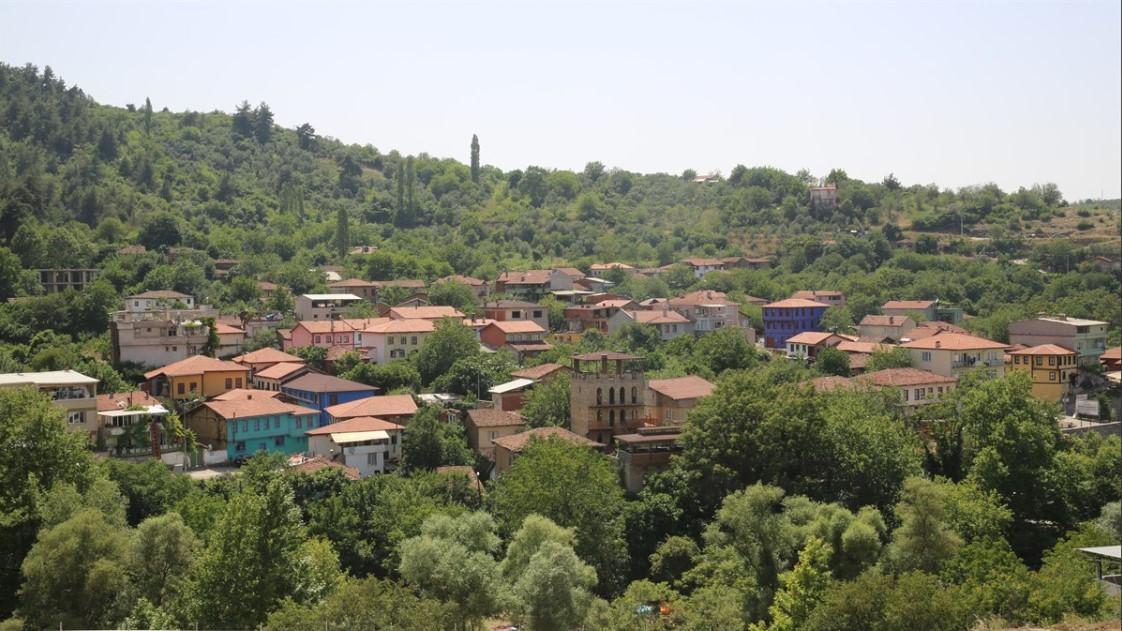
Misi Village (Nilüfer District Governorship, Republic of Türkiye)
Misi Village is situated 12 kilometers southwest of Bursa, along the Orhaneli road, within a forested gorge surrounded by four hills. The settlement lies in the valley formed by the Nilüfer Creek, which flows from south to north and makes a sharp bend as it passes through the gorge. Due to this geographical feature, the region has served as a transit point throughout history and lies along the route of the Silk Road.
According to Herodotus, the Mysians, one of six tribes that migrated from Thrace to Anatolia in 1816 BCE, established a community in this region as the Mysians. This tribe is described in historical sources as the first group to move from west to east. The Mysians founded three settlements in the area: Misipolis (modern-day Gümüştepe), Misapoli, and Eşkel.
In 183 CE, a monk named Alex, fleeing persecution of Christians in Western Rome, settled in Bursa along with a retinue of eighty-five followers, particularly in the villages of İnkaya and Misi. His followers spread across the foothills of Uludağ and carried out missionary activities. Misi became the center of these efforts due to its geographically concealable terrain. The Misipolis Monastery established in the region hosted gatherings known as “Consuls,” where discussions were held on the texts of the Gospels, which were written three times. According to legend, a copy of the Gospel is buried within this monastery. Excavations initiated in the region in 1953 were halted by treasure hunters, the monastery was looted, and no traces of it have survived to the present day.
In 1316, Orhan Gazi captured Misi due to its status as a Christian center and constructed fortresses in this strategically important area as well as in Kestel during his campaign to besiege Bursa. According to tradition, Misi served as a temporary capital for ten years during this period. However, after the conquest of Bursa in 1326, Misi lost its prominence and was relegated to secondary importance.
The economic life of Misi Village centers significantly on vine leaves, misket grapes, grape molasses, and especially wine production. Misi Wines are made exclusively from the aromatic misket grape unique to this region. Winemaking is a traditional form of production in the village. The grape molasses produced here is also valued for its health benefits. Until recently, silk worm breeding was one of the village’s main sources of income. This activity also influenced local architecture, leading to the construction of buildings with wide verandas.
Misi is notable for its residential buildings reflecting Ottoman civil architecture. In 1989, the village was declared an urban conservation area, and its structures were placed under protection with restoration efforts initiated. As part of these restoration projects, some buildings are intended to be converted into social facilities.
The village contains Kavacık Sultan Yatırı, an important pilgrimage site for the Muslim community. According to tradition, the tomb of Kavacık Sultan lies within a rock in the mountainous area of the village. It is believed that the water flowing from a nearby spring is composed of Kavacık Sultan’s tears, and visitors hold that their wishes made at this site are fulfilled.
Today, known as Gümüştepe Neighborhood within the Nilüfer district, Misi Village has largely preserved its natural environment and cultural heritage. It offers visitors a blend of historical and natural appeal through its green landscape, historical structures, fruit trees, poplars and plane trees, and the Nilüfer Creek that flows through it.
Ministry of Culture and Tourism. "Misi Köyü." *Culture Portal*. Accessed June 23, 2025. https://www.kulturportali.gov.tr/turkiye/bursa/gezilecekyer/misi-koyu
T.C.Nilüfer Kaymakamlığı Governorship. “Misi Köyü.” Nilüfer District Governorship Official Website. Accessed June 23, 2025. http://www.nilufer.gov.tr/misi-koyu

Location | Nilüfer Türkiye Bursa | ||||||||
|---|---|---|---|---|---|---|---|---|---|
Date(s) | 1816 BCE Mysians | ||||||||
Period(s) | Ottoman Roman Ancient | ||||||||
Significance | Biblical debates, monastery, castle | ||||||||
Economy | Muscat grape silk production wine | ||||||||
Architecture(s) | Ottoman houses protected area (1989) | ||||||||
Geographical Location and Physical Characteristics
Ancient Period and the Mysians
Christian Era and Missionary Activities
Ottoman Period and Fortress Structures
Economic Life and Traditional Production
Architectural Fabric and Conservation Status
Religious Structures and Pilgrimage Sites
Misi Today