


This article was automatically translated from the original Turkish version.
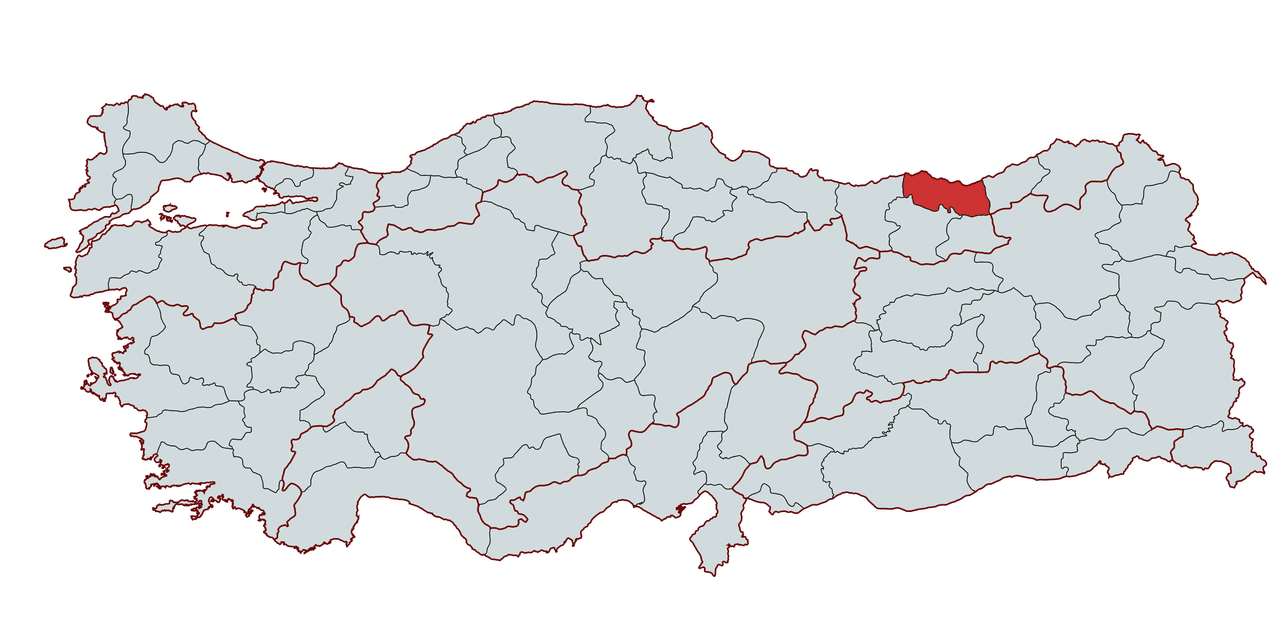
Trabzon
Country | Türkiye | ||||||||
|---|---|---|---|---|---|---|---|---|---|
Region | Black Sea Region | ||||||||
Population (Number) | 830,000 | ||||||||
Area | 4,678 km² | ||||||||
Climate | Black Sea Climate snowy winters rainy summers and cold temperate | ||||||||
Important Structure | Trabzonspor Museum Sümela Monastery Hagia Sophia Museum Kızlar Monastery (Panagia Keramesta) Atatürk Pavilion Trabzon Museum Kızlar (Panagia Theokephastros) Monastery Vezalon (Yahya) Monastery | ||||||||
Area Code | 462 | ||||||||
License Plate Code | 61 | ||||||||
Governor | Aziz Yıldırım | ||||||||
Metropolitan Municipality Mayor | Ahmet Metin GENÇ | ||||||||
Trabzon is a city located in the eastern part of the Black Sea Region, one of Türkiye’s important port cities. Trabzon stands out for both its geographical position and cultural heritage, having served as a home to numerous civilizations throughout history. The city is Türkiye’s 16th largest by population and had approximately 830,000 residents as of 2023. As a city of major importance for trade and tourism, Trabzon has become a significant destination for both domestic and international tourists.
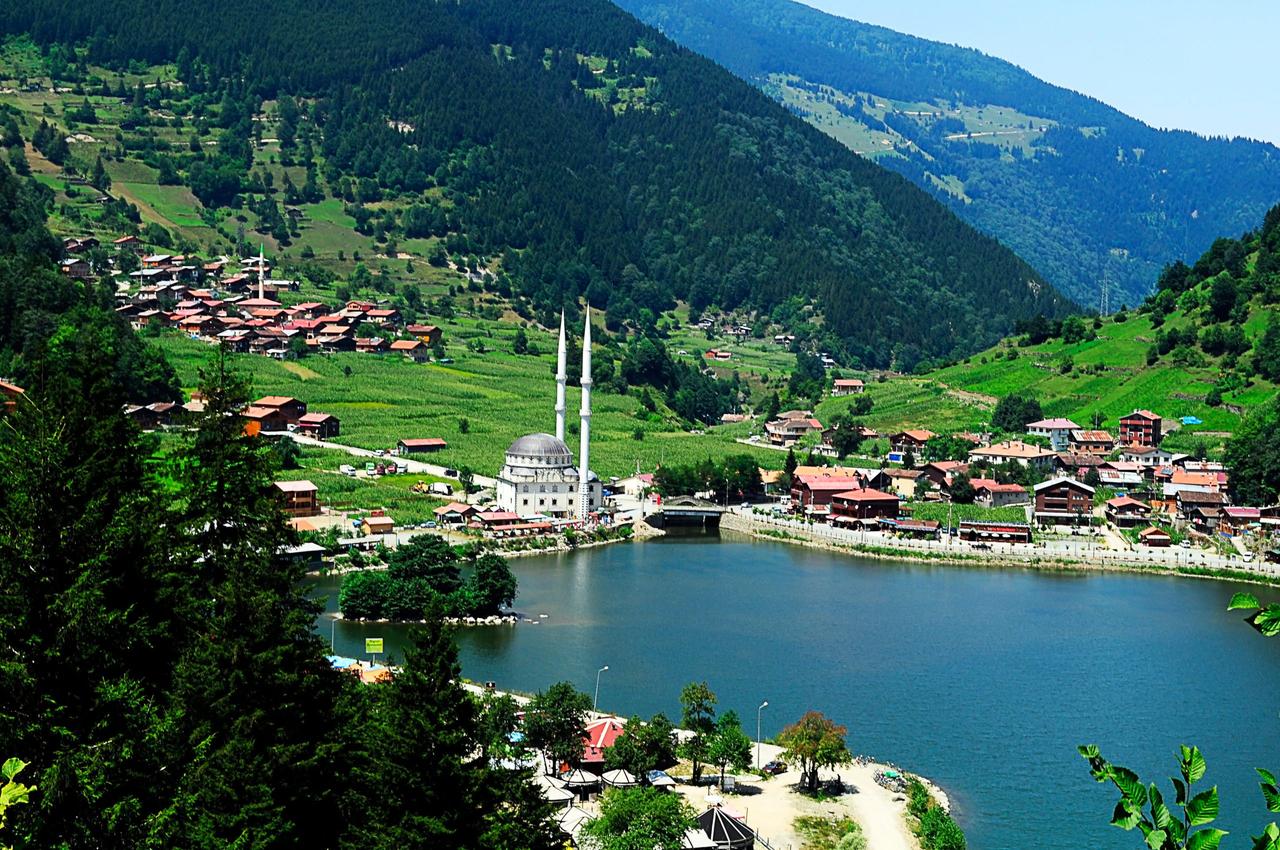
Uzungöl (Source: Tourist Journey)
Trabzon is a Turkish city situated on the eastern coast of the Black Sea, known since antiquity as an important settlement and trade center. The city has been influenced by various cultures throughout history and has hosted numerous civilizations.
Trabzon’s history extends back to around 2000 BCE. The region, where the earliest settlement traces have been found, was used by ancient Anatolian civilizations such as the Hittites and Phrygians. In the 8th century BCE, Greek colonists from antiquity founded Trabzon and established the Kingdom of Pontus. During this period, Trabzon became the capital of Pontus and emerged as a major cultural and commercial center. The influence of this civilization persisted for a long time on the region’s art, culture, and language.
Under the rule of the Roman Empire and later the Byzantine Empire, Trabzon functioned as a vital commercial and military base throughout the Byzantine period. Following the weakening of the Byzantine Empire after the Fourth Crusade in 1204, the Empire of Trebizond was established in Trabzon and maintained its independence until 1461. After the fall of the Empire of Trebizond, the Ottoman Empire conquered Trabzon and transformed it into one of the empire’s key ports.
During the Ottoman period, Trabzon developed as a major economic and cultural center. The city’s port became the hub of trade between the Black Sea and Central Asia. In the 19th century, significant demographic changes occurred in Trabzon, particularly under the influence of Russian and Armenian populations, enriching the city’s cultural diversity. Trabzon was occupied by Russian forces in 1916 and returned to Ottoman territory in 1918. However, after World War I, the Treaty of Lausanne confirmed Trabzon’s inclusion within the borders of the Republic of Türkiye.
After the proclamation of the Republic, Trabzon rapidly expanded as a city contributing to the economic and cultural development of modern Türkiye, gaining an important position in the industrial and agricultural sectors. Today, Trabzon plays a significant role not only as a regional center but also in tourism, agriculture, and trade.
Trabzon’s history holds great regional and national significance, and its historical structures—churches, mosques, and ruins—offer valuable insights into its past. This historical legacy presents Trabzon as a cultural and historical value both within Türkiye and globally.
Trabzon is a province on the eastern coast of the Black Sea, located between 40°60′ north latitude and 39°70′ east longitude. Trabzon lies 50 kilometers from the Black Sea and shares land borders with Georgia to the east, Giresun and Ordu to the west, and Gümüşhane and Bayburt to the south. This strategic location has made Trabzon an important transit point for both trade and military purposes.
Geographically, Trabzon is built on a mountainous terrain characterized by high mountains and deep valleys. The city is surrounded by the Torul and Zigana Mountains to the south. The Torul Mountains rise to nearly 3,000 meters, and the elevation gradient from the city center toward these mountains has significantly influenced land use and settlement patterns. These mountains also play a decisive role in shaping Trabzon’s climate.
Trabzon’s climate is typical of the Black Sea region, with mild conditions prevailing throughout the year. The city experiences high humidity, especially during the winter months, and is characterized by year-round rainfall. Along the coastal areas, summers are warm and humid, while winters remain mild. Inland areas exhibit a more severe, continental climate. This condition has been decisive in shaping agricultural practices and settlement structures. Trabzon’s terrain is particularly suitable for fruit cultivation, hazelnut farming, and tea production.
The city also possesses abundant water resources. The Yalnızçam Mountains to the east of Trabzon feed several rivers close to the city center. These rivers contribute to both agriculture and hydroelectric power generation. One of the largest rivers in the city, the Kelkit River, originates in the Torul Mountains and flows all the way to Trabzon.
Trabzon’s road network has developed in accordance with its geography. The coastal highway connects the city with other Black Sea provinces, while inland roads provide access to provinces such as Gümüşhane and Bayburt. These roads facilitate travel to the city center, although road construction in mountainous areas occasionally presents challenges.
With its geographical features, Trabzon occupies a strategic position at both local and regional levels and possesses significant potential in agriculture and tourism due to its natural wealth.
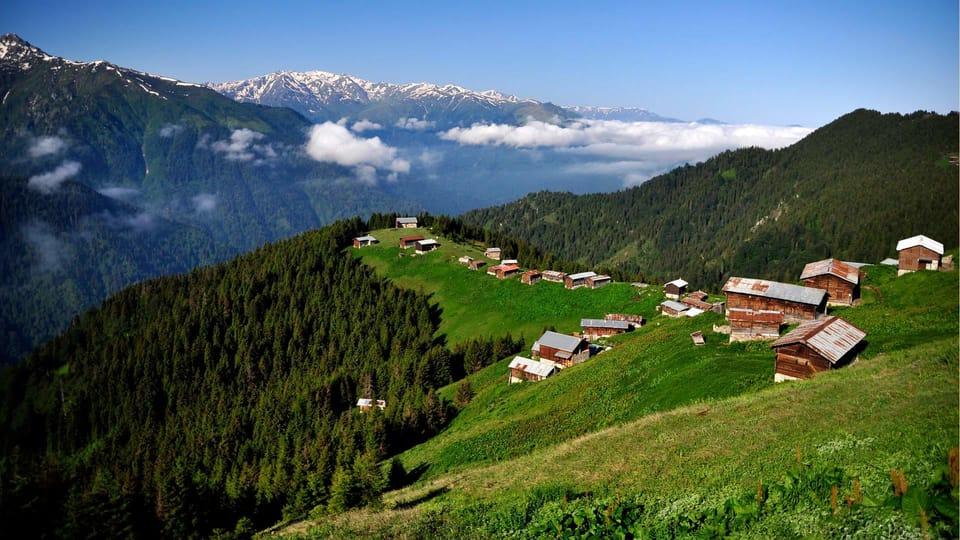
Visual representation of Trabzon’s climate.
Trabzon is one of the key provinces of the Black Sea Region, featuring a distinctive structure both geographically and demographically. With an area of 4,685 km², Trabzon had a population of 765,127 as of 2009. Of this population, 378,602 (49.43%) were male and 386,525 (50.57%) were female. More than half the population consists of women, reflecting a balanced gender distribution in Trabzon.
Trabzon’s population varies between the city center and rural areas. According to the 2009 Address-Based Population Census, the urban population was 408,103 (53.34%) and the rural population was 357,024 (46.66%). This indicates a significant portion of the population resides in rural areas compared to the city center. The population of the central district was recorded as 292,254.
Trabzon, the second most populous province in the Black Sea Region after Samsun, hosts 12.44% of the region’s 10 million population. This demographic structure highlights Trabzon’s strategic importance at both local and regional levels. Additionally, due to its location at the beginning of the transit route from the Caucasus and Iran, Trabzon has developed a deep-rooted history of interaction with diverse cultures.
Trabzon’s geography and climate have influenced the distribution of population density across regions. With its rugged terrain, Trabzon exhibits a dispersed settlement pattern, leading to settlements spread across mountainous areas. Trabzon consists of 17 districts, nine of which are arranged along a 114-kilometer coastline. These districts, from west to east, are Beşikdüzü, Vakfıkebir, Çarşıbaşı, Akçaabat, Yomra, Arsin, Araklı, Sürmene, and Of. The other districts—Tonya, Düzköy, Şalpazarı, Maçka, Köprübaşı, Dernekpazarı, Hayrat, and Çaykara—are located inland. This distribution shows higher population density along the coast compared to inland areas.
Trabzon’s district structure underwent significant transformation during the 1980s and 1990s. Beşikdüzü and Şalpazarı gained district status in 1988, while Çarşıbaşı, Düzköy, Köprübaşı, Dernekpazarı, and Hayrat became districts in the 1990s. These developments enabled more localized governance and strengthened the administrative structures of the districts.
In 2014, Trabzon attained metropolitan municipality status, adopting a broader administrative structure. Since then, the city’s planning and governance have followed a different model. Trabzon’s acquisition of metropolitan status represents a significant administrative change, considering its demographic diversity and size. Due to its dispersed settlement pattern, Trabzon requires distinct management strategies.
With its geographical richness and historical depth, Trabzon is a city that can be visited and explored throughout the four seasons and is also an important demographic attraction center for tourism. Both the city’s and its surrounding natural and cultural assets are among the factors shaping Trabzon’s demographic structure. These factors have established Trabzon as one of the leading cities of the Black Sea Region.
Thanks to its strategic location and natural wealth, Trabzon stands out as an economically diverse province within the Black Sea Region. Trabzon’s economy is largely driven by agriculture, trade, industry, and tourism.
Trabzon’s economy is heavily based on agriculture. Under the influence of the Black Sea climate, the region provides a favorable environment for cultivating products such as tea and hazelnuts. Trabzon holds a significant position in Turkey’s tea production and is among the leading provinces in hazelnut production nationwide. In addition, various fruits and vegetables are grown in the city and play an important role in the local market. Fishing and marine product production are also major economic activities along the coastal areas.
The industrial sector is also a vital component of Trabzon’s economy. Numerous enterprises operate in textiles, food processing, and automotive industries. Trabzon, benefiting from its port, is a major center for foreign trade, reinforcing its economic structure.
Trabzon is a city with four-season tourism potential due to its historical and natural attractions. Tourism activities in the city attract both domestic and international tourists. Trabzon significantly contributes to tourism through its historical structures, natural parks, mountaineering, and nature sports. One of the city’s most important tourist sites is the Sümela Monastery, located at an altitude of 386 meters. This monastery, with its rich historical and religious significance, is among the most visited places in Trabzon. Other important cultural landmarks include Atatürk’s Pavilion, Trabzon Castle, Ayasofya Mosque, and the Trabzon Museum.
Nature tourism also holds a prominent place in Trabzon’s tourism sector. Natural attractions such as Lake Limni, Uzungöl, Zigana Mountains, and Tomara Waterfall serve as centers for trekking, camping, and caravan tourism. Trabzon is also a suitable destination for winter sports, with the Zigana Ski Center being a key facility in this regard.
Traditional cuisine is another major tourist attraction in Trabzon. Local dishes such as Trabzon pide, su böreği, and karalahana soup are among the special culinary experiences offered to visitors. In addition, handicrafts and regional jewelry are sold as souvenirs, establishing a cultural bond with visitors.
In conclusion, Trabzon is not only an economically strong city through agriculture, industry, cultural heritage, and natural wealth but also a major center for tourism. While its economic diversity supports regional development, the tourism sector ensures the city’s global recognition.
Trabzon, with its historical and cultural richness, is one of the key cities of the Black Sea Region and embodies the essence of Turkish culture and art. Trabzon’s cultural structure has been shaped by Ottoman and Byzantine influences as well as the region’s natural wealth and the daily life of its people. Throughout history, the city has carried the traces of many cultures and civilizations, enriching its cultural heritage through traditional handicrafts and local cuisine.
Trabzon has been an important center of trade and culture throughout history. Among its most well-known structures are the Sümela Monastery, Trabzon Castle, Ayasofya Mosque, and Atatürk’s Pavilion. The Sümela Monastery, one of Trabzon’s symbols, attracts both domestic and international tourists due to its rich historical past and unique location. The monastery, dating back to the Byzantine period, exemplifies the religious and artistic structures of that era. Trabzon Castle, serving as a strategic point for the city’s defense, holds great historical and architectural significance.
Ayasofya Mosque is another significant structure from the Byzantine period, reflecting Trabzon’s cultural richness both religiously and artistically. The mosque is renowned for its mosaics bearing traces of Byzantine art and was converted into a mosque after the Ottoman period. This mosque symbolizes Trabzon’s tolerance, where different cultures and beliefs coexisted.
Trabzon is known for its traditional Turkish handicrafts, particularly carpet weaving. Trabzon carpets are among the rare examples of handcraft that reflect the region’s cultural richness. The carpet-weaving tradition in Trabzon holds an important place in Turkish cultural heritage through works combining aesthetic and functional value. Other traditional handicrafts in the region include stone carving, coppersmithing, and silver craftsmanship.
Another area where art and culture are widespread in Trabzon is music and folk dances. The music unique to the Black Sea region is performed using instruments such as the tulum and kemençe. Trabzon’s folk dances reflect both the lifestyle of the local population and its historical past. These dances are frequently performed during festivals and weddings.
In addition to its traditional culture, Trabzon also embraces modern art. Cultural events in the city include exhibitions, concerts, theater performances, and film festivals. The Trabzon Culture and Art Center has become the focal point of cultural activities in the city, providing spaces for artists to exhibit their works. Additionally, folk concerts and festivals held in various venues across the city contribute significantly to Trabzon’s cultural life.
Structures such as the Ayasofya Museum and Atatürk’s Pavilion showcase the city’s historical heritage.
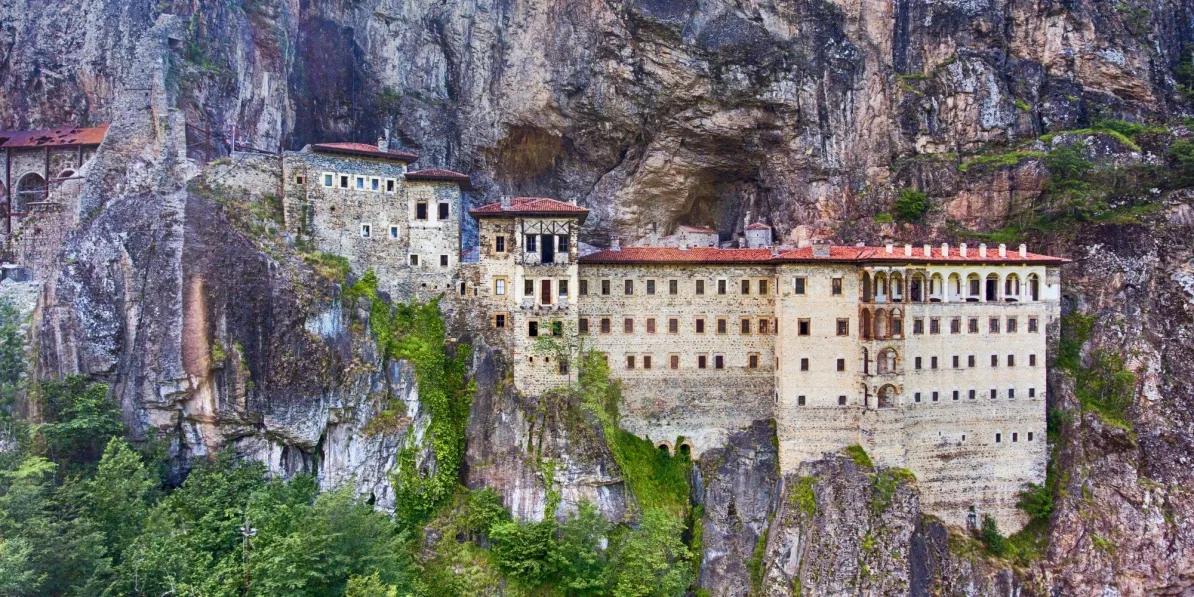
Visual of Sümela Monastery, one of Trabzon’s tourist attractions.
Trabzon, due to its geographical location, historical richness, and dynamic structure, is one of the key cities of the Black Sea Region. The city has important connections at both regional and national levels in terms of transportation infrastructure, which supports its economic and social development. Trabzon’s transportation network offers strong links in road, sea, and air transport.
Road Transportation
Trabzon is one of Turkey’s most important cities in terms of road transportation. The Black Sea Coastal Highway is one of the main transport arteries connecting Trabzon to the east and west. This highway links Trabzon with other Black Sea provinces such as Samsun, Giresun, and Ordu, and provides access to provinces such as Gümüşhane, Bayburt, and Erzurum to the south. The city’s road network is equipped with modern roads and bridges that facilitate both intra-city and inter-city travel. Trabzon’s internal roads play a major role in connecting the city center to districts and villages. Traffic congestion, due to the rugged terrain, occasionally creates challenges, prompting continuous improvements to the road infrastructure.
Rail Transportation
Trabzon previously had a railway connection, but currently there is no active rail transport. However, road connections with other major cities in the region partially compensate for this absence. After the removal of railway lines, rail transport in Trabzon has significantly declined, although future projects are planned to improve this sector.
Sea Transportation
Trabzon’s location on the Black Sea has made it an important center for maritime transport. Trabzon Port plays a major role in the city’s foreign trade. The port primarily facilitates maritime transport to other Black Sea countries, especially Russia and Georgia. Ferry services from Trabzon Port provide significant convenience for both passenger and cargo transport. Additionally, Trabzon’s maritime connections to foreign countries are of great importance for tourism.
Air Transportation
Trabzon is also an important center for air transportation. Trabzon Airport is one of the busiest airports in the Black Sea Region, serving both domestic and international flights. Trabzon Airport holds great importance for both tourism and commercial travel. With increasing annual flight numbers, various innovations have been implemented and new terminal buildings constructed to increase passenger capacity. These developments have established Trabzon as a key transportation hub at both regional and national levels.
Intra-City Transportation
Intra-city transportation in Trabzon is provided by various public transport vehicles such as dolmuşes, buses, and taxis. The city’s public transport network facilitates easy access to different districts. Since achieving metropolitan status, investments in transportation infrastructure have increased, with new bus routes and corridors added. Although traffic congestion and road maintenance work sometimes affect the efficiency of urban transport, various projects are being implemented to strengthen the intra-city transportation network.
Trabzon has made significant progress in both health and education, becoming a regional center through the services it provides. The city has strengthened its health services through projects and investments aimed at improving public health, and offers a high-quality educational infrastructure through universities, schools, and educational institutions.
Trabzon has developed in terms of healthcare infrastructure through significant investments from both public and private sectors. Health services in the city provide important care not only for the local population but also for patients from surrounding provinces. Public hospitals and private healthcare institutions in Trabzon are equipped with modern medical equipment and possess substantial expertise across specialized fields. Trabzon University Faculty of Medicine Hospital is one of the most important healthcare institutions in the region, combining academic and clinical activities. In addition, hospitals in Trabzon offer high-quality healthcare services through specialist doctors in fields such as cardiology, orthopedics, and internal medicine.
Trabzon is also growing as a medical tourism center, with domestic and international tourists utilizing its health services. Private clinics in the city offer health tourism services such as aesthetic surgery, dental treatments, and spa centers, which are important factors supporting Trabzon’s economy. Additionally, various health projects and campaigns in Trabzon raise public awareness on health issues.
Trabzon has made significant progress in education. The city’s educational infrastructure spans from primary school to university level. Trabzon’s education system aims to provide quality educational opportunities for individuals of all ages. Schools in Trabzon are divided into public and private institutions, both of which deliver education using modern teaching methods. High schools in the city offer a strong academic foundation and also provide programs oriented toward various professional fields.
One of the most important institutions in Trabzon’s education system is Trabzon University. Established in 2006, this university is a major actor in higher education in the city. Trabzon University, with faculties offering education in medicine, engineering, business, and social sciences, makes a significant contribution to the education of young people in the region. Moreover, the university aims to establish Trabzon as a scientifically recognized city through various research projects and academic work.
One of the most important steps in strengthening Trabzon’s education system was the granting of metropolitan status in 2014. With this status, increased investments were made in educational infrastructure, resulting in the construction of new schools and educational buildings. Furthermore, collaborations between universities and schools in the city provide students with both theoretical and practical educational opportunities.
Trabzon continuously signs innovative projects aimed at enhancing the quality of education. Additionally, joint initiatives among educational institutions in the city organize various seminars, conferences, and educational programs. These programs assist students in personal and professional development, thereby elevating the quality of education in Trabzon.
As a culturally and economically significant city in the Black Sea Region, Trabzon offers diverse accommodation and social life opportunities for both its local population and visitors. The city’s accommodation infrastructure has developed to meet the needs of tourists as well as long-term residents. Similarly, social life has been shaped by Trabzon’s rich cultural heritage and historical fabric, offering abundant opportunities for social interaction and community engagement.
Given its importance in tourism, Trabzon offers a wide variety of accommodation options. In the city center and surrounding districts, there are numerous choices such as hotels, boutique hotels, apartment hotels, guesthouses, and mountain houses. Trabzon provides accommodation options for every budget, and these options have diversified as interest in the city among tourists has grown. In areas with natural attractions such as Sümela Monastery and Uzungöl, facilities offering immersive nature-based accommodation are available.
The hotel industry in Trabzon continuously evolves to meet the accommodation needs of domestic and international tourists. Moreover, the modernization of Trabzon’s hotel infrastructure enhances the city’s competitiveness in the international tourism market. Accommodation services in the city are enriched by hospitality, high-quality service standards, and experiences centered around regional cuisine.
Trabzon’s social life has been shaped by its rich cultural heritage and traditions. Daily life in the city blends both traditional local customs and modern lifestyles. Trabzon is known for the warm and hospitable nature of its people, and its social spaces cater to the needs of both residents and visitors with a wide range of offerings.
Trabzon is also rich in social activities. Festivals, concerts, cultural events, and exhibitions held in the city attract both domestic and international tourists. Trabzon’s traditional music, especially folk music performed with instruments such as the kemençe and tulum, holds an important place in social life. Additionally, folkloric events held in Trabzon are key elements that bring the city’s social life to life. Trabzon Horonu, one of the city’s important folk dances, is frequently performed at local festivals.
Cuisine also plays a major role in Trabzon’s social life. Trabzon’s cuisine, with its rich and varied dishes, supports social interaction. Traditional dishes such as Trabzon pide, kuymak, and cabbage rolls are indispensable elements of the city’s social life. In addition, the city’s café culture serves as an important social space where young people and tourists gather and interact.
Trabzon, located in Türkiye’s Black Sea Region and distinguished by its historical and cultural heritage, possesses a strong governance structure at both central and local levels. Since 2014, Trabzon has attained metropolitan municipality status, leading to significant changes and developments in its local governance system.
Trabzon’s local governance structure follows a model common to other metropolitan municipalities in Türkiye, where central administration and local governance both play vital roles. The Trabzon Metropolitan Municipality serves as the highest administrative body responsible for managing local governance and public services in the city. Since attaining metropolitan status in 2014, the municipality’s service area has expanded significantly. The Metropolitan Municipality is responsible for organizing infrastructure services in the city center and districts, organizing social and cultural activities, and implementing local governance policies in education and health.
Although Trabzon’s local governance system operates in accordance with general rules and laws set by the central government, local applications and decisions hold great importance. The Mayor of Trabzon Metropolitan Municipality, elected by the public, is the head of local governance and oversees planning, service delivery, and other administrative duties. The Municipal Council also plays a crucial role in decision-making processes.
Trabzon’s local governance takes into account demands from its districts and develops projects to meet the specific needs of each district. Trabzon has 17 districts, each managing its own administrative processes independently while still operating under the general strategies of the metropolitan municipality. Each district has its own mayor and council, but these municipalities deliver services in alignment with the metropolitan municipality’s overall policies.
The Metropolitan Municipality organizes numerous services beyond infrastructure projects, including intra-city transportation, sanitation, parks, and garden planning. The municipality also organizes social responsibility projects and cultural activities to improve the quality of life for residents. Trabzon’s local governance actively works to solve various city issues by maintaining frequent communication with the public.
The Metropolitan Municipality signs various projects in tourism, health, education, sports, and environmental sectors, aiming to make the city more livable for both residents and tourists. Among the municipality’s initiatives are efforts to preserve Trabzon’s historical heritage while balancing modernization processes.
"Address-Based Population Registration System Results, 2024." Türkiye İstatistik Kurumu (TÜİK), 2024.https://data.tuik.gov.tr/Bulten/Index?p=Adrese-Dayali-Nufus-Kayit-Sistemi-Sonuclari-2024-53783.
"Geographical Statistics Portal." Türkiye İstatistik Kurumu (TÜİK).https://cip.tuik.gov.tr.
"TDV İslâm Ansiklopedisi." *İslâm Ansiklopedisi*,https://islamansiklopedisi.org.tr.
"Trabzon." Kültür Portalı, 2025.https://www.kulturportali.gov.tr/arama/Trabzon.
Arı, Osman. Karadeniz Bölgesi Coğrafyası. Karadeniz Üniversitesi Yayınları, 2010.
Atalay, İsmail. Trabzon Tarihi ve Kültürü. Trabzon Üniversitesi Yayınları, 2005.
Göksu, Yılmaz. "Trabzon'un Fiziki Coğrafyası ve İklim Özellikleri." Coğrafya Araştırmaları Dergisi, vol. 22, no. 1, 2014, pp. 45-58.
Kafesoğlu, İbrahim. Türk Kültür Tarihi. Boğaziçi Yayınları, 2003.
Kaya, Hasan. Türkiye'nin Coğrafi Bölgeleri ve İklimi. İstanbul Üniversitesi Yayınları, 2005.
Peker, Gökhan. "Osmanlı'dan Cumhuriyet'e Trabzon'un Sosyo-Ekonomik Yapısı." Anadolu Araştırmaları Dergisi, vol. 19, no. 4, 2015, pp. 75-94.
Yıldırım, Selim. Karadeniz'in Coğrafyası: İklim, Topoğrafya ve Ekonomi. Karadeniz Araştırmaları Enstitüsü, 2016.
Çakır, Nihat. "Trabzon İmparatorluğu ve Pontus Krallığı." Türk Tarih Dergisi, vol. 34, no. 2, 2007, pp. 112-129.
Özdemir, Nur. "Trabzon İli'nin Su Kaynakları ve Tarım Üzerindeki Etkileri." Türk Coğrafya Dergisi, vol. 36, no. 2, 2012, pp. 102-118.
Öztürk, Ali. "Trabzon ve Trabzon İmparatorluğu'nun Son Yüzyılı." Osmanlı İmparatorluğu'nda Bölgesel Yönetimler, İsmail Yılmaz (ed.), İstanbul Üniversitesi Yayınları, 2012, pp. 201-225.

Trabzon
Country | Türkiye | ||||||||
|---|---|---|---|---|---|---|---|---|---|
Region | Black Sea Region | ||||||||
Population (Number) | 830,000 | ||||||||
Area | 4,678 km² | ||||||||
Climate | Black Sea Climate snowy winters rainy summers and cold temperate | ||||||||
Important Structure | Trabzonspor Museum Sümela Monastery Hagia Sophia Museum Kızlar Monastery (Panagia Keramesta) Atatürk Pavilion Trabzon Museum Kızlar (Panagia Theokephastros) Monastery Vezalon (Yahya) Monastery | ||||||||
Area Code | 462 | ||||||||
License Plate Code | 61 | ||||||||
Governor | Aziz Yıldırım | ||||||||
Metropolitan Municipality Mayor | Ahmet Metin GENÇ | ||||||||
History
Geography
Demographics
Economy
Tourism
Culture and Art
Cultural Heritage and Structures
Art and Handicrafts
Modern Art and Cultural Events
Infrastructure and Transportation
Health and Education
Accommodation and Social Life
Governance
Local Governance Structure
Metropolitan Municipality and Administrative Services