

 Recently Added:
This article was automatically translated from the original Turkish version.
The Trump administration introduced a number of new customs duties on 31 July 2025 through Presidential Proclamation titled “Further Modifying the Reciprocal Tariff Rates”. These measures constitute a continuation of the “Liberation Day” tariffs announced on 2 April 2025 and comprehensively redefine differentiated tariff rates applied against countries with trade deficits.
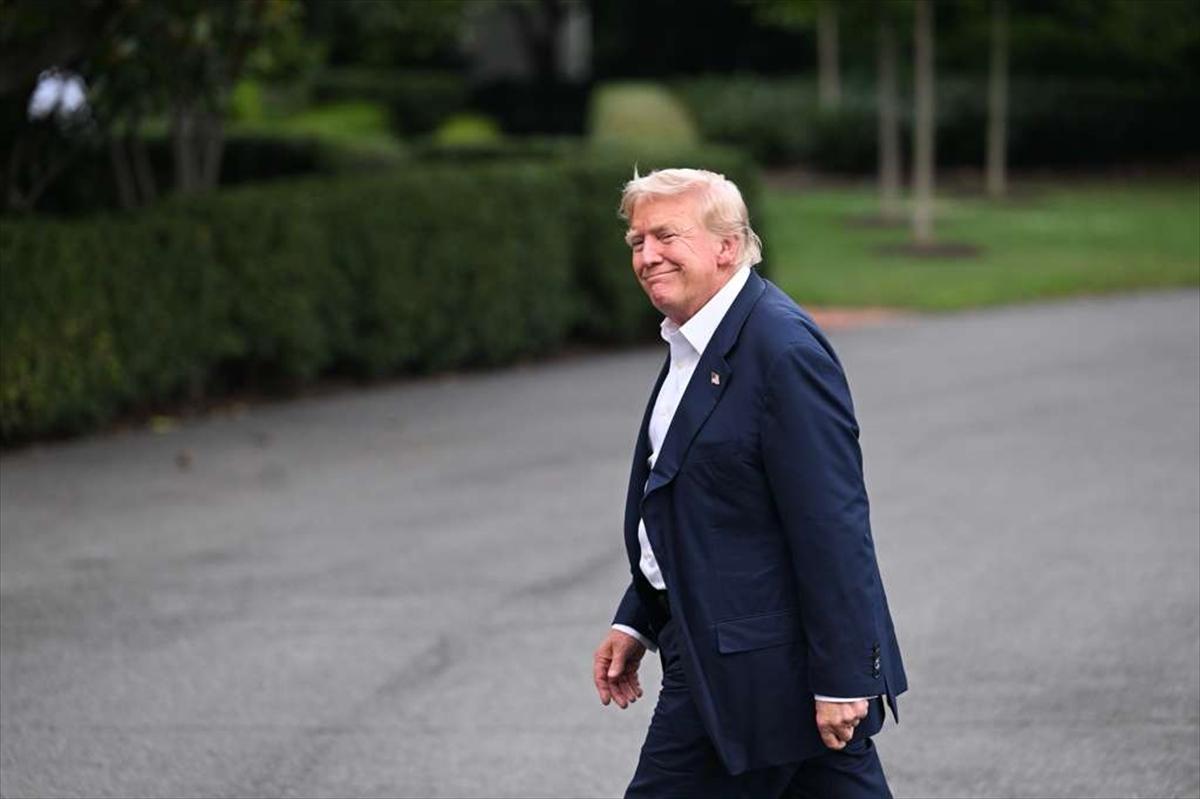
ABD Başkanı Donald Trump, 30 Temmuz 2025 - (Anadolu Ajansı)
Under the new tariff regime, special tariff rates have been set for 69 countries ranging from 10% to 41%. A universal tariff rate of 10% has been established for countries with a trade surplus with the United States while a minimum base rate of 15% has been announced for countries with trade deficits. The highest rate of 41% has been applied to Syria followed by 40% for Myanmar and Laos. New tariff rates of 39% have been imposed on Switzerland 35% on Canada and Serbia.
The majority of the new tariff rates are scheduled to take effect on 7 August 2025 but the special 35% tariff on Canada was implemented on 1 August 2025. A seven-day transition period has been granted to the Customs and Border Protection Agency (CBP) to complete necessary technical adjustments. Additionally it has been announced that previous tariff rates will continue to apply to transit goods shipped to the United States until 5 October 2025.
These tariffs are not limited to country-specific rates. Simultaneously sector-specific tariffs have been imposed on strategic sectors such as steel aluminum automotive parts copper pharmaceuticals and semiconductors. A 40% additional penalty tariff has been announced for imports conducted through transshipment methods.
In addition to country-specific tariff rates the Trump administration has implemented high-rate tariffs targeting specific sectors. These measures are designed to reduce dependence on foreign imports and promote domestic production particularly in strategically important industries. Sectoral tariffs are applied based on product categories regardless of the country of origin.
The Trump administration’s 2025 global tariff measures were initiated by Presidential Proclamation No. 14257 dated 2 April 2025. This proclamation declared a “trade-based national emergency” citing that large and persistent trade imbalances in U.S. merchandise trade constitute an extraordinary and exceptional threat to national security and the economy.
The second proclamation signed on 31 July 2025 “Further Modifying the Reciprocal Tariff Rates” amended and expanded the previous measures. This new executive order is grounded in the President’s constitutional authority as well as the following federal statutes:
This legal foundation grants the President authority to implement extraordinary measures in international trade relations. Pursuant to this authority the Harmonized Tariff Schedule of the United States (HTSUS) has been revised to restructure both country-specific tariffs and sector-based duty lines.
Technical provisions for implementing the proclamation are as follows:
Special punitive provisions have been introduced for transshipment practices. When CBP identifies products routed through intermediary ports to circumvent tariffs these goods will be subject to an additional 40% ad valorem tariff and may also face financial penalties under 19 U.S.C. 1592. This measure aims to prevent non-U.S. origin goods from being re-labeled as originating from low-tariff countries to gain preferential access to the U.S. market.
Section 5 of the proclamation assigns the Department of Commerce and the U.S. Trade Representative the responsibility to monitor the impact of the tariffs and submit additional recommendations as necessary. These agencies will advise the President based on the likelihood of reciprocal responses from foreign countries compliance with the principle of reciprocity and national security concerns.
The United States’ 2025 global tariff regime has elicited varied responses from the international community and directly affected countries.
The 35% tariff on Canada implemented by the Trump administration on 1 August 2025 has been characterized by Ottawa as “contrary to alliance principles and an economic sanction”. Prime Minister Mark Carney stated that the decision undermines not only trade but also security cooperation between the two nations. Canada proposed a bilateral consultation schedule on 5 August but Washington has not yet responded positively to this request.
The South African government protested the 30% tariff imposed on 31 July 2025 and requested a temporary exemption particularly for the pharmaceutical sector. Similarly Switzerland objected to the general 39% tariff and requested exceptions for biotechnological pharmaceuticals and medical devices. The U.S. administration has indicated that these requests are under review.
The Bank of Japan in its quarterly report published on 28 July 2025 assessed the impact of the new tariff regime on the national economy despite existing agreements with the United States. The report noted a 6% decline in profitability in the automotive sector and a 12% contraction in export volumes. The Japanese government has announced domestic incentive packages and declared plans for separate negotiations with the United States on additional sectors particularly electronic components and agriculture.
China which has been maintained in a temporary accommodation status until 12 August 2025 has voiced objections through multiple channels to the Trump administration’s 30% tariff threat. The Chinese Ministry of Commerce has asserted that the tariffs violate World Trade Organization rules and argued that the United States’ unilateral economic policies are disrupting global supply chains. China continues to maintain import quotas on U.S. agricultural products and has not yet proposed structural reforms in negotiations.
The European Commission announced on 27 July 2025 the establishment of a “Joint Trade Impact Assessment Mechanism” to monitor the sectoral and product-specific effects of the tariffs following the framework agreement signed on that date. Similarly the United Kingdom announced after signing its June 2025 agreement that a joint committee meeting twice annually will review tariff applications in the automotive and energy sectors.
Countries such as Vietnam and Indonesia are attempting to develop a unified regional stance in response to the 40% additional punitive tariffs imposed due to transshipment practices. ASEAN (Association of Southeast Asian Nations) has proposed a plan for new framework agreement negotiations with the United States by the end of 2025. Thailand and Cambodia despite the existing 19% tariffs have submitted requests for exemptions in certain sectors including textiles and electronics.
Al Jazeera. "Trump Sets New Tariffs on Dozens of Countries’ Exports." Al Jazeera, August 1, 2025. Accessed August 1, 2025.https://www.aljazeera.com/news/2025/8/1/trump-sets-new-tariffs-on-dozens-of-countries-exports
Al Jazeera. "Who’s Included in Trump’s Latest Round of Adjusted Tariffs?" Al Jazeera, August 1, 2025. Accessed August 1, 2025.https://www.aljazeera.com/news/2025/8/1/whos-included-in-trumps-latest-round-of-adjusted-tariffs
BBC News. “Trump Tariffs: Full Impact and Reactions Worldwide.” BBC News, August 1, 2025. Accessed August 1, 2025.https://www.bbc.com/news/articles/cn93e12rypgo
CNBC. "Trump’s Tariffs Rekindle Global Trade Tensions." CNBC, August 1, 2025. Accessed August 1, 2025.https://www.cnbc.com/2025/08/01/trumps-tariffs-rekindle-global-trade-tensions.html
CNN. “Trade Deadline and Tariff Announcements: Live Updates.” CNN, August 1, 2025. Accessed August 1, 2025.https://edition.cnn.com/business/live-news/trade-deadline-tariffs-trump-deals
The Guardian. “Full List: Tariffs by Country and Rate under Donald Trump’s Executive Order.” The Guardian, August 1, 2025. Accessed August 1, 2025.https://www.theguardian.com/us-news/2025/aug/01/full-list-tariffs-country-rate-donald-trump-executive-order
The White House. "Fact Sheet: President Donald J. Trump Further Modifies the Reciprocal Tariff Rates." The White House, July 2025. Accessed August 1, 2025.https://www.whitehouse.gov/fact-sheets/2025/07/fact-sheet-president-donald-j-trump-further-modifies-the-reciprocal-tariff-rates/
The Donald Trump administration introduced new customs duties targeting numerous countries through a presidential proclamation titled “Further Modifying the Reciprocal Tariff Rates,” which was signed on July 31, 2025. These new regulations are a continuation of the “Liberation Day” tariffs announced on April 2, 2025, and have comprehensively redefined the differentiated tax rates applied to countries with which the U.S. has a trade deficit.
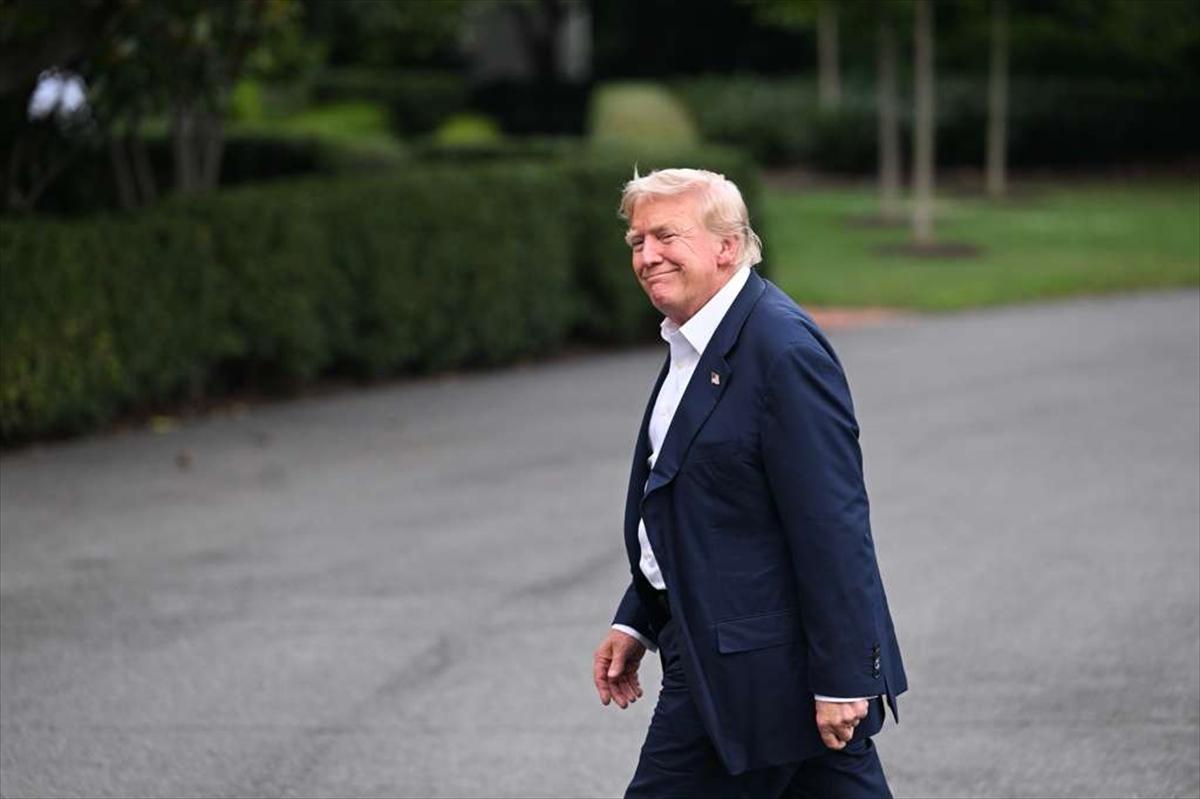
US President Donald Trump, July 30, 2025 - (Anadolu Agency)
Under the new tariff regime, special tax rates have been set for 69 countries, with these rates ranging from 10% to 41%. A universal 10% tariff has been established for countries with which the U.S. has a trade surplus, while a minimum base rate of 15% will be applied to countries with a trade deficit. The highest rate, 41%, has been set for Syria, followed by Myanmar and Laos at 40%. New tariffs of 39% have been imposed on Switzerland, and 35% on Canada and Serbia.
The majority of the new tariff rates are scheduled to take effect as of August 7, 2025. However, the special 35% tariff on Canada was implemented earlier, on August 1, 2025. A seven-day transition period has been granted to Customs and Border Protection (CBP) to complete the necessary technical adjustments. Furthermore, it has been announced that the previous rates will apply to goods in transit to the U.S. until October 5, 2025.
These tariffs are not limited to country-based rates. Sector-specific tariffs for strategic industries such as steel, aluminum, automotive parts, copper, pharmaceuticals, and semiconductors have also been simultaneously put into effect. An additional penalty tax of 40% will be applied to imports made through transshipment methods.
In addition to country-specific tariff rates, the Trump administration has also implemented high-rate tariffs targeting specific sectors. These regulations are designed to reduce foreign dependency and encourage domestic production, particularly in strategically important sectors. Sectoral tariffs are applied based on product category, independent of the country of origin.
The Donald Trump administration's 2025 global tariff policies were first initiated by Presidential Proclamation 14257, dated April 2, 2025. This proclamation declared a "trade-related national emergency," citing that large and persistent deficits in U.S. merchandise trade pose an unusual and extraordinary threat to national security and the economy.
The second proclamation, "Further Modifying the Reciprocal Tariff Rates," signed on July 31, 2025, amended and expanded the previous regulations. This new executive order is based on the powers granted to the President by the U.S. Constitution, in addition to the following federal laws:
This legal framework authorizes the President to implement extraordinary regulations in international trade relations. Accordingly, changes were made to the Harmonized Tariff Schedule of the United States (HTSUS), and both country-based tariffs and sector-based tax lines were restructured.
The technical regulations for implementing the proclamation are as follows:
Additionally, special punitive provisions have been introduced for transshipment practices. If the CBP detects products indirectly brought into the U.S. via intermediate ports, those goods will be subject to a 40% additional ad valorem tariff, and financial sanctions may also be applied under 19 U.S.C. 1592. This measure aims to prevent non-U.S. origin goods from being relabeled and entering the U.S. through low-tariff countries.
Section 5 of the proclamation tasks the Department of Commerce and the USTR with monitoring the effects of the tariffs and, if necessary, making additional recommendations. These agencies will report new policy proposals to the President, taking into account the possibility of retaliation from foreign countries, compliance with the principle of reciprocity, and national security concerns.
The U.S. global tariff regime of 2025 has led to various reactions from the international community and directly affected countries.
Canada has described the 35% tariff implemented by the Trump administration on August 1, 2025, as "contrary to our alliance and a form of economic sanctions." In a statement, Prime Minister Mark Carney said this decision would harm not only trade but also the security cooperation between the two countries. On August 5, Canada proposed a schedule for bilateral talks with the U.S., but Washington has not yet responded positively.
The South African government has opposed the 30% tariff that took effect on July 31, 2025, and requested a temporary exemption, at least for the pharmaceutical sector. Similarly, Switzerland has objected to the 39% general tariff, asking for exceptions for its biotech drugs and medical devices. The U.S. administration has stated that these requests are under review.
In a quarterly report published on July 28, 2025, the Bank of Japan (BOJ) assessed the impact of the new tariff regime on the country's economy, despite an existing agreement with the U.S. The report stated that profitability in the automotive sector had fallen by 6% and export volume had decreased by 12%. The Japanese government has announced stimulus packages for the domestic market and plans separate talks with the U.S. for additional sectors (especially electronic components and agriculture).
China, which remains in a state of temporary truce until August 12, 2025, has objected through various channels to the Trump administration's threat of a 30% tariff. The Chinese Ministry of Commerce stated that the tariffs violate World Trade Organization (WTO) rules and argued that the U.S.'s unilateral economic policies are "disrupting global supply chains." China continues to maintain import quotas on U.S. agricultural products and has not yet made any proposals for structural reforms during negotiations.
The EU Commission announced the creation of a "Joint Trade Impact Assessment Mechanism" to monitor the sectoral and product-based effects of the tariffs following a framework agreement signed on July 27, 2025. Likewise, the United Kingdom announced that a joint committee, set to convene twice a year after a June 2025 agreement, will review tariff applications for the automotive and energy sectors.
Countries like Vietnam and Indonesia are attempting to form a united front in regional forums against the 40% additional punitive tariffs they face due to transshipment practices. ASEAN (Association of Southeast Asian Nations) has presented a plan to hold a new framework agreement negotiation with the U.S. by the end of 2025. Thailand and Cambodia, despite facing tariffs of 19%, have also submitted requests for exemptions in certain sectors (textiles, electronics).
Al Jazeera. “Trump Sets New Tariffs on Dozens of Countries’ Exports.” Al Jazeera, 1 Ağustos 2025. Accessed August 1, 2025. https://www.aljazeera.com/news/2025/8/1/trump-sets-new-tariffs-on-dozens-of-countries-exports
Al Jazeera. “Who’s Included in Trump’s Latest Round of Adjusted Tariffs?” Al Jazeera, 1 Ağustos 2025. Accessed August 1, 2025. https://www.aljazeera.com/news/2025/8/1/whos-included-in-trumps-latest-round-of-adjusted-tariffs
BBC News. “Trump Tariffs: Full Impact and Reactions Worldwide.” BBC News, 1 Ağustos 2025. Accessed August 1, 2025.https://www.bbc.com/news/articles/cn93e12rypgo
CNBC. “Trump’s Tariffs Rekindle Global Trade Tensions.” CNBC, 1 Ağustos 2025. Accessed August 1, 2025. https://www.cnbc.com/2025/08/01/trumps-tariffs-rekindle-global-trade-tensions.html
CNN. “Trade Deadline and Tariff Announcements: Live Updates.” CNN, 1 Ağustos 2025. Accessed August 1, 2025. https://edition.cnn.com/business/live-news/trade-deadline-tariffs-trump-deals
The Guardian. “Full List: Tariffs by Country and Rate under Donald Trump’s Executive Order.” The Guardian, 1 Ağustos 2025. Accessed August 1, 2025.https://www.theguardian.com/us-news/2025/aug/01/full-list-tariffs-country-rate-donald-trump-executive-order
The White House. “Fact Sheet: President Donald J. Trump Further Modifies the Reciprocal Tariff Rates.” The White House, Temmuz 2025. Accessed August 1, 2025. https://www.whitehouse.gov/fact-sheets/2025/07/fact-sheet-president-donald-j-trump-further-modifies-the-reciprocal-tariff-rates/
U.S. Trade Representative spokesperson Jamieson Greer announced on 3 August 2025 that the United States’ current global tariff rates have been “finalized” and no new changes are planned in the short term.
Greer reviewed the latest status of tariffs on Canada, Brazil and China, confirming that tariffs of 35 percent on goods imported from Canada, 50 percent on goods from Brazil and 54 percent on goods from China remain in effect. These rates were set under the Trump administration’s stated objective of “reducing the trade deficit”.
Greer stated that technical negotiations with China are ongoing but that disagreements persist on specific issues regarding the review of tariff rates. He also noted that no reduction in tariffs on Chinese goods is expected in the short term.
The U.S. Trade Representative announced that it will regularly assess the global market impact of the current tariff rates and that country-specific adjustments will be made based on economic data.
Following the U.S. announcement of a 50 percent customs duty on imports from Brazil, protests were held in Brazil’s major cities between 3 and 5 August 2025. Demonstrations in Rio de Janeiro, São Paulo, Brasília and Porto Alegre were attended by labor unions, farmers’ associations and industry representatives.
Protesters carried banners accusing the United States of launching an “economic attack” against Brazil’s economy and harming the interests of the Brazilian people. During the demonstrations, it was emphasized that the United States’ tariff policies would directly impact Brazil’s export revenues and cause severe losses in the agriculture and livestock sectors.
Brazilian President Luiz Inácio Lula da Silva, in a statement on 4 August 2025, said the U.S. tariff decision amounted to “direct interference in Brazil’s internal affairs.” Lula confirmed that the Brazilian government had delivered an official diplomatic note to the United States and affirmed that Brazil would not submit to such economic pressure.
A statement issued by the Brazilian Ministry of Foreign Affairs announced that the current trade agreements with the United States would be reviewed and that Brazil would implement countermeasures under its Economic Reciprocity Act.
U.S. President Donald Trump announced on 4 August 2025 that customs tariffs on goods imported from India would be “significantly increased.” The increase is justified by India’s continued purchases of oil from Russia and its subsequent re-export of processed products to third countries.
Trump stated that India’s growing energy trade with Russia contradicts the United States’ sanctions policy against Russia. It was further announced that the new tariff rates on India would be disclosed shortly, determined on a product-by-product basis, and would initially cover refined petroleum products textiles and chemicals.
The White House Trade Advisor warned that additional sanctions would be imposed if India does not reconsider its energy agreements with Russia. The U.S. Trade Representative confirmed that technical negotiations with India are ongoing but stated that tariffs will take effect if no agreement is reached.
The Indian Ministry of External Affairs responded to Trump’s announcement by asserting that India’s energy supply policy is determined based on national interests and that it will not accept external interference.
The Russian Ministry of Foreign Affairs, in a statement on 4 August 2025, declared that the United States’ unilateral tariffs on Russia and other countries violate international law and national sovereignty.
The statement asserted that the United States’ economic policies are being used as a “tool of pressure” against the international community. Russian Foreign Ministry spokesperson Maria Zakharova noted that U.S. sanctions target not only Russia but also numerous independent nations and are disrupting global trade balances.
The ministry emphasized that economic cooperation with BRICS countries—Brazil, Russia, India, China and South Africa—will be strengthened. Russia affirmed its commitment to diversifying its trade relations through markets in Asia the Middle East and Latin America in response to U.S. unilateral economic sanctions.
The Kremlin described decisions made in current trade relations with the United States as “violations of the legitimate rights of sovereign nations” and announced the development of new strategies to safeguard Russia’s economic sovereignty.
Following U.S. President Donald Trump’s announcement that a 39 percent import duty would be imposed on Swiss-origin goods the Swiss government expressed its disappointment on 1 August 2025.
A statement by the Swiss Federal Council noted that Switzerland had demonstrated constructive engagement in bilateral trade talks with the United States but that the U.S. had nonetheless decided to impose “heavy unilateral customs duties.” The statement affirmed that Switzerland would maintain diplomatic contact with the United States and work toward resolving the issue through negotiations.
The U.S. administration stated that the 39 percent tariff on Switzerland was imposed due to Switzerland’s failure to remove trade barriers and to grant U.S. products equal conditions. White House officials argued that Switzerland despite being a “high-income and advanced economy” has not offered meaningful concessions in its trade with the United States.
Swiss industry representatives and export associations warned that the watchmaking and machinery sectors would be severely affected by these tariffs and that the decision would cause significant economic losses. Swissmem the Swiss association for mechanical and electrical engineering stated that the tariffs were “entirely arbitrary and devoid of economic rationality.”
The Swiss government announced that it would continue negotiations with the United States until 7 August 2025 and seek to reduce the tariff rates before they take effect.
Al Jazeera. "Trump Says He Will ‘Substantially’ Raise Tariffs on India over Russian Oil." Accessed August 5, 2025.https://www.aljazeera.com/news/2025/8/4/trump-says-he-will-substantially-raise-tariffs-on-india-over-russian-oil
Al Jazeera. “Switzerland Says ‘Disappointed’ by Trump Tariffs, Will Try to Negotiate.” Accessed August 5, 2025.https://www.aljazeera.com/news/2025/8/1/switzerland-says-disappointed-by-trump-tariffs-will-try-to-negotiate
Al Jazeera. “Top Trump Aide Accuses India of Financing Russia’s Ukraine War through Oil.” Accessed August 5, 2025.https://www.aljazeera.com/news/2025/8/4/top-trump-aide-accuses-india-of-financing-russias-ukraine-war-through-oil
Anadolu Ajansı. "ABD Başkanı Trump Hindistan’a Yönelik Tarifeyi Önemli Ölçüde Artıracağını Söyledi." Accessed August 5, 2025.https://www.aa.com.tr/tr/dunya/abd-baskani-trump-hindistana-yonelik-tarifeyi-onemli-olcude-artiracagini-soyledi-/3650602#
Anadolu Ajansı. "Trump Says He Will ‘Substantially’ Raise Tariffs on India over Russian Oil Sales." Accessed August 5, 2025.https://www.aa.com.tr/en/economy/trump-says-he-will-substantially-raise-tariffs-on-india-over-russian-oil-sales/3650432#
Anadolu Ajansı. "US Trade Chief Says Trump’s Tariff Rates ‘Pretty Much Set’." Accessed August 5, 2025.https://www.aa.com.tr/en/americas/us-trade-chief-says-trumps-tariff-rates-pretty-much-set/3649836#
Anadolu Ajansı. "US Uses Tariffs, Sanctions to Attack Countries’ National Sovereignty: Russia." Accessed August 5, 2025.https://www.aa.com.tr/en/economy/us-uses-tariffs-sanctions-to-attack-countries-national-sovereignty-russia/3650537#
Anadolu Ajansı. “Brezilya’da ABD Başkanı Trump’a Tarife Tepkisi.” Accessed August 5, 2025.https://www.aa.com.tr/tr/ekonomi/brezilyada-abd-baskani-trumpa-tarife-tepkisi/3649346#
U.S. President Donald Trump announced on 6 August 2025 that a total customs tariff of 50% would be applied to goods imported from India. The rationale for this decision is India’s continued import of large volumes of crude oil from Russia, its refining into finished products, and subsequent export to third countries.
The executive order signed by Trump specifies that the tariff adjustment will take effect 21 days later, on 27 August 2025. The new tariff applies to refined petroleum products and related derivatives imported from India. The specific products covered by this measure will be announced in technical lists to be published by the U.S. Trade Representative and the Department of Commerce. A consultation process with relevant industries has already been initiated prior to the release of this list.
As a result of this development, an additional 25% tariff has been imposed on top of India’s existing base import tariff of 25%, raising the total tariff rate applicable to India to 50%.
On the same day, India’s Ministry of External Affairs stated that the U.S. decision is inconsistent with international trade norms. The ministry emphasized that India’s energy supply policy is pursued within the framework of strategic autonomy and reaffirmed India’s commitment to contributing to global energy security.
On 6 August 2025, the Brazilian government announced the initiation of an official consultation process under the United States’ import tariffs at the World Trade Organization (WTO). In a statement issued by Brazil’s Ministry of Foreign Affairs, the 50% import tariff imposed by the United States was declared inconsistent with WTO rules, and multilateral mechanisms were affirmed as the appropriate means to resolve the issue.
Brazil’s submission to the WTO alleges that the U.S. tariffs violate bilateral trade agreements and are being used as a disproportionate instrument of economic pressure. The statement emphasized that Brazil has sought to resolve its dispute with the United States through dialogue but, due to the absence of necessary steps by the U.S., it has now invoked WTO procedures.
According to WTO regulations, this process establishes a 60-day official consultation period between the parties. If no agreement is reached during this period, Brazil will have the right to file a formal complaint before the WTO Dispute Settlement Body.
The Brazilian government stated that it will employ all diplomatic and legal avenues to prevent harm to exporters in sectors directly affected by the tariffs, particularly agriculture, mining, and automotive. The first technical consultations between the parties are scheduled to begin in Geneva.
The Brazilian government issued a comprehensive statement on 6 August 2025 in response to the 50% import tariffs imposed by the United States. The Ministry of Industry and Commerce declared that all political, diplomatic, legal, and economic tools will be activated to counter these tariffs.
The statement highlighted the impact of the U.S. tariffs on Brazil’s industrial exports, specifying that aluminum, steel, agricultural machinery, and certain semi-finished products will be directly affected. The ministry noted that access to the U.S. market for these products will be severely restricted.
The Brazilian government also stated that the tariff measures have generated tension in bilateral political relations and that the issue carries not only economic but also diplomatic consequences. Brazil’s Ministry of Foreign Affairs confirmed that all communication channels with the United States remain open and that efforts to reach a resolution are ongoing.
On the same day, the Brazilian Confederation of Industry (CNI) and the National Exporters Network (AEB) jointly issued a statement characterizing the U.S. decision as “unfair and unilateral” and called on the government to file objections under international law.
On 6 August 2025, the United States administration issued an official information note explaining the rationale for the tariffs imposed on Brazil. The White House statement asserted that certain recent foreign policy and technology decisions by the Brazilian government constitute a threat to U.S. economic security.
The statement claims that Brazil’s policies regarding digital technology, internet regulation, and treatment of foreign technology firms have systematically disadvantaged U.S. companies. It further alleges that legal proceedings against former Brazilian President Jair Bolsonaro are being used as a tool of political pressure.
Pursuant to the executive order signed by President Donald Trump, it was announced that the 50% import tariff on various industrial and agricultural products from Brazil will remain in effect. The statement emphasized that these tariffs are implemented on grounds of national security.
The Trump administration also clarified that diplomatic channels with the Brazilian government remain open, but that any lifting of the tariffs would require concrete actions from Brazil. It further stated that the U.S. will closely monitor the WTO proceedings and continue to defend its interests.
U.S. President Donald Trump’s globally announced new customs tariffs officially took effect on 6 August 2025. Under this measure, import tariffs ranging from 10% to 50% have been applied to more than 90 countries. The White House described the implementation as one of the “most comprehensive simultaneous tariff adjustments in U.S. trade policy history.”
According to technical details, tariff rates have been differentiated by country, with sectors such as electronics, textiles, automotive, and metal industries being particularly affected. Certain strategic categories—including high-tech products, pharmaceuticals, and medical devices—have been temporarily exempted. The full list of products covered by the tariffs has been published by the U.S. Trade Representative.
In a post on Truth Social, Trump announced the implementation of the new tariffs, stating that they would generate “hundreds of billions of dollars in revenue” for the United States. A transition period was established for goods shipped before the effective date: products arriving at U.S. ports before 5 October 2025 will be subject to the previous tariff rates.
It was also indicated that limited exemptions may be granted to certain countries within ongoing bilateral trade negotiations. These exemptions, however, will be temporary and limited to countries with which formal agreements have been reached or significant progress has been made in negotiations.
On 6 August, the U.S. Trade Representative and the White House released the final country-specific details of the implemented tariffs.
The determined tariff rates are as follows:
It was noted that these rates may be reassessed based on bilateral negotiations, but could be further increased for countries pursuing retaliatory or reciprocal policies. The final list of tariff rates and product-specific details has been published in the official bulletin of the U.S. Trade Representative.
It was announced that the 90-day tariff-free period agreement between the United States and the People’s Republic of China, which temporarily suspended mutual tariff increases, will expire on 12 August 2025. The agreement was negotiated following a tariff crisis that escalated in April and entered into force in June.
On 7 August 2025, the U.S. Trade Representative stated that the temporary agreement has not yet been extended and that any extension decision will be made solely at the presidential level. The statement emphasized that China’s responses to tariffs and economic measures are currently under evaluation, and the final decision will follow this assessment.
At a daily press briefing in Beijing, a spokesperson for China’s Ministry of Foreign Affairs confirmed that the process is being monitored and that China wishes for the current agreement to continue. China’s Ministry of Commerce issued a similar statement, underscoring the importance of maintaining trade stability for the global economy.
Whether tariffs will be reinstated depends on whether the temporary agreement is extended beyond 12 August 2025. The U.S. administration stated that its decision will be based on actions taken by China before that date.
Al Jazeera. “US-India Relations at Their Worst as Trump Slaps 50 Percent Tariff.” Accessed August 7, 2025.https://www.aljazeera.com/news/2025/8/7/us-india-relations-at-their-worst-as-trump-slaps-50-percent-tariff
Anadolu Ajansı. "Trump, Rus Petrolü Aldığı İçin Hindistan’a Yüzde 25’lik Ek Tarife Uygulayacak." Accessed August 7, 2025.https://www.aa.com.tr/tr/ekonomi/trump-rus-petrolu-aldigi-icin-hindistana-yuzde-25lik-ek-tarife-uygulayacak/3652262#
Anadolu Ajansı. “Brezilya, ABD Tarifelerine Karşı Tüm Kaynaklarını Kullanacak.” Accessed August 7, 2025.https://www.aa.com.tr/tr/ekonomi/brezilya-abd-tarifelerine-karsi-tum-kaynaklarini-kullanacak/3651791#
BBC. “India Trade War: What Trump's New Tariffs Mean.” Accessed August 7, 2025.https://www.bbc.com/news/articles/cx23jmvn5yzo
BBC. “Trump Tariffs: India and Brazil Respond to US Measures.” Accessed August 7, 2025.https://www.bbc.com/news/articles/c1dxr1g4y7yo
CNBC. "Trump Expands Trade War with India over Russian Oil Ties." Accessed August 7, 2025.https://www.cnbc.com/2025/08/06/trump-trade-india-tariffs-russia.html
CNN. “Trump’s Tariffs on India and Brazil Go into Effect.” Accessed August 7, 2025.https://edition.cnn.com/2025/08/06/business/trump-tariffs-in-effect
White House. “Fact Sheet: President Donald J. Trump Addresses Threats to the United States from the Government of Brazil.” The White House. Accessed August 7, 2025.https://www.whitehouse.gov/fact-sheets/2025/07/fact-sheet-president-donald-j-trump-addresses-threats-to-the-united-states-from-the-government-of-brazil/
President of the United States Donald Trump, by executive order signed on 11 August 2025, postponed for 90 days the implementation of planned high customs tariffs on goods imported from China. As a result of this decision, the effective date for these tariff increases has been delayed to 10 November 2025. The announcement was made public by the White House on 11 August 2025.
The Trump administration cited as justification for this step the need to address trade imbalances between the United States and China, end unfair trade practices, expand market access for American exports, and foster cooperation between the two countries on issues of national security and economic alignment. It was stated that during the suspension period, the existing 10 percent reciprocal tariff rate on Chinese goods will remain in effect, while all other previously imposed U.S. tariffs will continue to apply.
Trump announced the decision through a statement on the Truth Social platform, stating that “the other elements of the agreement will remain unchanged.” The White House stated that the decision was taken to facilitate “productive negotiations” between the two countries.
This development is part of the ongoing trade negotiations between the two nations throughout 2025. Earlier, following negotiations held in Geneva on 10–11 May 2025, both sides agreed to reduce reciprocal tariff rates. Under this framework, the United States lowered its tariff on Chinese goods from 145 percent to 30 percent, while China reduced its tariff on U.S. goods from 125 percent to 10 percent. Subsequent rounds of talks were held in London in June 2025 and in Stockholm in July 2025. The suspension decision made in August has provided additional time for the ongoing negotiation process.
Anadolu Ajansı. "Trump, Çin’e Yönelik Yüksek Tarifeleri 90 Gün Daha Askıya Aldı." Accessed August 12, 2025.https://www.aa.com.tr/tr/dunya/trump-cine-yonelik-yuksek-tarifeleri-90-gun-daha-askiya-aldi/3657035#
BBC. “Trump Extends Suspension of Higher Tariffs on China by 90 Days.” Accessed August 12, 2025.https://www.bbc.com/news/articles/cg7jjkvzmkxo
White House. “Fact Sheet: President Donald J. Trump Continues the Suspension of the Heightened Tariffs on China.” The White House. Accessed August 12, 2025.https://www.whitehouse.gov/fact-sheets/2025/08/fact-sheet-president-donald-j-trump-continues-the-suspension-of-the-heightened-tariffs-on-china/
U.S. President Donald Trump’s decision to double customs duties on Indian goods took effect on 27 August 2025. An additional 25 percent tariff was imposed on top of the existing 25 percent rate, bringing the total tariff rate to 50 percent. This rate places it among the highest tariffs applied by the United States to any country, matching the levels imposed on Brazil and China. The adjustment specifically covers textiles, jewelry, footwear, sports equipment, furniture and chemical products.
The U.S. Customs and Border Protection has granted a three-week transition exemption for goods shipped from India to the United States and dispatched before 17 September 2025. Shipments arriving in the United States by that date continue to be processed under the previous tariff rates. Additionally, sectors such as steel, aluminum, copper and automobiles are excluded from the new measures as they are already subject to different tariffs under national security laws.
The rationale for the tariffs is India’s import of discounted oil from Russia. The Washington administration has argued that this trade finances Russia’s war in Ukraine. U.S. President’s trade advisor Peter Navarro stated that India has not acknowledged its role in the conflict in Ukraine.
Total trade between India and the United States reached $129 billion in 2024, resulting in a $45.8 billion trade deficit in favor of the United States. U.S. tariffs on India have previously been proposed at rates as high as 100 percent on automobiles and an average of 39 percent on agricultural products.
Five rounds of negotiations were conducted between the two sides prior to the tariff decision but no agreement was reached. India requested that U.S. tariffs be fixed at 15 percent but this demand was not accepted.
India’s Ministry of Commerce announced that financial support will be provided to exporters affected by the tariffs. Additionally, plans are underway to redirect exporters toward markets in China the Middle East and Latin America. Exporter associations have called for delays in loan repayments and access to low-cost financing.
Al Jazeera. "US Imposes 50 Percent Tariff on India over Russian Oil Purchases." Al Jazeera. Accessed August 27, 2025.https://www.aljazeera.com/news/2025/8/27/us-imposes-50-percent-tariff-on-india-over-russian-oil-purchases
CNN. "Trump Doubles India Tariff." CNN. Accessed August 27, 2025.https://edition.cnn.com/2025/08/27/economy/trump-india-tariff
Reuters. “Trump’s Doubling Tariffs on Indian Imports Takes Effect, Hiking Tensions.” Accessed August 27, 2025.https://www.reuters.com/world/india/trumps-doubling-tariffs-indian-imports-takes-effect-hiking-tensions-2025-08-27/

The Donald Trump administration announced new customs tariffs targeting 69 countries through a presidential decree signed on 31 July 2025. Under the decree, the highest rate of 41 percent was applied to Syria, while Myanmar and Laos were subject to a 40 percent tariff, Switzerland to 39 percent, and Iraq and Serbia to 35 percent. Lower rates were set for countries that have signed trade agreements with the United States, such as Japan, South Korea, the European Union and the United Kingdom; for example, the United Kingdom was included at a 10 percent rate and Japan at 15 percent.
No Discussion Added Yet
Start discussion for "United States' Global Tariff Regime and New Customs Policies (August 2025)" article
August 1, 2025
Current Tariff Rates Announced as of 1 August
August 1, 2025
Industrial and Sectoral Tariff Applications
August 1, 2025
Legal Basis and Administrative Process
August 1, 2025
Reactions and Negotiation Processes
August 1, 2025
Industrial and Sectoral Tariff Policies
August 1, 2025
Legal Basis and Administrative Procedures
August 1, 2025
International Reactions and Negotiation Processes
August 5, 2025
U.S. Trade Representative’s Statement on the Finalization of Tariff Rates (3 August 2025)
August 5, 2025
Protests and Government Response to U.S. Tariffs in Brazil (3–5 August 2025)
August 5, 2025
Trump Announces “Significant Increase” in Tariffs on India (4 August 2025)
August 5, 2025
Russia’s Emphasis on National Sovereignty in Response to U.S. Tariffs (4 August 2025)
August 5, 2025
Switzerland’s Response to U.S. Tariffs and Call for Negotiations
August 7, 2025
Developments Regarding U.S. Customs Tariff Adjustments (6–7 August 2025)
August 7, 2025
Decision to Impose 50% Customs Tariff on India Due to Russian Crude Oil Imports
August 7, 2025
Brazil’s Appeal to the World Trade Organization
August 7, 2025
Brazilian Government’s Statement on “Utilizing All Resources”
August 7, 2025
Official U.S. Statement to the Brazilian Government
August 7, 2025
Implementation of the New Global Tariff Package
August 7, 2025
Country-Specific Tariff Rates Announced
August 7, 2025
End Date of the U.S.-China Tariff-Free Period Agreement
August 12, 2025
Extension of the Suspension Period for Tariffs on China
August 27, 2025
Trump’s New Tariffs on India (2025)