
 Recently Added:
This article was automatically translated from the original Turkish version.
Russia–Ukraine Peace Talks (November 2025) refers to a multilateral negotiation process conducted between Washington, Kyiv, Moscow, and European capitals, intensifying in the final week of November 2025 and the first days of December 2025, as a result of diplomatic initiatives led by the United States. The process began with the revision of the 28-point initial peace draft prepared by the United States, took shape through talks held in Geneva, Florida, and various European cities, and continued with the development of a new framework aimed at narrowing the parties’ “red lines.”
By November 2025, as the war entered its third year with intense fighting continuing, a 28-point peace draft prepared by the United States was delivered to the parties. The text includes provisions on Ukraine’s future neutral status, limits on the size and capabilities of its armed forces, troop deployments in certain regions, and arrangements regarding territorial status after a ceasefire.
The initial draft contained clauses requiring the withdrawal of troops from some areas under Ukrainian control, the permanent closure of Ukraine’s path to NATO membership, and the gradual reduction of its military capacity. Ukraine deemed the first version unacceptable due to these conditions. During the same period, European countries also assessed the draft and raised the need for revisions, particularly concerning security guarantees, border status, and alliance relationships.
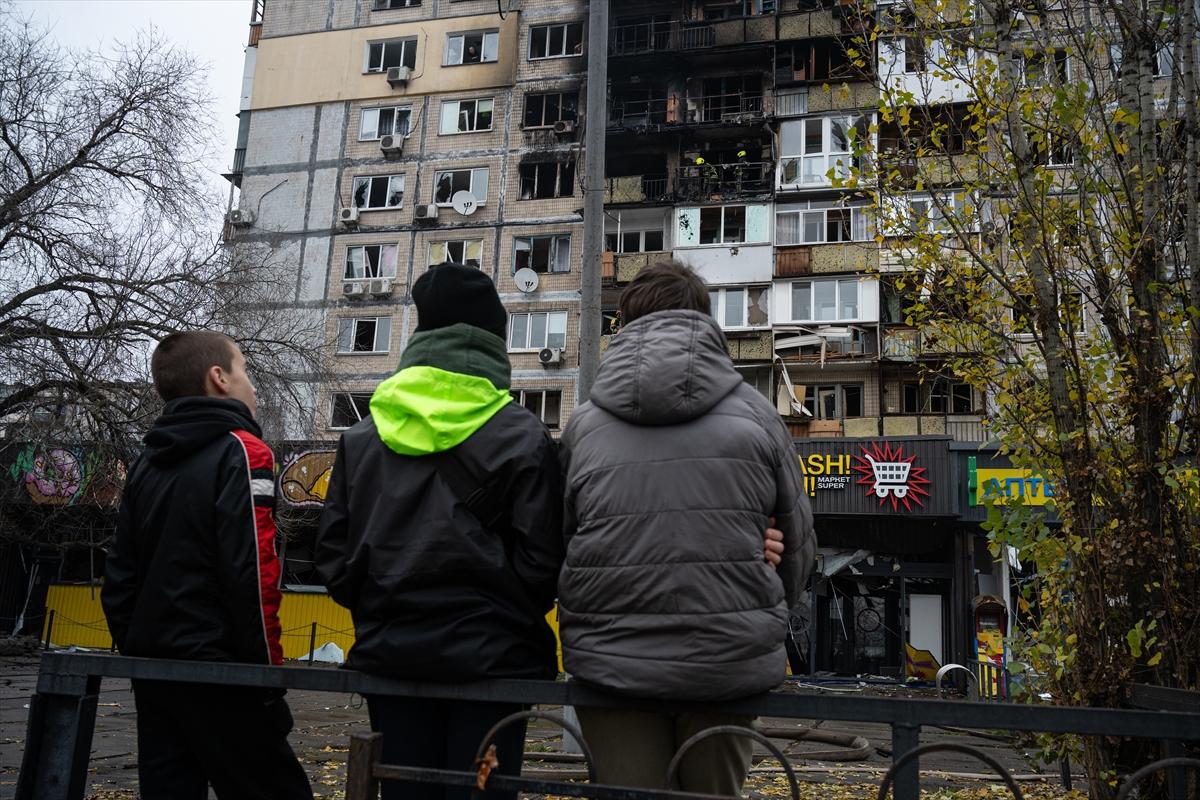
Russia’s air strikes on the Kyiv region – 29 November – (Anadolu Ajansı)
In the final week of November 2025, high-level negotiations were held in Geneva between the United States and Ukraine. The U.S. delegation was led by Secretary of State Marco Rubio, while Ukraine was represented by senior officials from the Presidential Office. The talks were conducted in multiple sessions on 22, 23, and 24 November.
As a result of these meetings:
The talks were described by Ukraine as “workable” and by the United States as “open to progress.”
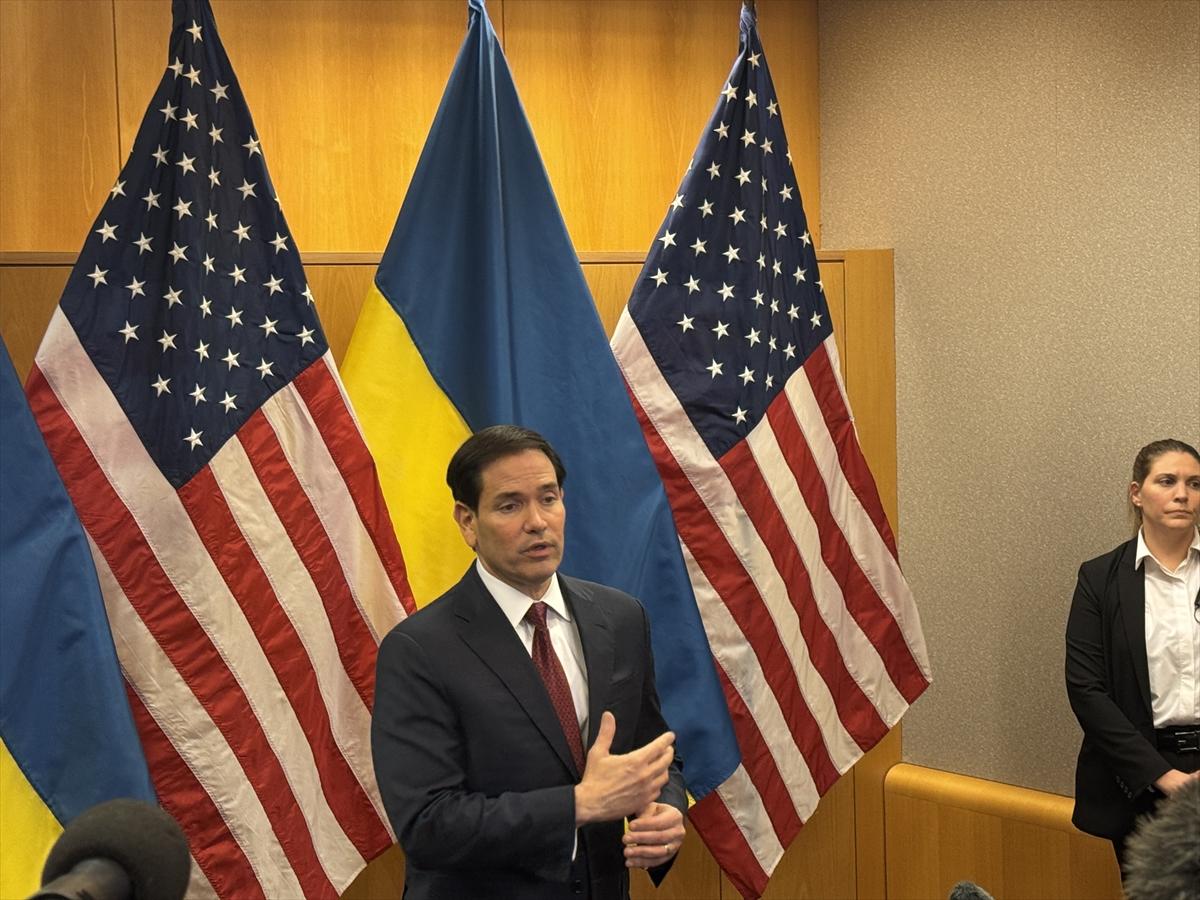
U.S. Secretary of State Marco Rubio’s press statement in Geneva regarding peace plan talks – 23 November – (Anadolu Ajansı)
Immediately following the Geneva talks, technical work began in leading European capitals to develop an alternative framework. This initiative aimed to establish a common position on defense guarantees, Ukraine’s future alliance relationships, and legal status after a ceasefire.
Europe’s technical notes included the following points:
These topics were formally included in the European proposals.
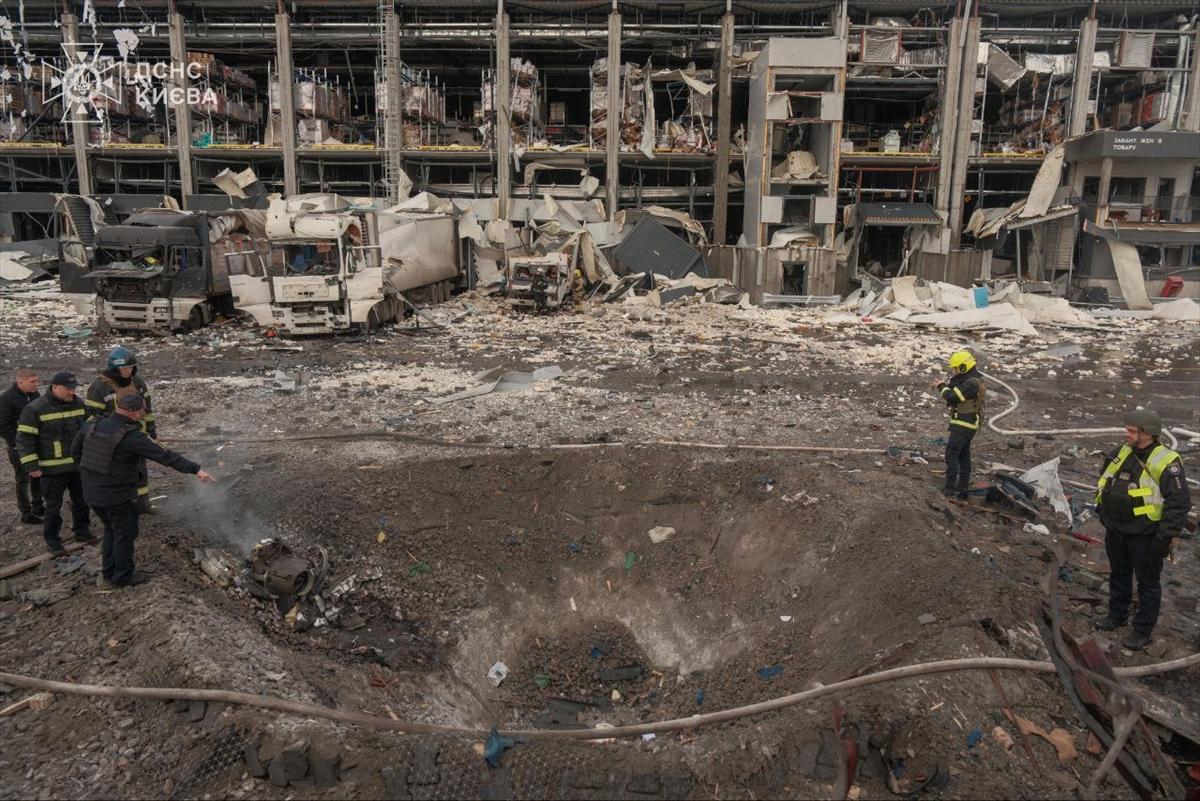
Russia’s attacks in Ukraine – 25 November – (Anadolu Ajansı)
On 27 November 2025, the President of the Russian Federation, while attending a Collective Security Treaty Organization summit in Bishkek, delivered an official assessment of the peace framework. In his remarks, he stated:
These points were formally articulated.
At the same time, the Russian Presidential Press Office stated that the detailed revised draft submitted by the United States and Ukraine would be evaluated in Moscow and discussed within Russian institutions in the following week.
The second phase of the peace process continued on 30 November with multilateral talks held in the U.S. state of Florida. These meetings, continuing the Geneva negotiations, were among the most broadly attended diplomatic sessions of the process. Participants included U.S. Secretary of State Marco Rubio, Trump administration special envoys Steve Witkoff and Jared Kushner, Ukrainian National Security and Defense Council Secretary Rustem Umerov, Ukrainian Chief of General Staff Andrii Hnatov, and technical members of Ukraine’s negotiation team.
During the approximately four-hour talks, the revised draft was examined in detail under the headings of security, ceasefire, territorial status, and international oversight. Post-meeting statements indicated that progress had been made, with parties drawing closer on some critical issues, but unresolved elements remained on key topics.
On 29 November, Andriy Yermak, a senior official in the Ukrainian Presidential Office, stepped down due to an ongoing corruption investigation. This development triggered a reorganization within the negotiation team, with Rustem Umerov’s leadership role in the process being interpreted as strengthened.
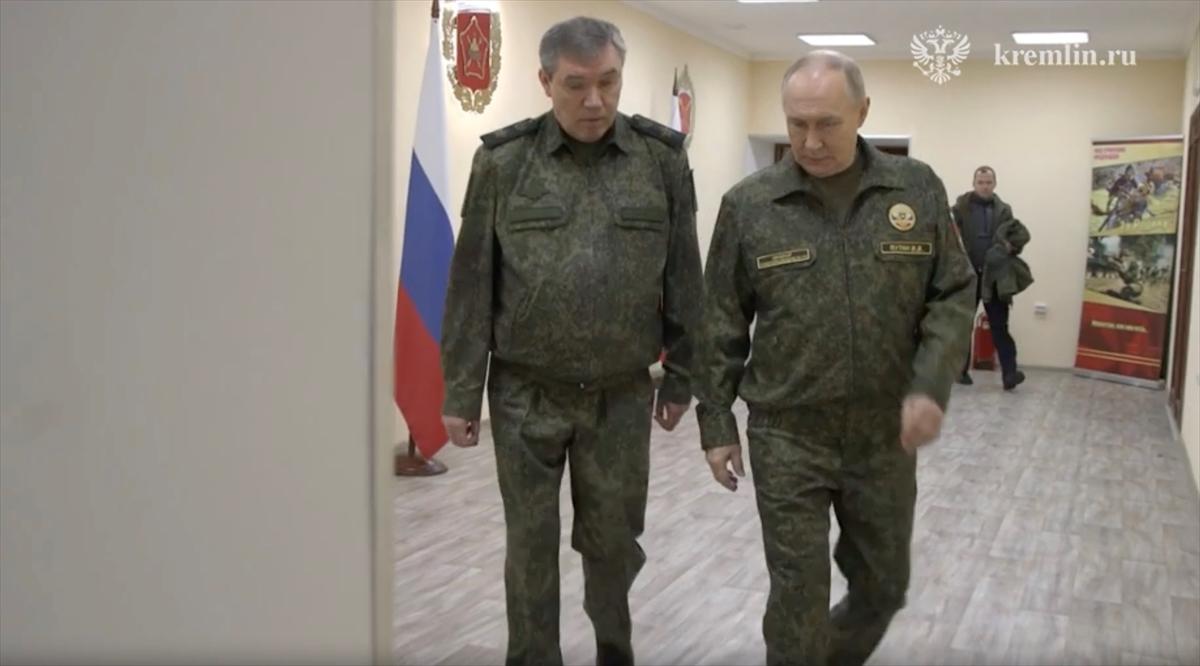
Russian President Vladimir Putin’s visit to the Western Group Command headquarters in Moscow – 20 November – (Anadolu Ajansı)
In the first days of December, the parties continued working on the revised diplomatic framework. Moscow acknowledged that certain aspects of the updated text could serve as a basis for future agreements but emphasized the mandatory withdrawal of Ukrainian forces from specific regions. The Ukrainian government viewed the new version as more feasible than the previous one but maintained its core positions on territorial integrity, sovereignty, and international security guarantees. The United States stressed that the peace plan must not only halt hostilities but also ensure Ukraine’s long-term security. Diplomatic contacts continued, and high-level talks planned in Moscow were expected to take place shortly.
On 1 December 2025, following diplomatic talks in Florida between U.S. and Ukrainian delegations, new statements were issued on the peace process. These meetings, described as evaluations of the Geneva-revised peace framework, revealed that the parties had narrowed differences on certain issues but continued to hold firm on unresolved matters, particularly regarding post-ceasefire border arrangements, security guarantees, and international monitoring mechanisms. The U.S. side characterized the talks as “productive” but noted that further work was needed to reach a final agreement.
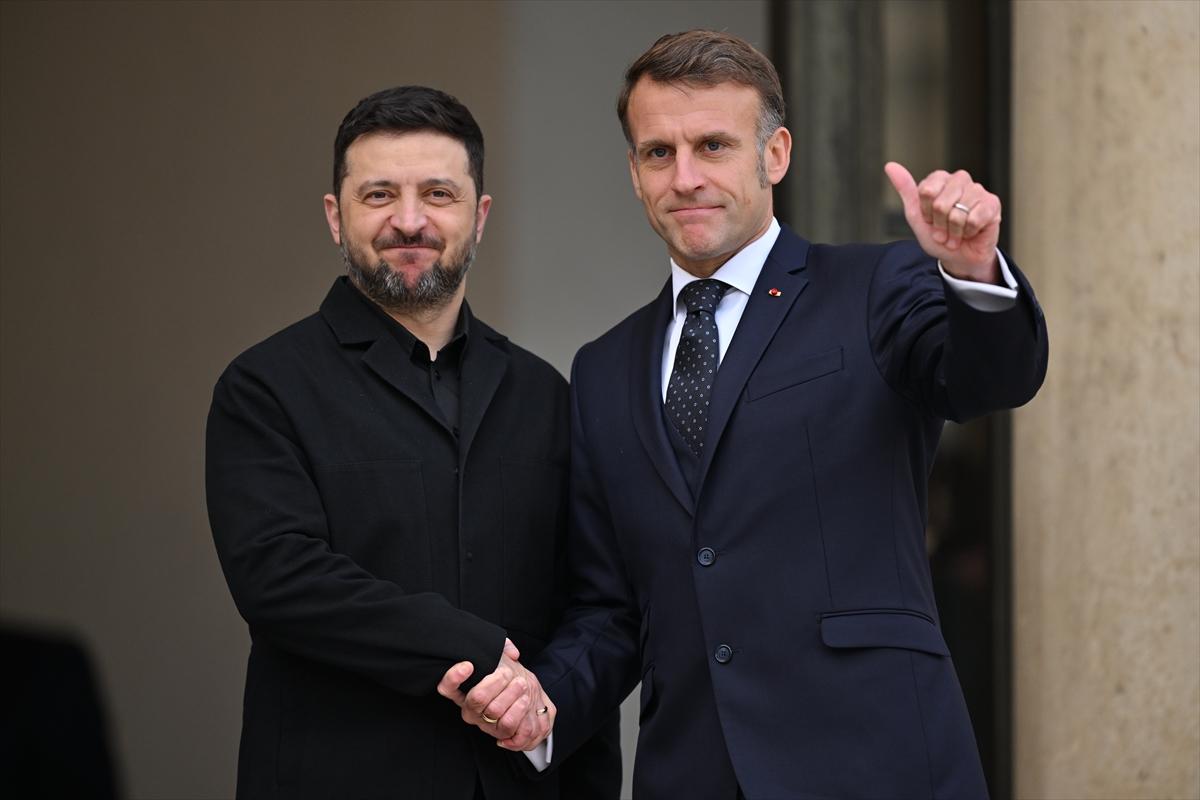
French President Emmanuel Macron met with Ukrainian President Volodymyr Zelenskiy at the Élysée Palace in Paris – 1 December – (Anadolu Ajansı)
During the same period, Ukrainian President Volodymyr Zelenskiy intensified contacts with European capitals, particularly holding a meeting in Paris with French President Emmanuel Macron to garner support for diplomatic efforts to end the war. In these European engagements, Ukraine’s long-term security architecture, the status of post-war borders, and international security guarantees emerged as key priorities. European leaders, in their post-meeting statements, emphasized that Ukraine’s sovereignty and security demands must be taken into account for the process to advance, and affirmed that diplomacy between the U.S. and Ukraine had created a “progressive foundation.”
On 2 December, Ukrainian President Zelenskiy stated that a peace plan to end the Russia–Ukraine War had been “developed.” He confirmed that Ukraine had been working with the U.S. side on the plan, adding: “The work was based on the Geneva Document, and this document (the peace plan) was subsequently developed.”
Zelenskiy noted that Ukrainian National Security and Defense Council Secretary Rustem Umerov had been engaged in talks with U.S. officials on the peace plan and had informed the U.S. side on “core” issues for Ukraine. He reiterated: “The work was based on the Geneva Document, and this document (the peace plan) was subsequently developed.”
On 2 December 2025, talks between Russian President Vladimir Putin and U.S. President Donald J. Trump’s special envoys Steve Witkoff and Jared Kushner lasted approximately five hours at the Kremlin in Moscow. The Kremlin later announced that no agreement was reached between the parties.
Initially, it was stated that the delegations sought a “constructive and constructive basis,” but the Russian side declared that certain elements of the U.S.-proposed peace draft were “unacceptable,” and reaffirmed that it would not retreat on the status of Donbas and other eastern regions.
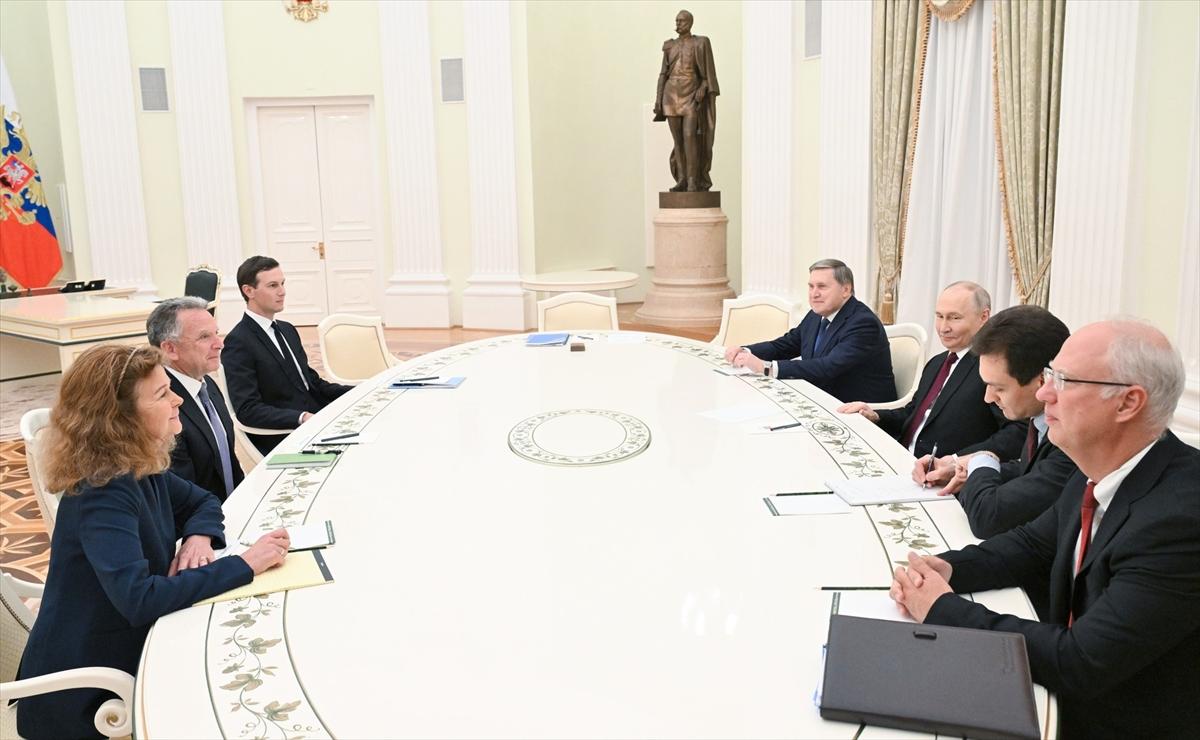
Putin’s meeting with Witkoff and Kushner – 2 December 2025 – (Anadolu Ajansı)
Following the meeting, Kremlin spokesperson Dmitriy Peskov stated that some proposals “could potentially be evaluated,” but significant differences remained and “no agreement had yet been reached.”
Prior to the talks, the U.S. side had prepared a 28-point peace plan draft aimed at ending the war with Russia. However, Russia rejected key provisions concerning territory, military restrictions, and relations with NATO.
Before the meeting, Russian President Putin criticized Europe, characterizing its involvement in the process as an “obstacle to peace,” and stated: “If Europe chooses war, Russia is ready.”
After the U.S.–Russia talks, Washington stated it had received no response from Moscow, announcing that the U.S. peace plan had been rejected by Russia and that negotiations had stalled at the next stage. Witkoff returned to the U.S. Embassy in Moscow to submit a report to Washington, and the Kremlin confirmed that no new summit was currently planned.
This phase of the Russia–Ukraine war is viewed as a threshold where positions have become clear and peace efforts have temporarily stalled.
Meanwhile, European countries and the Ukrainian government are taking a distance from the U.S. plan and advocate for a comprehensive peace agreement. No concrete ceasefire or peace agreement emerged from the 2 December Moscow talks due to fundamental disagreements. Diplomatic contacts continue.
On 3 December, Kremlin spokesperson Dmitriy Peskov stated that negotiations on resolving the U.S.–Ukraine crisis were being conducted quietly and added: “We hope our American colleagues will also adhere to this principle. We are all ready to talk as much as necessary to reach a peaceful solution.”
In response to the question, “Is it correct to say that Putin rejected the American plan in yesterday’s meeting?”, Peskov replied: “That is not correct. Yesterday, direct consultations were held for the first time. Some elements were accepted, others were deemed unacceptable. This is a normal process of work and seeking compromise.”
On 3 December 2025, during a phone call between Erdoğan and Macron, bilateral relations between Turkey and France, the Russia–Ukraine war, and regional and global developments were discussed. The importance of advancing cooperation between Turkey and France was emphasized, and it was stated that concrete steps would continue to be taken toward this goal.
Erdoğan stated that Turkey was making maximum efforts to achieve a fair and lasting end to the war between Russia and Ukraine, adding: “Turkey is ready to do everything in its power to open the door to peace as soon as possible.” He also emphasized that diplomatic channels must be used most effectively and affirmed that Turkey’s support for ceasefire implementation and subsequent efforts would continue to grow.
U.S. President Donald Trump, following the Moscow talks between Russian President Vladimir Putin and his special envoys Steve Witkoff and Jared Kushner, stated that the meetings had been productive and that negotiators had formed the impression that Putin was willing to end the war. Trump indicated that there was an expectation of progress in the Ukraine peace process, but that the next steps had not yet been clarified. The Kremlin, however, stated that certain peace proposals from the U.S. had been accepted by Putin, that expert-level discussions were ongoing, and that technical preparations were underway for further talks.
In an interview published on 4 December, Putin stated that if Ukrainian forces did not withdraw, the entire Donbas region would be brought under Russian control by military or other means. He emphasized the strategic importance of the Donbas region, comprising Donetsk and Luhansk, to Russia.
The phone calls between Zelenskiy and Jared Kushner and Steve Witkoff reflect ongoing diplomatic negotiations regarding the U.S.-proposed peace plan. The conversations demonstrate Ukraine’s continued participation in efforts to end the war.
Ukrainian President Volodymyr Zelenskiy announced via social media that he had spoken by phone with Jared Kushner, son-in-law of U.S. President Donald Trump, and U.S. Special Envoy Steve Witkoff. According to Zelenskiy’s statement, Ukrainian National Security and Defense Council Secretary Rustem Umerov and Deputy Chief of General Staff Andriy Gnatov were in Washington to examine the U.S. peace plan.
Zelenskiy stated that Ukraine’s delegation was actively working on the U.S. proposal to end the Russia–Ukraine War. The phone call involving Kushner, Witkoff, Umerov, and Gnatov was described by Zelenskiy as “meaningful and constructive.” The discussion covered methods necessary to end the war and measures to prevent future Russian aggression.
Zelenskiy declared that Ukraine was determined to work constructively with the U.S. side to achieve a “real peace.” He indicated that he expected a comprehensive briefing from the Ukrainian delegation following the talks in the United States. Zelenskiy noted that some issues could not be fully addressed in phone calls and emphasized that teams must conduct detailed work on the proposals.
The leaders of seven European Union member states announced their support for using frozen Russian assets to provide financial aid to Ukraine. The leaders of Estonia, Finland, Ireland, Latvia, Lithuania, Poland, and Sweden sent a letter to European Commission President Ursula von der Leyen and European Council President Antonio Costa on the matter.
The leaders stated that Europe had continued to support Ukraine since the start of the attacks in 2022 because “Russia’s imperial ambitions threaten European security beyond Ukraine.”
The revised U.S. National Security Strategy, announced by President Donald Trump’s administration, was viewed positively by Russia. The strategy document called for the normalization of relations with Russia, the strengthening of strategic stability, and the establishment of a more predictable framework for global competition.
The Kremlin noted that certain sections of the document aligned with Russia’s understanding of international security and stated that this approach could help restore communication channels between the two countries. Russian officials highlighted that statements on managing competition among major powers, controlling nuclear weapons, and reducing geopolitical tensions corresponded to long-standing Russian security priorities. Moscow viewed this framework as a potential basis for transitioning to a more stable phase in bilateral relations.
On 9 December, British Prime Minister Keir Starmer, French President Emmanuel Macron, German Chancellor Friedrich Merz, and Ukrainian President Volodymyr Zelenskiy met in London.
Russia’s increasing pressure and intensified attacks on the front lines prompted European capitals to address long-term arrangements for Ukraine’s defense capacity. On 9 December 2025, European leaders declared that Ukraine required strong and comprehensive security guarantees to prevent future vulnerability to new threats.
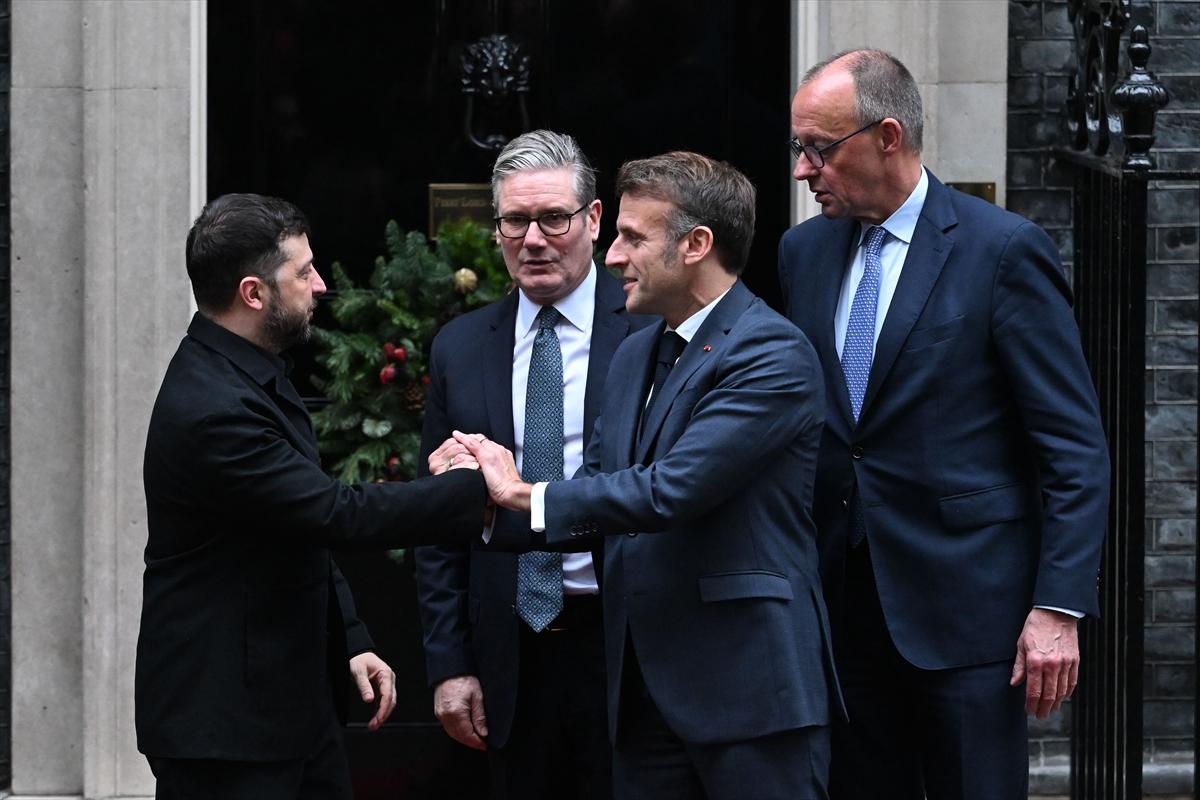
Zelenskiy and European leaders meeting in London – 8 December 2025 (Anadolu Ajansı)
On the day the statements were issued, intense fighting continued along the front lines. This situation prompted European countries to reevaluate both the current trajectory of the war and the needs of the Kyiv government. The leaders affirmed that military support to Ukraine would continue and be expanded to include long-term security arrangements. Security guarantees were presented as the fundamental element of policies aimed at preserving Ukraine’s sovereignty and territorial integrity.
The statements emphasized that assistance to Ukraine was not only intended to meet immediate needs but also to establish a deterrent security framework against future attacks. This framework was defined as a broad approach including provision of military equipment, increased defense industry cooperation, and support for the modernization of Ukraine’s armed forces. Additionally, long-term mechanisms for post-war reconstruction and strengthening of Ukraine’s security infrastructure were addressed.
European leaders also highlighted the legal and institutional nature of the proposed arrangements, stating that security guarantees must include binding or semi-binding international commitments designed to prevent future crises.
On 12 December 2025, the European Union decided to indefinitely freeze approximately 210 billion euros in assets held by the Russian Central Bank within EU territory. The EU Council stated that the purpose of the decision was to prevent these assets from being used to finance Russia’s war against Ukraine. With this decision, the mechanism requiring unanimous renewal of the freeze every six months was terminated.
EU High Representative for Foreign Affairs and Security Policy Kaja Kallas stated that Russian assets would remain frozen on EU soil until Ukraine is compensated for the damages inflicted. European Commission President Ursula von der Leyen stated that the decision aimed to strengthen Ukraine’s position both on the battlefield and at the negotiating table.
On 12 December 2025, during the International Peace and Security Forum held in Ashgabat, Turkmenistan, a bilateral meeting took place between Turkish President Recep Tayyip Erdoğan and Russian President Vladimir Putin. The meeting addressed Turkey–Russia bilateral relations and comprehensive peace efforts regarding the Ukraine–Russia War. Erdoğan stated that a limited ceasefire covering energy facilities and ports could be beneficial and affirmed that Turkey was ready to host peace talks in any format. Developments in Palestine, Syria, and the South Caucasus were also discussed.
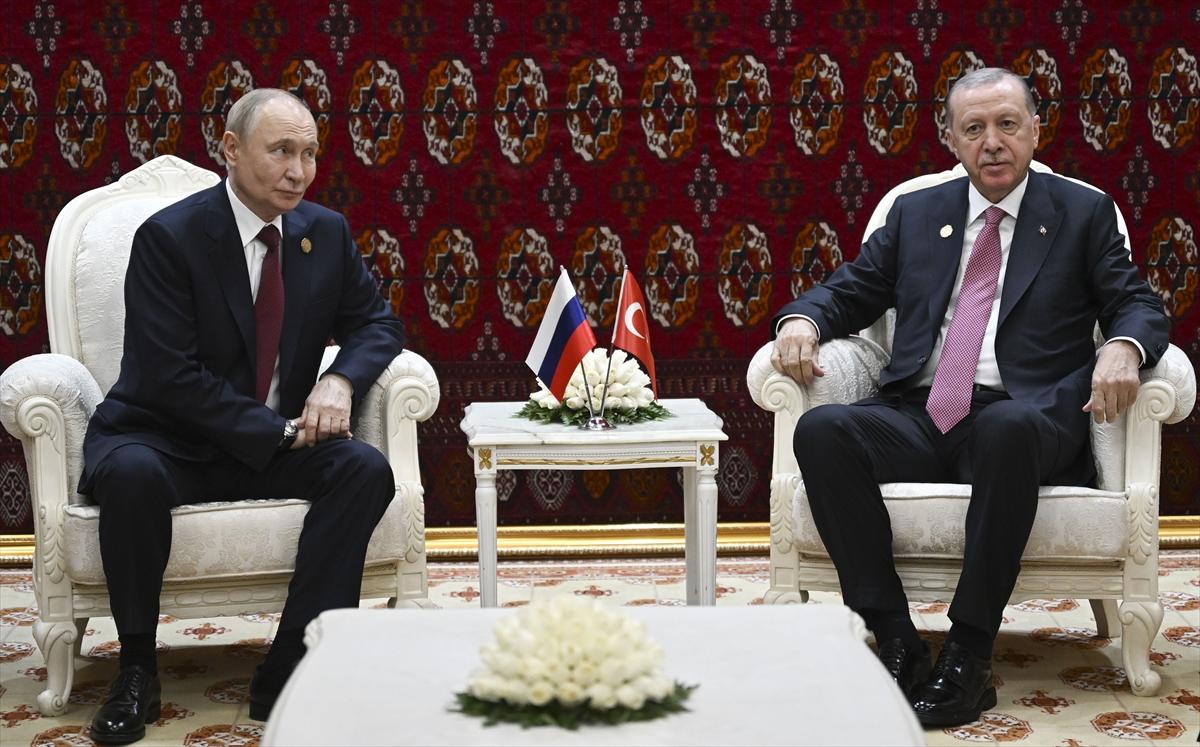
President Recep Tayyip Erdoğan met with Russian President Vladimir Putin in Ashgabat, Turkmenistan, on the sidelines of the ‘International Year of Peace and Security Forum’ – 12 December 2025 (Anadolu Ajansı)
On 13 December 2025, following his talks in Ashgabat, President Erdoğan stated that he hoped contacts would be established between Russian President Vladimir Putin and U.S. President Donald Trump regarding the peace plan. Erdoğan affirmed that diplomatic efforts regarding the Russia–Ukraine War were ongoing and that the possibility of peace remained on the agenda.
On 14 December 2025, the Russian Central Bank declared that the European Union’s direct or indirect use of frozen Russian assets violated international law. The bank argued that the move breached the principle of sovereign immunity and announced it would pursue legal action in all competent forums, including national courts, foreign judicial bodies, international organizations, and arbitration tribunals.
On 15 December 2025, high-level delegations from the United States and Ukraine met in Berlin to discuss the peace plan proposal. Participants included Ukrainian President Volodymyr Zelenskiy, U.S. President Donald Trump’s Special Envoy to Ukraine Steve Witkoff, Trump’s son-in-law Jared Kushner, and German Chancellor Friedrich Merz. It was reported that the meeting lasted more than five hours and addressed the 20-point peace plan, economic agenda, and various other topics. Significant progress was announced following the talks.
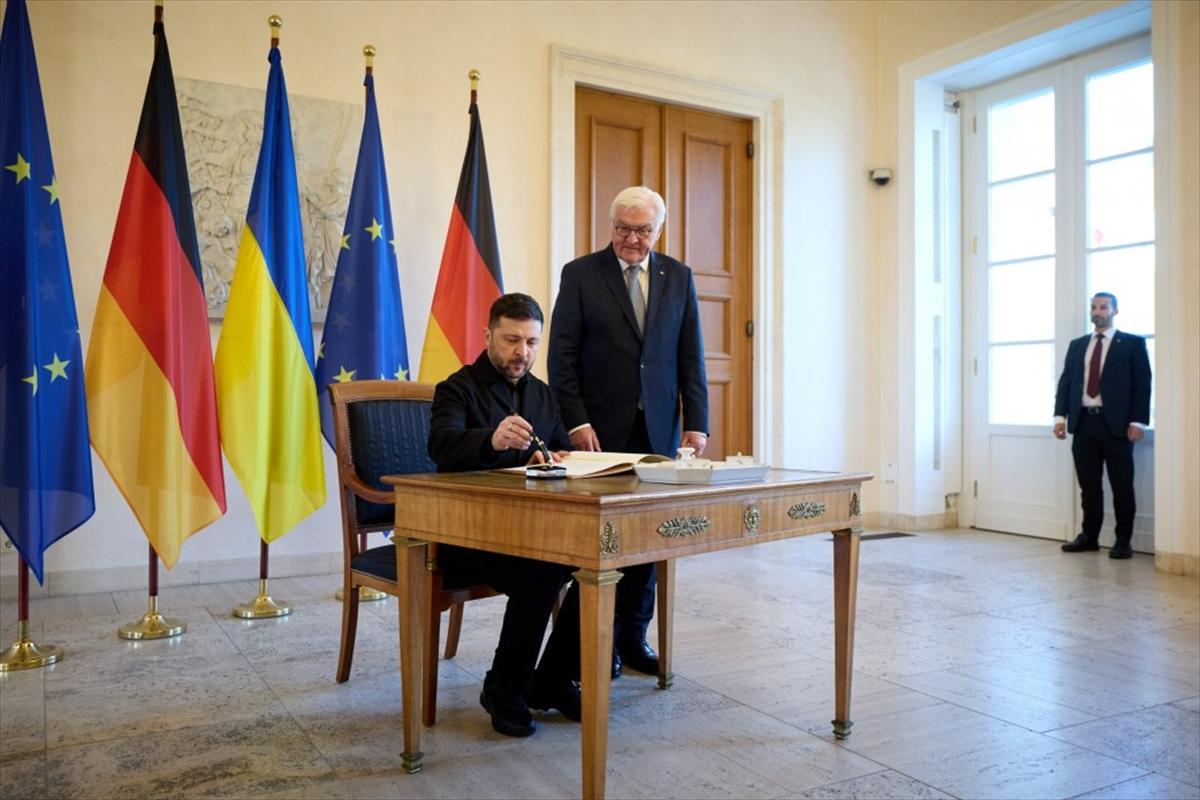
Zelenskiy’s visit to Berlin – 15 December 2025 (Anadolu Ajansı)
Ukrainian President Volodymyr Zelenskiy stated after the Berlin talks that his country was continuing work on the peace plan to end the war but noted differences with the U.S. side on the issue of territorial integrity.
Zelenskiy emphasized that during the talks in Germany, he and the U.S. delegation discussed this issue, saying: “Frankly, we still have different views. But I believe my colleagues have heard my personal opinion. I am very glad I was able to convey it directly. Of course, not every issue is easy. There are particularly difficult issues regarding territory. Everyone brings this up. It is essential that we all work to ensure these matters are resolved fairly.”
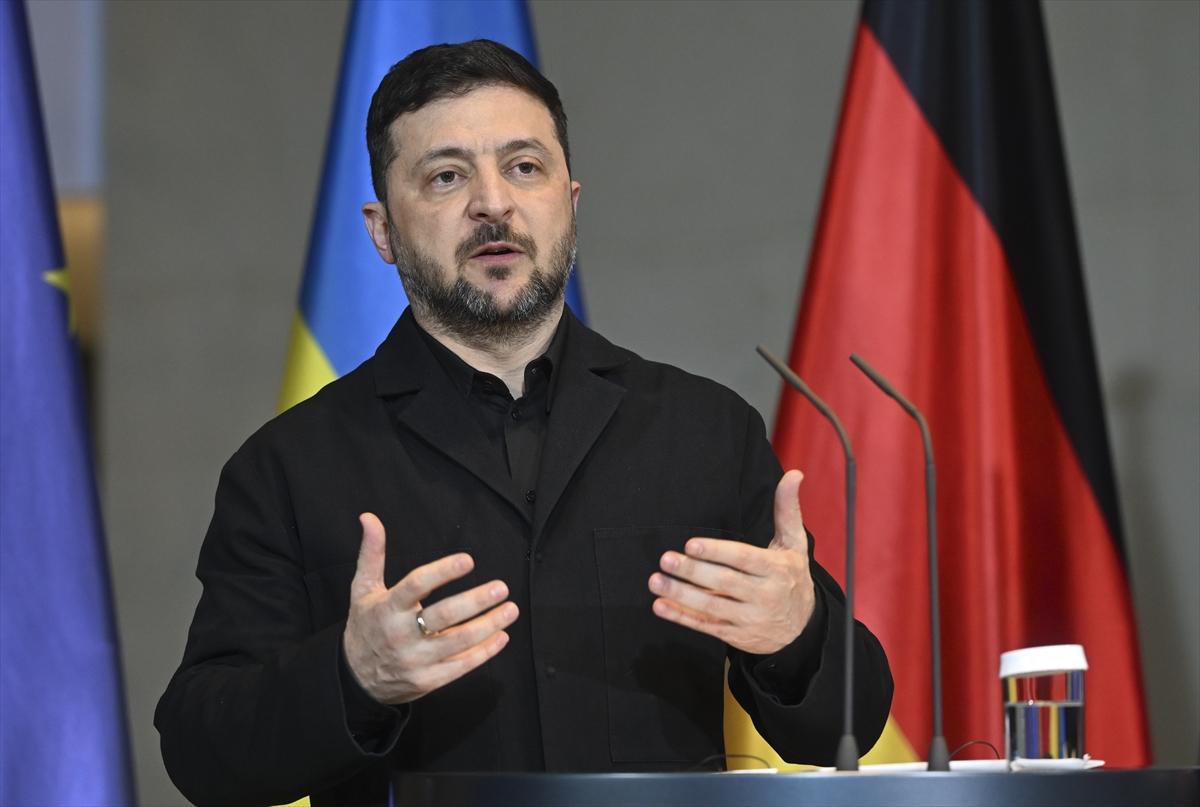
Zelenskiy’s statements in Berlin – 15 December 2025 (Anadolu Ajansı)
Ukrainian President Zelenskiy clarified that, according to the U.S. peace plan, Ukraine had not made any territorial demands, stating: “These are Russia’s demands.” He underscored his desire for the U.S. to understand Ukraine’s position, saying: “The issue of concessions is not active. I believe the territory issue is painful.”
European leaders proposed the creation of a multinational “Ukraine force” under a “Coalition of Voluntary Countries,” supported by the United States and led by Europe. In a joint statement by Germany, France, the United Kingdom, Italy, Poland, the Nordic countries, and EU institutions, a peace and security plan for Ukraine was outlined.
The leaders agreed to work together to provide Ukraine with security guarantees and economic recovery measures to end the war, and presented specific commitments. Under this framework, a multinational “Ukraine force” would be established under European leadership and supported by the United States. This force aims to assist in restructuring Ukraine’s defense capabilities, securing Ukraine’s airspace, and enhancing the safety of its seas, including operations within Ukraine.
U.S. President Donald Trump stated that he had held comprehensive talks with European leaders on the Russia–Ukraine War and described the diplomatic process as “cautious but positive.”
Responding to journalists’ questions at the White House, Trump referred to his recent meeting with European leaders: “We had a very good discussion that included the war between Russia and Ukraine. It was a long meeting. Things seem to be going well, but we know this is a difficult process.” He noted that he had also held a long phone call with Ukrainian President Volodymyr Zelenskiy and described his contacts with the leaders of Germany, Italy, NATO, Finland, France, the United Kingdom, Poland, Norway, Denmark, and the Netherlands as “very long and very good.”
U.S. President Trump emphasized that Ukraine’s requested security guarantees were being shaped in collaboration with Europe, stating: “Europe will be a major part of this process. We are working on security guarantees to prevent the war from restarting. We do not want the war to resume.”
Deputy Russian Foreign Minister Sergey Ryabkov stated that Russia would never approve the deployment of NATO forces within Ukraine, even if they were part of the “Coalition of Voluntary Countries.”
Ryabkov declared: “We will never sign or approve the deployment or presence of NATO forces on Ukrainian territory.”
In response to the question of whether Russia would approve the presence of European troops under the “Coalition of Voluntary Countries,” Ryabkov replied: “No. The Coalition of Voluntary Countries is the same as NATO. It might even be worse because such a solution could allow implementation without standard NATO procedures.”
Kremlin spokesperson Dmitriy Peskov, in a statement on 17 December, noted that Russia’s position on the deployment of foreign troops in Ukraine was well known, adding: “However, this issue can be discussed.”
Peskov stated that Russia was awaiting information from the United States on the outcomes of the ongoing work between Ukraine and Europe, saying: “When they are ready, we expect our American colleagues to inform us about the results of their work with Ukraine and Europe. We will not discuss specific elements or topics of the solution process through the media. Our position on the deployment of foreign military units in Ukraine is also well known. However, this issue can be discussed.”
It was announced that leaders of European Union countries would meet in Brussels to discuss a plan to use the 21 billion euros in frozen Russian assets to support Ukraine. German Chancellor Friedrich Merz assessed the likelihood of reaching an agreement on using frozen Russian assets for Ukraine’s benefit at 50 percent.
Merz, who praised the success of the Ukraine talks in Berlin, stated: “We have made significant progress in the willingness of the Americans to work with Europeans on providing security guarantees to Ukraine after a ceasefire. This is a new development.”
AP News. "Zelenskyy meets with Macron in Paris as U.S.-led peace negotiations advance." AP News. Accessed December 1, 2025.
Al Jazeera. "Russia-Ukraine War Live: Trump’s Envoy Witkoff to Meet Putin." Al Jazeera, December 2, 2025.
Anadolu Ajansı. "AB liderleri dondurulmuş Rusya varlıklarıyla Ukrayna’ya mali desteğini tartışacak." Accessed December 17, 2025.
Anadolu Ajansı. "AB üyesi ülkeler, Rusya'nın 210 milyar avroyu bulan varlıklarını süresiz dondurdu." Accessed December 15, 2025.
Anadolu Ajansı. "Avrupalı liderler Ukrayna için güçlü güvenlik garantilerinin gerekliliğini vurguladı." AA, December 9, 2025.
Anadolu Ajansı. "Berlin'de bir araya gelen ABD ile Ukrayna heyetlerinin toplantısında önemli ilerlemeler kaydedildi." Accessed December 16, 2025.
Anadolu Ajansı. "Berlin'de bir araya gelen ABD ile Ukrayna heyetlerinin toplantısında ‘önemli ilerlemeler’ kaydedildi." Accessed December 15, 2025.
Anadolu Ajansı. "Cumhurbaşkanı Erdoğan, Putin ile Aşkabat’ta görüştü." Accessed December 15, 2025.
Anadolu Ajansı. "Rusya Merkez Bankası’ndan AB’ye ‘dondurulmuş varlıklara karşı hukuki adım’ uyarısı." Accessed December 15, 2025.
Anadolu Ajansı. "Rusya: Ukrayna’da NATO ve benzeri birliklerin konuşlanmasına asla onay vermeyiz." Accessed December 17, 2025.
Anadolu Ajansı. "Rusya: Ukrayna’da NATO veya ‘Gönüllüler Koalisyonu’ birliklerinin konuşlandırılmasını kabul etmeyiz." Accessed December 16, 2025.
Anadolu Ajansı. "Trump, hafta sonu yapılacak Ukrayna görüşmelerine katılım için kapıyı açık bıraktı." Accessed December 15, 2025.
Anadolu Ajansı. "Zelenskiy, Rusya-Ukrayna Savaşı'nın sona ermesi için ‘ellerinden geleni’ yapmaları gerektiğini söyledi." Accessed December 13, 2025.
Associated Press. "Zelenskyy says peace proposals to end the war in Ukraine could be presented to Russia within days." Accessed December 16, 2025.
Axios. "Post-war borders dominated ‘intense’ U.S.-Ukraine talks." Axios. Accessed December 1, 2025.
BBC. “Ukraine talks 'productive' but more work needed, Rubio says.” BBC News, November 30, 2025. https://www.bbc.com/news/articles/cd9z2e3exk9o
BloombergHT. "ABD: Ukrayna barış planı konusunda epey mesafe katettik." BloombergHT. Accessed December 1, 2025.
DW. “Ukraine updates: EU calls for more Russia sanctions.” DW, December 2, 2025. https://www.dw.com/en/ukraine-updates-eu-calls-for-more-russia-sanctions/live-74899120
Reuters. "EU set to indefinitely freeze Russian assets, removing obstacle to Ukraine loan." Accessed December 15, 2025.
Reuters. "European leaders agree Ukraine security guarantees should include European-led force." Accessed December 16, 2025.
Reuters. "Kremlin says Putin accepted some US proposals; Ukraine is ready to continue talking." December 3, 2025. https://www.reuters.com/world/europe/kremlin-says-putin-accepted-some-us-proposals-ukraine-is-ready-continue-talking-2025-12-03/
Reuters. "Kremlin says Russia will discuss US-Ukraine peace ideas next week." Reuters. Date Published November 28, 2025. Accessed December 1, 2025.
Reuters. "More work needed to reach Ukraine peace deal after ‘productive’ talks in Florida – Rubio." Reuters. Date Published November 30, 2025. Accessed December 1, 2025.
Reuters. "Peace is not far away, says Erdogan after Putin talks." Accessed December 15, 2025.
Reuters. "Putin says Russia will take all of Ukraine’s Donbas region militarily or otherwise." Reuters, December 4, 2025. https://www.reuters.com/world/europe/putin-says-russia-will-take-all-ukraines-donbas-region-militarily-or-otherwise-2025-12-04/
Reuters. "Putin, Witkoff Discuss Peace Options for Ukraine Past Midnight in Moscow." Reuters, December 2, 2025.
Reuters. "Russia says deployment of Western troops in Ukraine would be unacceptable." Reuters. Accessed December 16, 2025.
Reuters. "Trump says talks with European leaders on Ukraine war were long and productive." Reuters. Accessed December 16, 2025.
Reuters. "Trump’s Ukraine peace effort tests his unconventional diplomacy." Reuters, December 3, 2025. https://www.reuters.com/world/europe/trumps-ukraine-peace-effort-tests-his-unconventional-diplomacy-2025-12-03/
Reuters. "US and Ukraine continue work on refined plan to end war with Russia." Date Published November 24, 2025. Accessed December 1, 2025.
Reuters. "Ukrainian delegation heads to U.S. peace talks after lead negotiator’s exit." Date Published November 29, 2025. Accessed December 1, 2025.
Reuters. "Zelenskiy demands dignified peace as US, Ukraine officials meet in Berlin." Accessed December 15, 2025.
The Guardian. "Putin insists Ukraine must surrender territory for peace deal to be possible." The Guardian. Date Published November 27, 2025. Accessed December 1, 2025.
The Guardian. "Ukrainian and US officials meet in Florida to discuss proposals to end Russia’s war." The Guardian, November 30, 2025. https://www.theguardian.com/world/2025/nov/30/ukrainian-and-us-officials-talks-florida-russia-war
The Independent. "Trump Envoy Steve Witkoff Meets Putin for Ukraine Peace Talks." The Independent, December 2, 2025.
The Washington Post. "Russia–Ukraine War: Negotiations and U.S. Policy." Accessed December 1, 2025.
Ukraine President Volodymyr Zelenskiy has reported receiving signals that Russia is preparing to continue the war into 2026. During the same period, Russian Defense Minister Andrey Belousov stated that NATO is preparing for a possible military confrontation with Russia by 2030 and confirmed that measures have been taken to maintain the Russian Armed Forces’ combat readiness level. Within the same statements, Russian President Vladimir Putin denied allegations of a planned attack against Europe, affirmed that military operations in Ukraine are being conducted in line with established objectives, and stated that the development of strategic nuclear forces remains a priority.
Ukraine President Volodymyr Zelenskiy announced that new signals indicate Russia is preparing for continued warfare into 2026. Zelenskiy conveyed this assessment in a video message shared on his social media accounts.
Zelenskiy referred to remarks made at an expanded meeting of the Russian Defense Ministry officials held in Moscow, attended by Russian President Vladimir Putin and Defense Minister Andrey Belousov. He noted that these remarks point to Russia’s ongoing military preparations for 2026.
The Ukrainian leader emphasized that these signals are important not only for Ukraine but also for its allied countries. He stressed the necessity for partners, particularly in the United States, which frequently claims Russia seeks to end the war, to respond to these statements.
Zelenskiy stated that efforts are ongoing to develop a peace plan aimed at ending the war and expressed the expectation that the Ukrainian delegation will continue consultations with the U.S. delegation on steps toward peace and security.
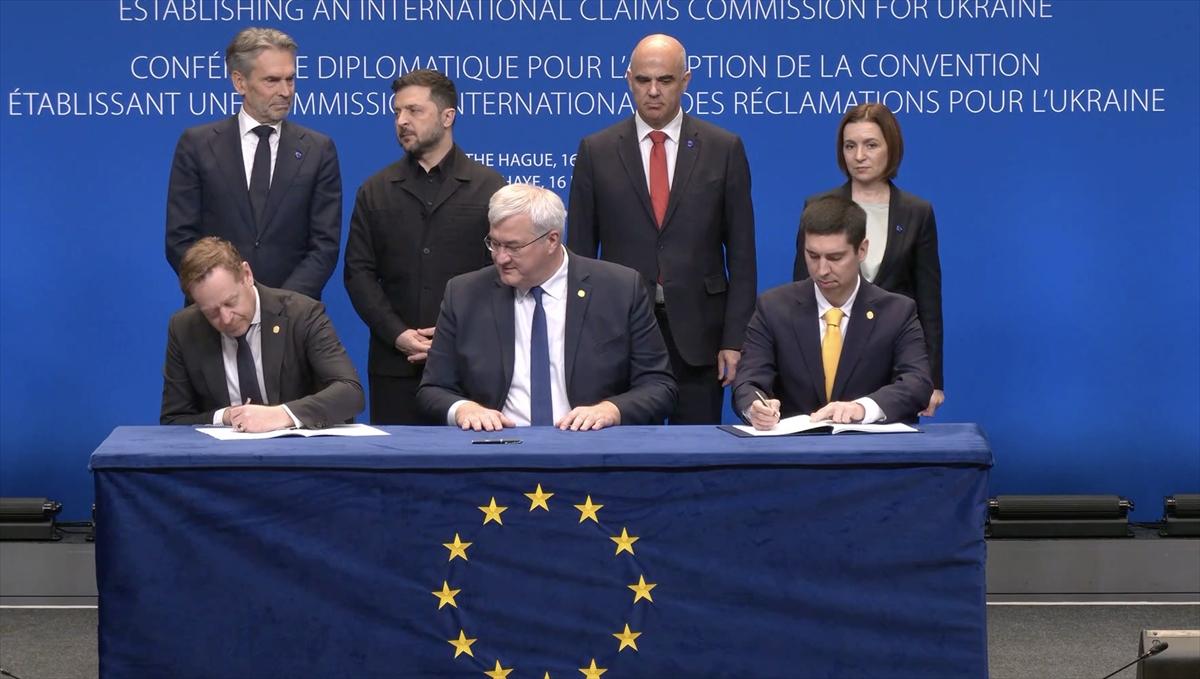
International Compensation Commission Agreement signed for war damages in Ukraine. December 16, 2025 (Anadolu Agency)
Russian Defense Minister Andrey Belousov stated that NATO is pursuing plans to be prepared for a possible military conflict with Russia by 2030. Belousov argued that Russia does not pose a threat but is itself under threat.
Belousov asserted that conditions have been created to achieve the objectives of the “special military operation” in Ukraine and to maintain the long-term combat readiness level of the Russian Armed Forces. He confirmed that tasks set by the Russian President are ready to be fulfilled in both the short and long term.
Belousov noted that the rate of advance by Russian forces on the front lines has increased by 1.5 to 2 times compared to the previous year and announced the capture of the city of Krasnoarmeysk (Pokrovsk). He stated that operations are underway to seize the settlement of Gulyaypole in the Zaporizhzhia region, which he described as a key Ukrainian military stronghold and transportation hub. Belousov indicated that Ukrainian units in the Dimitrov region are under siege and that the capture of Krasnoarmeysk and Dimitrov would constitute one of the greatest defeats for the Ukrainian army in Donbas. He confirmed the capture of Kupyansk, stating that it has expanded the security zone in the Kharkiv region and that the capture of Konstantinovka would accelerate full control over the Donetsk region.
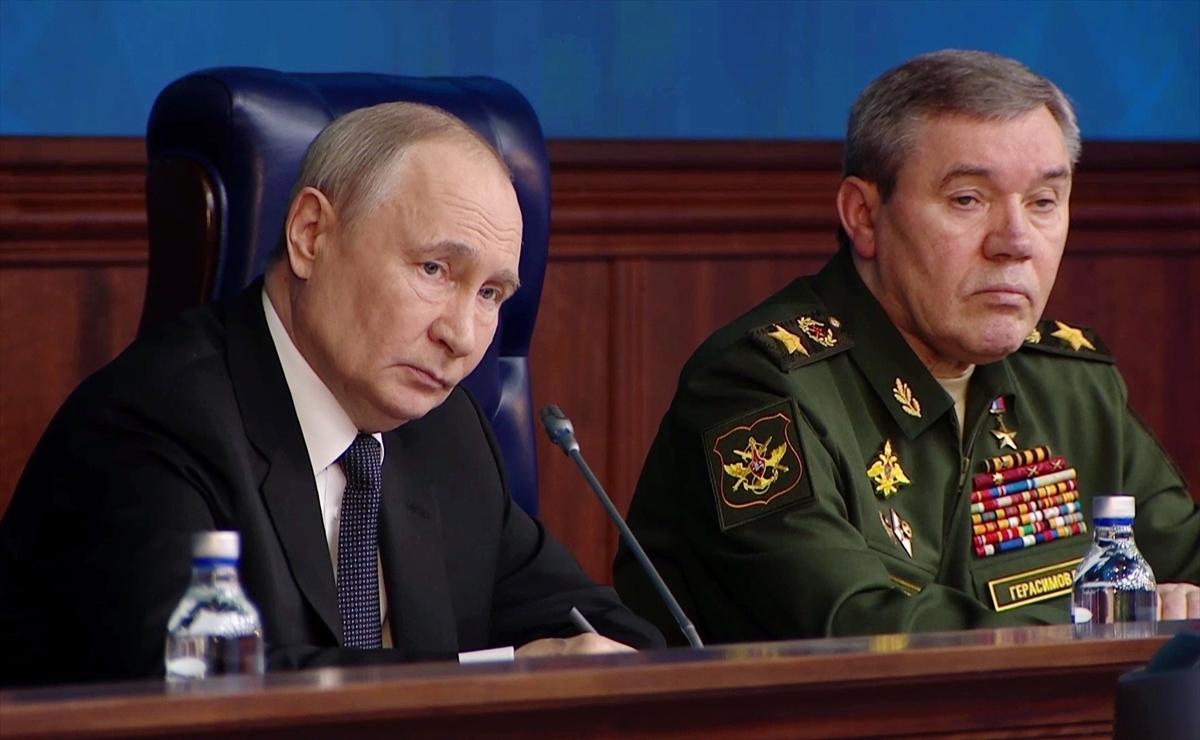
Putin and Chief of the General Staff Gerasimov at the Defense Ministry meeting. December 17, 2025 (Anadolu Agency)
Belousov stated that the Russian armed forces captured one-third more territory in 2025 than in the previous year, asserting control over more than 300 settlements and over 6,000 square kilometers of land.
He claimed that the Ukrainian Armed Forces lost more than 103,000 weapons and military equipment in 2025, of which over 5,500 were Western-made, a figure nearly double that of 2024. He also alleged that Ukraine’s military and industrial production capacity has been halved.
Belousov noted that NATO has changed its approach to military security threats over the past three years and has continued to strengthen its coalition forces. He stated that preparations are underway to deploy intermediate-range missiles, that the nuclear munitions inventory has been updated, and that air and missile defense systems have been modernized.
Belousov indicated that the speed of NATO forces’ redeployment to the eastern flank has increased and that a plan referred to as the “military Schengen” has been implemented. He asserted that NATO aims to be prepared for a possible military confrontation with Russia at the beginning of the 2030s.
Russian President Vladimir Putin rejected allegations that Russia has plans to attack Europe. He claimed that fear of an inevitable conflict with Russia is being deliberately sown among European public opinion.
Putin stated that the objectives of the “special military operation” in Ukraine will be achieved and that Russia prefers to resolve the root causes of the conflict through diplomatic means. However, he warned that if substantive negotiations are not pursued, Russia will reclaim its historical territories by military means.
Putin characterized 2025 as a turning point for the Russian armed forces’ operations in Ukraine, asserting that strategic initiative on the front lines has been seized. He stated that the Oreshnik ballistic missile system will be deployed for combat duty by year-end and that the Burevestnik and Poseidon systems will remain unique weapons for the foreseeable future.
Putin emphasized that the development of strategic nuclear forces remains a top priority, highlighting their critical role in deterrence and maintaining global power balance. He also noted that the Russian military must increase its use of robotic systems and artificial intelligence.
On December 18, 2025, the Kremlin announced that Russia is preparing for talks with the United States regarding Ukraine. Kremlin spokesperson Dmitry Peskov highlighted the importance of these diplomatic contacts to understand American and European efforts related to peace plans for Ukraine. It was reported that representatives of Russia and the United States are expected to meet in Miami. It was stated that President Vladimir Putin is advocating for recognition of territories captured in Ukraine and opposing NATO objectives. The statement emphasized that no agreement has yet been reached to end the war.
Russia-Ukraine Peace Talks (TRT World)
On December 20, 2025, Ukrainian President Volodymyr Zelenskiy made statements supporting a trilateral meeting proposal led by the United States. Zelenskiy indicated that he would view such negotiations favorably if they lead to concrete outcomes such as prisoner exchanges or high-level talks between leaders. The trilateral proposal was addressed alongside core Ukrainian positions opposing territorial concessions.
On December 21, 2025, representatives of the United States, Europe, and Ukraine met in Miami, Florida. It was reported that work was conducted on a 20-point draft plan aimed at ending the Russia-Ukraine war. U.S. special envoy Steve Witkoff described the talks as “productive and constructive,” noting that separate meetings were held with representatives of the Russian side as well as with Ukrainian and European delegations. It was stated that the talks focused on developing a peace plan, establishing multilateral security guarantees, and supporting Ukraine’s economic recovery. However, Moscow’s willingness to accept this plan was assessed as uncertain.
On the same day, the Kremlin suggested it might view peace negotiations with the United States and Europe unfavorably, asserting that proposals from Europe and Ukraine do not enhance the prospects for peace. Putin’s senior foreign policy aide Yuri Ushakov stated that these changes do not improve the long-term possibility of peace.
As of December 22, 2025, diplomatic talks in Miami continued. U.S. and Ukrainian representatives described the meetings as “constructive and productive,” stating that progress was being sought on four key documents: the 20-point peace plan, a framework for multilateral security guarantees, a U.S. security guarantee framework, and an economic plan. However, no new diplomatic breakthrough or concrete agreement was announced during the talks.
During the same period, some international observers noted that progress in peace talks has slowed due to ongoing battlefield clashes and Ukraine’s stance on territorial issues. It was reported that French President Emmanuel Macron had directly called for talks with Putin, a move interpreted as an indication of Europe’s search for an independent diplomatic path.
Anadolu Ajansı. "Ukrayna: Moskova’dan 2026’ya ‘savaş yılı’ olarak hazırlandıklarına dair bir sinyal daha aldık." Anadolu Ajansı, December 17, 2025. Accessed December 18, 2025.
Anadolu Ajansı. "Zelenskiy: 20 maddelik bir barış planı var, muhtemelen mükemmel değil ama bir plan mevcut." Accessed December 24, 2025. https://www.aa.com.tr/tr/dunya/zelenskiy-20-maddelik-bir-baris-plani-var-muhtemelen-mukemmel-degil-ama-bir-plan-mevcut/3778085
NBC News. "Russia-US Peace Talks ‘Constructive’, Officials Push Back on Europe." Accessed December 22, 2025.
Reuters. "Putin says Western calls preparation for war with Russia ‘a lie’." Reuters, December 17, 2025. Accessed December 18, 2025.
Reuters. "Russia Is Preparing for Contacts with the United States on Ukraine, the Kremlin Says." Accessed December 22, 2025.
Reuters. "Zelenskiy tells Europe: Use frozen assets to end Russia’s appetite for war." Reuters, December 17, 2025. Accessed December 18, 2025.
The Moscow Times. "Miami Talks on Ukraine War End With No Sign of Diplomatic Breakthrough." Accessed December 22, 2025.
Ukraine Peace Plan Talks are diplomatic engagements and negotiation processes conducted between Ukraine, the United States, the European Union and the Russian Federation on 28 and 29 December 2025 with the aim of ending the Ukraine–Russia war.
On 28 December 2025, before his scheduled meeting with Ukrainian President Volodimir Zelenskiy in Florida, United States President Donald Trump held a telephone conversation with Russian Federation President Vladimir Putin.
The call, initiated by Trump, lasted approximately one hour and fifteen minutes and addressed the current situation in Ukraine and potential pathways to resolution. Trump publicly stated that the conversation had been productive.
On the same day, Kremlin Foreign Policy Advisor Yuriy Ushakov issued a statement regarding the Putin–Trump phone call. The statement indicated that both Russian and U.S. leaders agreed that temporary ceasefire proposals could prolong the crisis.
Ushakov noted that the American side had proposed establishing two special working groups to address the Ukraine crisis, a proposal accepted by Russian President Putin. One group would focus on security matters and the other on economic issues.
class=\
" image-alternate="" image-element-format="right">
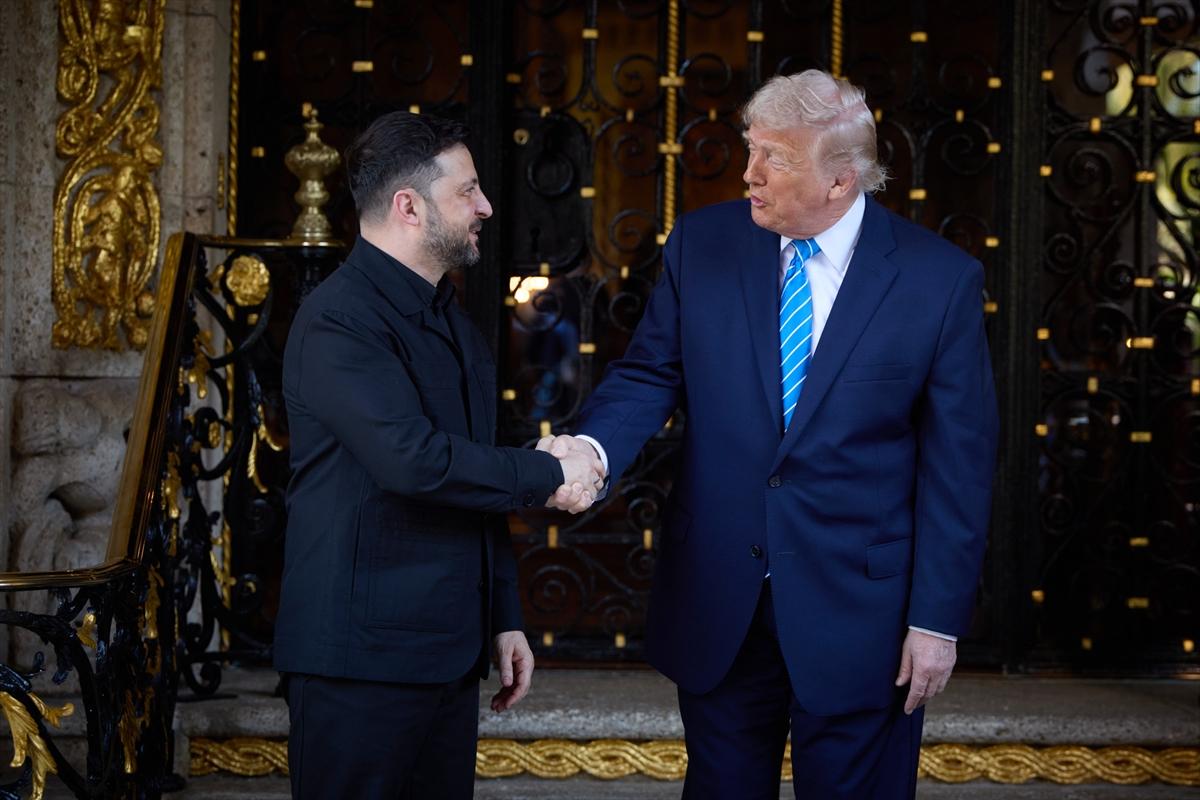
On 29 December 2025, Ukrainian President Volodimir Zelenskiy and U.S. President Donald Trump held a face-to-face meeting at the Mar-a-Lago estate in Florida. The meeting focused on a 20-point peace plan designed to end the Russia–Ukraine war.
In a statement following the meeting, Zelenskiy indicated that agreement had been reached on approximately 90 percent of the 20-point peace plan. The two issues on which no consensus was reached were Ukraine’s territorial integrity and the management of the Zaporizhzhia Nuclear Power Plant.
It was reported that military arrangements and the final phase of the welfare plan had been finalized and that full agreement had been reached on security guarantees between the United States and Ukraine.
Zelenskiy stated that the security guarantees offered to Ukraine in the peace plan were envisioned for a 15-year period, with the possibility of extension. Ukraine, however, has sought longer-term guarantees of 30, 40 or even 50 years. It was noted that for these security guarantees to enter into force, approval would be required from the U.S. Senate and the parliaments of countries within the Coalition of Willing.
Zelenskiy indicated that for the peace plan to be finalized swiftly, Russia’s participation in the process may be necessary. Ukraine has expressed openness to a four-party technical working group involving Ukraine, the United States, the European Union and Russia, in the context of a potential agreement signed by all four parties. The Ukrainian government stated it is prepared for any format of talks that could contribute to ending the war.
Following his meeting with Zelenskiy, U.S. President Trump stated that the talks had been productive and that approximately 95 percent of the peace plan had been addressed. Trump announced the establishment of a U.S. working group to advance the process.
The working group will include U.S. Special Representative Steve Witkoff, Secretary of State Marco Rubio, Secretary of Defense Pete Hegseth and Jared Kushner.
On the same day, European Commission President Ursula von der Leyen welcomed the progress made in the Ukraine peace negotiations following the talks in the United States. It was stated that the European Union stands ready to work with Ukraine and the United States to consolidate this progress and that strong security guarantees are a fundamental element of the process.
Zelenskiy stated that the state of martial law declared in Ukraine at the outset of the war can only be lifted upon the war’s conclusion. It was noted that the necessary infrastructure for holding a potential referendum following a peace agreement has not yet been established.
On 29 December 2025, Donald Trump discussed the negotiation process regarding the Russia–Ukraine war in a telephone conversation with Russian Federation President Vladimir Putin. A statement on the call was issued by White House Press Secretary Karoline Leavitt, who confirmed that Trump had a positive phone conversation with Putin on Ukraine.
Trump had met earlier that day with Ukrainian President Volodimir Zelenskiy at Mar-a-Lago in Florida. Following that meeting, Trump stated that the parties had come very close to an agreement in the negotiations.
On 30 December 2025, European Commission President Ursula von der Leyen announced that discussions had taken place with European leaders on Ukraine’s security, support for the country and its reconstruction process. Von der Leyen stated that the meetings had been productive and that the topics had been addressed comprehensively.
In her statement, von der Leyen emphasized that a free and prosperous Ukraine would be strengthened through its path toward European Union membership and noted that the enlargement process serves as a security and stability factor for the entire European continent, not just for candidate countries.
Al Jazeera. "Russia-Ukraine war updates: Trump, Putin hold call after Zelenskyy meeting." Al Jazeera, December 29, 2025. https://www.aljazeera.com/news/liveblog/2025/12/29/russia-ukraine-war-live-at-least-1-killed-in-russian-attack-on-donetsk
Anadolu Ajansı. "Trump, Rusya-Ukrayna savaşını sona erdirmek için ‘büyük ilerleme’ kaydettiklerini söyledi." Accessed December 29, 2025.
Anadolu Ajansı. "Zelenskiy, 20 maddelik barış planının yüzde 90’ında uzlaşı sağlandığını söyledi." Accessed December 29, 2025.
Anadolu Ajansı. "Zelenskiy, barış planının Ukrayna için 15 yıllık süreyle güvenlik garantileri içerdiğini bildirdi." Accessed December 29, 2025.
Reuters. "Zelenskiy says 20-point peace plan should be put to referendum in Ukraine." Accessed December 29, 2025.

The Russia–Ukraine peace negotiations gained momentum in the final week of November 2025 with the revision of a 28-article draft prepared by the United States and took shape through multilateral diplomacy conducted in Geneva, Florida and European capitals. In Geneva the draft was reduced to 19 articles and the negotiating domains of the parties were redefined. Moscow announced on 27 November that it had evaluated the revised text and discussions in Florida addressed security ceasefire and territorial arrangements. At the beginning of December the parties continued their negotiations and additional diplomatic contacts were held between Ukraine and European capitals.
Ukrainian President Volodymyr Zelensky announced that they had received new signals indicating that Russia was preparing for 2026 as a “year of war.” Russian President Vladimir Putin rejected allegations of planned attacks on Europe and stated that operations in Ukraine would achieve their objectives.
As part of diplomatic efforts to end the Russia–Ukraine War Ukrainian President Volodymyr Zelensky stated that agreement had been reached on 90 percent of a 20-article peace plan. Speaking after talks with U.S. President Donald Trump at Mar-a-Lago in Florida Zelensky noted that the plan provided 15 years of security guarantees for Ukraine but that the Kyiv administration sought a longer duration. During the same period Trump said he had spoken by phone with Putin and that “significant progress” had been made toward peace.
No Discussion Added Yet
Start discussion for "Russia–Ukraine Peace Talks (November 2025)" article
December 1, 2025
Background and Emergence of the Initial Framework
December 1, 2025
Geneva Talks (22–24 November 2025)
December 1, 2025
Europe’s Participation and Preparation of Alternative Proposals
December 1, 2025
Russia’s Position and Bishkek Statement (27 November 2025)
December 1, 2025
Florida Talks
December 1, 2025
Ukraine’s Domestic Politics and Negotiation Team Changes
December 1, 2025
Current Status as of December 2025
December 1, 2025
Zelenskiy’s Announcement on the Peace Plan (2 December)
December 1, 2025
Putin–Witkoff Talks
December 1, 2025
Erdoğan–Macron Phone Call, 3 December 2025
December 1, 2025
Zelenskiy’s Phone Call with Kushner and Witkoff (6 December)
December 1, 2025
Support for Use of Frozen Russian Assets by 7 EU Countries (8 December)
December 1, 2025
Russia’s Response to the Revised U.S. National Security Strategy
December 1, 2025
Zelenskiy’s Meeting with European Leaders
December 1, 2025
European Union’s Indefinite Freeze on Russian Assets (12 December)
December 1, 2025
Turkey–Russia Talks (Ashgabat, 12 December)
December 1, 2025
Erdoğan’s Peace Message
December 1, 2025
Legal Warning from the Russian Central Bank
December 1, 2025
U.S.–Ukraine Peace Talks in Berlin (15 December)
December 1, 2025
Proposal for a Coalition of Voluntary Countries by Europe
December 1, 2025
Trump’s Statements After the Berlin Summit (16 December)
December 1, 2025
Russia’s Response to the Coalition of Voluntary Countries (16 December)
December 1, 2025
Russia’s Response to the Deployment of Foreign Troops in Ukraine (17 December)
December 1, 2025
Debate on Using Frozen Russian Assets for Financial Support to Ukraine
December 18, 2025
Ukraine’s Statements
December 18, 2025
Russia’s Statements
December 18, 2025
NATO and Military Preparations
December 18, 2025
Vladimir Putin’s Statements
December 18, 2025
December 21 Miami Talks
December 29, 2025
Ukraine Peace Plan Talks (28–29 December 2025)
December 29, 2025
U.S.–Russia Contacts (29 December)
December 29, 2025
Meetings with European Union Leaders