


This article was automatically translated from the original Turkish version.
+2 More
Biogas is a gaseous mixture produced by the biological degradation of organic matter under oxygen-free (anaerobic) conditions by microorganisms, possessing energy-carrying properties. This gas mixture primarily consists of methane (CH₄) and carbon dioxide (CO₂) and holds a significant place among renewable energy sources. The use of biogas for energy production is increasingly attracting interest due to its sustainability goals and environmental benefits. This article examines, from an academic perspective, the definition of biogas, its production, application areas, environmental and economic contributions, related concepts such as biomethane and biohydrogen, as well as the role and importance of biogas in the global energy system, with particular emphasis on Europe and Türkiye.
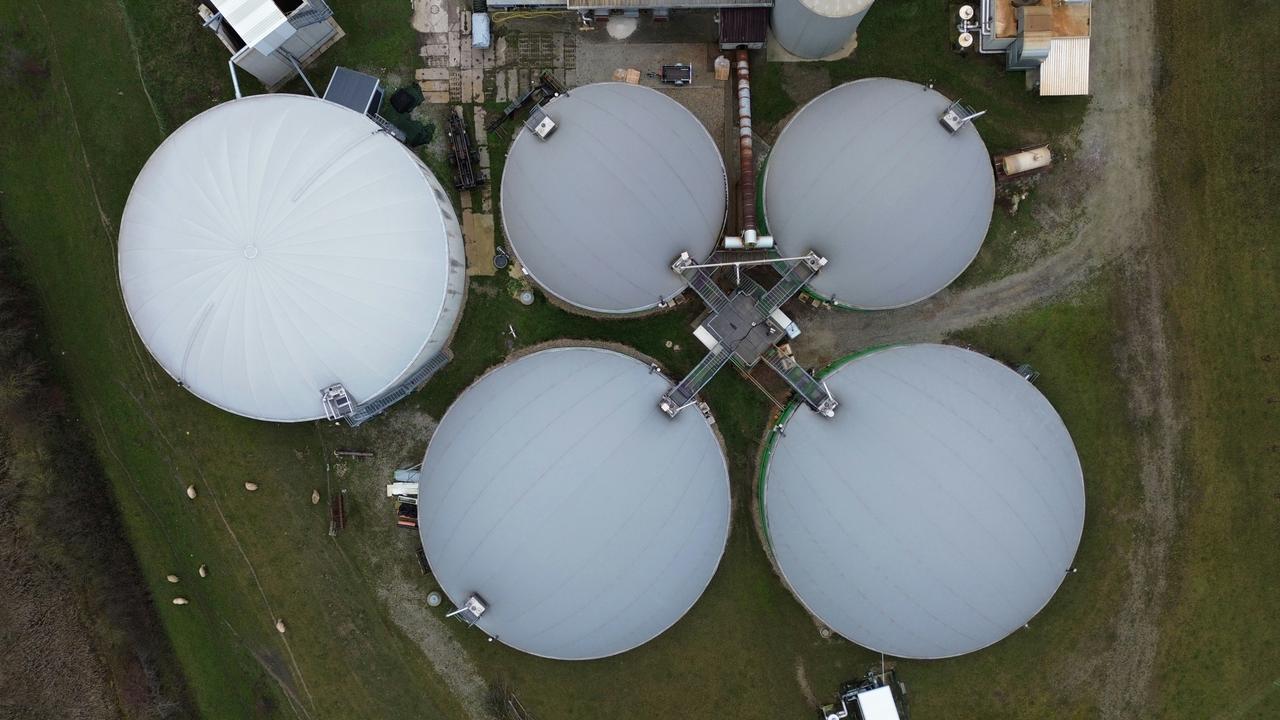
Biogas (Unsplash)
Biogas is a gaseous mixture formed through the breakdown of organic waste by bacteria under anaerobic, or oxygen-free, conditions. According to data from the European Biogas Association (EBA), biogas contains 45–85 percent methane and 25–50 percent carbon dioxide. Additionally, small amounts of hydrogen sulfide, water vapor, and other trace gases are also components of biogas. Methane is the primary constituent determining the energy value of biogas; it is flammable and used for energy production. Biomethane is a renewable gas nearly 100 percent pure methane, produced by advanced purification technologies—such as the removal of CO₂ and other impurities—from biogas, and it is equivalent in quality to natural gas. Biomethane can be integrated into existing natural gas infrastructure and enables various industrial and transportation applications. Biohydrogen is hydrogen produced from bio-based sources—such as biogas and biomass—through different biological, thermochemical, and bioelectrochemical technologies. Hydrogen energy is gaining increasing importance in the clean energy transition, but its development proceeds in parallel with the role of biogas and biomethane in energy systems.
Biogas production is the process by which microorganisms break down organic matter under oxygen-free conditions to generate methane and other gases. This process consists of four fundamental stages:
These biological processes are carried out under controlled conditions in biogas plants. Feedstocks typically include municipal and industrial organic waste, agricultural residues, animal manure, and organic wastewater.
In Europe, the most common use of biogas is in combined heat and power (CHP) systems, which simultaneously generate electricity and heat. CHP provides energy with higher efficiency than separate production of electricity and heat. The generated electricity is typically fed into the grid, while the produced heat can be used to support the fermentation process within biogas plants. Excess heat is directed toward local heating applications.
Biomethane can be directly integrated into existing natural gas infrastructure. This facilitates the substitution of fossil fuels with biomethane without requiring additional infrastructure investments. Moreover, the ability to store biomethane and produce it on demand helps balance intermittent renewable energy sources such as solar and wind.
Biomethane is used in the transportation sector as a renewable alternative to compressed (CNG) or liquefied (LNG) natural gas fuels. This application is particularly effective in reducing greenhouse gas emissions in sectors where electrification is challenging, such as heavy-duty vehicles and maritime transport. Life cycle analysis (Well-to-Wheel) has shown that biomethane exhibits a significantly lower carbon footprint compared to fossil fuels. In some cases, depending on the nature of the organic feedstock used, biomethane can even generate negative emissions.
Biogas and biomethane reduce emissions through a triple mechanism:
Biogas technology provides sustainable solutions in waste management by converting organic waste into energy. Food waste, animal manure, sewage sludge, and agricultural residues can all be utilized for biogas production. This transforms waste into a valuable energy source and reduces waste disposal costs. In line with circular economy principles, the biogas sector contributes to the development of local bioeconomies.
Biogas production encourages sustainable agricultural practices in rural areas. Efficient use of waste enhances soil fertility and helps preserve biodiversity, offering agroecological benefits. Methane emissions from livestock are redirected to biogas plants, reducing their greenhouse gas impact. Additionally, crop rotation systems help conserve soil and increase carbon sequestration.
Biogas projects create employment and new income sources for local economies. Particularly in rural areas, the valorization of waste by farmers and livestock producers gives rise to new business models. Furthermore, reduced dependence on fossil fuels positively contributes to national energy security.
Biomethane is a high-purity methane form of biogas and is of equal quality to natural gas. Biomethane can also be produced through gasification and power-to-methane technologies. Biohydrogen is hydrogen produced from bio-based sources via biological, thermochemical, and bioelectrochemical methods. These fuels provide diversity and flexibility in renewable energy systems.
Europe leads the world in biogas and biomethane production. Its existing gas infrastructure is ready for biomethane integration, and plans are underway to increase biogas production to meet targets for 2030 and 2050. Biogas’s storability and domestic origin make it critical for Europe’s energy supply security and carbon neutrality goals.
In Türkiye, the biogas sector is developing through guidelines issued by the Ministry of Environment, Urbanization and Climate Change, as well as support from İlbank and other institutions. Türkiye’s high potential for organic waste and agricultural resources provides advantages for biogas production. The role of biogas in energy and environmental policies is steadily strengthening.
Closing the carbon cycle in biogas production is one of the fundamental elements of sustainability. Organic waste utilizes its contained carbon in the production of biogas and biomethane. The CO₂ released after purification can be captured and utilized—not emitted into the atmosphere as a greenhouse gas—but instead applied in the food industry or to enhance photosynthesis in greenhouse crops. Furthermore, applying digestate—the fermented organic residue remaining after biogas production—as organic fertilizer returns carbon to the soil. Thus, the “short carbon cycle” is completed.
Biogas is a renewable, clean, and domestic energy source offering multifaceted advantages in sustainable energy production and environmental management. Converting organic waste into biogas in biogas plants helps resolve waste management challenges while reducing fossil fuel dependence and lowering carbon emissions. The biogas sector, diversified through advanced technologies such as biomethane and biohydrogen, holds critical importance for energy security, climate change mitigation, and local economic development. With national and international policy support, biogas is expected to play a central role in the energy transition in the coming years.
American Biogas Council. "Why Biogas." Accessed July 19, 2025. Accessed Adresi.
Biyogazder.org. "Biyogaz Enerjisi." Accessed July 19, 2025. Accessed Adresi.
European Biogas Association. "About Biogas and Biomethane." Accessed July 19, 2025. Accessed Adresi.
Food and Agriculture Organization of the United Nations (FAO). “Global Bioenergy Partnership: Biogas.” Accessed July 19, 2025. Accessed Adresi.
Gülen, Serdar, and Şule Çeşmeli. “Biyogaz Hakkında Genel Bilgi ve Yan Ürünlerinin Kullanım Alanları.” DergiPark. Accessed July 19, 2025. Accessed Adresi.
International Energy Agency (IEA). “An Introduction to Biogas and Biomethane.” Accessed July 19, 2025. Accessed Adresi.
T.C. Çevre ve Şehircilik Bakanlığı. "Biyogaz Kılavuzu." Accessed July 19, 2025. Accessed Adresi.
Unsplash. "Biogas Plant at Sunrise." Photograph. Accessed July 19, 2025. Accessed Adresi.

Definition and Composition of Biogas
Biogas Production Process
Use of Biogas in Energy Production
Combined Heat and Power (CHP) Systems
Integration into Natural Gas Infrastructure
Use of Biomethane in Transportation
Environmental and Economic Contributions
Reduction of Greenhouse Gas Emissions
Waste Management and Circular Economy
Contributions to Agricultural Ecosystems
Economic and Social Impacts
Biomethane and Biohydrogen
The Role and Future of Biogas in Europe and Türkiye
Carbon Cycle and Circular Approach
Sectoral and Policy Implications